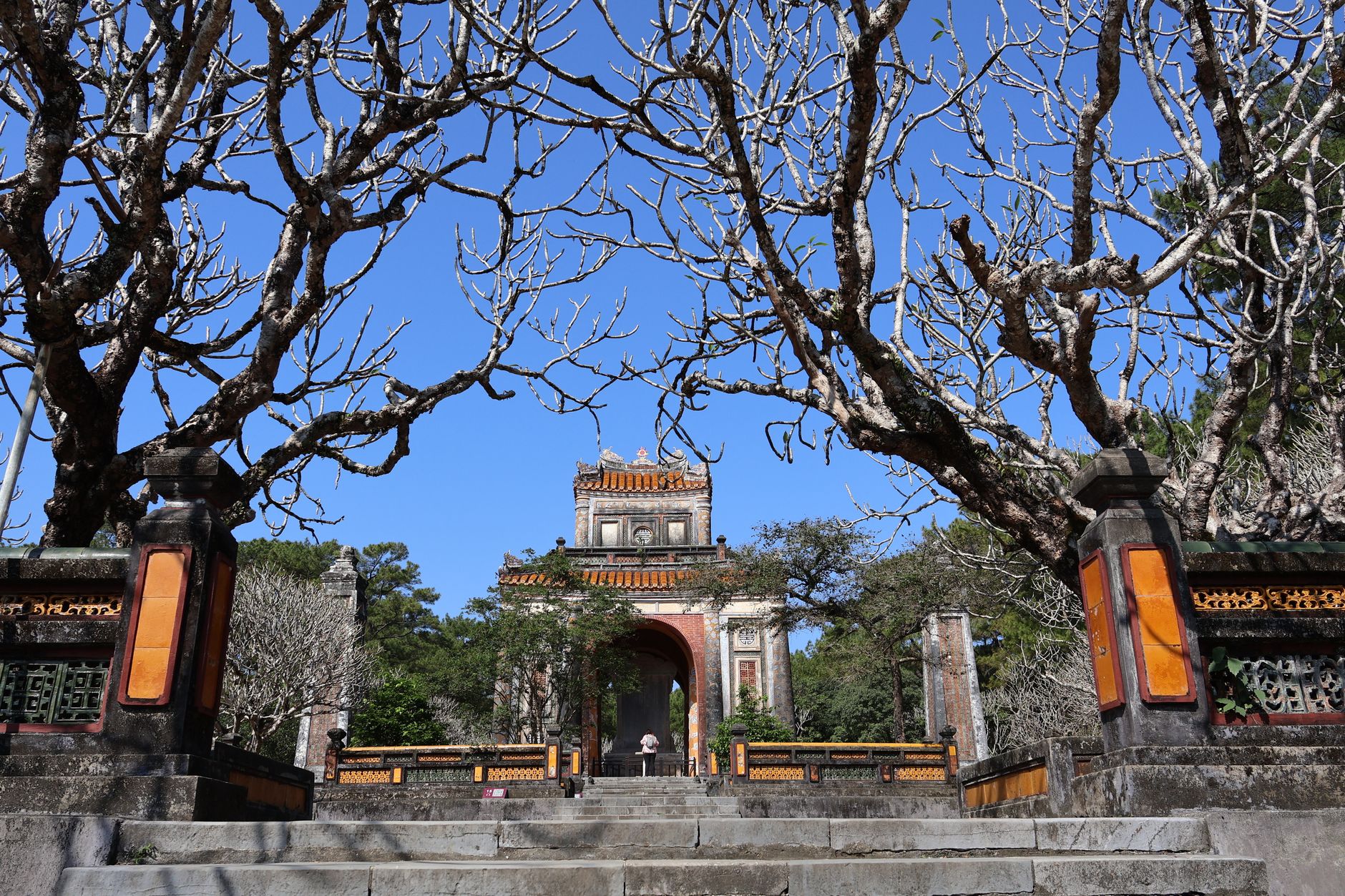
When to visit Kon Tum
Kon Tum sits high in the Central Highlands (중부 고원 / 中部高原 / 中部高原)—around 600 meters elevation—which shapes its climate more than southern lowland provinces. Temperatures stay mild year-round (15–28°C), but rainfall patterns are sharp. Choose your season based on whether you want hiking, festivals, or simply fewer people.
Dry season: November to April
This is the obvious choice for most travelers. Rain is rare, visibility is excellent, and temperatures hover between 15–22°C—cool enough to hike comfortably without sweating through your shirt.
November–December marks the start of this window. The weather is near-perfect: sunny mornings, cool afternoons, no rain. Tourist numbers pick up but remain modest compared to the south. You'll see locals harvesting coffee in nearby plantations. This is the sweet spot if you're doing the Ba Na–Kon Tum trekking loop or visiting the "Giang" ethnic villages on foot.
January–February brings the coldest days (lows around 12–15°C at night). Mornings can be misty; hilltop visibility varies. If you're sensitive to cold, bring a light fleece. Tourist density peaks in early February around Tet (뗏 (베트남 설날) / 越南春节 / テト) (lunar new year), but Kon Tum itself stays quieter than Hanoi or Saigon—most domestic travelers head to coastal beaches. Foreigners are few enough that you'll notice other backpackers.
March–April are warm and dry—20–26°C daily—with the longest daylight hours. Wildflowers bloom in the highlands in March. Tourist numbers remain low. By late April, hints of humidity start creeping in.
If you're planning a multi-day trek through the surrounding hills or visiting the Bahnar and Jarai villages in the region, November–March is non-negotiable. Trails are dry, river crossings are manageable, and you won't be fighting mud or leeches.
Shoulder season: May, October
May is the tail end of dry conditions, but afternoon showers start appearing. Humidity climbs noticeably. Daytime temps hit 28–30°C. The landscape is lush and green after winter irrigation; if you're photographing rice paddies or tribal agriculture, May has good light. Tourist crowds are minimal. The trade-off: you might lose a full afternoon to rain. Trekking is still possible but trails can be slick.
October marks the waning days of the rainy season. Rainfall is heavy but shorter bursts (rather than all-day downpours). Expect 200–300 mm mid-month. The landscape is at its greenest. Tourist numbers pick up slightly as people flee Saigon's September heat, but Kon Tum remains uncrowded. If you don't mind a little mud and occasional rain, October offers fewer tourists and dramatic cloud photography. Not ideal for trekking, but fine for visiting towns and villages.
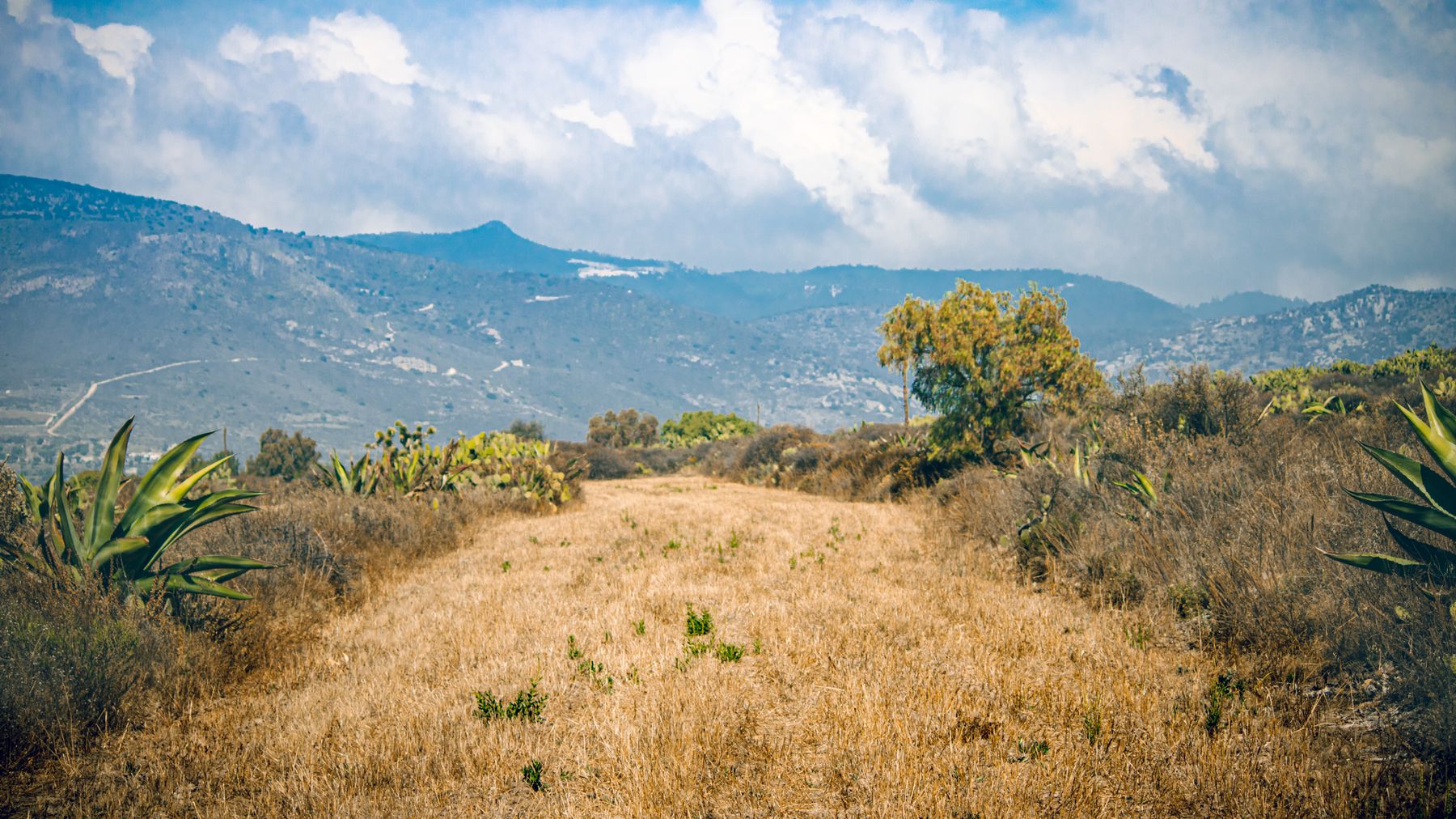
Photo by Moisés Fonseca on Pexels
Rainy season: June to September
June–July–August see consistent afternoon and evening rains. Mornings are often clear. Daytime temps are warm (26–28°C) but humidity is high (75–85%). If you're just exploring the town of Kon Tum itself—visiting the wooden Catholic church, the war museum, eating com tam (broken-rice) at local stalls—rain is manageable. Tourist numbers drop sharply. Hotels offer discounts. Leeches and mosquitoes are active; bring insect repellent.
Multi-day trekking is not recommended. Rivers swell, trails become treacherous, and visibility in the hills drops to 100 meters. Many guesthouses reduce services or close entirely during this period.
September is the peak of the rainy season. Expect 300–400 mm of rainfall, concentrated in afternoons and overnight. Temperatures remain high (25–28°C). This is not a good time to visit unless you have flexible plans or you're writing a piece on "monsoon landscapes." Tourism essentially stops. Roads to remote villages may be impassable after heavy rain. Guesthouses and restaurants operate sporadically.
Festivals and events
Kon Tum's festival calendar is tied to local harvest cycles and religious traditions, not national holidays. Unlike Tet celebrations elsewhere, Kon Tum's Tet is quieter—many families are spread across villages, and the town itself doesn't have the chaos of Hanoi or Saigon.
Tet (late January or early February) brings a few days of festive eating and family visits, but business shuts down for only 3–4 days. Restaurants close, locals travel, and the streets are quieter than usual.
April–May sees local village festivals in surrounding Bahnar and Jarai communities—harvest celebrations and traditional ceremonies. These are not advertised tourist events; most happen at the village level. Hiring a local guide is the only way to attend meaningfully.
Kon Tum doesn't host large international festivals like Hue or Hoi An. The appeal is its ordinariness and tight-knit highland culture, not event-driven tourism.
Crowd levels by season
November–March: Low to moderate. Hanoi and Saigon are packed; Kon Tum sees backpackers and a few local tourists. You might share a guesthouse with 2–3 other travelers. Easy to book rooms same-day.
April–May: Very low. Roads are good, but it's not a destination period. Most travelers are on the coast.
June–September: Minimal. Tourist infrastructure shrinks. Hotels have availability but some close. This is not a time to rely on finding restaurants or reliable transport.
October: Low to moderate. Early-month rain doesn't deter everyone; late-month numbers creep up. Manageable.

Photo by Thái Trường Giang on Pexels
What to pack by season
November–April (dry): Light layers—a fleece for mornings, t-shirts for afternoons. Hiking boots if trekking. Sunscreen and a hat. Refillable water bottle.
May–October (wet): Rain jacket, waterproof bag, quick-dry clothes. Good trekking shoes with grip. Insect repellent (DEET-based). Moisture-wicking layers.
Bottom line
If you're serious about trekking to Giang villages or doing a multi-day loop, book November through March. If you're just exploring the town and don't mind occasional rain, May or October work fine and are quieter. Avoid June–September entirely unless you're flexible on plans. The best month overall is December: warm days, cool nights, manageable crowds, and perfect trekking weather.
Practical notes
Booking flights to Kon Tum requires routing through Da Nang (the nearest major airport, 180 km south). Allow 3.5 hours by car. Alternatively, take a night bus from Da Nang or Pleiku. During November–March, book accommodation 2–3 days ahead; in off-season (June–September), same-day is fine. Hire a local guide for village visits year-round—they navigate road conditions and cultural protocols.
Last updated · May 29, 2026 · independently researched, never sponsored.