What it is
Dong Nam Son is a limestone cave tucked into the karst hills of what was formerly Hoa Binh province's territory, now administratively part of Phu Tho after a boundary merger. The cave sits in a quiet rural area southwest of Viet Tri city, surrounded by rice paddies and low-slung mountains that mark the transition zone between the Red River Delta and Vietnam (베트남 / 越南 / ベトナム)'s northwestern highlands.
The cave system has been known to local communities for generations — villagers used it as a shelter during wartime and as a place of local worship long before anyone thought to put it on a tourist map. Archaeological surveys in the area have turned up stone tools and habitation evidence dating back several thousand years, linking Dong Nam Son to the broader story of early human settlement in northern Vietnam's limestone regions. It's not a major heritage site on the scale of Phong Nha, but it carries genuine historical weight for the region.
Why travelers go
Honestly, most don't — and that's the appeal. Dong Nam Son draws a small number of domestic visitors on weekends and the occasional foreign traveler passing through Phu Tho en route to somewhere else. You won't find tour buses or ticket queues here.
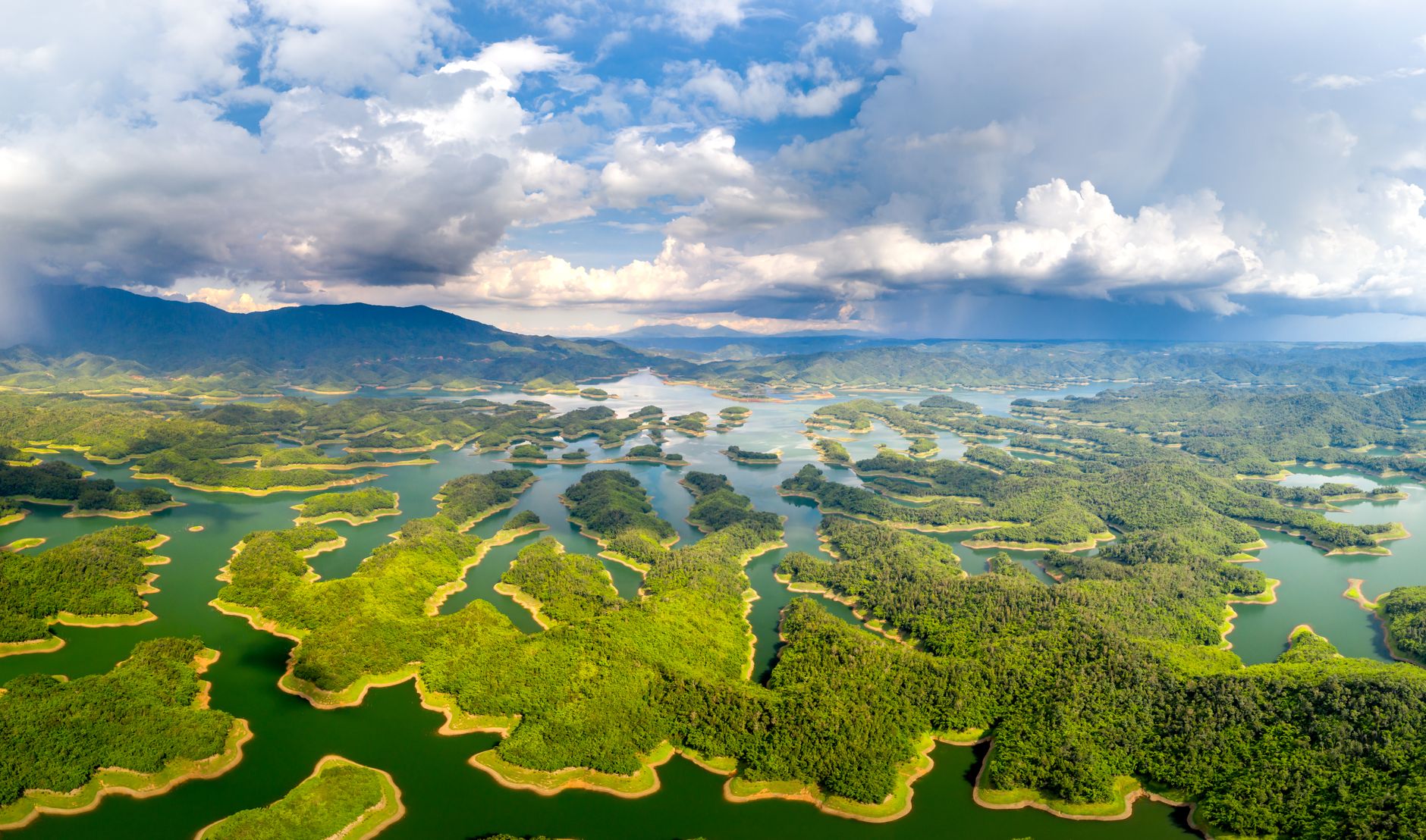
People come for the quiet, the cave formations (stalactites and stalagmites in good condition, since foot traffic is minimal), and the surrounding countryside, which is genuine rural north Vietnam without any tourism polish. If you're in the area for the Hung Kings Festival or visiting the Hung Temple complex and want something different for half a day, this works well.
Best time to visit
October through March gives you the driest conditions and cooler temperatures — important because the approach path can get muddy after rain, and the cave interior stays damp year-round. November and December are ideal: clear skies, temperatures around 18-22°C outside, and the rice harvest creates golden fields around the base of the hills.
Avoid July and August if you can. Heavy rain makes the unpaved sections of the access road slippery, and the cave floor can pool with water in its lower chambers. The Hung Kings Festival period (around the 10th day of the 3rd lunar month, usually March or April) brings more visitors to the broader Phu Tho area, so accommodation fills up — book ahead if you're combining sites.
How to get there
From Hanoi, the most practical route is to drive or take a bus to Viet Tri city first — about 80 km, roughly 1.5 hours by car or 2 hours by bus from My Dinh bus station (tickets around 80,000-100,000 VND). From Viet Tri, Dong Nam Son is another 25-30 km southwest. You'll need a motorbike or a hired car for this last stretch; there's no regular public transport running directly to the cave.
Renting a motorbike in Viet Tri costs 120,000-150,000 VND per day. The road is mostly paved provincial highway until the last 3-4 km, which narrows to a concrete village road. Follow signs toward the commune — locals know the cave and can point you the final stretch. Budget about 40 minutes from Viet Tri center.
If you're coming from the Hung Kings Temple area (Den Hung), the cave is roughly 20 km south — an easy 30-minute motorbike ride through villages.

Photo by Quang Nguyen Vinh on Pexels
What to do
Explore the cave chambers
Dong Nam Son has two main accessible chambers. The entrance chamber opens wide with decent natural light filtering in, and the formations here are visible without a strong torch. The deeper second chamber requires a flashlight (bring your own — there's no rental setup) and gets narrow in places. Expect to spend 45 minutes to an hour inside if you take your time. Watch your head; ceiling clearance drops below 1.5 meters in the connecting passage.
Walk the surrounding karst hills
The limestone outcrops around the cave entrance offer informal trails — nothing marked, but worn paths lead up to viewpoints over the valley. A 20-minute climb gets you above the treeline with views across rice paddies and fish ponds. Good in the early morning when mist sits in the valley.
Visit nearby village life
The commune surrounding Dong Nam Son is Muong ethnic minority territory. If you're respectful and unhurried, you can observe daily agricultural life — rice drying on roads, small-scale fish farming, traditional stilt houses in various states of modernity. This isn't a staged cultural village; it's where people live and work.
Combine with Den Hung (Hung Kings Temple)
The Hung Kings Temple complex is Phu Tho's main draw and sits 20 km north. It's the legendary origin site of the Vietnamese people and hosts the annual Hung Kings Festival. Combining both in a single day trip from Hanoi (하노이 / 河内 / ハノイ) is entirely doable — temple in the morning, cave in the afternoon.
Photograph the valley at golden hour
The karst-and-paddy landscape catches late afternoon light well, particularly in harvest season (May-June and October-November). The cave entrance itself faces roughly east, so morning light penetrates deepest into the first chamber.
Where to eat nearby
Don't expect restaurants at the cave. The nearest proper food is back toward the commune center or along the provincial road, where small "com binh dan" (workers' rice) shops serve plates for 30,000-45,000 VND.
Seek out "com lam" — bamboo-tube rice, a Muong specialty in this area. Sticky rice stuffed into green bamboo and roasted over coals. It's sold at roadside stalls, particularly on weekends. Pair it with grilled pork or "thit lon muoi" (salt-cured pork), another Muong staple. Back in Viet Tri, pho shops are plentiful along the main streets if you need something familiar.
Where to stay
There's no accommodation at Dong Nam Son itself. Your options:
- Viet Tri city: Budget hotels and guesthouses (nha nghi) from 200,000-400,000 VND/night. Nothing fancy but clean enough. A few mid-range options around 600,000-800,000 VND with air conditioning and breakfast.
- Near Den Hung: A handful of guesthouses cater to festival visitors, same price range as Viet Tri.
- Homestays: Occasionally available in Muong villages in the area — ask locally. Expect basic conditions, shared bathrooms, around 150,000-250,000 VND including a home-cooked dinner.
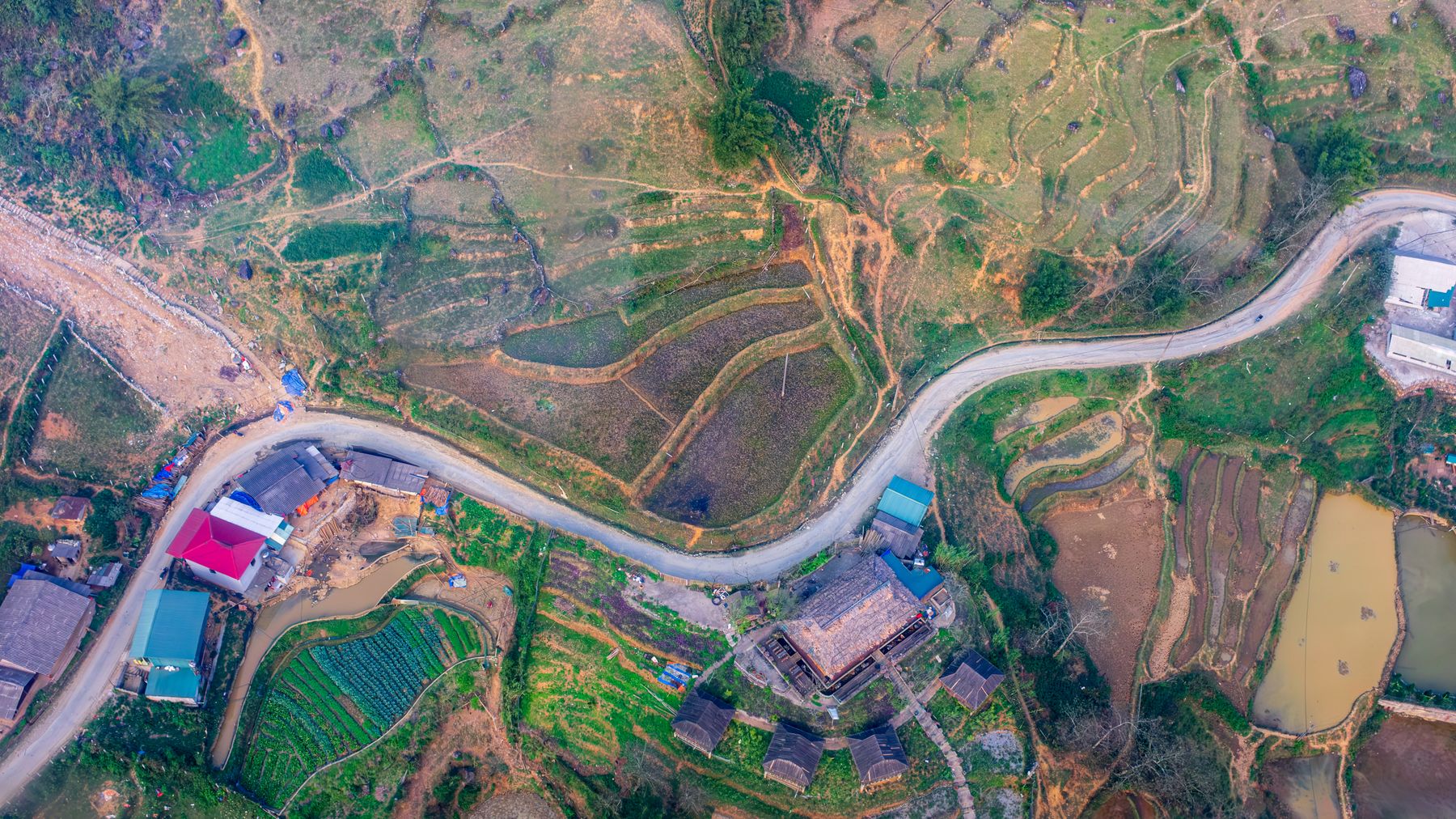
Photo by Kirandeep Singh Walia on Pexels
Practical tips locals would tell you
- Bring a good flashlight and wear shoes with grip. The cave floor is uneven limestone and gets slick.
- There's no entrance fee as of recent visits, but this could change. Carry small cash regardless.
- Phone signal is patchy near the cave. Download offline maps before you leave Viet Tri.
- If visiting on a weekday, you may have the cave entirely to yourself. Weekends bring small groups of domestic visitors.
- Water and snacks: bring your own. The nearest shop is a few kilometers back toward the main road.
Common mistakes to avoid
- Trying to visit without your own transport. There's simply no taxi or grab service out here. Motorbike or private car only for the last stretch.
- Underestimating the access road after rain. That final village road gets genuinely muddy in wet season. A scooter with bald tires is asking for trouble.
- Expecting a developed tourism site. No ticket booth, no guide service, no handrails inside. This is raw — that's the point, but come prepared.
- Skipping the surroundings. The cave alone is a 45-minute visit. Budget a half-day to appreciate the landscape and village life around it.
Practical notes
Dong Nam Son works best as part of a broader Phu Tho day trip from Hanoi — combine it with the Hung Kings Temple and you have a full day that covers both cultural heritage and natural landscape. It's not a destination you'd travel far specifically for, but if you're already in the area, it rewards the small detour with genuine quiet and intact cave formations that bigger sites lost to crowds years ago.
Last updated · May 26, 2026 · independently researched, never sponsored.