Dam Vac sits right at the edge of Vinh Yen town — a wide, calm freshwater lake that most travelers heading north blow past on the highway without ever knowing it exists. After the administrative merger that folded the former Vinh Phuc area into Phu Tho province, Dam Vac quietly became one of the more interesting day-trip options in the northern midlands, especially if you're already planning a route toward the Hung Kings Festival sites or the tea hills further northwest.
What it is and a little history
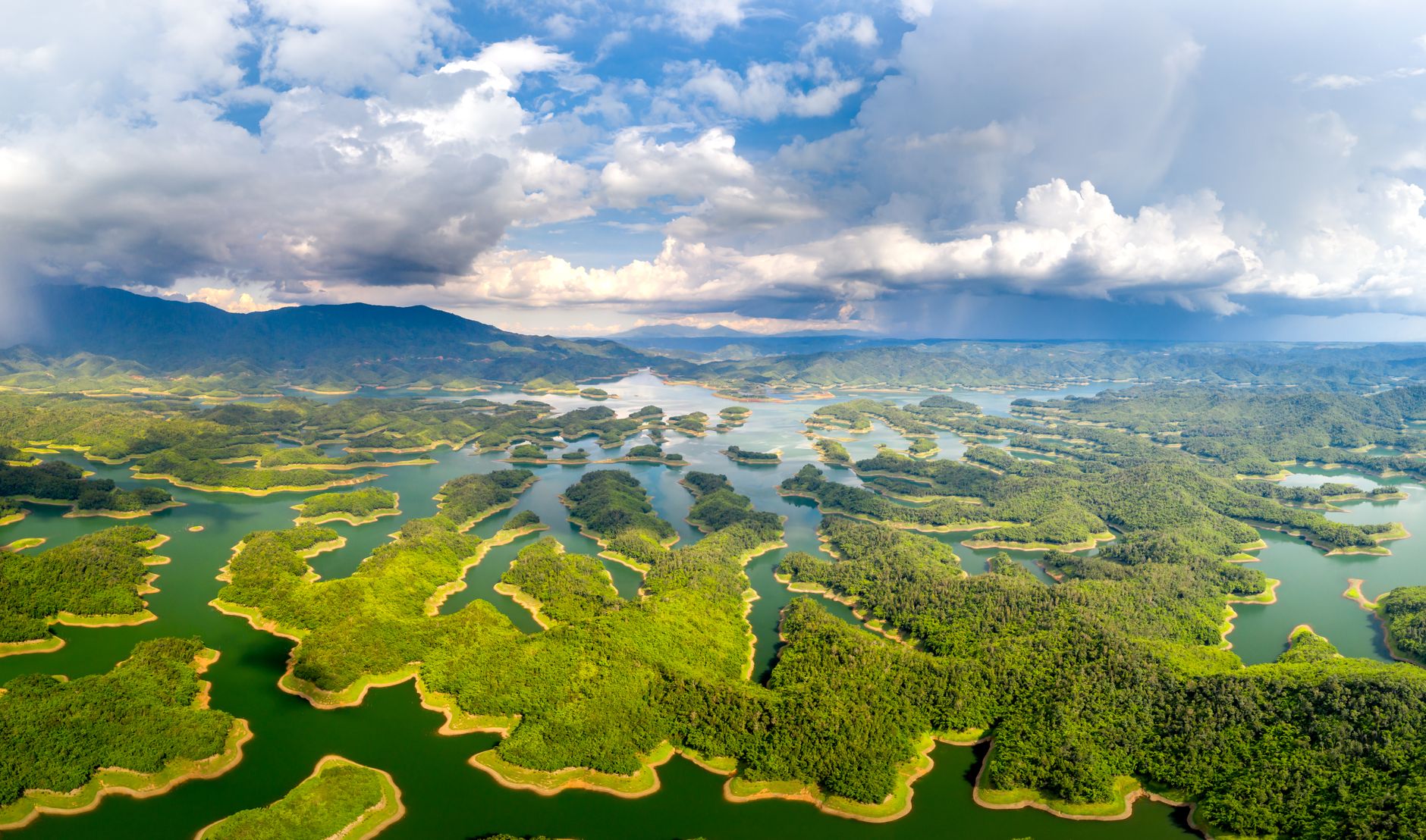
Dam Vac is a natural lake spanning roughly 200 hectares, fed by streams draining off the low hills west of Vinh Yen. For centuries it served as a water source and fishing ground for surrounding villages. During the French colonial period, Vinh Yen was a minor administrative post, and the lake's eastern shore saw some of the first brick villas built outside Hanoi's orbit — a few faded examples still line the road today.
In recent years, the lake and its perimeter have been developed into a public park zone with walking paths, a handful of cafes, and a lakeside promenade that fills up on weekend evenings. It's not a resort. It's a living, breathing piece of a small Vietnamese city — fishermen casting nets in the morning, groups of retirees doing tai chi at dawn, kids on bikes in the afternoon.
Why travelers go
Honestly, most foreign travelers don't — yet. Dam Vac draws domestic visitors, weekend cyclists from Hanoi (하노이 / 河内 / ハノイ), and birdwatchers who know the lake's reed beds shelter egrets, kingfishers, and the occasional painted stork during migration season. For independent travelers, the appeal is simple: it's a real place with no tourist infrastructure to speak of, 50 km from Hanoi, and you can pair it with a visit to the Hung Temple complex in Phu Tho city, about 60 km further northwest.
If you like Vietnamese towns that haven't been reshaped for visitors, Vinh Yen and its lake are worth a half-day detour.
Best time to visit
The sweet spot is October through December, when the air is cool and dry and the lake is at its fullest after the monsoon. Morning mist over the water in November is genuinely beautiful — the kind of scene that rewards an early alarm.
March through May works too, especially if you time it with the Hung Kings Festival (10th day of the third lunar month, usually landing in April). Summer — June through August — brings heat, humidity, and afternoon downpours that can turn the lakeshore paths muddy.
Avoid Tet week if you want to see the town in its normal rhythm; most local eateries close for the holiday.
How to get there from Hanoi
Vinh Yen is about 50 km northwest of central Hanoi, reachable in roughly 1 hour by car or motorbike via the Noi Bai – Lao Cai expressway (exit at Vinh Yen). Grab/taxi from central Hanoi runs about 350,000–450,000 VND one way.
Local buses from My Dinh bus station (route Hanoi – Vinh Yen) cost around 50,000–70,000 VND and take 1.5 hours depending on traffic. Buses drop you at Vinh Yen bus station, roughly 2 km from the lake — an easy xe om ride for 15,000–20,000 VND.
If you're riding your own motorbike, take the old Highway 2 (QL2) for a more scenic route through small towns and longan orchards. It adds 20 minutes but is far more interesting than the expressway.

Photo by Tuan Vy on Pexels
What to do
Walk or cycle the lakeshore loop
The paved path around the lake runs about 7 km. Early morning — before 7 a.m. — is best. You'll share the path with joggers and elderly couples. Bicycle rental isn't formally set up, but several cafes on the east shore lend bikes to customers for free if you buy a drink.
Visit the old French-era quarter
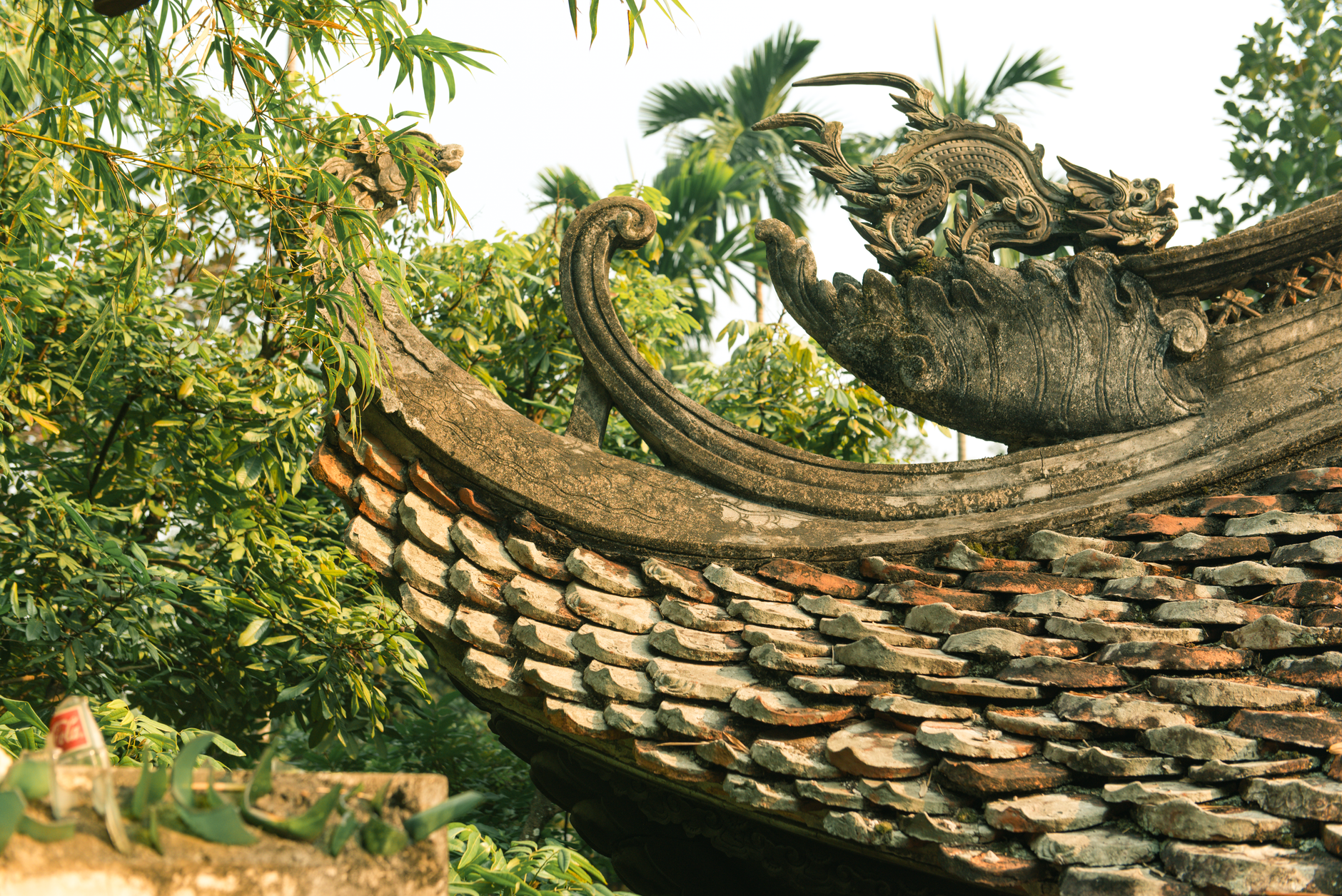
A short walk east of the lake along Nguyen Trai street, a handful of colonial-era buildings survive in various states of repair. None are museums; they're occupied homes and government offices. But the architecture — shuttered windows, terracotta tile roofs, wrought-iron balconies — tells a quiet story about Vinh Yen's past as a provincial seat.
Birdwatch from the southern reed beds
The south and southwest edges of Dam Vac are less developed, with thick reed beds that attract wading birds. Bring binoculars. Early morning from October to March is prime time. Local birders report cattle egrets, little egrets, white-breasted waterhens, and occasionally spot-billed ducks.
Day-trip to Hung Temple
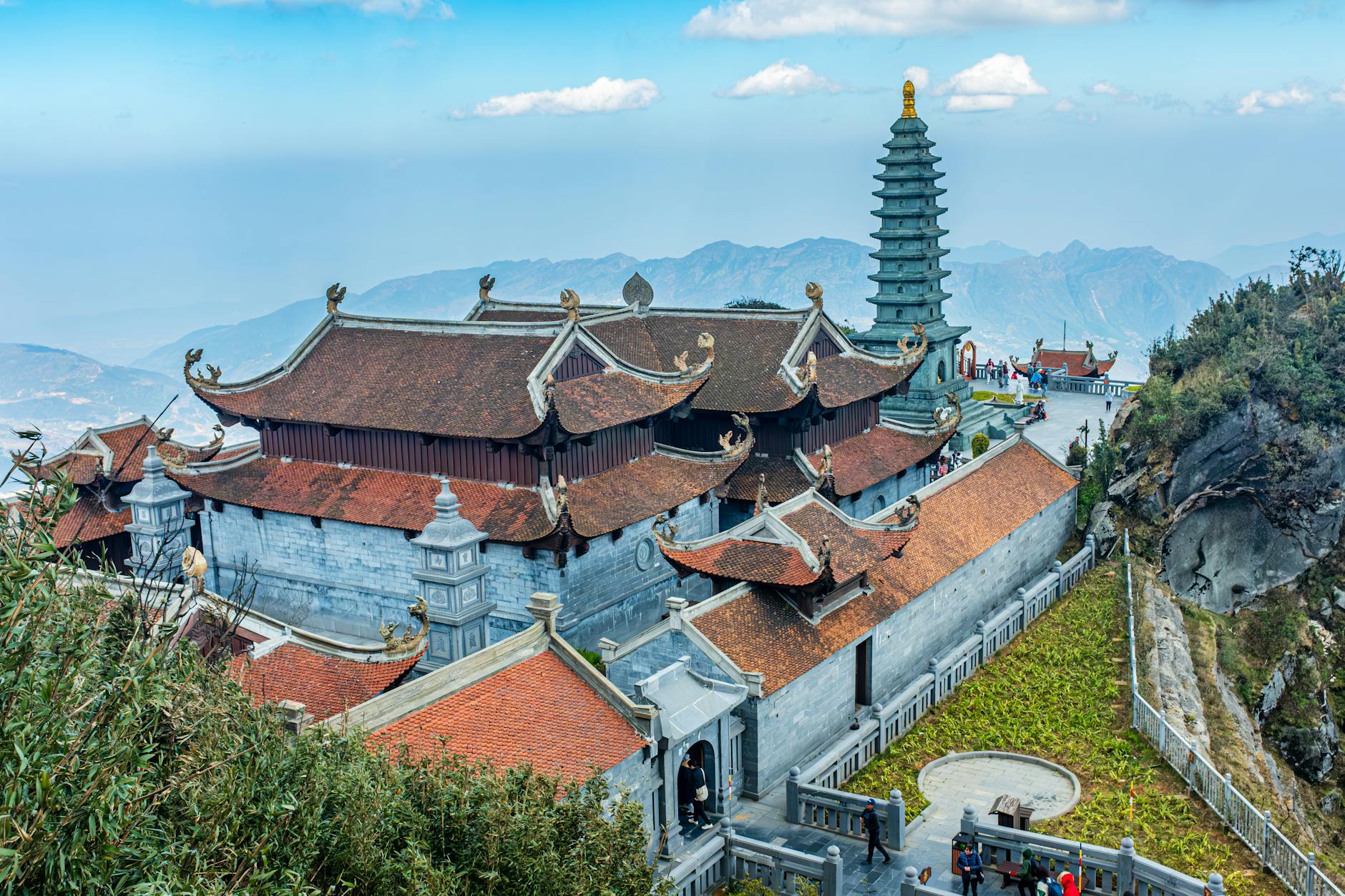
From Vinh Yen, Hung Temple (Den Hung) in Phu Tho city is about 60 km northwest — roughly 1.5 hours by motorbike on QL2. The temple complex on Nghia Linh mountain is the legendary birthplace of the Vietnamese nation, honoring the Hung Kings. Outside of festival season, it's quiet and uncrowded.
Drink vietnamese coffee lakeside
The east shore has a strip of small cafes — nothing fancy, plastic chairs and drip filters. Order a "ca phe sua da" and sit facing the water. That's the whole activity. It's enough.
Where to eat nearby
Vinh Yen isn't a food destination, but two things are worth seeking out:
"Banh cuon" Vinh Yen style — the steamed rice rolls here tend to be thicker than Hanoi's version, stuffed with minced pork and wood ear mushroom, served with a lighter dipping sauce. Several stalls on Hai Ba Trung street near the market serve them from early morning until about 10 a.m. Expect to pay 25,000–35,000 VND per plate.
"Bun cha" at lunch — Vinh Yen's version doesn't differ wildly from Hanoi's, but the pork patties tend to be chunkier and slightly sweeter. Look for the cluster of bun cha shops near the intersection of Nguyen Trai and Me Linh streets. A full serving runs 35,000–45,000 VND.
Where to stay
Vinh Yen has a handful of mini-hotels (nha nghi) clustered near the bus station and along the main road, ranging from 200,000–400,000 VND per night for a clean, air-conditioned room with hot water and Wi-Fi. Don't expect English-speaking staff.
For something slightly more comfortable, one or two mid-range hotels on the road toward the lake charge 500,000–800,000 VND and have decent rooms with lake-adjacent views. No international chains operate here.
Most travelers treat Dam Vac as a day trip from Hanoi and don't stay overnight — which is perfectly reasonable given the short distance.

Photo by Thái Trường Giang on Pexels
Practical tips locals would tell you
- Bring cash. Almost nothing around the lake accepts card payments. The nearest ATMs are in central Vinh Yen, about 1.5 km from the shore.
- Sunscreen and a hat. There's limited shade along the western lakeshore path, and the midday sun from March onward is no joke.
- Mosquitoes appear at dusk, especially near the reed beds. Repellent is worth packing if you plan to linger into the evening.
- Vietnamese language helps. Very few people here speak English. A translation app or a few basic phrases — "bao nhieu" (how much), "cam on" (thank you) — go a long way.
Common mistakes to avoid
Don't show up expecting a developed tourism site with ticket counters and tour guides. Dam Vac is a public lake in a small city — its charm is that it hasn't been packaged for visitors.
Don't try to swim. The lake isn't designated for swimming, water quality varies seasonally, and locals will look at you strangely.
Don't skip the morning. If you arrive mid-afternoon, you'll find a quiet lake and closed breakfast stalls. The life of Dam Vac happens before 9 a.m. and after 5 p.m.
Practical notes
Dam Vac pairs naturally with a broader northern loop — combine it with a visit to the Hung Temple complex, or use Vinh Yen as a stopover if you're heading toward Sapa (사파 / 沙坝 / サパ) or Ha Giang by road. On its own, it's a calm half-day away from Hanoi that asks nothing of you except to slow down.
Last updated · May 26, 2026 · independently researched, never sponsored.