What Ao Gioi - Suoi Tien actually is
Ao Gioi - Suoi Tien is a natural waterfall and stream system tucked into the forested hills of Thanh Son district, Phu Tho province. The name translates roughly to "Heaven's Pond - Fairy Stream," which sounds like every other waterfall in Vietnam (베트남 / 越南 / ベトナム), but the site itself is more interesting than the name suggests. It sits at an elevation of around 600-700 meters, where a series of cascades drop through layered rock formations into clear pools surrounded by old-growth forest.
The area has been used by local Muong communities for generations — it was a water source, a bathing spot, and according to local oral tradition, a place where spirits lived in the pools. Phu Tho province is broadly known as the ancestral homeland tied to the Hung Kings Festival, but Thanh Son district is its quieter, more mountainous side, where the lowland rice culture gives way to forested ridgelines and ethnic minority villages.
Why travelers go
Most people come here to get out of Hanoi's heat without driving all the way to Sapa or Ha Giang. The pools are genuinely swimmable in the right season, the forest canopy keeps things cool even in summer, and the crowds are thin compared to more established sites. It's a day trip or weekend escape, not a bucket-list destination — and that's exactly why it works. You'll share the trails with local families and the occasional group of Hanoi hikers, not tour buses.
The terrain also appeals to people who like a bit of a walk. Getting to the upper falls requires some moderate hiking through forest trails, which filters out the casual crowd and rewards you with quieter pools upstream.
Best time to visit
The sweet spot is May through September, when rainfall keeps the falls running strong and the pools are deep enough for swimming. July and August are peak flow — the cascades are at their most impressive, though afternoon rain showers are almost guaranteed. Bring a rain jacket or just accept you'll get wet.
October and November still work if it's been a rainy year, but water levels start dropping. By December through March, the stream thins out considerably and some of the upper pools go shallow. The forest is still pleasant for hiking in the cooler months, but if swimming is your goal, skip the dry season.
Weekdays are always better. Weekend mornings from June through August bring Hanoi (하노이 / 河内 / ハノイ) day-trippers, and the lower pools can get busy by 10 AM.
How to get there from Hanoi
Ao Gioi - Suoi Tien is in Thanh Son district, roughly 120-130 km northwest of Hanoi. There's no direct public bus to the site itself, so your options are:
- Motorbike: The most common choice. Take the route via QL32 through Son Tay and into Thanh Son. The ride takes about 3-3.5 hours depending on traffic getting out of Hanoi. The last 15-20 km on provincial roads are in decent condition but narrow — watch for trucks and livestock. Gas up in Thanh Son town.
- Car or private driver: Same route, roughly 3 hours. A return day-trip with a hired car from Hanoi runs around 1,500,000-2,000,000 VND depending on the vehicle and your negotiation.
- Bus + motorbike taxi: You can catch a bus from My Dinh station to Thanh Son town (around 80,000-100,000 VND, 2.5 hours), then arrange a local "xe om" for the remaining 15-20 km to the site entrance. Expect to pay 80,000-150,000 VND for the xe om, and arrange a pickup time in advance — drivers aren't sitting around waiting at the trailhead.

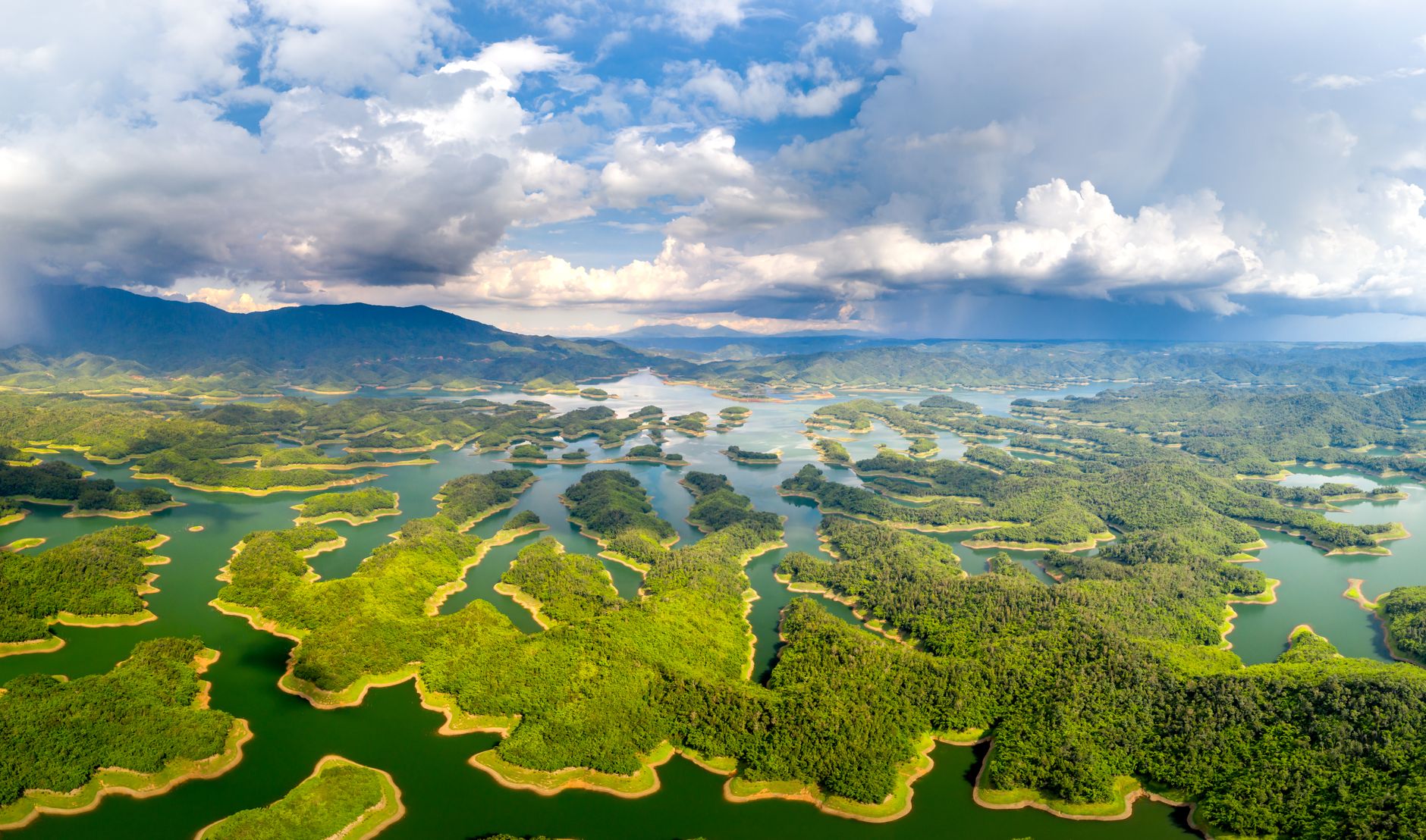
Photo by Quang Nguyen Vinh on Pexels
What to do
Swim the lower pools
The lower cascade area is the most accessible — a short walk from the entrance gets you to a series of rock pools fed by small waterfalls. The water is cold, especially in the morning, but by midday in summer it's exactly what you want. The rock formations create natural seats and ledges. Bring water shoes; the rocks are slippery.
Hike to the upper falls
The trail upstream takes about 40-60 minutes of moderate hiking through forest. It's not technical, but it's uneven — tree roots, muddy patches in the wet season, and a few stream crossings. The upper falls are taller and the pools are quieter. This is where the day trip earns its keep.
Walk through Muong villages
A few Muong ethnic minority villages sit along the road approaching the site. Traditional stilt houses are still in use — not reconstructed for tourists, just where people live. If you're respectful and unhurried, locals are generally friendly. Don't photograph people without asking. Some families sell local honey, bamboo-tube rice ("com lam"), and dried forest herbs by the roadside.
Picnic by the stream
Bring your own food and set up on the rocks near the lower pools. There are no restaurants inside the forest area itself. Pack out your trash — this isn't a managed park with cleanup crews.
Where to eat nearby
Thanh Son town, about 15-20 km from the site, has basic "com binh dan" (everyday rice) shops along the main road. Look for places with locals sitting outside — that's the quality indicator everywhere in Vietnam.
Two things worth seeking out in the broader Phu Tho area:
- Com lam: Sticky rice cooked inside bamboo tubes over charcoal, common in mountainous areas with Muong and Thai communities. Roadside vendors near the site sometimes sell it, especially on weekends.
- Thit chua Thanh Son: Fermented sour pork, a Thanh Son district specialty similar to "nem chua" but with a chunkier, more rustic preparation. Ask at any local rice shop and they'll likely have it or point you to someone who does.
Where to stay
There are no hotels at the site. Your options:
- Thanh Son town: A handful of basic guesthouses ("nha nghi") in the 200,000-400,000 VND range. Clean enough, cold-water showers, no frills. Don't expect English.
- Homestays: A few Muong community homestays operate in villages near the waterfall area, typically 150,000-300,000 VND per person including a home-cooked dinner. These come and go — ask around in Thanh Son town or check Vietnamese-language booking apps.
- Day trip from Hanoi: The most common approach. Leave early, swim and hike, drive back by evening.

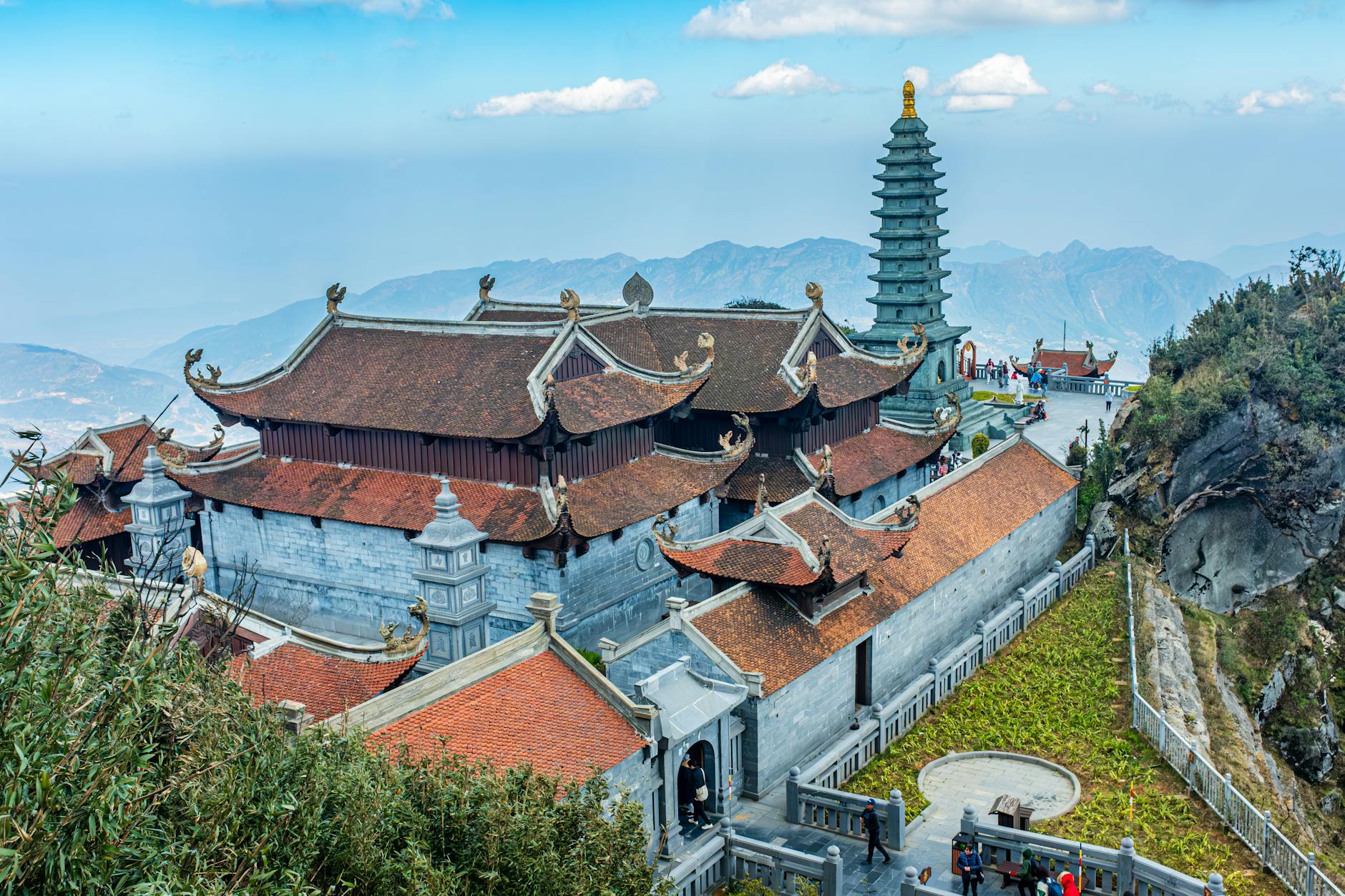
Photo by Karolina on Pexels
Practical tips locals would tell you
- Bring cash. There are no ATMs near the site and no card payment anywhere in the area. Withdraw in Hanoi or Viet Tri before heading up.
- Pack food and water. There's nothing to buy once you're on the trail.
- Water shoes are not optional. Algae-covered rocks plus bare feet equals a bad time.
- Start early. Leave Hanoi by 5-6 AM if you're doing a day trip. The ride is more pleasant in cooler morning air, and you'll have the pools to yourself before 10 AM.
- Trash bags. Bring them, use them, carry everything out. The site has no waste management.
Common mistakes to avoid
- Going in the dry season and expecting waterfalls. January through March, you'll find a trickle. Time your visit for the wet months.
- Wearing flip-flops on the trail. The hike to the upper falls is muddy and rooty. Proper shoes or at minimum sturdy sandals with heel straps.
- Not arranging return transport. If you took a xe om from Thanh Son, confirm a pickup time. There's no phone signal at parts of the trail, so sort logistics before you head in.
- Treating villages like a zoo. The Muong communities near the site are people's homes, not attractions. Walk through respectfully, buy something if you stop, and ask before photographing.
Practical notes
Ao Gioi - Suoi Tien works best as a summer day trip from Hanoi for people who want forest, cold water, and a bit of hiking without a multi-day commitment. Pair it with a stop in Viet Tri to visit the Hung Kings Temple complex on the way back, and you've got a full day that covers both nature and the cultural heart of Phu Tho province.
Last updated · Aug 29, 2026 · independently researched, never sponsored.