What is Dong Tam Snake Farm?
Dong Tam Snake Farm — officially Trai Ran Dong Tam — sits about 80 km west of Saigon in what is now Dong Thap province (the site was formerly in Tien Giang before the administrative merger). It was established in 1977 by the Vietnamese military as a center for snake research, antivenom production, and traditional medicine using snake-derived ingredients. The facility houses over 400 species of snakes and reptiles, including king cobras, Siamese vipers, banded kraits, and several python species.
This is not a zoo in the Western sense. It is a working military research station that happens to be open to visitors. The grounds are sprawling, shaded by old trees, and the whole place has a slightly time-warped feel — concrete enclosures, hand-painted signs, and staff in fatigues walking between buildings. That rawness is part of the appeal.
Why travelers go
Most people visit Dong Tam as a side trip while exploring the Mekong Delta (메콩 델타 / 湄公河三角洲 / メコンデルタ) — maybe on the way between Saigon and Can Tho, or as a half-day addition to a trip through Dong Thap's lotus fields. The farm draws a mix of Vietnamese school groups, curious backpackers, and the occasional herpetology enthusiast.
The real draw is proximity to animals you would never otherwise see up close. King cobras longer than your car. Reticulated pythons thick as your thigh. There is also a small museum on snake biology and antivenom science, and a section dedicated to freshwater turtles and crocodiles. It is genuinely educational, even if the presentation is more Soviet-era science exhibit than interactive museum.
For travelers doing a longer Mekong Delta loop — say, Saigon to Dong Thap to Can Tho (껀터 / 芹苴 / カントー) — Dong Tam breaks up the drive with something you will not find anywhere else in the region.
Best time to visit
The Mekong Delta is hot year-round, but the dry season (December through April) is more comfortable for walking around an outdoor facility. Mornings are best — arrive before 10 a.m. if you can. By midday the heat is serious, shade or not, and many of the snakes retreat into their shelters.
Avoid visiting during heavy rain (September–November peak). The grounds can get muddy, and some enclosures are harder to see when animals are hiding. Vietnamese public holidays, especially Tet, bring large domestic crowds.
How to get there
From Saigon, Dong Tam is roughly a two-hour drive depending on traffic. You have a few options:
Self-drive or motorbike
Take the Ho Chi Minh City – Trung Luong expressway toward My Tho, then follow QL1A west. The farm is signposted off the highway near Chau Thanh district. Total distance is about 80 km. Motorbike rental in Saigon runs 150,000–200,000 VND/day.
Bus + xe om
Catch a bus from Ben Thanh Market area or Mien Tay bus station to My Tho (about 70,000–90,000 VND, 90 minutes). From My Tho bus station, grab a "xe om" (motorbike taxi) or use the Grab app — it is about 10 km to the farm, costing around 40,000–60,000 VND.
Organized tour
Some Mekong Delta day tours from Saigon include Dong Tam as a stop, usually combined with My Tho and a boat ride on the river. Prices start around 400,000 VND for a group tour. Ask specifically whether Dong Tam is included — many standard tours skip it.
Admission to the farm is 30,000 VND for adults (as of early 2024). Parking for motorbikes is 5,000 VND.

Photo by Flint Huynh on Pexels
What to do
Walk the snake enclosures
The main circuit takes you past dozens of open-air pits and glass-fronted tanks housing cobras, vipers, pythons, and various non-venomous species. Signs are mostly in Vietnamese, but the animals speak for themselves. The king cobra enclosure is the highlight — these snakes are massive, alert, and uncomfortably aware of your presence.
Visit the antivenom museum
A small building near the entrance displays preserved specimens, medical equipment, and information about how antivenom is produced. It is not flashy, but it is one of the few places in Vietnam where you can learn about this process. Some English signage, though limited.
See the turtle and crocodile sections
A separate area houses freshwater turtles, some quite rare, and a crocodile pond. The turtle conservation work here is genuinely important — several species in the Mekong Delta are critically endangered.
Try snake wine (if you dare)
The farm's shop sells "ruou ran" — rice wine with a whole snake preserved inside the bottle. It is a common traditional medicine product in the Mekong Delta. Prices range from 100,000 to 500,000 VND depending on the snake species and bottle size. Whether you drink it or just photograph it is up to you.
Walk the grounds
The farm sits on several hectares of shaded land along a canal. It is pleasant to walk, especially early morning. There is a small garden with medicinal plants used in traditional snake-bite treatments.
Where to eat nearby
Dong Tam itself has a basic canteen, but you are better off eating in My Tho, a 15-minute drive east.
My Tho is famous for "hu tieu" My Tho — a pork and shrimp noodle soup with a clear, slightly sweet broth that differs from the Saigon version. Look for stalls near the central market. A bowl runs 35,000–50,000 VND.
If you are heading toward Dong Thap afterward, the province is known for lotus-based dishes — lotus seed dessert soup, lotus stem salad, and lotus leaf-wrapped rice. Roadside restaurants along QL1A between Cao Lanh and Sa Dec serve these, especially during lotus season (June–August).
Where to stay
Most travelers do Dong Tam as a day trip from Saigon or as a stop en route to Can Tho. If you want to stay overnight:
- My Tho: Budget guesthouses from 200,000–350,000 VND/night. Mid-range hotels with air conditioning and breakfast around 500,000–800,000 VND.
- Cao Lanh (Dong Thap capital): A better base if you plan to explore Dong Thap's wetlands and lotus fields. Hotels range 300,000–700,000 VND.
- Can Tho: The Mekong Delta's biggest city, about 90 km further west, with a wider range of accommodation from hostels (150,000 VND dorm beds) to proper hotels.

Photo by Tuan Vy on Pexels
Practical tips locals would tell you
- Wear closed-toe shoes. The paths are uneven and you are walking near snake enclosures.
- Bring water. There is limited shade between sections and no real cafe on-site.
- Do not tap the glass or lean over open pits. This sounds obvious but the barriers are low by international standards. Staff will tell you off, and frankly, a spitting cobra does not care about your Instagram shot.
- Vietnamese coffee from a roadside stall in My Tho on the way back is a better souvenir than snake wine. Just saying.
- If you ride a motorbike, fill up in My Tho. Fuel stations thin out on the smaller roads.
Common mistakes to avoid
- Rushing through: Budget at least 90 minutes. The grounds are bigger than they look and the museum is easy to miss.
- Coming at midday: The heat makes both you and the snakes miserable. Morning is the move.
- Skipping My Tho: Many travelers blast through on the way to Can Tho. My Tho's riverfront and "hu tieu" scene deserve at least a lunch stop.
- Expecting a polished attraction: This is a military research facility, not a theme park. Manage expectations and you will enjoy it more.
Practical notes
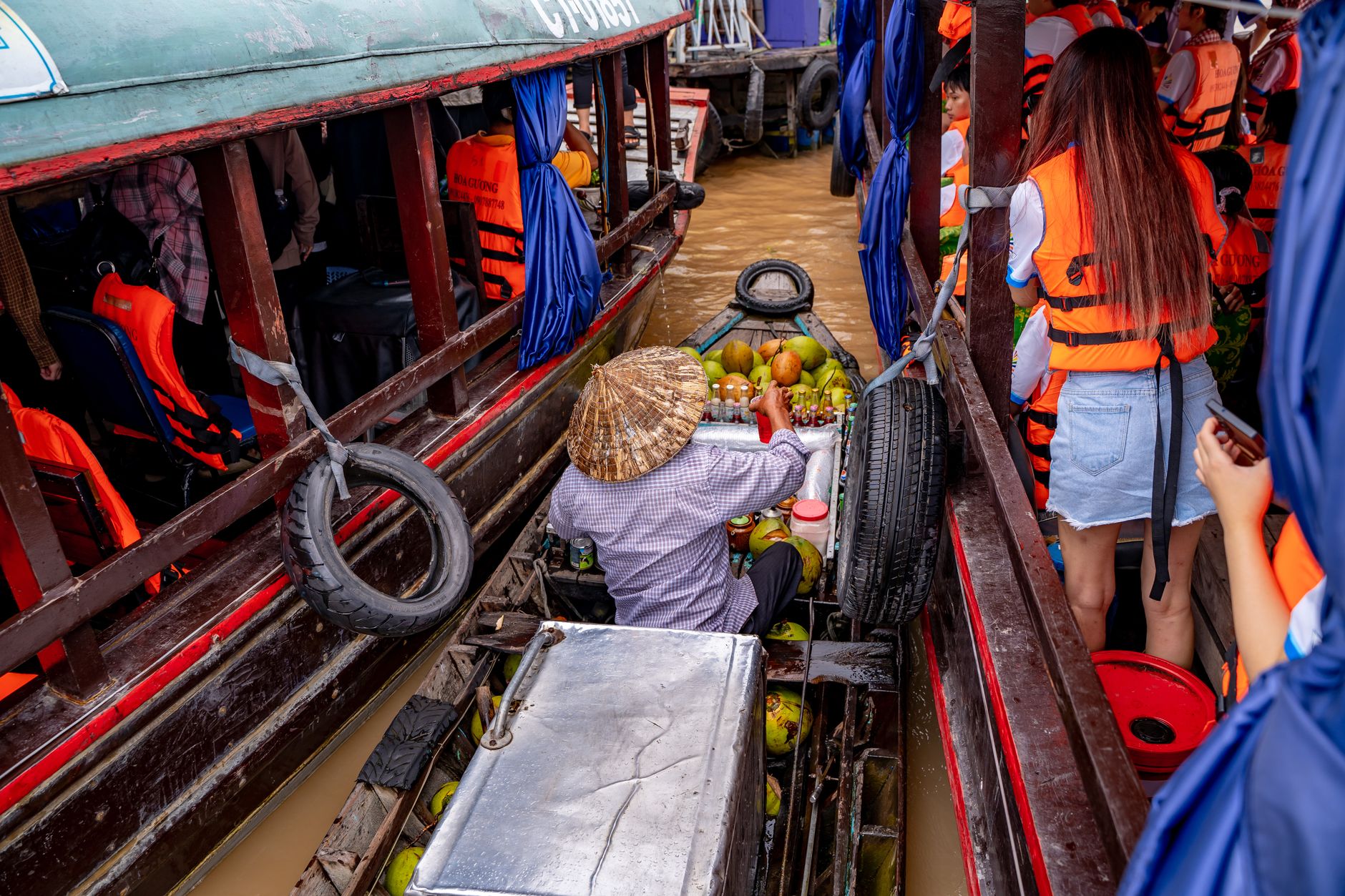
Dong Tam Snake Farm is open daily, typically 7:00–17:00. Confirm hours locally as they can shift. Combine it with a broader Mekong Delta itinerary — My Tho for noodles, Dong Thap for lotus fields, and Can Tho for the floating markets — and you have a solid two or three days in the south.
Last updated · May 29, 2026 · independently researched, never sponsored.