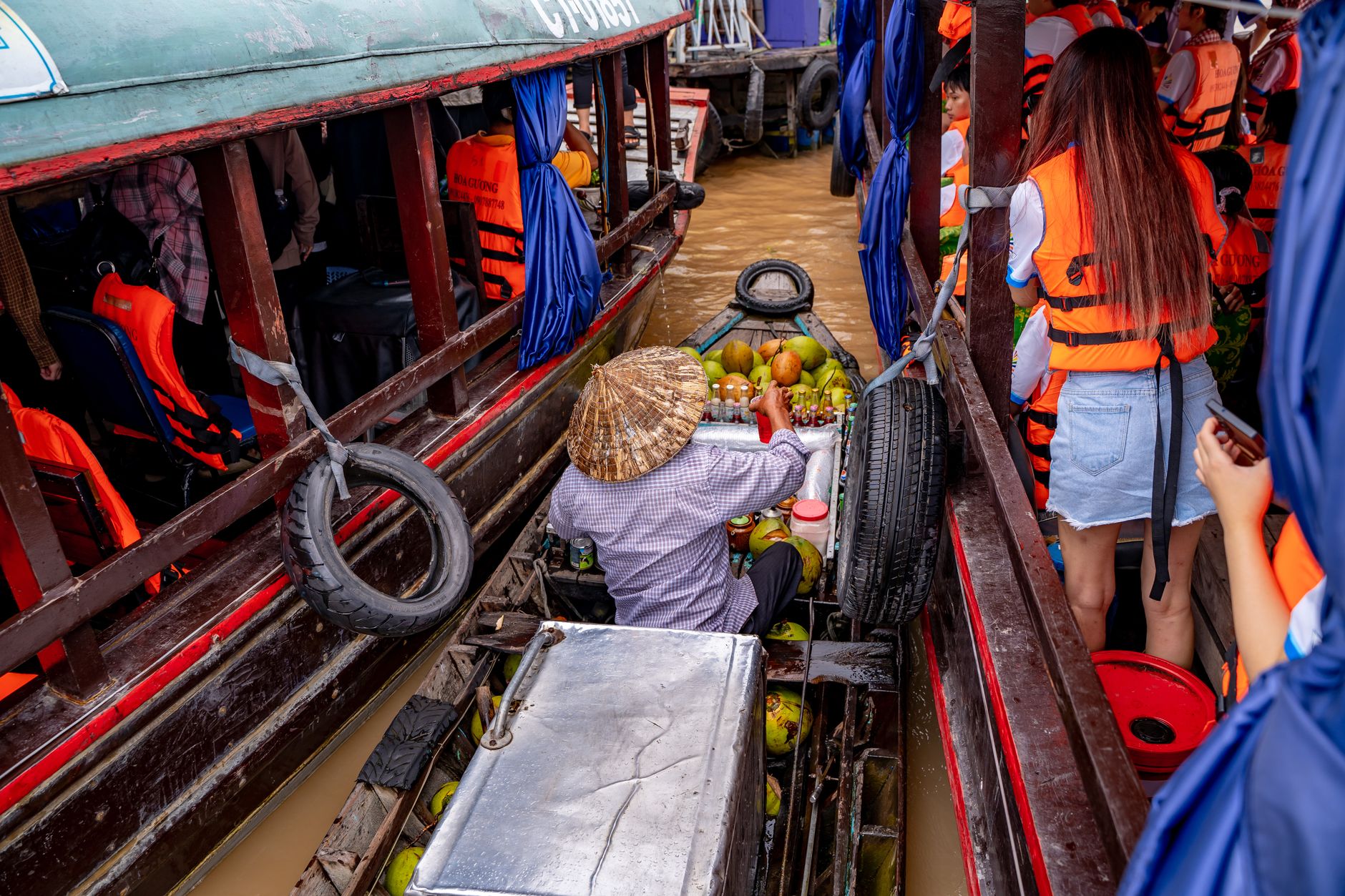
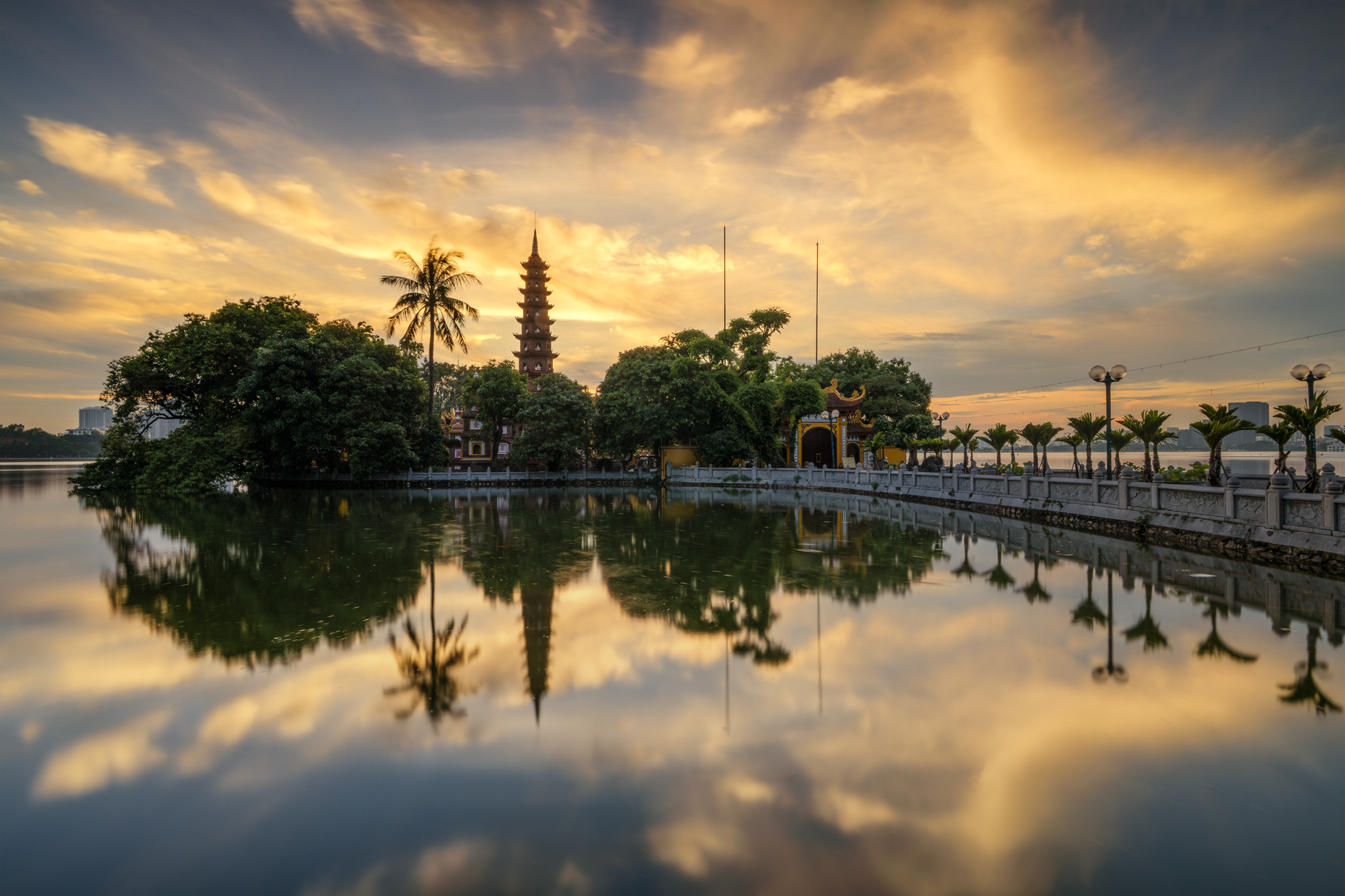
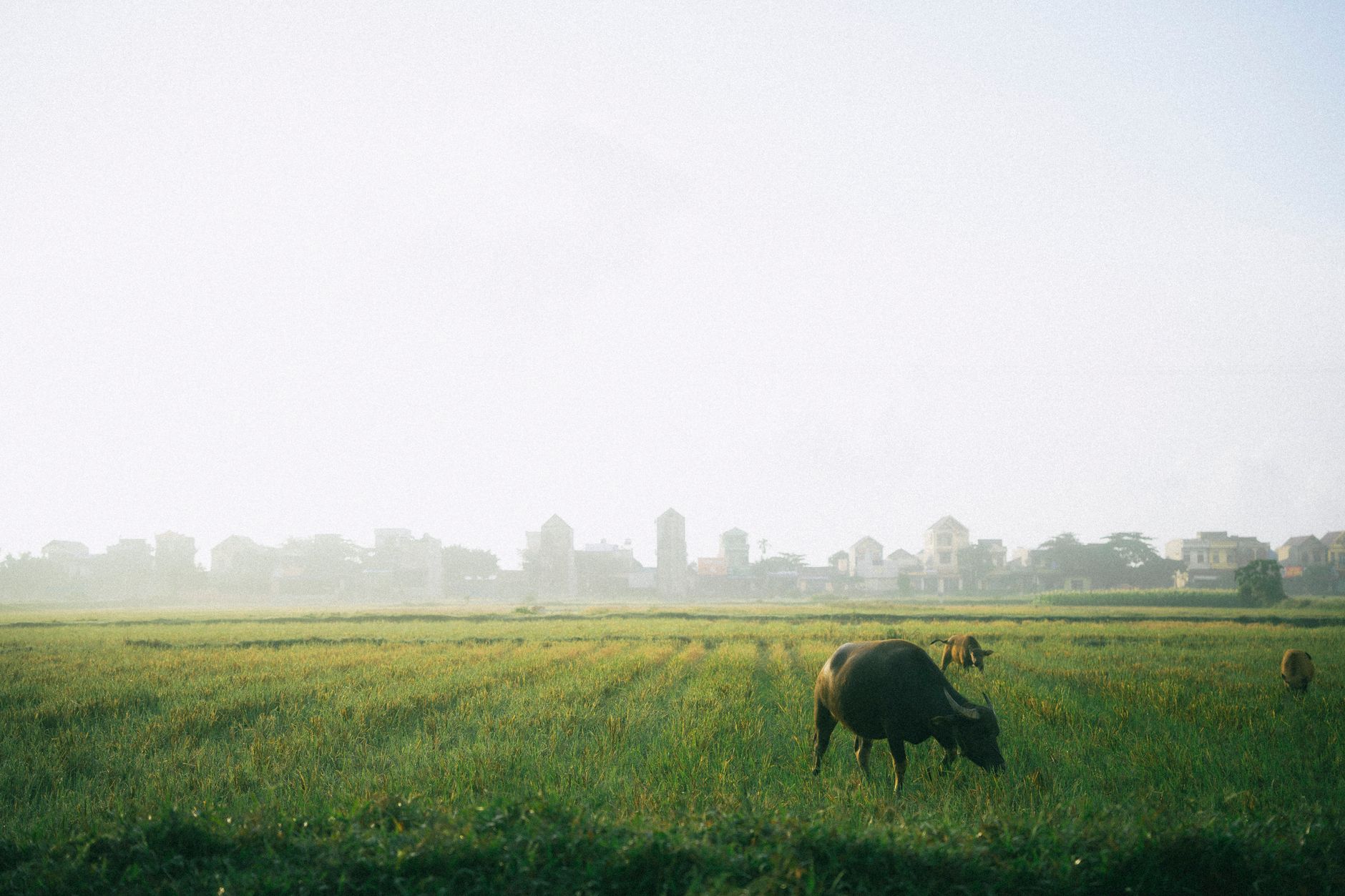
Chua Vinh Trang sits on the outskirts of My Tho city in what is now Dong Thap province, and it's one of the most architecturally unusual pagodas in the Mekong Delta (메콩 델타 / 湄公河三角洲 / メコンデルタ). If you're passing through the region — or making a day trip from Saigon — this is one of the few religious sites down here that genuinely rewards a slow visit.
What it is and how it got here
Chua Vinh Trang was first built in 1849 during the Nguyen Dynasty, though what you see today is mostly the result of renovations from the early 1900s. The pagoda sprawls across about two hectares of land, surrounded by fruit gardens and lotus ponds. What makes it unusual is the collision of architectural styles: the facade blends French colonial flourishes, Roman arches, and Japanese ceramic tile work with traditional Vietnamese Buddhist temple design. It shouldn't work, but somehow it does — the place feels like a time capsule of early 20th-century southern Vietnam (베트남 / 越南 / ベトナム), when cultural influences from half the world were washing through the Mekong Delta at once.
The pagoda is an active place of worship, not a museum. Monks live on the grounds, and locals come regularly to pray. It was classified as a national historical and cultural relic in 1984.
Why travelers go
Most visitors come for three reasons. First, the architecture — the mix of East and West is genuinely rare among Vietnamese pagodas, and the interior woodwork and gilded statues are intricate without feeling overwrought. Second, the grounds themselves are calm and well-kept, a welcome contrast to the noise of My Tho's streets. Third, there's a massive reclining Buddha statue (about 18 meters long) and a towering standing Buddha visible from well outside the temple complex, both added in recent years. Even if you're not particularly interested in Buddhism, the scale of the place is worth the detour.
Best time to visit
The Mekong Delta is hot year-round, but the best window is November through March — the dry season, when humidity drops to something manageable and afternoon downpours are less likely to catch you mid-visit. Mornings before 10 AM are the sweet spot: the light is good for photos, the grounds are quieter, and you'll beat the tour groups that roll in from Saigon around midday.
If you're here during Tet or the Mid-Autumn Festival, the pagoda gets decorated and draws larger crowds. It's lively but packed.
How to get there from Saigon
My Tho is the gateway. From Saigon, you have a few options:
- Bus: Phuong Trang (FUTA) and Thanh Buoi run buses from Mien Tay Bus Station in Saigon to My Tho. The ride takes about 1.5-2 hours depending on traffic. Tickets run 70,000-100,000 VND.
- Motorbike or car: Take the Ho Chi Minh City - Trung Luong Expressway. It's roughly 70 km and takes about 1.5 hours by car, a bit more by bike.
- Day tour: Many Mekong Delta day tours from Saigon include a stop at Chua Vinh Trang. These typically cost 400,000-800,000 VND per person and bundle in a boat trip on the river.
From My Tho bus station, the pagoda is about 3 km north of the city center. A xe om (motorbike taxi) or Grab ride costs around 15,000-25,000 VND.
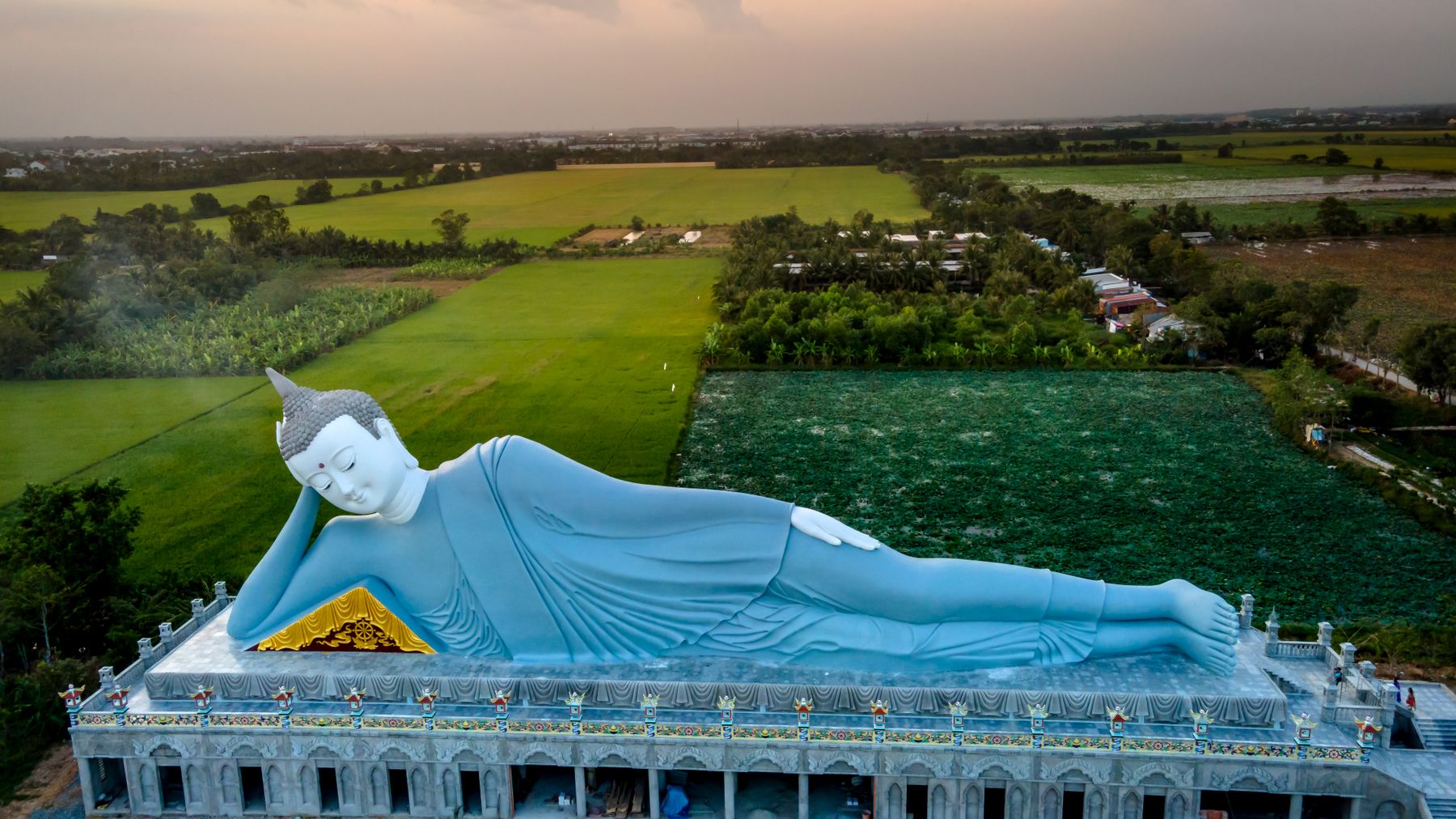
Photo by Quang Nguyen Vinh on Pexels
What to do
Walk the main hall
The central worship hall is where the architectural mashup is most evident. Look up at the ceiling — the woodwork and carvings are detailed, with some pieces dating back over a century. There are around 60 statues inside, including representations of Bodhisattvas and Arhats. Take your time here; it's easy to miss details if you rush.
See the giant Buddha statues
The outdoor reclining Buddha and the standing Amitabha Buddha are the most photographed features. The reclining figure is white, set on a raised platform, and the standing Buddha towers above the tree line. They're relatively new additions but have become the visual identity of the complex.
Explore the gardens and lotus ponds
The grounds behind the main hall are quieter and more interesting than the front courtyard. Old bonsai trees, fruit orchards, and lotus ponds fill the space. If you visit in the early morning, you might see monks tending the gardens.
Check the side halls and ancestor shrines
Smaller halls flanking the main temple house ancestral tablets and additional statues. These rooms are less visited and have a more intimate atmosphere.
Photograph the facade
The front gate and facade are where the French-Vietnamese fusion is most dramatic. The ornamental columns and pastel-colored ceramic inlays look like nothing else in the Delta.
Where to eat nearby
My Tho is famous for "hu tieu" — specifically hu tieu My Tho, a pork-and-shrimp rice noodle soup with a clear, slightly sweet broth. It's different from the Saigon or Phnom Penh versions and worth seeking out. Try the strip of hu tieu shops along Trung Trac Street near the river; a bowl costs around 35,000-50,000 VND.
For something different, look for "banh xeo" at the small stalls in My Tho's central market area. The Mekong Delta version tends to be larger and crispier than what you get up in Saigon, stuffed with shrimp, pork, and bean sprouts.
Where to stay
Most travelers visit Chua Vinh Trang as a day trip from Saigon, but if you want to stay overnight in My Tho:
- Budget: Local guesthouses (nha nghi) near the bus station run 200,000-350,000 VND per night. Basic but clean enough.
- Mid-range: Song Tien Hotel or Chuong Duong Hotel, both near the waterfront, charge around 500,000-800,000 VND. Air conditioning, Wi-Fi, river views from some rooms.
- Homestays: A few Mekong island homestays on Thoi Son island are accessible by boat from My Tho and offer a quieter experience for 300,000-600,000 VND.
Photo by Duy Nguyen on Pexels
Practical tips locals would tell you
- Dress modestly. Shoulders and knees covered. This is an active pagoda, not a tourist attraction with relaxed rules. Scarves or cover-ups are sometimes available at the entrance, but don't count on it.
- Remove shoes before entering any worship hall. Socks are fine.
- Bring cash. There's a donation box inside, and the small vendors outside don't take cards. The nearest ATM is back toward My Tho city center.
- Parking is free for motorbikes and cars just outside the main gate.
- Photography is generally fine in outdoor areas and the main hall, but don't use flash near the altars, and don't pose in front of people praying.
Common mistakes to avoid
- Rushing through. Tour buses give you 30-40 minutes here. That's not enough. Budget at least an hour, ideally 90 minutes, to see the halls, gardens, and outdoor statues properly.
- Skipping the back gardens. Most visitors photograph the big Buddhas, peek inside the main hall, and leave. The rear grounds are the most peaceful part.
- Visiting at midday. Between 11 AM and 2 PM, the heat in the Delta is brutal, and there's limited shade between the outdoor statues. Morning or late afternoon is far more comfortable.
- Confusing the province name. My Tho was formerly in Tien Giang province. Following a recent administrative merger, it now falls under Dong Thap. Maps and older guidebooks may still reference Tien Giang — both are correct depending on the source's date.
Practical notes
Chua Vinh Trang is free to enter and open daily from around 7 AM to 6 PM. It pairs well with a morning boat trip on the Mekong or a wander through My Tho's riverside market. If you're heading deeper into the Delta toward Can Tho, My Tho is a natural first stop — and this pagoda is the best reason to linger before moving on.
Last updated · May 29, 2026 · independently researched, never sponsored.