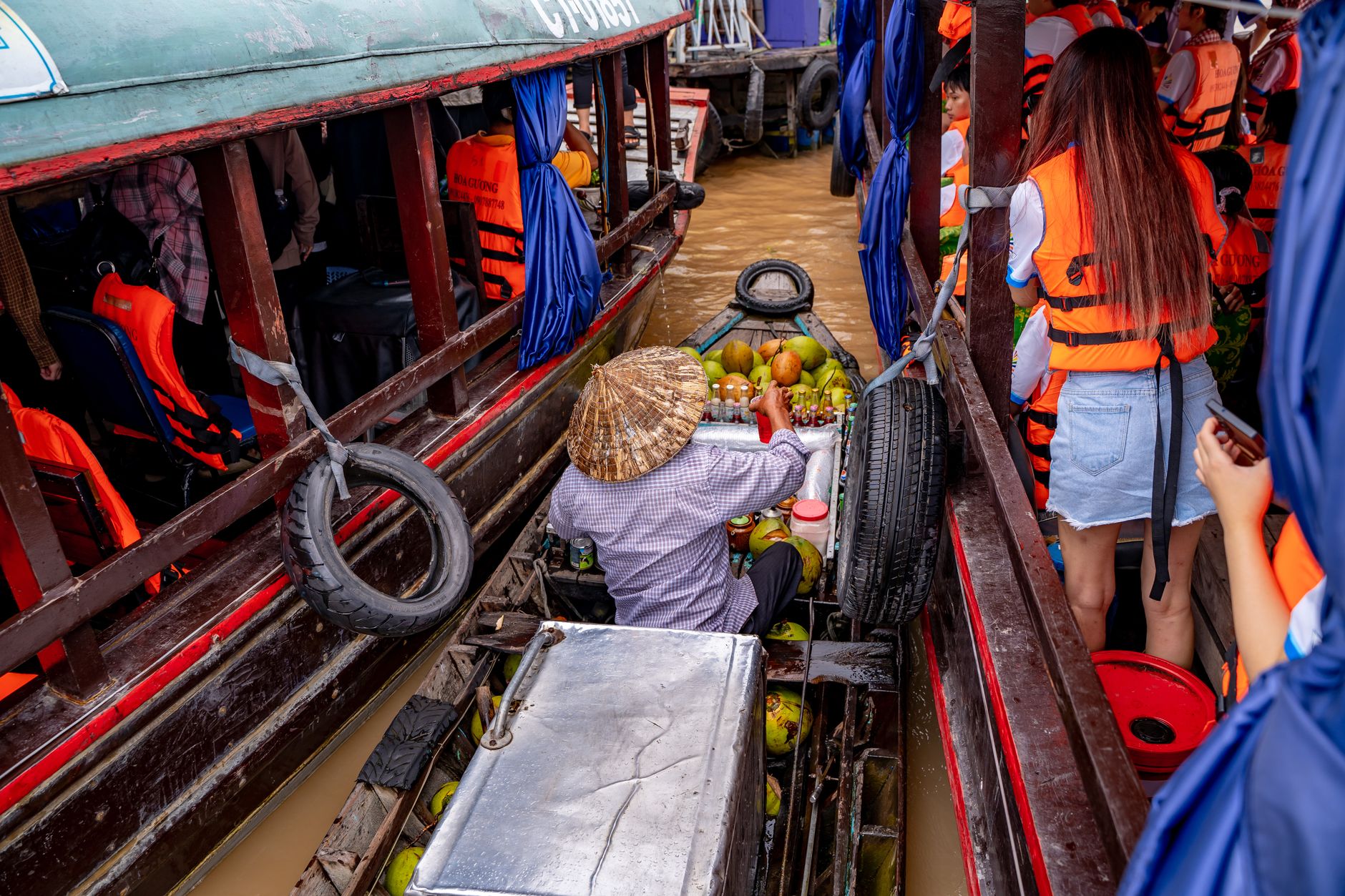
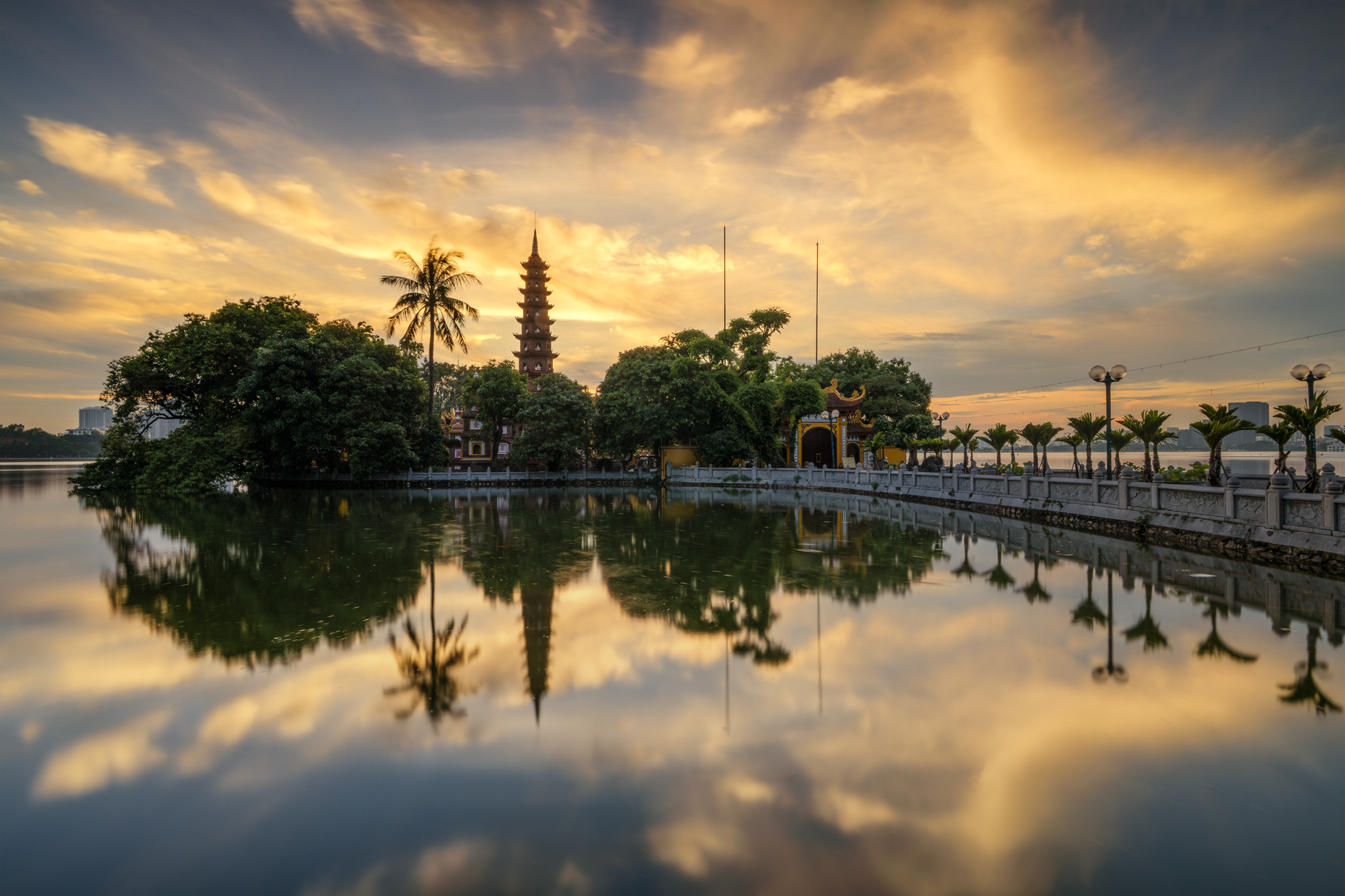
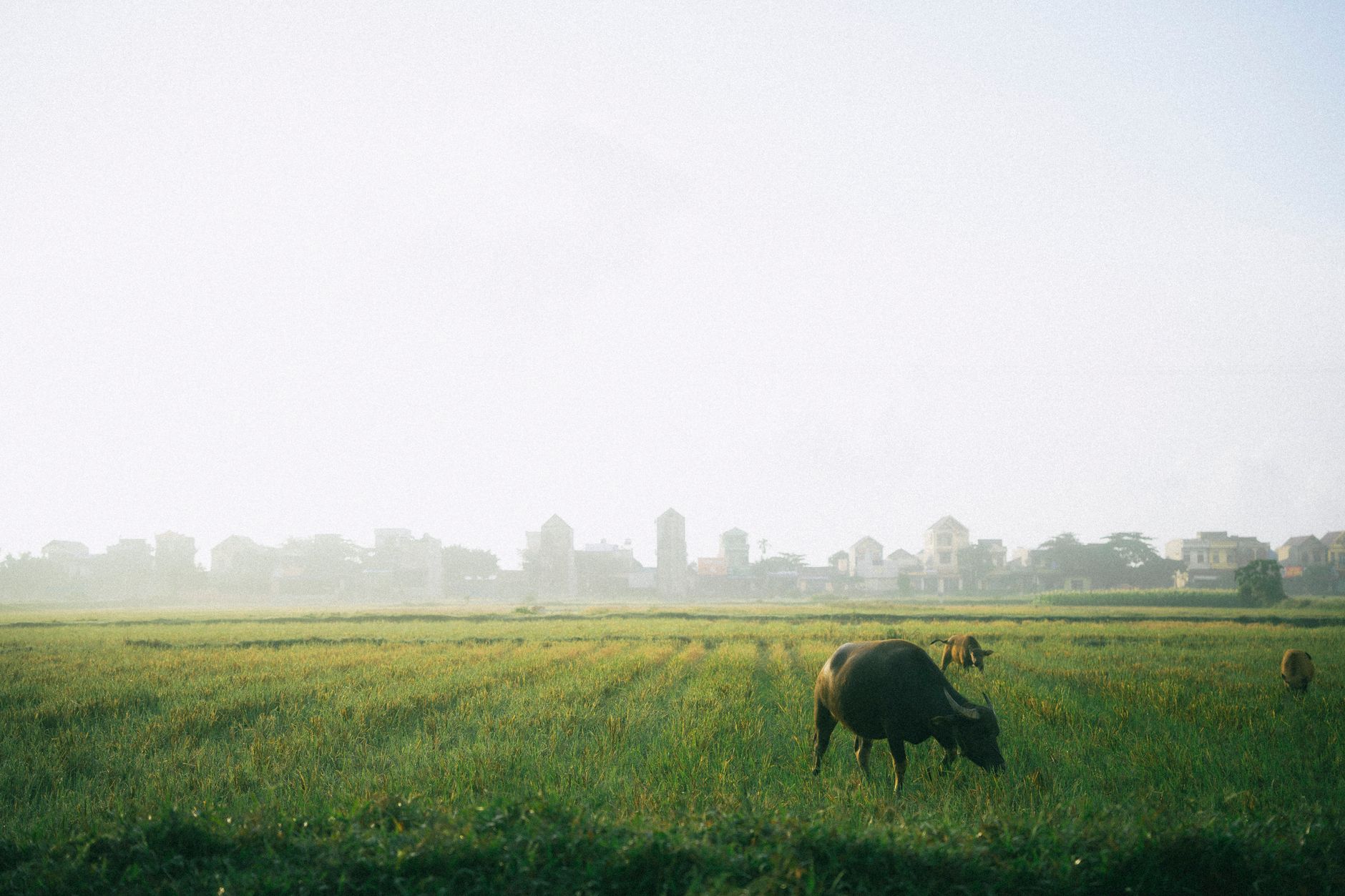
Dong Thap sits in the heart of the Mekong Delta (메콩 델타 / 湄公河三角洲 / メコンデルタ), sandwiched between the Hau River and Cambodia. It's the province most travelers skip — which is exactly why it's worth a detour. There are no temples on international travel-top-ten lists, no beach resorts, and no Instagram-bait architecture. What you get instead: wetland walks, local cooking, and a pace of life that hasn't been optimized for tourists.
Tam Nong Bird Sanctuary
This is the main draw, and rightly so. Tam Nong is a 10,000-hectare wetland reserve about 30 km north of Cao Lanh (the provincial capital). From October to May, migratory birds arrive by the thousands — painted storks, purple herons, Asian openbills, and others. In peak season (November–January), early morning boat rides are electric: the water is glassy, the birds are active, and you'll probably have the whole sanctuary to yourself.
Boats run on fixed schedules from a small dock near the visitor center. The ride costs 150,000–200,000 VND per person for 2–3 hours and includes a guide. Go at dawn. Bring binoculars (the center rents basic ones for 20,000 VND), a hat, and patience. In summer (June–September), bird counts drop sharply; the wetlands become patchy, and the tour feels thin. Skip the season unless you're specifically interested in breeding habitat.
Xuan Phuong Floating Village
About 50 km from Cao Lanh, this is a "village" in the economic sense — people live and work on the water in a cluster of wooden stilt houses, fish farms, and narrow channels. Tourist boat tours are available, but the authentic move is to hire a private longtail boat (ask your hotel, or negotiate with boatmen near the dock). Expect to pay 300,000–500,000 VND for a 2-hour trip for 2–4 people.
You'll pass working fish and shrimp farms, weaving workshops, and small family homes. Some operators have arranged "homestays" where you can eat lunch with a local family — typically "com tam" (broken rice), grilled fish, and vegetables grown in their garden. The food tastes like real Mekong life, not tourist menu engineering. Prices are around 150,000 VND per meal. These homestays are low-key; you're not sleeping here or doing scheduled "cultural performances." It's just eating with people who live there.
Cao Lanh City Center & Mekong Riverside
The capital isn't flashy, but it's a functional base. The riverfront promenade along the Hau River is pleasant at dusk — locals walk, families play badminton, and boats drift past. The Cao Lanh Bridge (finished in 2000) is the main landmark; it's not beautiful, but it's a point of reference.
For eating, the old market (Cho Cao Lanh, near the river) sells fresh produce, fish, and prepared food stalls. A bowl of "hu tieu" (thin tapioca noodles in pork or fish broth) costs 25,000–35,000 VND. There's no "tourist restaurant" scene; you're eating where locals eat. The market closes by early afternoon, so go before 10 a.m.
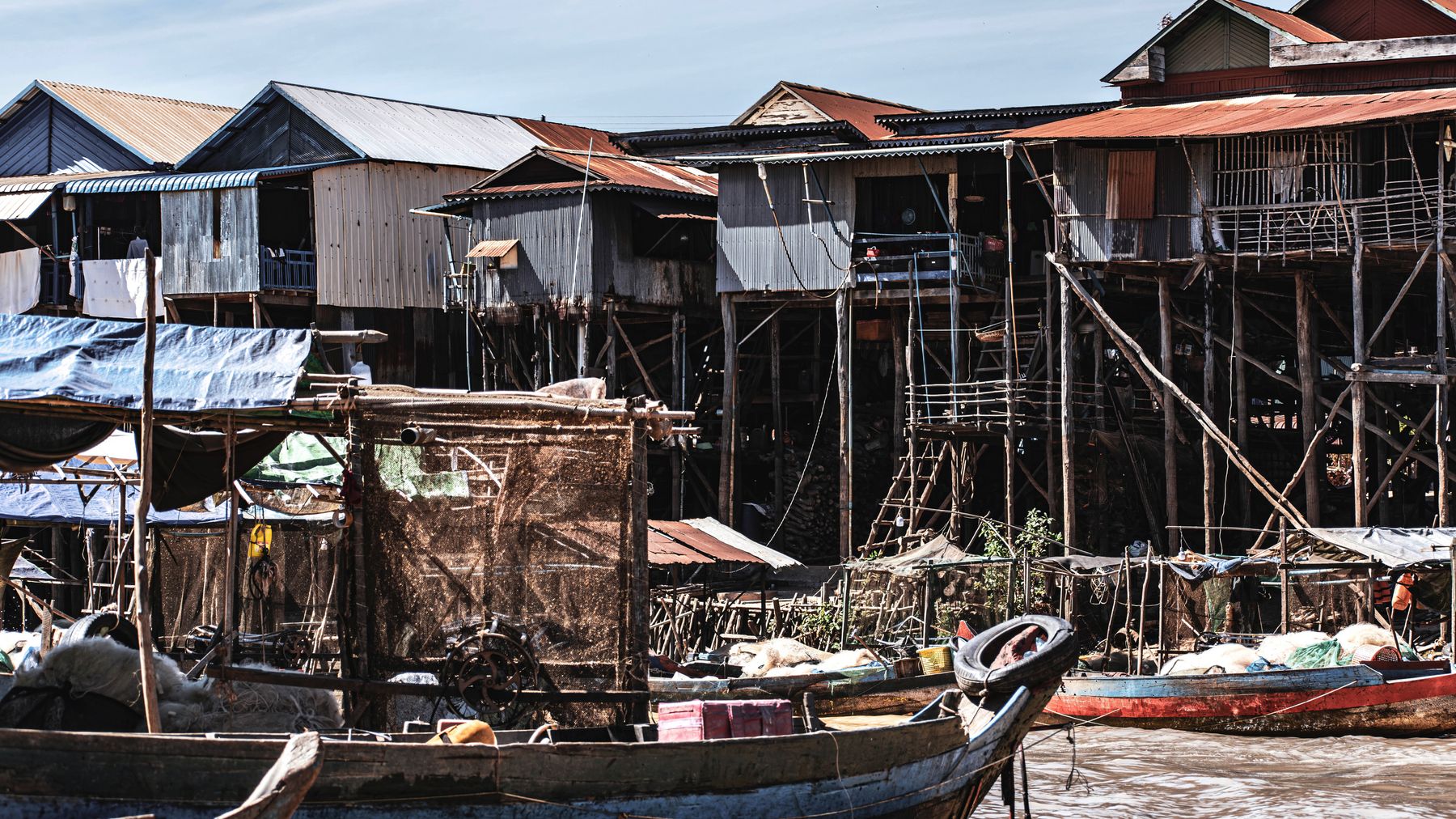
Photo by Karolina on Pexels
Tram Chim National Park
Tram Chim is smaller and more remote than Tam Nong — about 40 km southwest of Cao Lanh. It's a 7,600-hectare reserve managed more strictly, and fewer tour operators run daily trips. In the wet season (May–October), the park floods and becomes a maze of water and reeds; in the dry season, birds congregate heavily around remaining water holes.
Access requires a guide and advance booking (contact the visitor center in Cao Lanh). Entrance is 40,000 VND, plus guide fees (around 200,000 VND for a group). Boat tours are 2–3 hours. The birdlife rivals Tam Nong, but the infrastructure is thinner — fewer tourists, harder logistics, more authentic wetland experience. Go if you have time and flexibility; skip if you're rushing through the Delta on a fixed schedule.
Dong Thap Museum (Cao Lanh)
A small provincial museum in the city center with exhibits on Mekong natural history, local crafts, and war-era artifacts. Entrance is 30,000 VND. The museum is worth 45 minutes if you want context on the province's ecology and economy; it's skippable if you're short on time. No English labels, so hiring a guide for 100,000–150,000 VND (2 hours) adds value if you speak limited Vietnamese.
Homestays & Agritourism
Several family-run homestays operate in rural Dong Thap, mostly around Thanh Binh District (45 km west of Cao Lanh). These are working farms — mango orchards, rice paddies, fish ponds — where you stay in a basic guesthouse, help with chores (feeding animals, harvesting), and eat meals with the family. Prices run 200,000–400,000 VND per night, including breakfast and dinner. They're low-comfort, genuine, and popular with backpackers seeking "authentic" experiences.
The best ones are arranged through guesthouses in Cao Lanh or Can Tho; walk-in drop-ins are possible but risky. Book ahead. These homestays close or reduce rooms in the wet season (heavy flooding from July–September).

Photo by Dang vu hai on Pexels
Fruit Orchards
Dong Thap grows mangoes, tangerines, and coconuts. Organized orchard visits (pick-your-own, eat-at-the-farm) run 150,000–250,000 VND per person, usually 3–4 hours. Peak fruit season is April–June for mangoes. The experience is seasonal and weather-dependent; in rain, orchards become muddy and unpleasant. Summer orchards are best; winter ones feel thin.
What to Skip
Don't spend a full day in Cao Lanh city itself—there's not enough to justify it. Skip tourist "boat markets" near Cao Lanh; they're staged morning markets with prices inflated for tours. If you want an authentic floating market, go to Can Tho (껀터 / 芹苴 / カントー) (larger, more genuine). Tran An village, often listed in guidebooks, is underwhelming—it's a riverside hamlet with no real attractions, just boat-ride padding.
Avoid Dong Thap in the wet season (July–September) unless bird-watching is your sole purpose. Heavy rain floods roads, ruins countryside visibility, and makes boat tours uncomfortable. Homestays operate on reduced schedules. May–June and October–November are sweet spots: the weather is warm but not sodden, and bird activity is strong.
Practical Notes
Cao Lanh is 190 km southwest of Saigon (about 3 hours by car) and 75 km east of Can Tho. Buses run regularly from Saigon's Mien Tay terminal (5 hours, 80,000–120,000 VND). There's a small airport in Cao Lanh, but commercial flights are rare; fly to Can Tho and take a van over.
Getting around: rent a motorbike (200,000 VND/day) or hire a driver (600,000–800,000 VND/day for a full day trip). English is limited outside Cao Lanh; download Google Translate offline and bring a phone charger. ATMs are reliable in Cao Lanh but scarce elsewhere. Best to withdraw cash before heading to villages.
Stay 2–3 days: one for Tam Nong, one for a homestay or village boat ride, one for flexibility. Dong Thap rewards slow travel, not rushing.
Last updated · May 29, 2026 · independently researched, never sponsored.