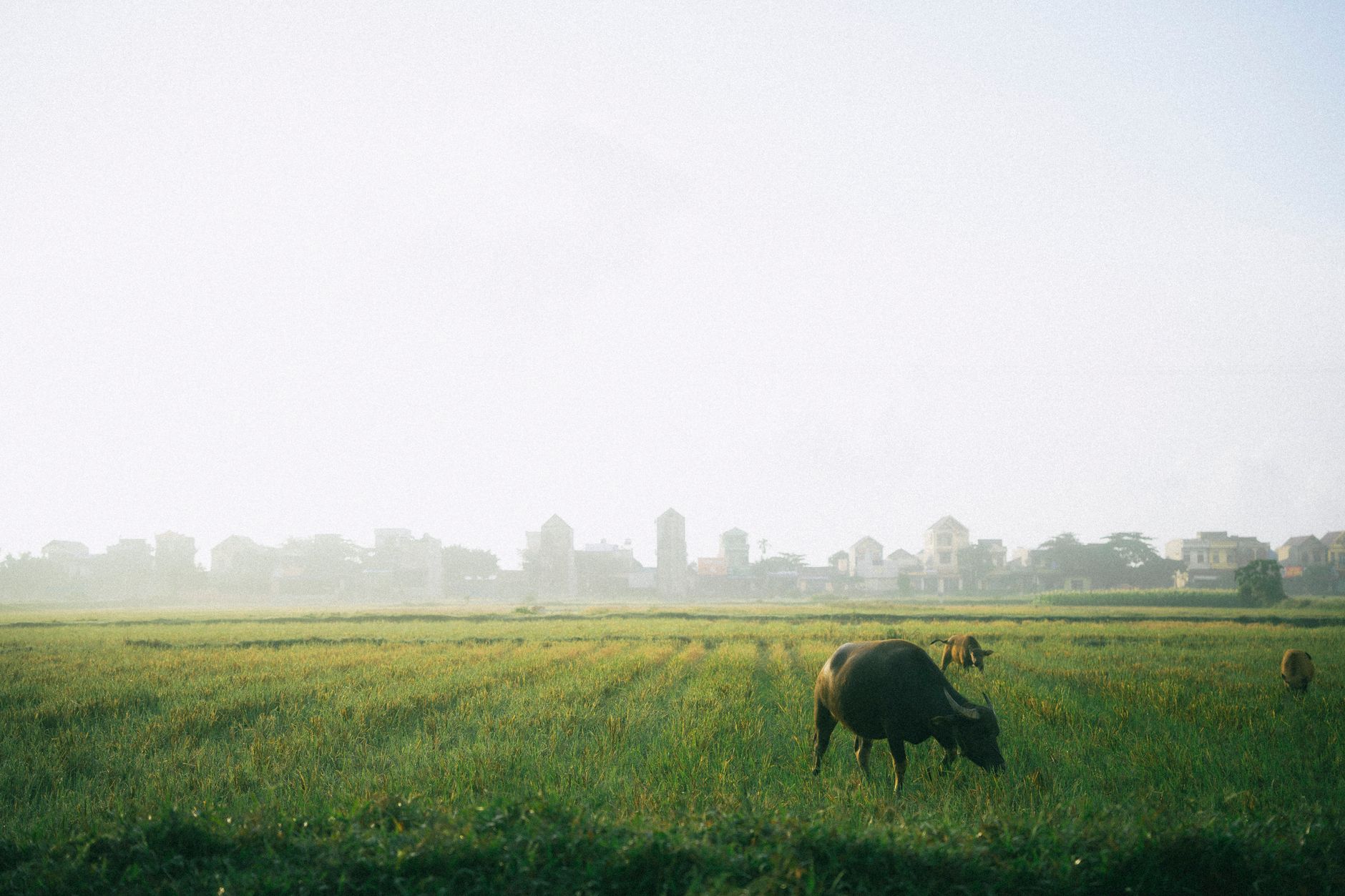
Dong Thap Museum (Bao Tang Dong Thap) sits on Nguyen Thai Hoc Street in Cao Lanh, the provincial capital of Dong Thap. It's not a place that makes international bucket lists, and that's precisely why it's worth a stop — you'll likely have the galleries to yourself, and you'll leave understanding the Mekong Delta (메콩 델타 / 湄公河三角洲 / メコンデルタ) as more than just floating markets and rice paddies.
What it is and how it got here
The museum opened in the mid-1990s and was renovated in the 2010s with updated displays across two floors. It covers three broad threads: the natural history of Dong Thap Muoi (the Plain of Reeds), the cultural life of the delta's communities, and the region's role during wartime. The natural history section is genuinely good — dioramas of wetland ecosystems, taxidermied birds from Tram Chim National Park, and maps showing how seasonal flooding shaped everything from agriculture to architecture in the province. The cultural exhibits include Sa Dec ceramics, traditional fishing tools, and examples of "don ca tai tu" musical instruments — the southern folk music tradition that's still performed at gatherings across the delta.
Admission is free. The museum is open Tuesday through Sunday, typically 7:30–11:00 and 13:30–17:00 (closed Mondays). Expect Vietnamese-language signage with some English captions on major exhibits.
Why travelers go
Most people passing through Cao Lanh are on their way to Tram Chim or the Sa Dec flower villages. The museum gives context to both. If you visit Tram Chim and wonder why the "sarus crane" is such a big deal locally, the museum explains the ecology. If you're heading to Sa Dec and want to understand the ceramics tradition, there's a section on that too. It's a two-hour visit that makes the rest of Dong Thap province click into place.
It also functions as a cool refuge — literally. Cao Lanh runs hot, and the air-conditioned galleries are a reasonable midday escape.
Best time to visit
Dong Thap is best from November through March, when the flood season has receded and temperatures are slightly more manageable (28–32°C versus 35°C+ in April). If you're combining the museum with Tram Chim National Park, aim for December to February — that's peak season for migratory birds, including the red-headed cranes. The Sa Dec flower villages peak in the weeks before Tet, usually late January or early February, which makes that window ideal for a combined trip.
Avoid May through October unless you enjoy afternoon downpours and flooded roads.
How to get there from Saigon
Cao Lanh is roughly 165 km southwest of Saigon.
By bus
Buses run from Saigon (사이공 / 西贡 / サイゴン)'s Mien Tay bus station to Cao Lanh bus station. The trip takes about 3–3.5 hours depending on traffic. Phuong Trang (Futa Bus) and Thanh Buoi both operate this route. Expect to pay 120,000–150,000 VND one way. From Cao Lanh bus station, the museum is about 2 km — a 15,000 VND xe om ride or a short walk if the heat cooperates.
By motorbike
The ride from Saigon takes 4–5 hours via National Highway 1A and then cutting south through Long An. It's flat delta riding — no mountain passes, but the traffic through Long An province is dense with trucks. Not a bad ride if you're comfortable with Vietnamese highway traffic.
From Can Tho
If you're already in Can Tho, Cao Lanh is about 85 km north, roughly 2 hours by bus or motorbike. Buses cost around 60,000–80,000 VND.

Photo by Duy Nguyen on Pexels
What to do at the museum
Walk the natural history gallery
The ground floor's wetland ecology section is the highlight. The dioramas of Dong Thap Muoi's flooded forests are detailed, and the bird displays — especially the sarus crane section — are well done. If you're planning a Tram Chim visit, this is essential pre-reading.
Study the Sa Dec ceramics collection
Sa Dec has produced pottery and ceramics for generations, and the museum has a small but well-curated selection. Look for the glazed water jars and the older pieces with Chinese-influenced patterns — they tell the story of trade routes through the delta.
Check the ethnographic displays
Traditional fishing nets, rice-farming tools, sampan models, and examples of delta house construction on stilts. It's a practical look at how people adapted to living in a landscape that floods for months every year.
Spend time in the outdoor courtyard
The museum grounds have a few military artifacts (artillery, a helicopter) and shaded benches. It's a decent spot to sit and review your notes or plan the rest of your day.
Where to eat nearby
Cao Lanh's food scene is underrated. Within walking distance of the museum:
- "Hu tieu" Cao Lanh style — the local noodle soup uses a pork-and-dried-shrimp broth that's sweeter and lighter than the Saigon version. Several stalls along Nguyen Hue Street serve it for 30,000–40,000 VND a bowl. Ask for extra fried shallots.
- "Banh xeo" Dong Thap — the delta version is oversized, stuffed with shrimp and bean sprouts, and eaten wrapped in herbs and mustard greens. Look for stalls near the Cao Lanh market. A plate runs 25,000–35,000 VND.
Where to stay
Cao Lanh has a handful of hotels and guesthouses but nothing approaching resort territory.
- Budget: Nha nghi (guesthouses) near the market area run 200,000–350,000 VND/night. Basic but clean, with air conditioning and hot water.
- Mid-range: Song Tra Hotel and Hoa Binh Hotel offer decent rooms for 400,000–700,000 VND/night. Both are within a few kilometers of the museum.
- Higher end: Xanh Dong Thap Hotel is the closest thing to upscale in Cao Lanh, at around 800,000–1,200,000 VND/night.
Book directly or via booking apps — walk-in rates are usually the same.

Photo by Quang Nguyen Vinh on Pexels
Practical tips locals would tell you
- Bring a translation app. English-speaking staff are rare. Google Translate's camera mode works on most signage.
- Visit in the morning. The museum is quieter and cooler before 10:00. Afternoon visits coincide with school groups.
- Combine with Tram Chim. The national park is 45 km west of Cao Lanh. Hire a local driver for the day (around 500,000–700,000 VND round trip) and do both.
- Carry cash. Card payment is uncommon in Cao Lanh outside the bigger hotels.
Mistakes to avoid
- Skipping the museum because it's "just a provincial museum." The natural history section alone justifies the visit, especially before Tram Chim.
- Visiting on a Monday. It's closed. This catches more people than you'd expect.
- Underestimating the heat. Cao Lanh is one of the hotter spots in the delta. Sunscreen, water, a hat — the basics, but people forget.
- Rushing through to Can Tho. Dong Thap province deserves at least one full day. The Sa Dec flower villages, Xeo Quyt mangrove forest, and Tram Chim are all within day-trip range of Cao Lanh.
Practical notes
Dong Thap Museum is a low-key stop that pays off if you're spending any time in the western Mekong Delta. It's free, it's air-conditioned, and it makes the rest of the province make sense. Pair it with a morning bowl of hu tieu and an afternoon at Tram Chim, and you've got one of the better days you can have south of Saigon.
Last updated · May 29, 2026 · independently researched, never sponsored.