The Central Highlands (중부 고원 / 中部高原 / 中部高原) feel removed from the coastal tourist circuit — fewer motorbikes, more red soil, and a haze of wood smoke at dusk. This five-day loop covers three provinces and moves at a slower pace than the standard north-south itinerary. You'll visit coffee farms at origin, stay in towns where English isn't expected, and eat dishes shaped by Bahnar and Ede cuisine alongside Vietnamese staples.
Day 1 — Buon Ma Thuot: Arriving and the Coffee Market
Start in Buon Ma Thuot (also Dak Lak's provincial capital), reachable by bus from Hanoi (24 hours) or a one-hour flight from Saigon. The town sits at around 500 meters elevation, cool enough that mornings feel almost cold after the lowland heat.
Arrive early and head straight to Buon Ma Thuot Coffee Market (Tran Hung Dao Street, near the river). This is the real market — not a tourist site — where traders buy and sell robusta beans. You'll see samples displayed in burlap sacks, smell the roast, and watch auction-style dealings. Come before 9 a.m. when the action peaks. Entry is free; a local guide (ask at your hotel) costs around 200,000 VND for two hours.
Lunch at a local com tam spot on Tran Hung Dao; "com tam" (broken rice) is the working meal here, served with pork skin, fried eggs, and a salty omelet. Expect 40,000–50,000 VND.
Spend the afternoon at the Dak Lak Museum (Quang Trung Street), a straightforward colonial-era building with exhibits on Ede and Bahnar material culture, French rubber plantations, and the region's role in the American war. Admission is 40,000 VND. The labels are in Vietnamese and English.
Day 2 — Buon Ma Thuot: Coffee Farms and Trung Nguyen Village
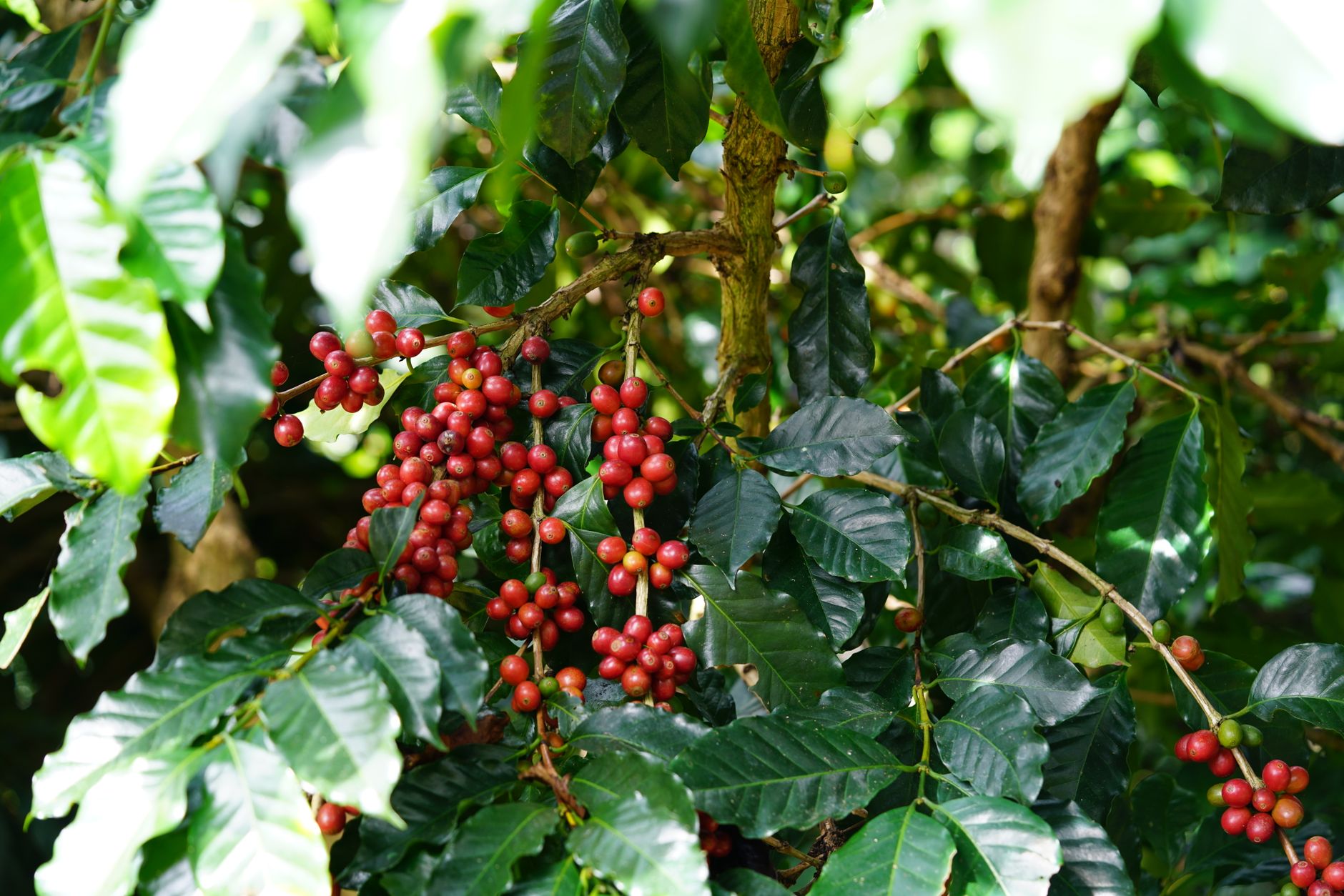
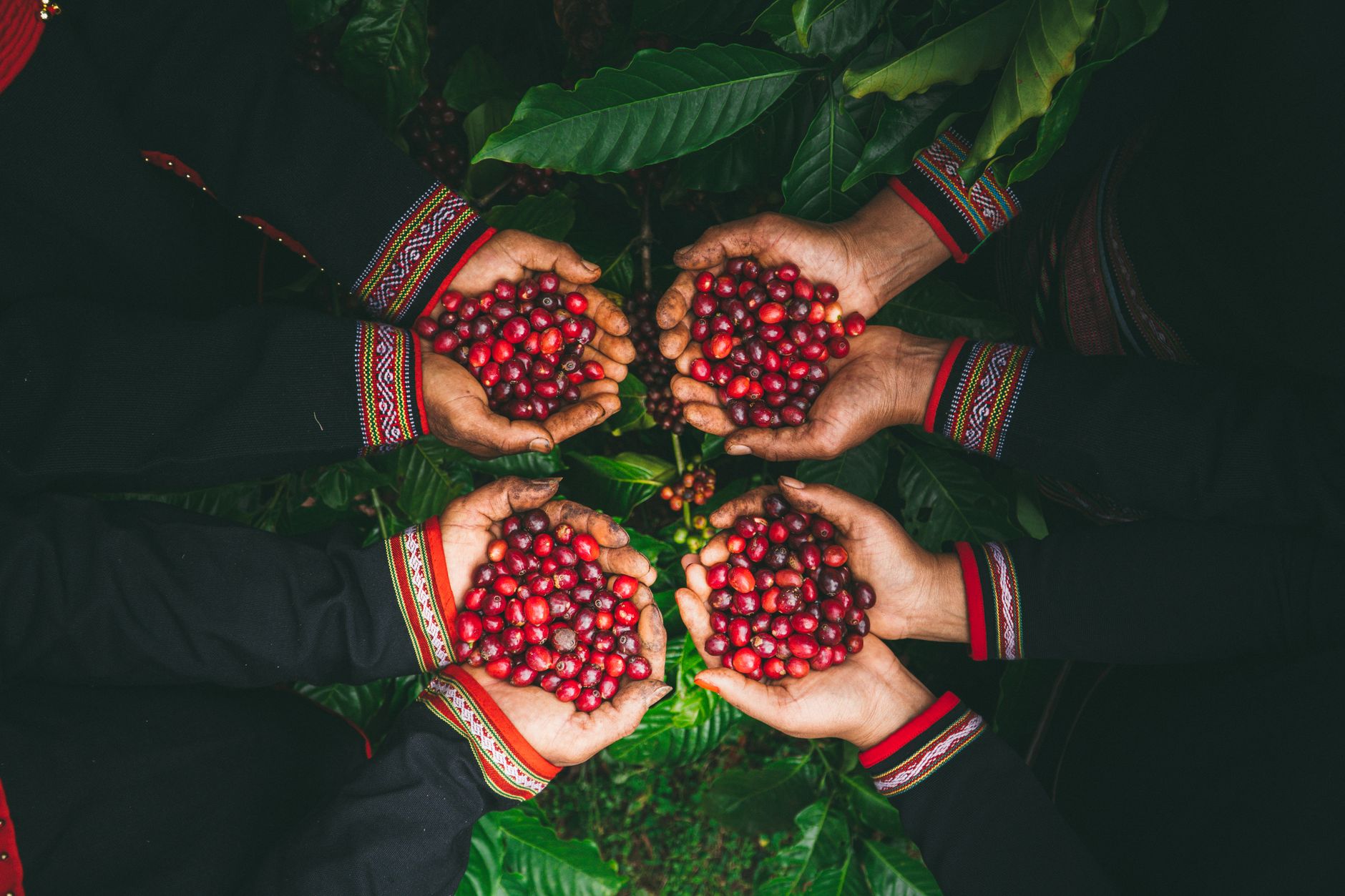
Book a guided coffee-farm tour for the morning. Most hotels can arrange this; expect 400,000–600,000 VND per person (4–5 hours) including a driver and guide. You'll visit a private robusta plantation in the red volcanic soil typical of Dak Lak, see trees at different stages of growth, taste fresh coffee cherries, and watch a small-scale wet-mill operation.
Bypass the heavily packaged Trung Nguyen Coffee Village (30 km south of Buon Ma Thuot) if you dislike theme-park cafe setups. But if you're curious about how a major Vietnamese coffee brand sells itself, the visit is harmless — the park includes a pagoda, a small museum, and a "coffee palace" with sweeping grounds. Admission is 150,000 VND; budget two hours. A taxi from Buon Ma Thuot costs 300,000–400,000 VND round-trip.
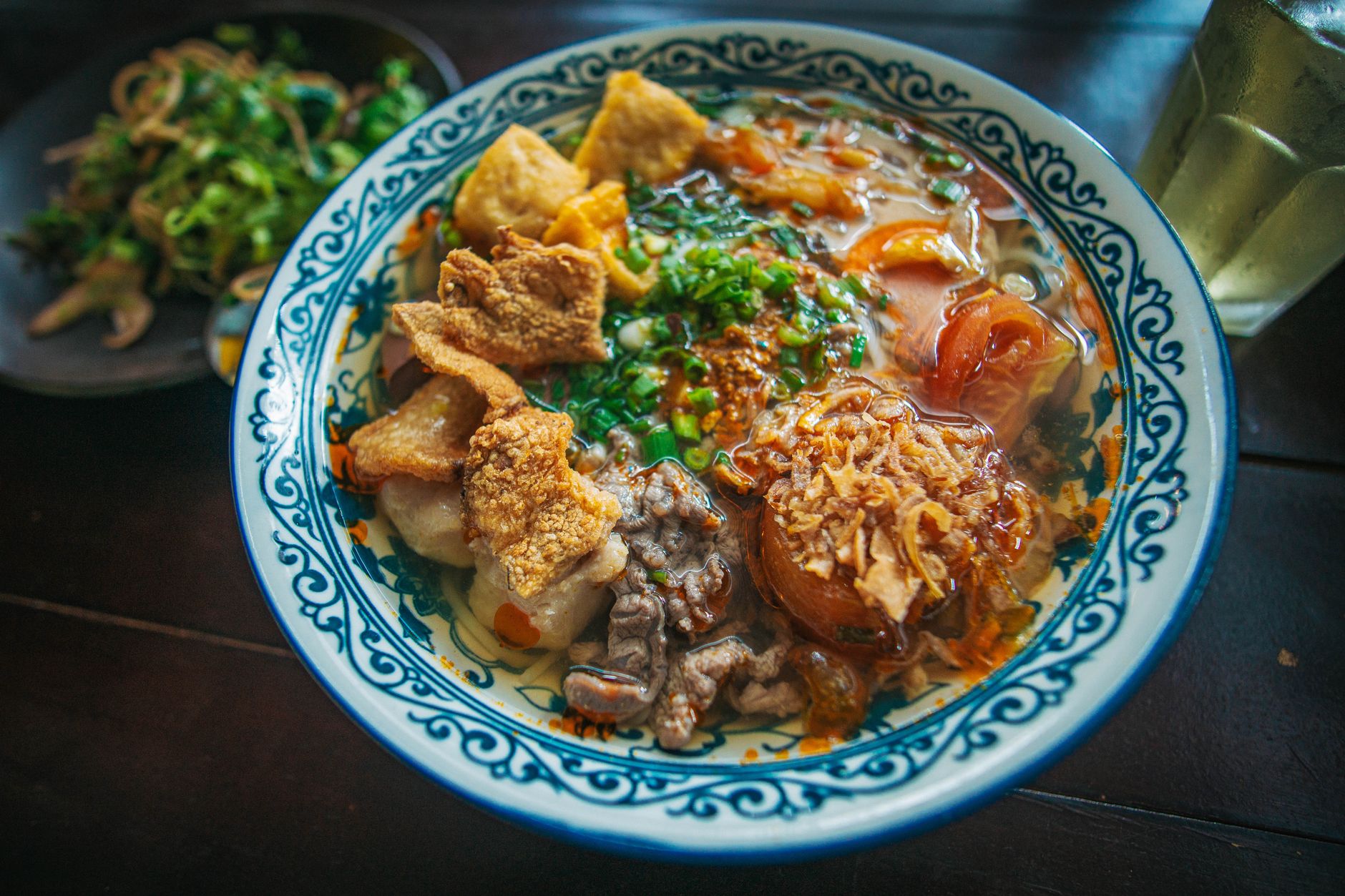
Return to town for dinner. Try a local "lau" (hot pot) restaurant on Ly Thuong Kiet Street; beef lau with vegetables and broth runs 150,000–200,000 VND per person, and it's warming after a day in the hills.

Image by [Tycho] via Wikimedia Commons (CC BY-SA)
Day 3 — Pleiku: Yaly Waterfall and Plei Phun Village
Drive north to Pleiku (Gia Lai province), roughly 2.5 hours (115 km) from Buon Ma Thuot. The landscape shifts: more forested, fewer plantations, visible minority villages with wooden houses on stilts.
Stop at Yaly Waterfall (30 km northeast of Pleiku on the road toward Kon Tum) if weather allows. It's a modest cascade best visited in the wet season (May–October); admission is 20,000 VND, and locals can guide you down to pools suitable for swimming. Allow 1.5 hours.
Visit Plei Phun village, a Jrai settlement about 20 km south of Pleiku. Unlike packaged "ethnographic tours," Plei Phun is a working village where families live in traditional wooden longhouses. A homestay arrangement (book through your hotel or via Airbnb; 300,000–500,000 VND per night) includes dinner and breakfast cooked by your host family. If you don't stay overnight, a two-hour visit with a local guide costs 150,000–200,000 VND. You'll see rice paddies, a communal gathering space, and hear about Jrai oral traditions and seasonal festivals.
Dine in Pleiku town (central market area near Hung Vuong Street) on "banh mi" — the Vietnamese sandwich, sold at corner stalls for 25,000–30,000 VND — or seek out a restaurant serving grilled chicken with fish sauce and lime, a regional favorite.
Day 4 — Kon Tum: Wooden Church and Bahnar Houses
Continue north to Kon Tum (another 90 km, 2 hours by car). Kon Tum is the smallest and slowest of the three towns, with a population under 200,000 and a noticeable quiet in the afternoons.
Visit the Wooden Church (Nha Tho Kon Tum), built in 1913 by French missionaries. It's a narrow, timber-framed building on a hill near the Dak Bla River, with a simple interior, tall windows, and a cruciform roof. The church is still active; knock politely before entering. Admission is free. A short walk uphill (10 minutes from the town center) takes you to Kon Tum Tower, a French-era structure with a view over the town and river.
Spend the afternoon visiting Bahnar communal houses ("nha rong"). Several villages on the outskirts have well-preserved examples: Kon Koro (about 5 km south) and Kon Jo Ri (8 km east) are accessible by motorbike or arranged minibus. Each house is a massive wooden structure, built without nails, with a steeply pitched roof and a sleeping platform for single men and unmarried women during certain seasons. Guides (arrange through your hotel; 250,000–350,000 VND for 3 hours) explain the architectural purpose and the village social system.
Dine on "hu tieu" (clear pork broth with rice noodles, tapioca, and offal) at a stall near Xuan Phuong Market — considered a specialty of Kon Tum. Cost: 40,000–50,000 VND.

Image by [Tycho] talk , http://shansov.net via Wikimedia Commons (CC BY-SA)
Day 5 — Yok Don National Park and Return
Yok Don National Park lies 40 km southwest of Kon Tum and straddles the border with Cambodia. It's one of Vietnam's largest protected forests, home to wild elephants, gaur, and over 200 bird species. Most visitors spend a half-day here.
Book a park tour through your hotel the previous evening; the park entrance is at Ban Don, and a ranger-led trek into the forest (morning, 3–4 hours) costs 250,000–400,000 VND per person, depending on group size. The landscape is dense evergreen forest and grassland; expect to see tracks and droppings rather than animals themselves. The park also offers elephant rides (controversial; many travelers skip them), visits to minority villages within park boundaries, and a small museum at the visitor center.
After the morning trek, you have two options: return to Kon Tum and fly or bus back to Hanoi/Saigon the same day, or stay another night and depart on Day 6. Most flights and long-haul buses leave in the afternoon or evening, so leaving Kon Tum by 4 p.m. on Day 5 works if your transport is already booked.
For lunch before departure, try a simple rice and grilled fish meal at a roadside restaurant near the park entrance (30,000–50,000 VND).
Frequently Asked Questions
How do you get to Buon Ma Thuot from Hanoi or Saigon?
From Saigon, a direct flight takes about one hour. From Hanoi, the bus journey runs approximately 24 hours. Once in Buon Ma Thuot, the town sits at around 500 meters elevation, making mornings noticeably cooler than the coastal lowlands. Most hotels can arrange onward transport or tours to nearby coffee farms and the Dak Lak Museum on Quang Trung Street.
What does a coffee farm tour in Buon Ma Thuot typically cost and include?
Most hotels in Buon Ma Thuot can book a guided coffee-farm tour for 400,000–600,000 VND per person, covering 4–5 hours with a driver and guide. Tours visit a private robusta plantation grown in the red volcanic soil of Dak Lak, show trees at different growth stages, let you taste fresh coffee cherries, and include a look at a small-scale wet-mill operation. The Buon Ma Thuot Coffee Market on Tran Hung Dao Street is free to enter separately.
When is the best time to visit Yaly Waterfall near Pleiku?
Yaly Waterfall, located 30 km northeast of Pleiku on the road toward Kon Tum, is best visited during the wet season from May through October, when water flow is strongest. Admission is 20,000 VND, and local guides can direct you to pools suitable for swimming. Allow around 1.5 hours for the stop. Pleiku itself sits roughly 115 km north of Buon Ma Thuot, about a 2.5-hour drive.
Practical Notes
Book accommodations in Buon Ma Thuot and Kon Tum in advance; mid-range hotels (Dakbla Hotel in Kon Tum, Dakpri Hotel in Buon Ma Thuot) cost 300,000–500,000 VND per night. Pleiku has fewer tourist beds; homestays in nearby villages are a better bet. Rent a motorbike or hire a driver for the duration (minibus rental: 1.5–2 million VND for five days, split among passengers). Mobile networks are solid; grab a Viettel or Mobifone SIM at any phone shop. Vietnamese coffee is mandatory here — try a simple "ca phe sua da (연유커피 / 越南冰咖啡 / ベトナムアイスコーヒー)" (iced coffee with sweetened condensed milk) at any cafe, 20,000–30,000 VND.
Last updated · May 26, 2026 · independently researched, never sponsored.