Northwest Vietnam (베트남 / 越南 / ベトナム) is where the mountains start to feel serious. This five-day itinerary threads Mai Chau, Sapa, and Ha Giang together — the trio that defines mountain travel in the north. It's a loop, so you won't backtrack, and the route works because overnight buses handle most of the distance.
Day 1 — Mai Chau Homestay
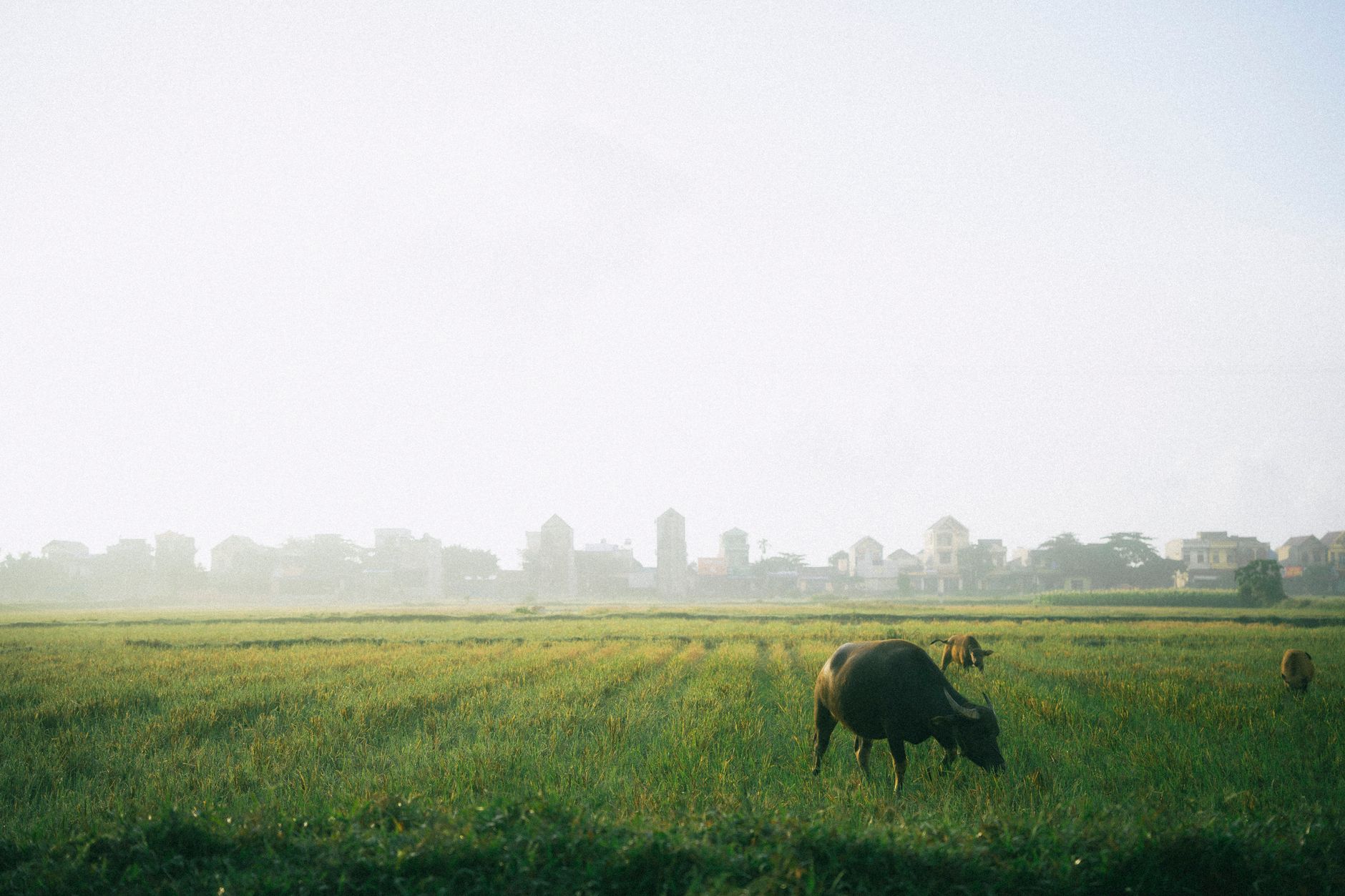
Start here, not Hanoi. Drive 140 km southwest from Hanoi to Mai Chau (about 3 hours). You'll skip the city grind entirely and land in a valley fringed by limestone ridges and rice paddies where the Tay and White Thai communities live.
Check into a homestay in the village itself — don't stay at a resort outside it. The difference is real: you'll sleep in a wooden house, eat what the family cooks, and leave by 6 a.m. to walk rice fields before heat sets in. Expect a simple room, a squat toilet, and a thermos of hot water. Cost is 150,000–250,000 VND (USD 6–10) including dinner and breakfast. Meals are "banh chung"-adjacent sticky rice with vegetables, sour broth, sometimes grilled fish.
Afternoon: trek 6–8 km through paddies and villages. The paths are obvious; you don't need a guide. Stop at a tea plantation or visit a weaving workshop where Tay women work traditional looms. By sunset, you'll be tired and hungry, which is the point.
Evening: sit on the homestay's balcony, drink weak oolong tea, and watch the valley dim. No WiFi. No agenda. Sleep early.
Day 2 — Sleeper Bus to Sapa
Drive back to Hanoi (3 hours, early morning). You'll reach the city around midday. Grab lunch near your bus station—a small "pho" or "banh mi" shop will do—then board a sleeper bus bound for Sapa at 5 or 6 p.m.
Sleeper buses are a fixture of Vietnamese travel: bunk-style beds stacked in a coach, air-con cranked hard, everyone horizontal. The ride takes 6 hours. You will not sleep well. That's normal. Bring earplugs, wear layers (the AC is punishing), and resign yourself to being half-awake, half-dreaming all night.
Arrive in Sapa around midnight or 1 a.m. Don't panic. Walk to your hotel (they're clustered near the bus station) and collapse. Sleep 5–6 hours. Cost: ~350,000 VND (USD 14) for a basic sleeper bed.

*Image by Anthony22 (talk).
Original uploader was Anthony22 at en.wik via Wikimedia Commons (CC BY-SA)*
Day 3 — Sapa Trekking
Wake at 7 a.m., eat breakfast at your hotel or a street cafe (strong "Vietnamese coffee" with condensed milk, or eggs and bread), and meet a trekking guide by 8 a.m.
Sapa (사파 / 沙坝 / サパ) is built for trekking. The town sits at 1,600 m elevation, and the valleys below are layered with terraced rice fields and ethnic minority villages. A standard full-day trek runs 10–14 km and includes Tay or Hmong hamlets, stream crossings, and lunch cooked by your guide's family. Cost is around 300,000–400,000 VND per person (USD 12–16) for a two-person minimum, often cheaper in groups.
The most popular route drops from Sapa Market down to Fansipan Tea Plantation, crosses through Cat Cat village, and loops back via rice paddies. It's well-trodden but not boring—the viewlines are long, and the families you meet are genuine, not a staged performance.
Skip the Fansipan cable car. At USD 25 for a round trip, it's overpriced, crowded, and defeats the purpose. The mountain is best approached on foot or simply left unclimbed.
Return to town by 4 p.m., shower, and have dinner at a rooftop restaurant overlooking the valley. Expect simple Vietnamese fare: "bun cha", grilled fish, stir-fried greens. Most meals cost 80,000–150,000 VND (USD 3–6).
Day 4 — Sapa to Ha Giang: Loop Start
The Ha Giang Loop is a 300 km motorcycle circuit through the most remote district in Vietnam. Most travelers hire a motorbike and driver for two days (USD 25–40 per day) or rent a bike solo (USD 8–12 per day) if experienced. We'll assume a driver here—safer and allows you to focus on the roads and views.
Drive 150 km northeast from Sapa to Ha Giang Town (4–5 hours, stopping for lunch). The road climbs from Sapa valley through karst formations and small towns, then opens into flatter, drier terrain. Ha Giang Province sits at the far northern border; it feels like a frontier.
Arrive early afternoon. Check into a basic hotel in Ha Giang Town (200,000–400,000 VND / USD 8–16). Eat dinner nearby—"hu tieu" (clear tapioca noodle soup) or "banh canh" (tapioca cake in soup) are local staples.
Early evening: scout the town center. It's small—a market, a river, some cafes. Locals are used to tourists but not overrun by them. Get an early night; tomorrow is long.

Image by Martin2035 via Wikimedia Commons (CC BY-SA)
Day 5 — Ha Giang Loop (Highlights)
This is the loop's showcase day. Start at 6 a.m. and drive the northern arc: Ha Giang Town → Dong Van → Meo Vac → Yen Minh → Ha Giang Town. Total distance: 150 km; total time: 8–9 hours with stops.
Key stops:
Dong Van. A small town perched on a ridge. Stop for coffee or "ca phe sua da" (iced coffee with condensed milk) and walk the Sunday Market if you're there on a weekend (though it's shrinking). The market sold livestock and mountain produce historically; now it's mostly a tourist draw, but the energy is still present.
Meo Vac. Higher elevation, cooler air, karst peaks. A Hmong village spreads below the town. Walk down for an hour or two; the paths are signed. Eat lunch here at a small restaurant—simple stir-fried vegetables, rice, maybe grilled chicken.
Yen Minh. Drive through; it's less dramatic. Stop at Tham Mong (a cave overlook) if you have time and energy.
The unnamed passes. The real beauty is the roads themselves: Pu San Pass and Pu Ng Pass offer 360-degree vistas of limestone and jungle. Stop often. Descend slowly. Take photos that flatten the depth but capture the vertigo anyway.
Return to Ha Giang Town by 5 p.m. You'll be exhausted—the roads are winding, the air is thin, and you've taken in 200 km of unrelenting mountain landscape. Dinner is whatever is near your hotel.
If you have evening energy, visit Ha Giang's night market (a small street food alley open 6 p.m. onward) and eat "banh chung" or sticky rice rolls sold from carts.
Frequently Asked Questions
How far is Mai Chau from Hanoi and how do I get there?
Mai Chau is 140 km southwest of Hanoi, roughly a 3-hour drive. There is no direct train, so most travelers rent a motorbike, book a private car, or join a shared minibus from Hanoi. Arriving directly on Day 1 skips the city entirely and puts you in the valley the same afternoon, leaving time for an afternoon trek before your homestay dinner.
What does a homestay in Mai Chau actually cost and include?
A village homestay in Mai Chau costs 150,000 to 250,000 VND (about USD 6 to 10) per night and includes dinner and breakfast. You sleep in a wooden house, share a squat toilet, and eat meals cooked by the family — typically sticky rice with vegetables, sour broth, and sometimes grilled fish. Staying inside the village rather than at an outside resort gives a noticeably different experience.
When should I book a sleeper bus from Hanoi to Sapa?
Book the 5 or 6 p.m. departure from Hanoi to arrive in Sapa around midnight or 1 a.m., giving you a full Day 3 for trekking. A basic sleeper bed costs around 350,000 VND (USD 14). Bring earplugs and warm layers — the air conditioning runs extremely cold and the 6-hour ride rarely allows deep sleep.
Practical Notes
Getting out: From Ha Giang, fly south flights exist but are rare and expensive; more practical to drive back to Hanoi, 5 hours, and fly from there). Or continue northeast into Cao Bang Province for a longer loop.
Cost summary: 5-day total is roughly USD 100–150 per person (homestay, sleeper bus, guide fees, motorbike, meals, hotels), excluding flights to/from Hanoi and within Vietnam.
Best time: September–November (cool, clear) or March–April (spring bloom, warm but not scorching). Avoid June–August (hot, wet) and December–February (cold, fog in Sapa obscures views).
Last updated · May 29, 2026 · independently researched, never sponsored.