What Dao Co Chi Lang Nam actually is
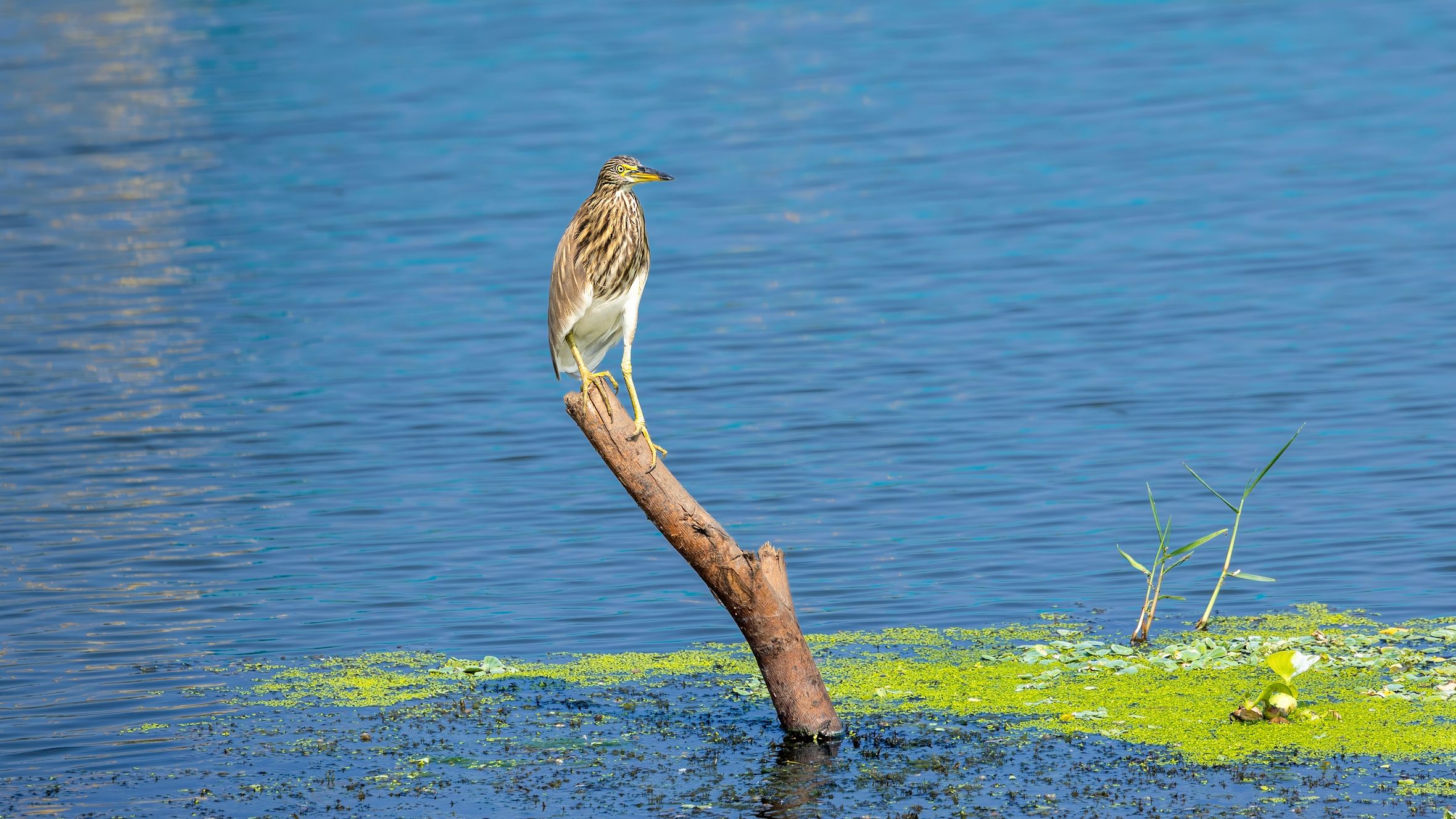
Dao Co Chi Lang Nam is a small island in the middle of a freshwater lake in what was formerly Hai Duong province, now part of the expanded Hai Phong administrative area following a provincial boundary merger. The island sits within Chi Lang Nam commune, Thanh Mien district, and it functions as a natural bird sanctuary — no fences, no cages, no zoo infrastructure. Thousands of herons, storks, cormorants, and egrets nest here year-round, with populations swelling dramatically during breeding season.
The island covers roughly 3.5 hectares, densely packed with old banyan and longan trees. Locals have protected the bird colony here for decades, treating the island as communal ecological heritage long before any official conservation label was attached. It's one of the largest natural heron colonies in northern Vietnam (베트남 / 越南 / ベトナム), and unlike more commercialized wildlife sites, Dao Co Chi Lang Nam still feels like a place that belongs to the birds first and visitors second.
Why travelers go
This isn't a beach destination or a resort island. People come here for one thing: the birds. At peak season, the sky above the island turns into a slow-moving swirl of white and grey wings. The noise is constant — a layered chorus of calls that you hear before you even reach the water's edge.
For birdwatchers, it's one of the more accessible colonies in the north without the tourist infrastructure (and crowds) of somewhere like Thung Nham in Ninh Binh (닌빈 / 宁平 / ニンビン). For photographers, the golden hour light hitting thousands of birds returning to roost is genuinely dramatic. For everyone else, it's a quiet half-day trip that feels worlds away from the industrial sprawl of Hai Phong city.
Best time to visit
The sweet spot is April through September, which aligns with breeding season. Bird numbers peak between May and July — this is when you'll see the densest nesting activity, chicks in various stages of growth, and the most dramatic evening fly-ins as adults return to feed their young.
Early morning (before 7:00 AM) and late afternoon (after 4:00 PM) are the best windows. Midday is hot, the birds are mostly settled, and the light is flat. If you only have one window, choose late afternoon — the return-to-roost hour between 5:00 and 6:00 PM is when the island comes alive.
Avoid December through February. Many migratory species have left, the resident population thins out, and grey winter skies make the whole scene look bleak.

Photo by Quân Thiều Quang on Pexels
How to get there from Hai Phong
From central Hai Phong, Dao Co Chi Lang Nam is about 45 km southwest, roughly a 1-hour drive depending on traffic.
By motorbike: The most practical option. Head southwest on QL10 toward Thanh Mien. The road is flat and straightforward — this is delta country, no mountain passes. Follow signs toward Chi Lang Nam commune. Fuel cost round-trip runs about 40,000–60,000 VND.
By car or taxi: A Grab car from Hai Phong center runs approximately 250,000–350,000 VND one way. Negotiate a round-trip with waiting time if you go this route — you won't find many ride-hailing options for the return from a rural commune.
By bus: Local buses run toward Thanh Mien district from Hai Phong's bus stations, but schedules are irregular and you'll still need a xe om (motorbike taxi) for the final stretch to the lake. This adds complexity without saving much money.
Once you reach the lake, local boatmen ferry visitors to observation points near the island. Boat rides cost around 50,000–100,000 VND per person, depending on group size and how long you want to stay on the water.
What to do
Watch the evening roost
Time your visit so you're on the water by 4:30 PM. The boatman will position you at a respectful distance from the island — close enough to see individual nests, far enough not to disturb the colony. As the sun drops, waves of birds start arriving. It builds gradually, then suddenly the sky is full. Bring binoculars if you have them.
Walk the lakeshore path
A dirt path traces part of the lake perimeter. It's flat, easy walking, and gives you different vantage points of the island. Some sections have basic observation platforms. The walk takes 30–40 minutes at a slow pace and is a good way to fill time while waiting for the golden hour.
Talk to the local guardians
The families living near the lake have been informal custodians of the bird colony for generations. If you speak some Vietnamese — or travel with someone who does — ask them about the island's history. You'll hear stories about how the colony nearly disappeared during lean years and how the community chose to protect it. It adds a layer of meaning that a sign board can't replicate.
Photograph from the boat
A telephoto lens (200mm or longer) is ideal. The boat rocks gently, so a faster shutter speed helps. The boatmen are used to photographers and will try to keep the boat steady if you ask. Early morning mist on the lake makes for moody wide shots even without a long lens.
Visit the surrounding delta countryside
The drive through Thanh Mien district passes rice paddies, lotus ponds, and small villages that look unchanged in decades. If you're on a motorbike, stop at a roadside "quan com" (rice shop) for lunch. The area around Chi Lang Nam grows good lotus — if you visit in June or July, the ponds are in full bloom.
Where to eat nearby
There are no restaurants on the island itself. In Thanh Mien town, small rice shops serve standard northern Vietnamese fare — "com binh dan" (everyday rice plates) with pork, tofu, greens, and broth for 35,000–50,000 VND.
The area is known for freshwater fish. Ask for "ca kho to" (clay-pot braised fish) — it's a delta staple done well here, using fish pulled from local ponds. Pair it with a plate of "rau muong xao toi" (morning glory with garlic) and rice.
If you're heading back toward Hai Phong, the city has a strong food scene. Hai Phong-style "banh mi" is its own thing — the bread is crispier, the fillings heavier on pate — and the city's signature "banh da cua" (crab noodle soup with red rice noodles) is worth a dedicated stop.

Photo by Wei86 Travel on Pexels
Where to stay
Most visitors treat Dao Co Chi Lang Nam as a day trip from Hai Phong, which has a full range of hotels:
- Budget: Guesthouses and mini-hotels near the city center run 200,000–400,000 VND/night.
- Mid-range: Clean business hotels with air conditioning and breakfast go for 500,000–900,000 VND/night.
- Higher-end: A few international-brand hotels sit near the waterfront, from 1,200,000 VND/night up.
There's no meaningful accommodation in Thanh Mien district aimed at tourists. If you want to catch both sunrise and sunset at the lake, you'd need to stay at a local "nha nghi" (basic guesthouse) — functional but bare-bones, around 150,000–250,000 VND.
Practical tips
- Bring insect repellent. A lake surrounded by trees and bird droppings means mosquitoes, especially at dusk — exactly when you want to be there.
- Wear a hat you don't love. Bird droppings from above are a real possibility on the boat.
- Keep noise down. The boatmen will tell you this, but it bears repeating. Loud voices and sudden movements can spook nesting birds. This isn't a theme park.
- Carry cash. There are no ATMs near the lake. Boatmen, food stalls, and any entrance fees are cash-only.
- Sunscreen before you arrive. There's no shade on the boat.
Common mistakes to avoid
Showing up at midday. You'll see a quiet island with barely any bird activity and wonder what the fuss is about. Timing is everything here.
Not confirming boat availability. On weekdays outside peak season, boatmen may not be waiting at the dock. Ask your hotel in Hai Phong to call ahead, or arrive early enough to find someone.
Expecting a polished eco-tourism experience. There's no visitor center, no English signage, no gift shop. The infrastructure is a boat, a path, and the birds. That's the point — but adjust your expectations accordingly.
Skipping Hai Phong itself. The city gets overlooked by travelers racing to Ha Long Bay or Cat Ba, but it has genuine character — French colonial architecture, excellent street food, and a port-city energy that's more relaxed than Hanoi.
Last updated · Jun 1, 2026 · independently researched, never sponsored.






