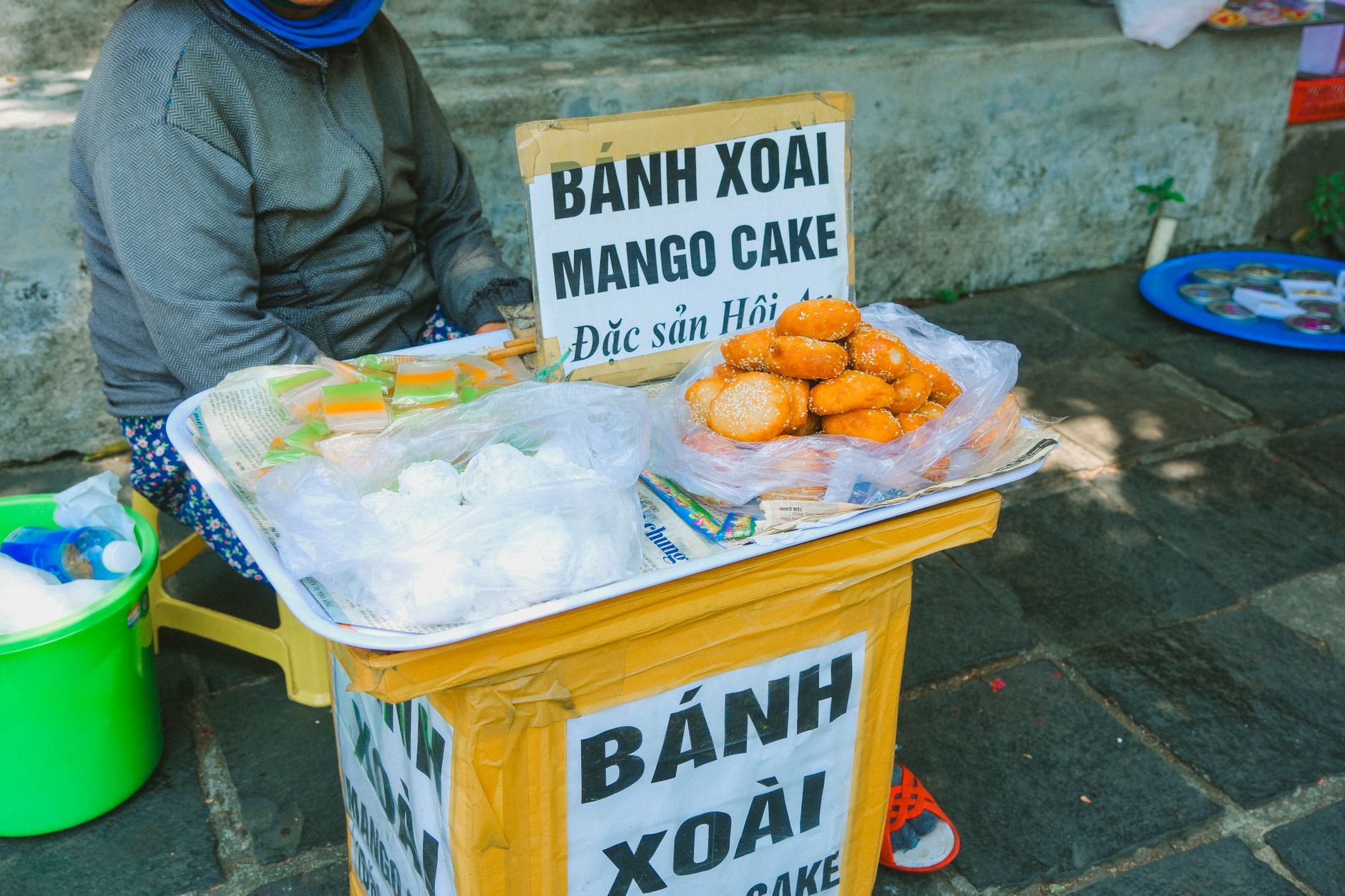
Hai Phong feeds itself quietly. While the port city has a handful of well-documented restaurants, its real eating culture lives in unmarked alleys, wet market corners, and front-room kitchens where the cook has been doing the same dish for thirty years and has zero interest in a QR code.
If you show up with a map app and a shortlist, you'll miss almost all of it.
Why Hai Phong's Best Stalls Stay Off the Radar
Hai Phong is not a heavy tourist city. It doesn't have Hoi An's heritage-district foot traffic or Hanoi's backpacker corridor to push local food onto international review platforms. Most vendors here cook for their neighbors — office workers, dock workers, students — and they've never needed anyone from outside the ward to find them.
The result is a food scene that's genuinely local in a way that's becoming rare in northern Vietnam (베트남 / 越南 / ベトナム). No laminated English menus. No tourist pricing. A bowl of "bun ca" (rice vermicelli with fish) in a Hai Phong alley still runs 25,000–35,000 VND. A plate of "banh mi" with pate and cha lua costs 15,000 VND from the right cart.
How to Actually Find These Places
Follow the plastic stools at 6 a.m.
The most reliable signal in any Vietnamese city: a cluster of tiny stools on a pavement, full of people eating with their heads down, before 7 a.m. In Hai Phong, check the lanes running off Cho Sat market (officially Cho Sat, on Minh Khai) and the alley network behind Tam Bac Lake. These micro-stalls set up at dawn and are gone by 9.
You don't need to know what they're serving. Sit down, hold up one finger, and whatever comes is the only dish on offer. That's usually the point.
Ask at your guesthouse — but ask correctly
Don't ask "where's a good restaurant?" Ask: "Where do you eat breakfast?" or "Where do the xe om drivers eat lunch around here?" Guesthouse staff who live locally will point you somewhere genuine. The answer is almost never a place with a website.
Look for the handwritten sign, or no sign at all
In Hai Phong's older neighborhoods — Ngo Quyen district especially, along Le Lai and Tran Phu — you'll find shophouses where the only indication of food is a folding table on the sidewalk and a pot on a gas burner. Sometimes there's a hand-painted board with one dish name. Sometimes nothing.
If you see steam and a crowd, that's your sign.
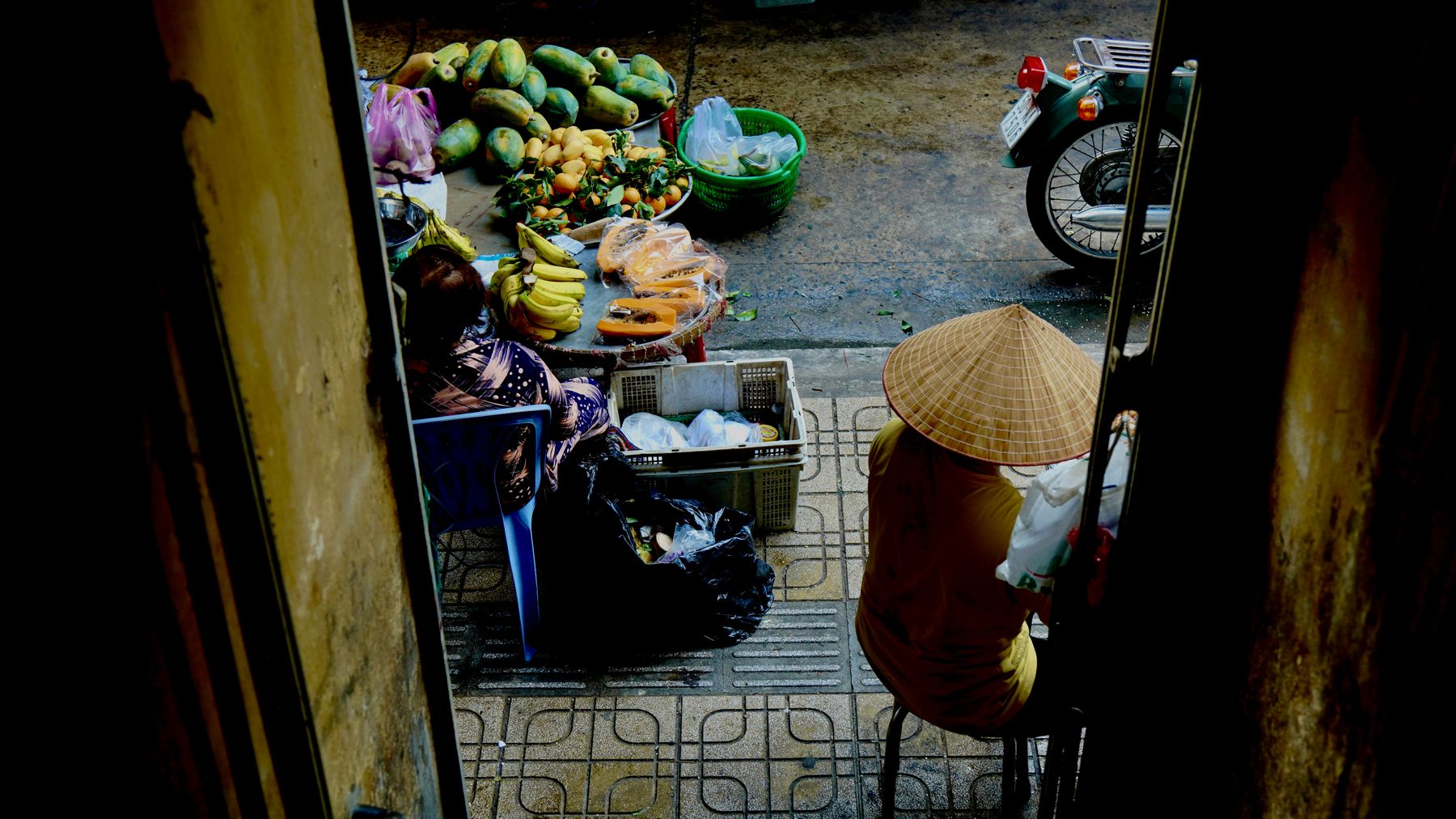
Photo by Tuan Vy on Pexels
What to Look For and Order
Banh da cua
"Banh da cua" is Hai Phong's signature dish — red-brown rice noodles in a crab-based broth, topped with fried shallots and morning glory. You can find acceptable versions at sit-down restaurants, but the best ones are cooked by women who have been doing it since before you were born, operating out of a single pot in a market corridor. Cho Tam Bac and the lanes off Hoang Van Thu are worth checking before 8 a.m. Expect to pay 30,000–45,000 VND.
Bun ca Hai Phong
Different from the bun ca you'll find in Hanoi (하노이 / 河内 / ハノイ). Here the fish — usually cha ca (fish cake) and ca ro (crucian carp) — sits in a clear, slightly sweet broth with dill and tomato. It's closer to a home-kitchen dish than a restaurant one, which is why the best versions are in alleys, not dining rooms. Street stalls near the Tam Bac riverbank area do a solid version.
Banh mi Hai Phong style
Hai Phong's banh mi leans heavily on pork pate and cha lua (Vietnamese pork sausage) rather than the grilled meat you'd find further south. Early-morning carts around the Ngo Quyen district — particularly on the small streets branching off Dien Bien Phu — do this well and cheaply.
Com binh dan in the back lanes
"Com binh dan" (everyday rice plates) is the backbone of lunch across Vietnam, but Hai Phong's working-port character gives it a slightly more generous quality — bigger portions, more seafood options at the same price. Look for these in the industrial-adjacent streets around Thuong Ly and Ngo Quyen between 11 a.m. and 1 p.m. The stall with the most pots on the table is usually the one to choose.
What to Expect When You Sit Down
No English. No menu. Possibly no chairs at standard height. The cook may look at you with mild surprise. Point at what the person next to you is eating, or say the name of the dish if you know it. Payment is always cash; have 20,000–50,000 VND notes ready.
Don't photograph the food before eating it in a way that delays the cook or blocks the stall. These are working kitchens in tight spaces, not content sets.
If something tastes off or you have dietary restrictions, these stalls can't accommodate substitutions the way a restaurant might. Know what you're ordering, eat what you get, and come back when it's good — because it usually is.
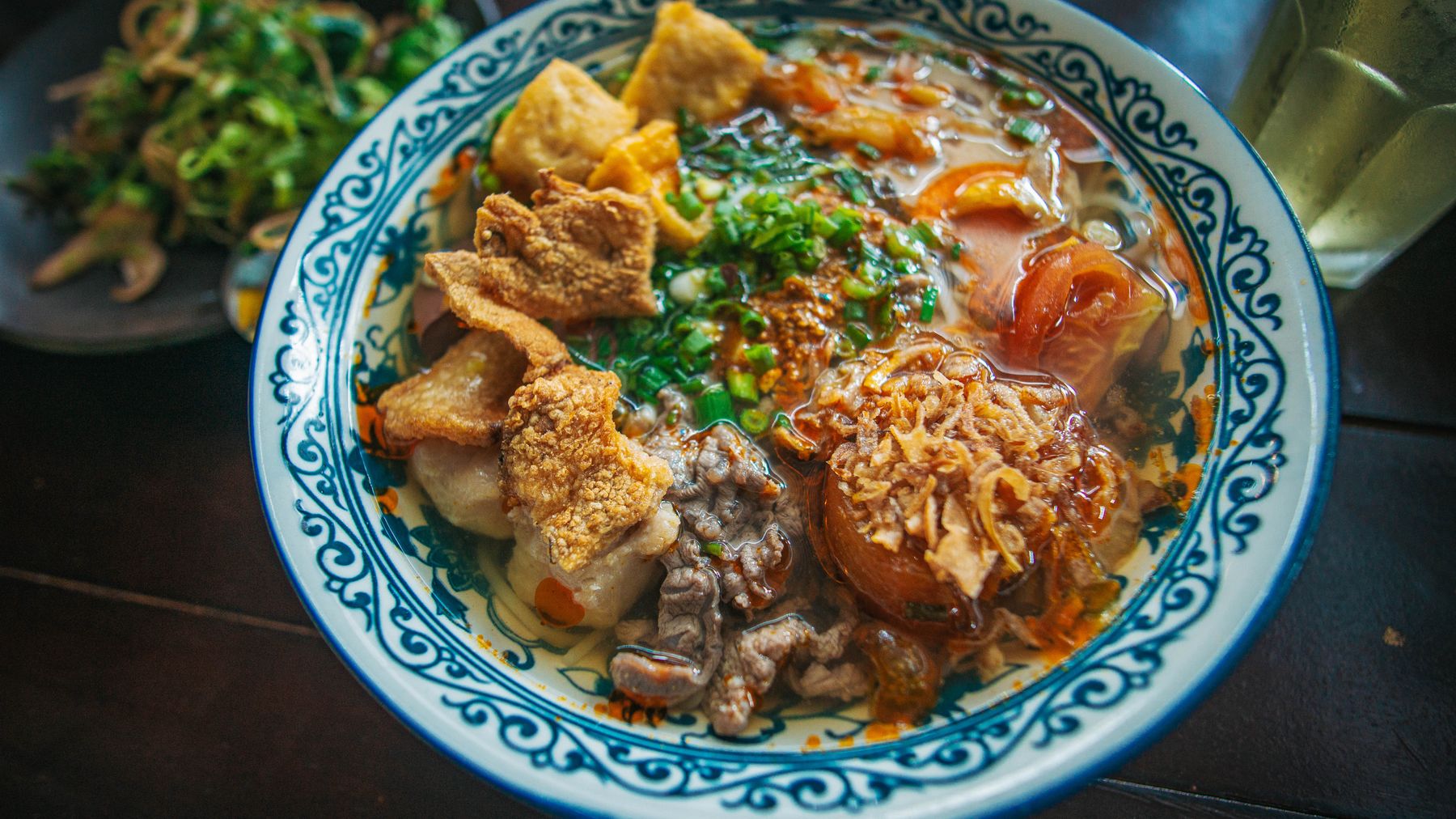
Photo by FOX ^.ᆽ.^= ∫ on Pexels
The Right Mindset for Eating This Way
Hai Phong's food culture rewards patience and wandering over research. The best meal you'll have here probably won't have a name you can Google afterward. You'll remember it as "that alley off the market, the woman with the red noodle pot."
That's not a problem. That's the whole point.
Practical Notes
Most hidden stalls operate on tight windows — breakfast spots wrap up by 9 a.m., lunch stalls by 1:30 p.m. Arrive early or you'll find an empty table and a cold pot. Hai Phong is 105 km from Hanoi by road and well-connected by train and bus, making it a realistic day trip or overnight stop if you're passing through the north.
Last updated · May 29, 2026 · independently researched, never sponsored.