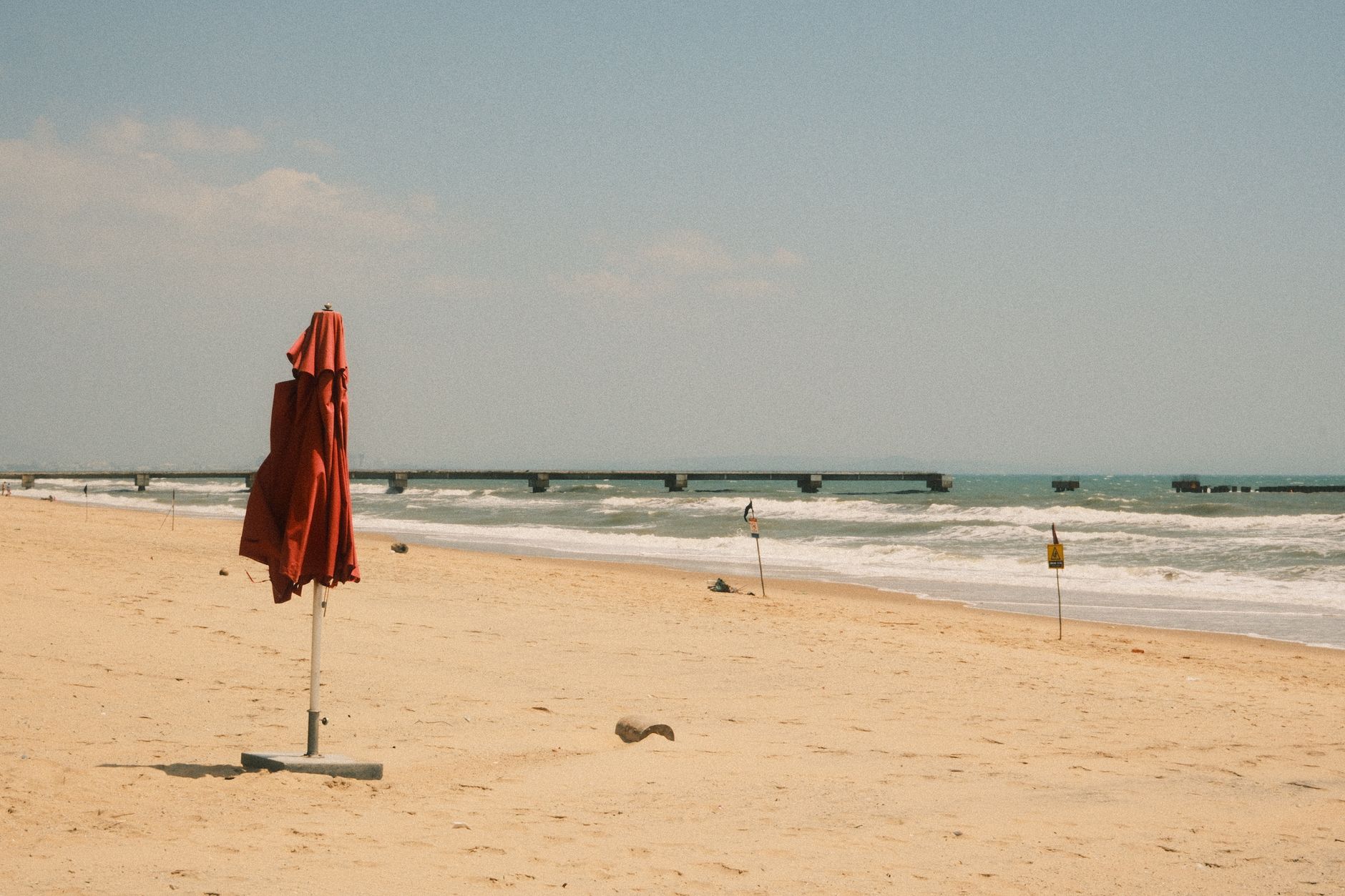
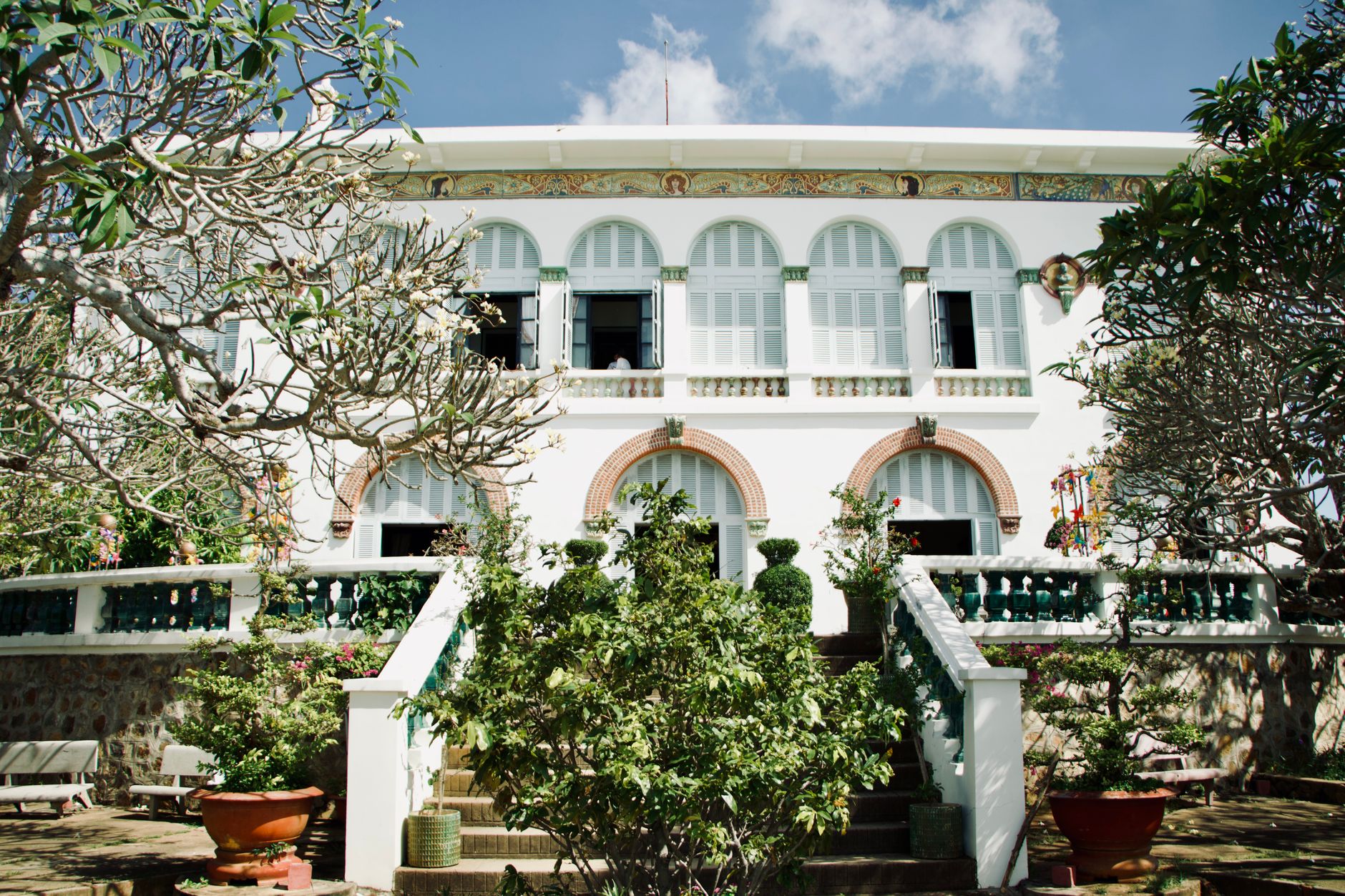
Phan Rang, the capital of Ninh Thuan province, gets skipped by most travelers rushing between Nha Trang (냐짱 / 芽庄 / ニャチャン) and Mui Ne. That's a mistake if food is your reason for being in Vietnam. The Cham people — a community with deep roots in this stretch of the south-central coast — have kept a culinary tradition alive here that you won't find replicated anywhere else in the country.
Cham Muslim Halal Beef: The Thing Worth Stopping For
Ninh Thuan has the largest concentration of Cham Muslims in Vietnam (베트남 / 越南 / ベトナム), and their halal beef culture shapes the local food scene in ways that are immediately noticeable. "Thit bo Cham" — Cham-style beef — is slaughtered and prepared according to halal practice, and the result is meat that locals across all communities seek out for its quality and freshness.
The dish to order is "bo nuong la lot", beef wrapped in betel leaves and grilled over charcoal. At the markets around Phan Rang's town center, particularly near Thi Tran Phuoc Dan — about 15 km north of the city — you'll find Cham vendors grilling these parcels over open coals from mid-morning. Each portion runs around 30,000–50,000 VND. The fat renders into the leaf, the beef stays tight and juicy, and the slight bitterness of the la lot leaf cuts through the char.
Another version worth trying is "bo kho Cham", a slow-braised beef stew spiced with lemongrass and galangal rather than the star anise-heavy versions you'll find in Saigon or Hanoi. It reads closer to a Southeast Asian curry base — the Cham culinary heritage has more in common with Malaysian and Indonesian cooking than with mainstream Vietnamese food. A bowl with rice or a baguette costs about 45,000 VND at the small eateries clustered near the Po Klong Garai Cham tower complex.
Po Klong Garai and Eating Around the Towers
The three brick towers of Po Klong Garai sit on a rocky hill just outside Phan Rang and date back to the 13th century. The site draws visitors for the architecture, but the food vendors around the base are worth your attention. This is where local Cham women sell traditional snacks on festival days and weekends — "banh gan" (a dense steamed cake made from sticky rice and coconut), and small packets of "banh trang me" (sesame rice crackers) that the region is known for across Vietnam.
The rice crackers from Ninh Thuan are a genuine regional product. They're thinner and crispier than versions made elsewhere, toasted on wire racks over charcoal, and coated with sesame and a thin layer of sugar. You can buy a bag of 10–12 crackers for around 20,000 VND. They travel well and are sold in quantity at the Phan Rang market on Tran Phu street.
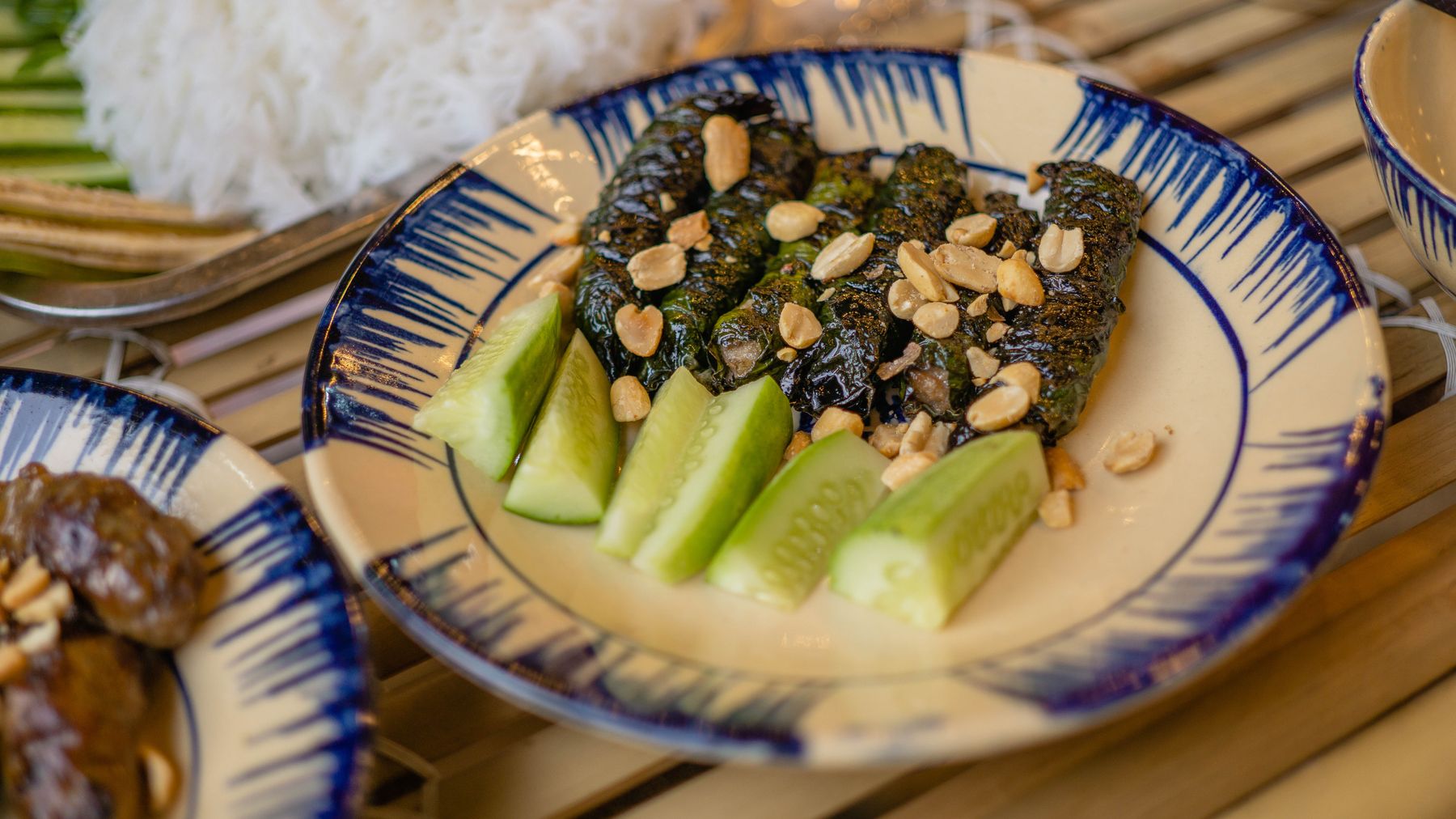
Photo by FOX ^.ᆽ.^= ∫ on Pexels
Cham Desserts and Sweet Snacks
"Che Cham" is a catch-all term for the sweet soups and dessert drinks made in Cham communities, and they tend toward the unusual. One version uses young longan fruit, sticky rice, and coconut milk in proportions that make it closer to a savory porridge than a dessert. Another uses "hat me" — tamarind seeds that have been soaked and peeled until they turn soft — served in a palm sugar syrup with crushed ice.
For something more accessible, "banh cam Cham" are fried sesame balls filled with mung bean paste, similar to the version you'd find in Hoi An or Saigon but slightly denser and less sweet. A plate of five costs 25,000–35,000 VND. Look for them at the morning market on Nguyen Trai street, which runs until around 10am before the heat kills foot traffic.
Ninh Thuan Grape Wine: Take It Seriously
Ninh Thuan is Vietnam's main grape-growing region. The province produces around 70 percent of the country's domestic grapes, and in the last decade a handful of local producers have moved beyond selling fresh fruit into making wine. The most widely available label is "Vang Ninh Thuan" — a red made from red cardinal grapes grown in the Ba Moi and Phan Rang valley areas.
It's not a complex wine by international standards, but that's not the point. At 80,000–120,000 VND for a 750ml bottle at roadside stalls near the vineyards on National Route 1A, it's an honest, slightly tannic red that pairs well with grilled beef. The vineyards around Nho Hai commune — about 8 km from the city center — allow walkthroughs during harvest season, roughly November to January and April to June. Some farms sell grape juice and fresh grapes alongside wine; a kilogram of table grapes runs about 25,000–40,000 VND depending on the variety.
There's also a grape-flavored rice wine — "ruou vang Cham" — made by Cham producers using a fermentation method passed down through families. It's lighter than the commercial wine, faintly fizzy, and very cheap. If you're offered a cup at a community gathering or market stall, take it.
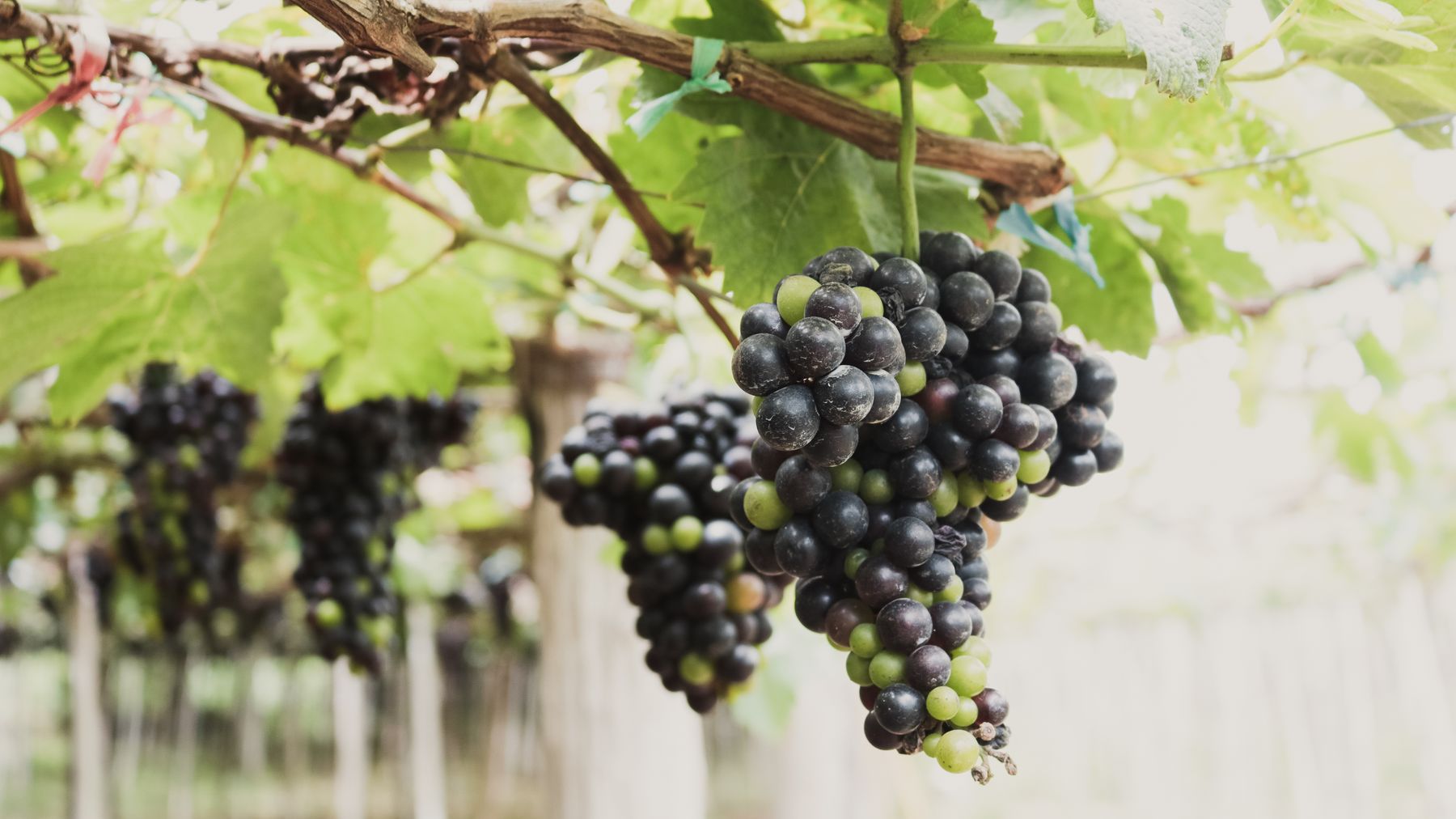
Photo by Loifotos on Pexels
Where to Eat in Phan Rang
The night market on Ngo Gia Tu street is the most reliable spot for a broad survey of local food. Arrive after 6pm. Beyond the Cham beef stalls, you'll find "ca dam" — a type of tuna specific to this stretch of coast — grilled whole and sold by weight, and "bun ca" (fish noodle soup) that uses the local catch rather than the catfish common in the south. A full meal with drinks sits comfortably under 100,000 VND per person.
The covered market on Tran Phu has the best selection of dried and packaged regional products: sesame crackers, dried shrimp from the coast, and bottled grape products to take home.
Practical Notes
Phan Rang is roughly 100 km from Nha Trang and 110 km from Mui Ne, making it a natural lunch or overnight stop on a coastal drive. Accommodation is cheap — most guesthouses run 200,000–400,000 VND per night. The Cham towers charge a 20,000 VND entry fee. Most halal beef stalls close by early afternoon, so arrive hungry before noon.
Last updated · May 29, 2026 · independently researched, never sponsored.