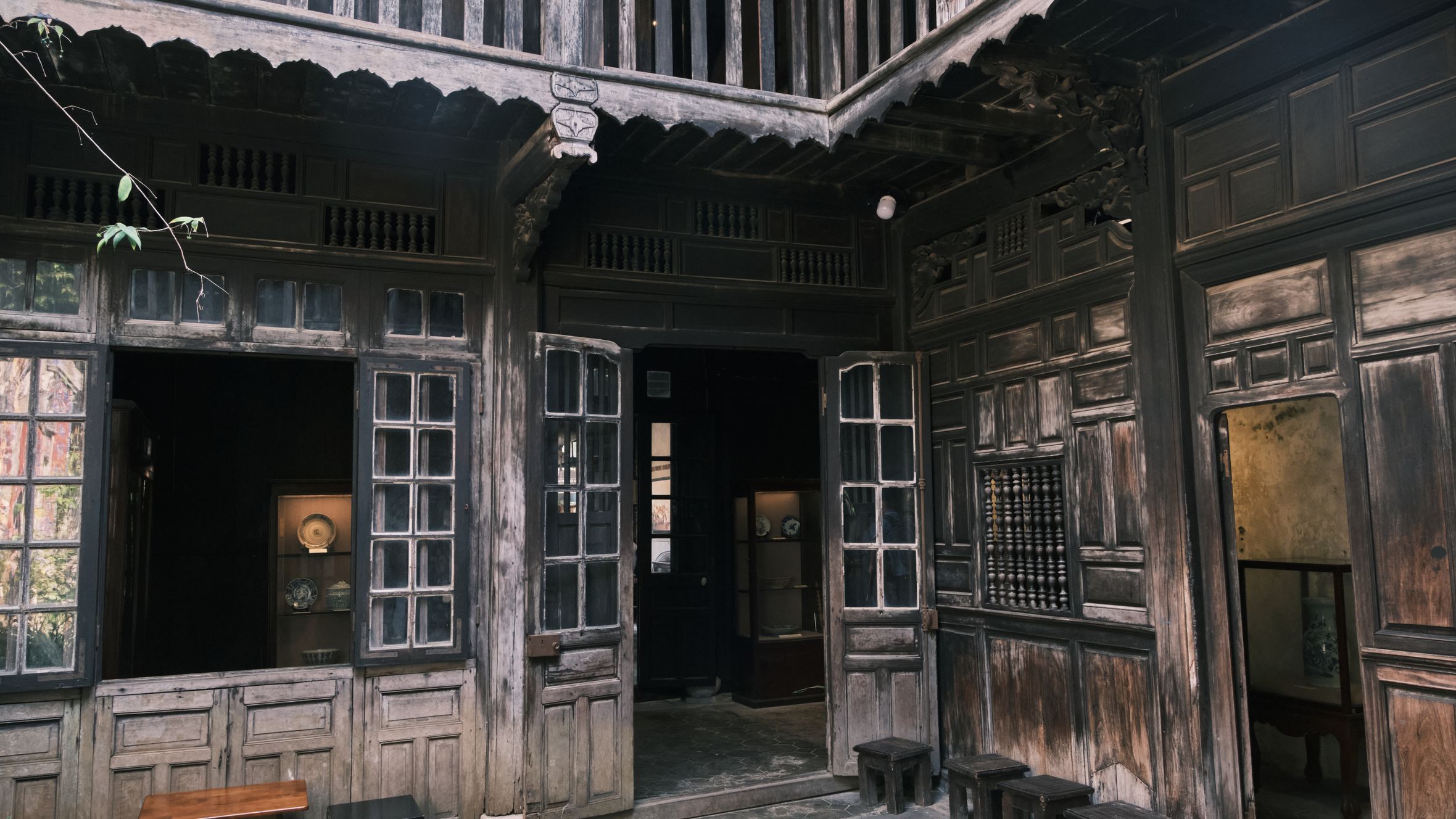
Hai Phong doesn't get the tourist traffic that Hanoi or Ha Long Bay does, which is exactly why its museums feel like they belong to you when you walk in. Bao Tang Hai Duong — the Hai Duong Museum, now administered under the expanded Hai Phong municipality following the 2025 provincial merger — is one of the better regional museums in northern Vietnam (베트남 / 越南 / ベトナム), and it rewards the kind of traveler who wants context before scenery.
What It Is and How It Got Here
Bao Tang Hai Duong is the provincial museum of the former Hai Duong province, a region with roots that reach deep into Vietnamese history. The museum sits in Hai Duong city, roughly 60 km west of central Hai Phong. Its collection covers the arc of civilization in the Red River Delta — from Bronze Age Dong Son drums through centuries of feudal-era ceramics to French colonial artifacts and wartime photography.
The building itself is a mid-century Vietnamese institutional structure: concrete, functional, not much to look at from outside. But the galleries inside hold a genuinely strong ceramics collection, particularly pieces from the Chu Dau pottery tradition that once made this region a major exporter of fine ceramics across Southeast Asia and beyond. After the merger that folded Hai Duong province into greater Hai Phong, the museum has kept its original collection intact.
Why Travelers Go
Most visitors to northern Vietnam stick to the Hanoi–Ha Long Bay (하롱베이 / 下龙湾 / ハロン湾)–Ninh Binh triangle. Bao Tang Hai Duong offers something different: a window into Red River Delta culture without the crowds. The Chu Dau ceramics alone are worth the trip — these are 15th- and 16th-century pieces that were traded as far as Japan and the Middle East, and seeing them in their home province gives them a weight that museum labels in Hanoi can't replicate.
It's also a good pairing if you're visiting the Con Son–Kiep Bac historical complex nearby, or passing through on the way between Hanoi and Hai Phong.
Best Time to Visit
October through December is ideal — the heat and humidity of the delta summer have broken, rain is minimal, and the light is good for wandering. January and February work too, though if your visit overlaps with Tet the museum may close for several days around the holiday. Avoid June through August if you dislike sweating through a museum with inconsistent air conditioning.
The museum is typically open Tuesday through Sunday, 8:00–11:30 and 13:30–17:00. Confirm hours locally, as regional museums in Vietnam sometimes adjust schedules without much notice.
How to Get There
From Hanoi
Hai Duong city is about 60 km east of Hanoi along the Hanoi–Hai Phong expressway. A Grab car from central Hanoi runs around 350,000–450,000 VND one way and takes roughly 1 hour. Buses from Gia Lam or Luong Yen bus stations run frequently and cost 60,000–80,000 VND; the ride takes 1.5–2 hours depending on traffic and stops.
From Hai Phong
From downtown Hai Phong, Hai Duong city is about 60 km west on the same expressway. A Grab or local taxi costs around 300,000–400,000 VND. Buses from Hai Phong's Tam Bac station head to Hai Duong regularly for around 50,000–70,000 VND.
Once in Hai Duong city, the museum is centrally located and reachable by a short motorbike taxi ride for 15,000–20,000 VND.
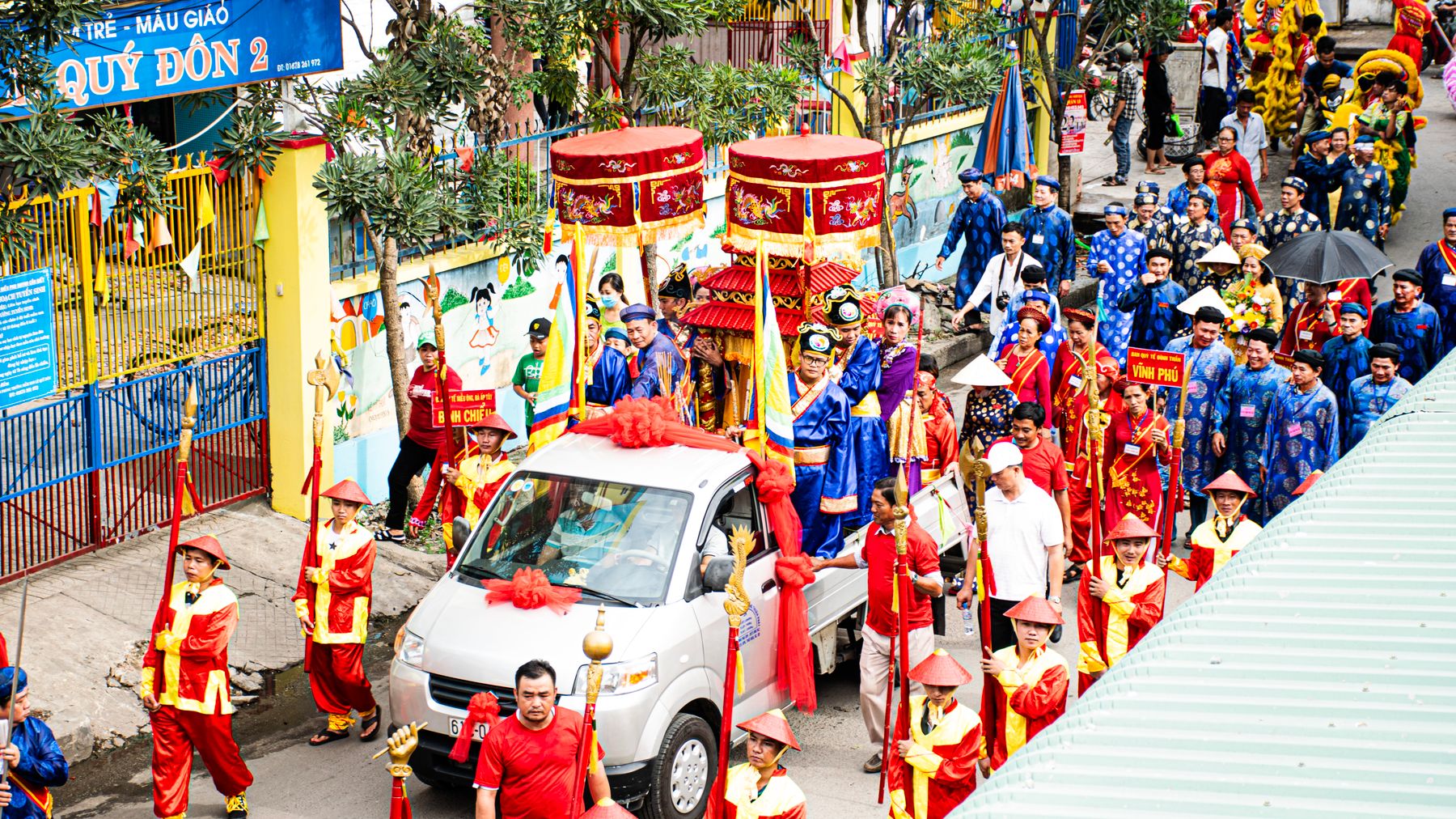
Photo by Vy Van Bui on Pexels
What to Do
Study the Chu Dau Ceramics
This is the highlight. The museum's collection of Chu Dau pottery includes blue-and-white pieces, celadon glazes, and decorated jars that rival anything in the national museums. Take your time here — these ceramics tell the story of a Vietnamese export industry that peaked in the 1400s and 1500s before being disrupted by war and political upheaval. Labels are in Vietnamese with some English summaries.
Walk Through the Bronze Age Gallery
The Dong Son–era artifacts connect this stretch of the Red River Delta to the broader Bronze Age culture that produced the famous drums you'll see referenced across northern Vietnam. The collection is modest but well-curated, with tools, weapons, and burial objects.
Check the Wartime and Colonial Photography
A smaller section covers the French colonial period and the wars of the 20th century through photographs and personal objects. It's presented from the Vietnamese perspective, as you'd expect, and gives texture to what the delta communities experienced during those decades.
Visit the Outdoor Display Area
The museum grounds include some stone steles and architectural fragments from pagodas and temples around the province. These are easy to miss if you head straight inside, so loop around the grounds first.
Combine with Con Son Pagoda
Con Son Pagoda and the Kiep Bac temple complex are about 30 km north of Hai Duong city. If you're already in the area, pairing the museum with a half-day at Con Son makes for a full and satisfying day trip. The pagoda is tied to the Hung Kings Festival traditions and the legacy of national hero Tran Hung Dao.
Where to Eat Nearby
Hai Duong city has its own food identity. Look for "banh cuon" here — the steamed rice rolls are made thinner and more delicate than the Hanoi version, often served with a dipping sauce that leans sweeter. Street stalls along Tran Hung Dao street in the city center are reliable.
The province is also known for "banh day," a sticky rice cake, and green bean cakes ("banh dau xanh") — the latter is Hai Duong's most famous edible export. Pick up a box at any local shop; they make decent gifts and keep for a week or two.
For a proper meal, a bowl of "pho" at one of the local shops near the central market costs 35,000–50,000 VND and holds its own against Hanoi's versions.
Where to Stay
Hai Duong city has a handful of decent hotels and guesthouses. Budget rooms at local nha nghi (guesthouses) run 200,000–350,000 VND per night. Mid-range hotels with air conditioning, hot water, and Wi-Fi cluster around 500,000–800,000 VND. There are no international-brand hotels here — this is a provincial city, and the accommodation reflects that. Clean and functional is the standard you should expect.
Alternatively, many travelers base themselves in Hanoi or Hai Phong and visit the museum as a day trip.

Photo by maxed. RAW on Pexels
Practical Tips
- Bring cash. Card acceptance in Hai Duong city is limited outside of hotels. ATMs are available near the central market.
- Museum entry is inexpensive — typically 20,000–30,000 VND. Photography is usually allowed but confirm at the ticket desk.
- English signage inside the museum is improving but still patchy. If context matters to you, read up on Chu Dau ceramics before you go.
- A Vietnamese-speaking companion or a translation app on your phone will help significantly with the exhibit labels.
Common Mistakes to Avoid
- Rushing through. The museum is compact, but the ceramics collection deserves at least 45 minutes. Don't treat it as a 15-minute checkbox.
- Skipping Hai Duong city itself. The city has a pleasant central market, old shophouses, and a pace of life that feels nothing like Hanoi. Walk around for an hour.
- Visiting on a Monday. Like most Vietnamese museums, it's closed on Mondays. Don't learn this the hard way.
- Not combining trips. Hai Duong on its own is a thin day. Pair it with Con Son–Kiep Bac, or build it into a Hanoi-to-Hai Phong transit day.
Practical Notes
Bao Tang Hai Duong is a side trip, not a destination anchor — and that's fine. It works best as part of a broader northern Vietnam itinerary that includes Hanoi and either Ha Long Bay or Ninh Binh. Budget half a day for the museum and city, more if you're heading to Con Son.
Last updated · May 29, 2026 · independently researched, never sponsored.






