Hanoi runs on coffee. Not in the way that cities claim to run on coffee — but genuinely, structurally, from 6am sidewalk sessions to late-night study spots that keep the lights on past midnight.
The Baseline: What You Already Know
"Ca phe sua da" — iced coffee with sweetened condensed milk — is the entry point most visitors find first, and for good reason. It works. A glass costs 20,000–35,000 VND at a street stall and arrives almost aggressively sweet and cold, which is exactly what you want in July. The drip filter, called a "phin", sits on top of the glass and takes its time. That slowness is intentional. Hanoi (하노이 / 河内 / ハノイ) coffee has never been about efficiency.
Hot black drip — "ca phe den" — is the same process, no milk, no ice. Order it if you want to taste the coffee itself. Vietnamese robusta is earthy and bitter with a thick body; some people love it immediately, others need a few days. Either way, it's honest.
The best places to drink these are not the tourist-facing shops on Hoan Kiem's edge. Walk into any narrow alley in the Old Quarter or around Nguyen Du street and look for the lowest plastic stools you've ever seen, a woman with a thermos, and a queue of motorbike helmets hanging off handlebars. That's the right place.
Egg Coffee: Hanoi's Own Invention
"Egg coffee (에그커피 / 蛋咖啡 / エッグコーヒー)" — ca phe trung — was invented at Giang Cafe on Nguyen Huu Huan street, where they've been making it since 1946. The story goes that condensed milk was scarce post-war, so the founder whipped egg yolks with sugar as a substitute. The result is a drink that sits somewhere between coffee and dessert: a small cup of strong robusta topped with a thick, warm, custard-like foam.
Giang still serves it in a tiny, dim room up a flight of stairs, for around 30,000 VND. It's worth going once for the room alone — the walls are covered in framed photos, the furniture is ancient, and the whole place smells like roasted coffee and cigarette smoke.
Dinh Cafe, also in the Old Quarter, does a reliable version in a slightly more comfortable setting. Some newer third-wave spots have started experimenting with egg coffee using arabica and less sugar — interesting, but a different drink.

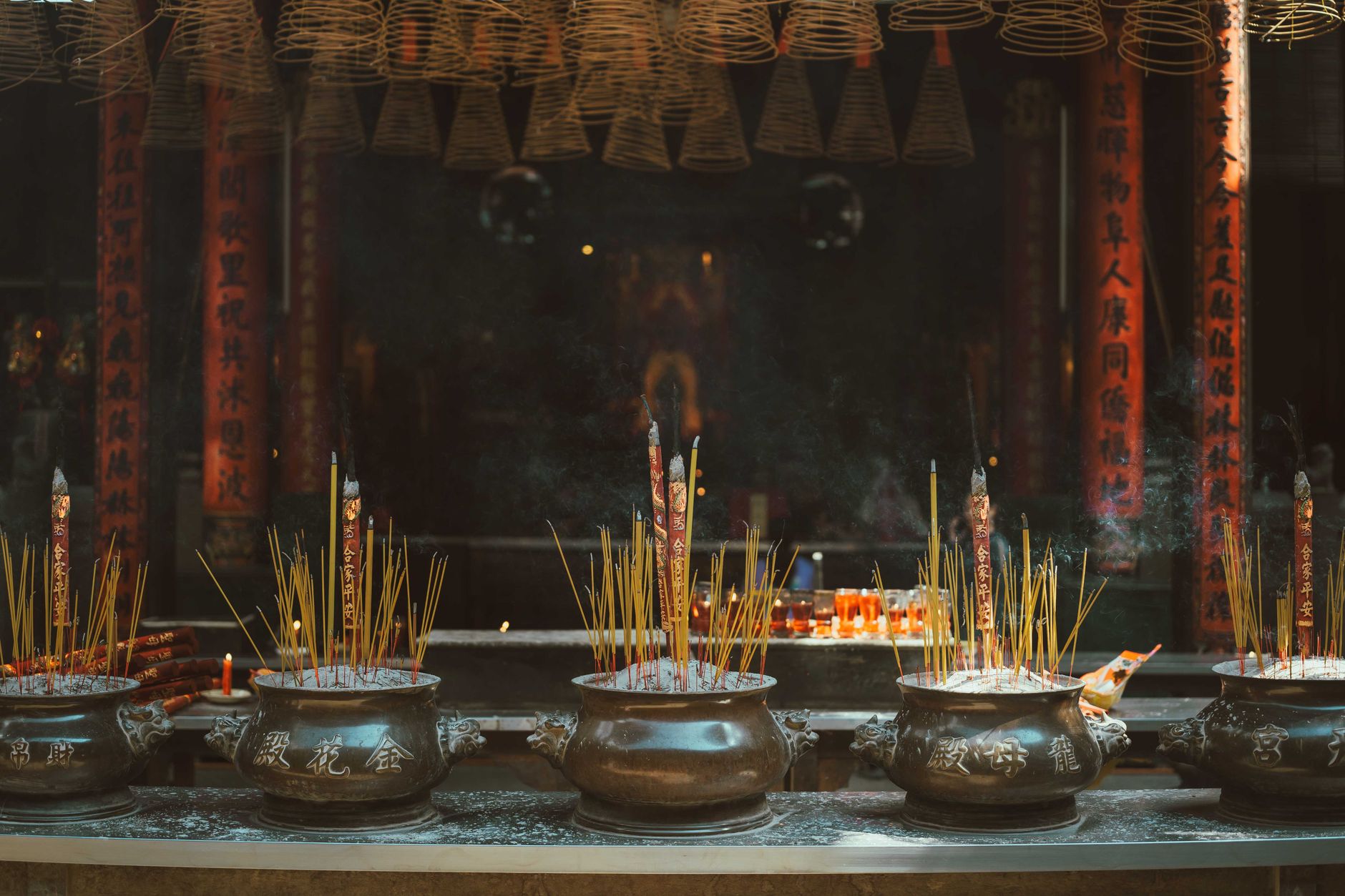
Photo by Pragyan Bezbaruah on Pexels
Beyond the Classics
Hanoi's coffee menu has expanded considerably in the last decade, and not just by importing cold brew trends from Seoul and Melbourne.
Yogurt coffee — ca phe sua chua — is exactly what it sounds like: strong drip coffee poured over tart Vietnamese-style yogurt and ice. It sounds wrong. It isn't. Creamy, slightly sour, caffeinated. About 35,000 VND at most places that serve it.
Coconut coffee has been around longer than the Instagram posts about it suggest. A glass of cold drip blended with coconut cream — sometimes coconut ice cream — runs 40,000–55,000 VND and is better than it has any right to be.
Lotus tea blended with coffee is a rarer find, but a few traditional shops near Hoan Kiem lake offer it. The floral bitterness of the tea cuts through the robusta in an odd, pleasant way.
If you want something lighter and more contemporary, "Vietnamese coffee" made with single-origin arabica from Da Lat or Son La has become easier to find. A handful of roasters now source carefully and brew properly — meaning you can get a clean, fruit-forward cup that doesn't taste like the commodity robusta that built the country's export industry.
Where to Drink Slow
Hanoi has always had the concept of sitting for a long time over one drink. The city's cafe culture rewards patience in a way that Saigon, with its faster pace, doesn't always.
Nhan Cafe, tucked into a narrow house on Nhan street in Ba Dinh district, is the kind of place where regulars sit for two hours over a single ca phe den and nobody bothers them. Dark wood, ceiling fans, a radio. Around 25,000 VND for drip.
The Note Coffee on Dinh Liet has gone full tourist — thousands of paper notes plastered across every surface — but the drinks are solid and the rooftop has a view worth having once.
For third-wave, Tranquil Books & Coffee near Van Mieu (the Temple of Literature) combines a serious book selection with well-made filter coffee. It's a 10-minute walk from the Old Quarter and feels like a different city. Pourover arabica runs 65,000–85,000 VND. The "ca phe sua da" made with arabica here is the best argument for the format using quality beans.
Cafe Giang on Nguyen Huu Huan — mentioned above for egg coffee — also opens early enough to catch the morning light through its upper windows. Worth the climb.

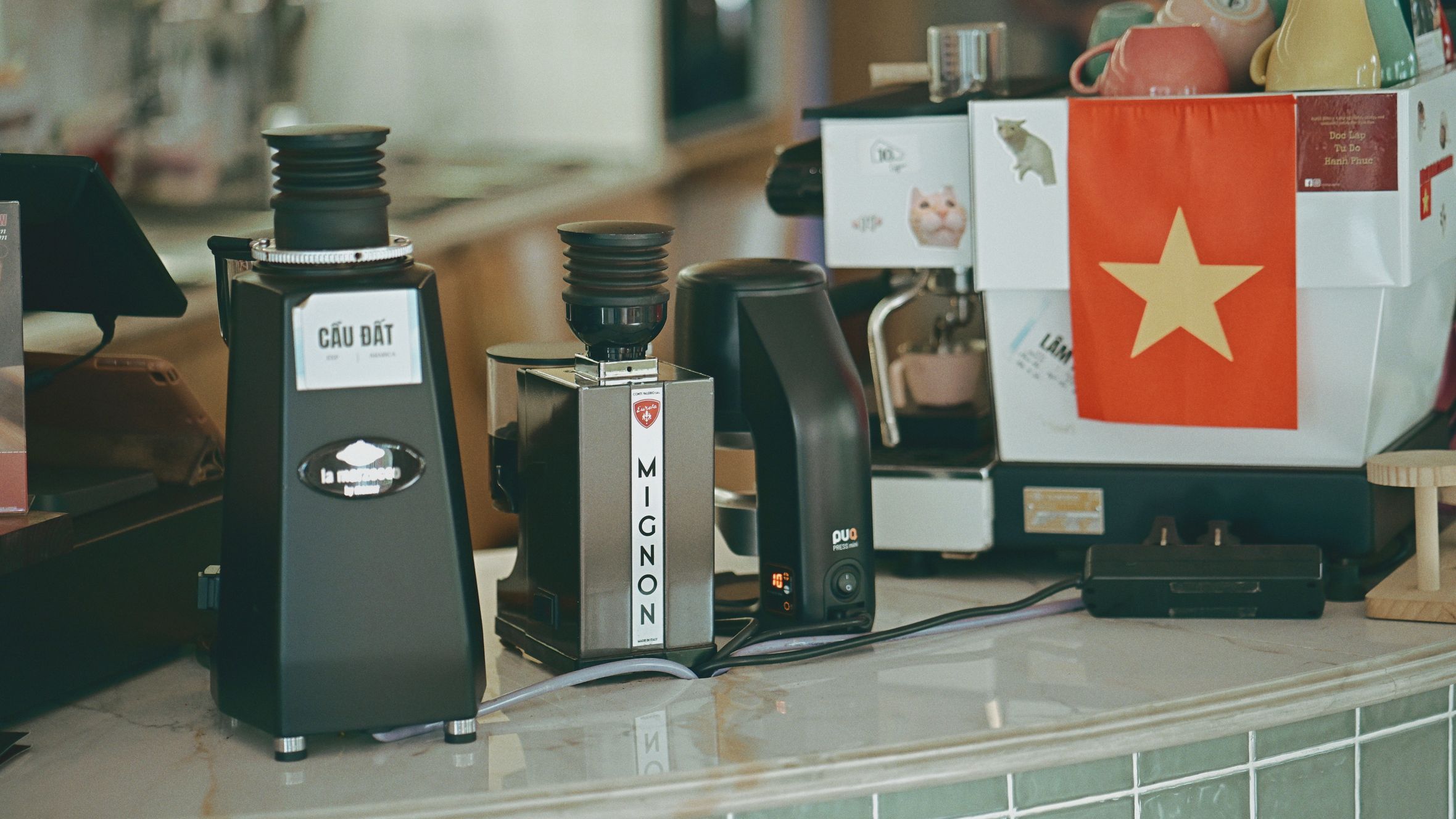
Photo by Sóc Năng Động on Pexels
The Rhythm of It
Drinking coffee in Hanoi is less about the coffee than about where you sit with it. The morning stall crowd near Dong Xuan Market wraps up by 8am. The late-morning stretch around Ba Dinh is slower, older, more local. Afternoons near the university districts fill up with students and laptops. By evening, rooftops near Hoan Kiem lake light up.
None of this requires a plan. Walk until you see a stool that looks right, sit down, and point at what the person next to you is drinking.
Practical Notes
Most street coffee costs 20,000–40,000 VND; third-wave shops charge 55,000–90,000 VND. Cash is standard at traditional places — card is fine at the newer roasters. If you want to understand what Hanoi actually tastes like before breakfast, skip the hotel restaurant and find the nearest phin and plastic stool within two blocks.
Last updated · May 29, 2026 · independently researched, never sponsored.