Hoi An is small enough to walk across in twenty minutes, which means the souvenir economy is dense and a little relentless. But once you get past the T-shirts and the hand-painted fans, there's a short, solid list of food items genuinely worth packing into your luggage.
Cao Lau Dried Noodles — The One You Actually Want
"Cao lau" is Hoi An (호이안 / 会安 / ホイアン)'s signature noodle dish: thick, chewy, slightly ash-treated noodles served with sliced pork, bean sprouts, and a small amount of rich broth ladled over rather than pooled underneath. The fresh version is eaten in the market and in restaurants along Tran Phu and Bach Dang streets. But the dried version — flat, pale, tightly bundled in plastic — is what you want to bring home.
You'll find vacuum-sealed packets of cao lau (까오러우 / 高楼面 / カオラウ) noodles in most of the dedicated food shops along Le Loi Street and inside the covered section of Hoi An Central Market (Cho Hoi An), which runs along Tran Quy Cap. Prices are honest here: expect 25,000–40,000 VND for a 200g bag, depending on the brand and whether the shop is in the tourist quarter or in the local market section. The noodles are dried, so they travel fine.
One honest caveat: cao lau made outside Hoi An tastes noticeably different because the traditional recipe uses water drawn from the Ba Le well and ash from a specific wood source on Cu Lao Cham. The dried noodles you cook at home will get you 70% of the way there — good enough to be worth the bag space.
Banh Dau Xanh — Mung Bean Cakes
"Banh dau xanh" are dense, slightly sweet pressed cakes made from ground mung bean paste. They're a central Vietnamese confection, and Hoi An has its own smaller-format version that leans less sweet than the northern style. The texture is firm and slightly chalky — they pair well with Vietnamese coffee or lotus tea.
The most reliable place to buy them is at the small fixed-price shops on Nguyen Thai Hoc Street, particularly around the block between the Japanese Covered Bridge and the intersection with Nhi Trung. Boxes of 12–16 cakes cost 35,000–60,000 VND depending on size. These are individually wrapped inside the box and last several weeks at room temperature, which makes them practical for longer trips.
Avoid the loose, unwrapped versions you occasionally see in open-air stalls near the river — they're fine to eat on the spot but won't survive a flight.

Photo by Võ Văn Tiến on Pexels
The Lantern Quarter and Its Snack Economy
The stretch of Tran Phu Street closest to the Japanese Covered Bridge is what most visitors mean when they say "lantern shops" — the silk lanterns hang across narrow frontages in silk reds and yellows, and every second shop sells something edible alongside the décor.
This is where you'll find the most tourist-facing pricing, so calibrate accordingly. That said, a few things here are worth buying:
Dried Shrimp and Pepper from Tien Phuoc
Small sealed bags of dried shrimp ("tom kho") and whole-peppercorn blends from the Tien Phuoc district — about 60 km southwest of Hoi An — appear in most of these shops. The pepper is noticeably fragrant compared to supermarket versions. Bags run 30,000–80,000 VND. Worth it if you cook.
Hoi An Roasted Rice Crackers
"Banh trang nuong" in its Hoi An form is a sesame-and-scallion rice cracker, thin and brittle, sold in flat circular packs. They're a common snack with bia hoi and are produced locally by a handful of small family operations. You'll find them packaged near the register in most food-adjacent shops. Around 20,000–30,000 VND for a stack of six to eight crackers. Light and flat, they pack easily.
Fresh Roasted Cashews
Street vendors near the market's eastern entrance sell paper cones of freshly roasted cashews with chili and salt for 20,000–25,000 VND. These aren't a take-home item — the roasting happens on a small pan right in front of you — but they're among the better snacks to eat while you walk.
What to Skip
The jars of "pho seasoning" and instant "mi quang" powder kits sold in tourist shops along Nguyen Hue Street look appealing but are mostly MSG-heavy spice blends with little connection to how those dishes are actually made. They're not harmful, just disappointing when you get home and realize the result tastes like instant noodle seasoning.
Same goes for the mass-produced "Hoi An coffee" tins — the coffee inside is almost always generic robusta sourced outside the region. If you want good Vietnamese coffee to bring home, Hoi An isn't the place to source it; Da Lat or Buon Ma Thuot beans sold through dedicated roasters are a better bet.
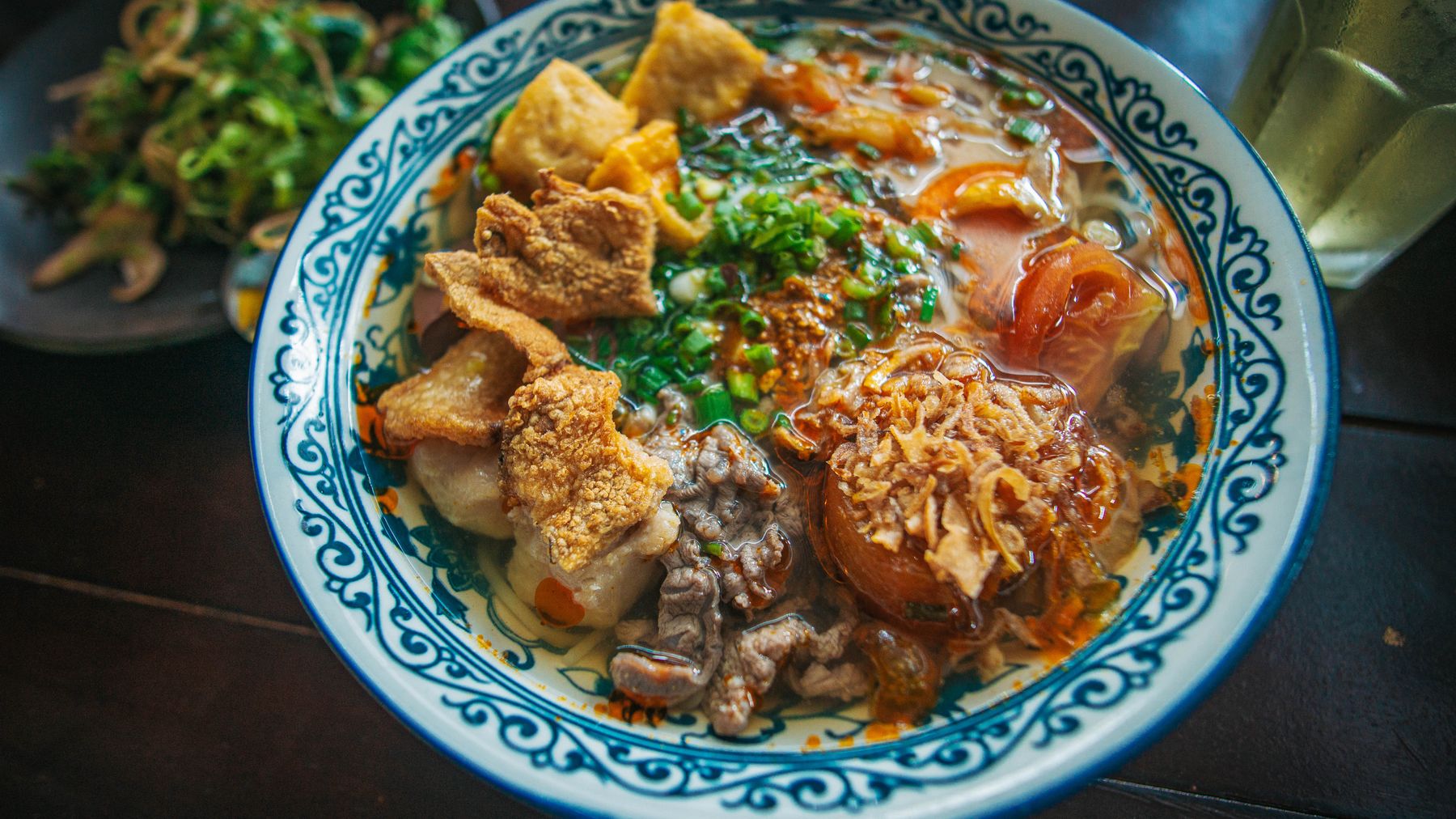
Photo by FOX ^.ᆽ.^= ∫ on Pexels
Where to Shop Without Getting Overcharged
The two-tiered pricing reality in Hoi An is real but manageable. The interior section of Hoi An Central Market — past the outer ring of tourist-facing stalls — has local vendors selling dried goods, spices, and packaged snacks at prices that don't account for your camera bag. Spending ten minutes walking deeper into the market rather than buying from the first display you see will generally save 20–30% and put you in contact with vendors who actually know the products.
For packaged goods with fixed prices and consistent quality, the small grocery shops on Phan Chau Trinh Street (one block back from the river) are practical and unhurried.
Practical Notes
Most dried food items from Hoi An — cao lau noodles, banh dau xanh, rice crackers, dried shrimp — will pass through international customs in sealed packaging, but check your home country's agricultural import rules for dried shrimp and fresh spices before you buy. The Ancient Town shops generally open by 8 AM and stay open until 9 or 10 PM; the Central Market is busiest and best-stocked between 7 AM and noon.
Last updated · May 29, 2026 · independently researched, never sponsored.