Day 1 — Arrival in Hue: The Imperial Kitchen
Start your journey in Hue, the former capital where food is treated with the precision of a royal court. Check into a hotel near the Perfume River. For your first meal, head to a local stall for "bun bo hue". Unlike the versions found elsewhere, the broth here is pungent with fermented shrimp paste and lemongrass. In the evening, walk toward the Dong Ba Market area to sample "banh beo" and "banh nam", delicate steamed rice cakes topped with dried shrimp.
Day 2 — Royal Flavors and River Walks
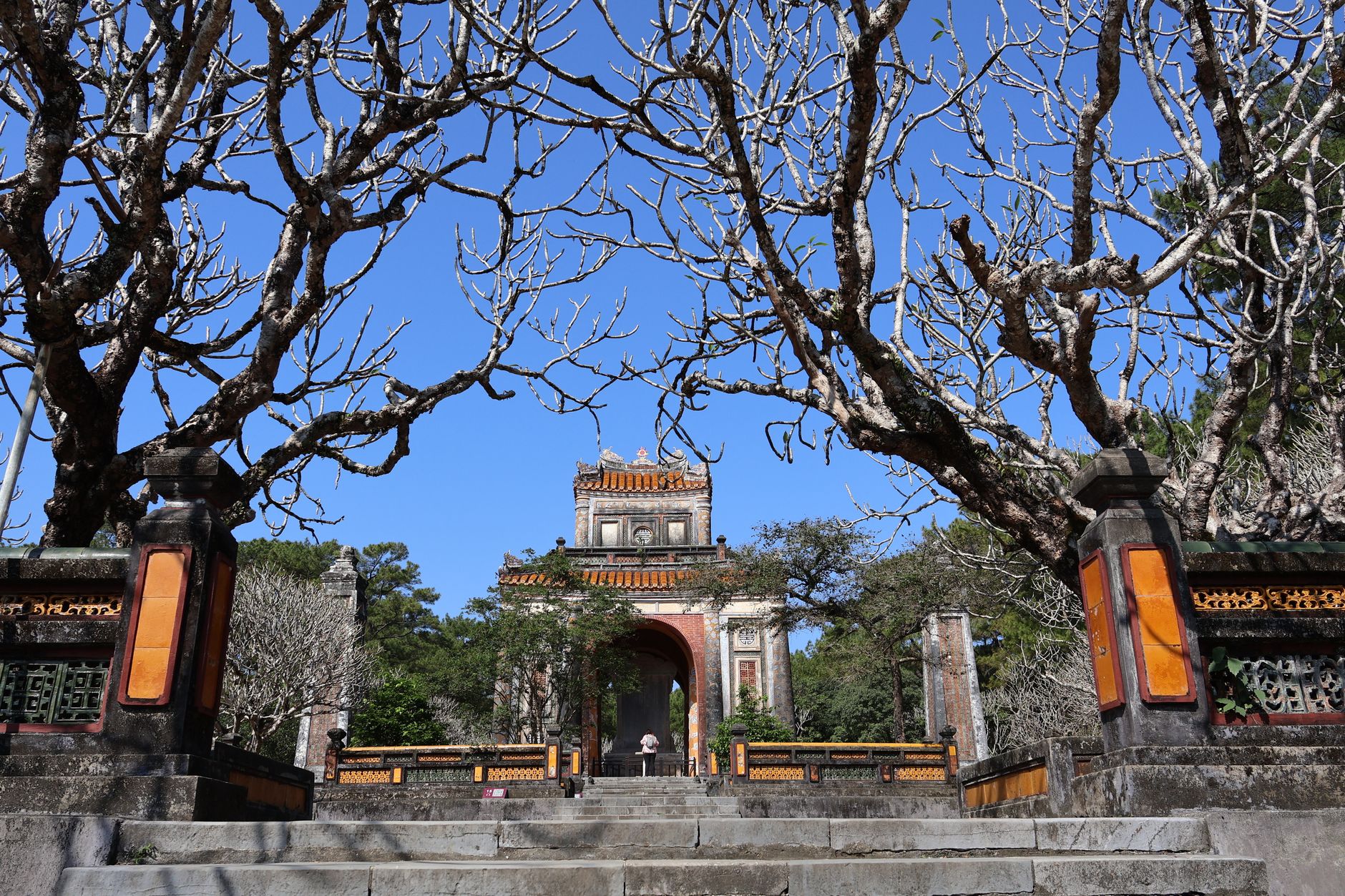
Spend the morning exploring the Imperial Citadel Thang Long architecture and the Tomb of Tu Duc. By midday, you will be hungry for "banh khoai", a crispy, folded pancake filled with pork and shrimp. For dinner, seek out a shop serving "bun thang" or local Hue-style vegetarian dishes, which are a point of pride in this Buddhist-influenced city.
Day 3 — The Road to Da Nang
Travel from Hue to Da Nang by train. The three-hour journey offers a view of the coastline that you cannot get from a bus. Once in Da Nang, drop your bags and head straight for a bowl of "mi quang (미꽝 / 广南面 / ミークアン)". This turmeric-infused noodle dish is the soul of the city. Spend the afternoon at the beach, then grab a "ca phe sua da" at a sidewalk cafe to watch the city transition into the evening.
Day 4 — Da Nang Street Food Deep Dive
Da Nang is a city of workers, and the food reflects that—it is hearty and affordable. Start with "banh canh (반깐 / 粗米粉汤 / バインカイン)" for breakfast. In the afternoon, visit the local markets to find "nem chua". For dinner, join the locals at a seafood stall near the My Khe area. Order grilled clams and squid, washed down with a cold local beer.
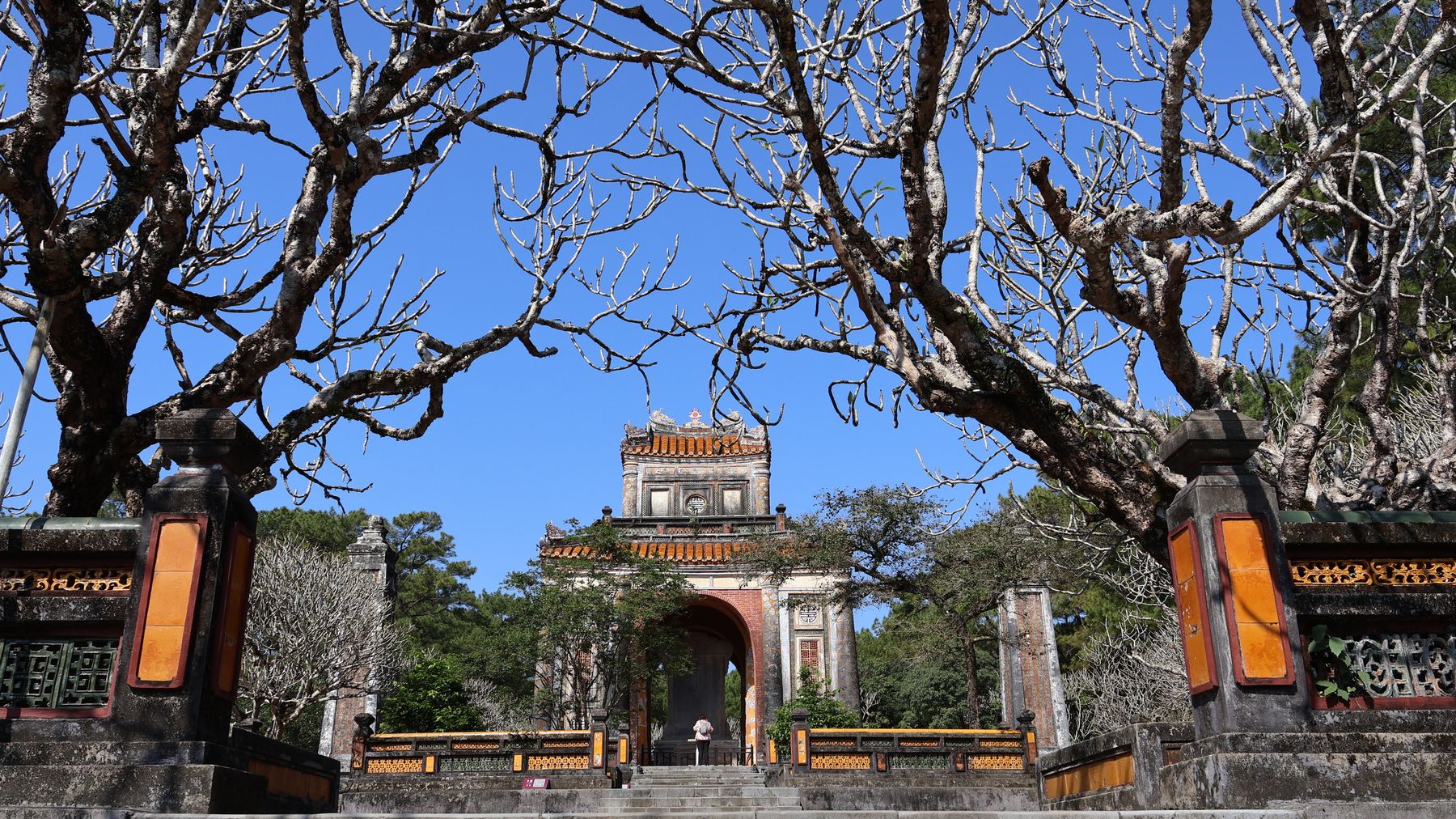
Photo by Minh Lê on Pexels
Day 5 — Mountains and Markets
Take a morning trip to the Marble Mountains, but keep it brief so you can return to the city for lunch. Seek out a spot specializing in "banh xeo", the savory, crispy crepes that are best eaten wrapped in rice paper with fresh herbs. Spend your final evening in Da Nang walking across the bridges and grabbing a late-night snack of "com tam" from a street-side vendor.
Day 6 — Arrival in Hoi An
Take a 45-minute taxi or private car south to Hoi An. The pace here is slower. Check into a guesthouse in the Ancient Town. Your first order of business is "cao lau". This dish is unique to Hoi An; the noodles are traditionally made with water from a specific local well, giving them a distinct, firm texture. Eat it at a stall near the market.
Day 7 — The Art of the Noodle
Spend the day wandering the yellow-walled alleys. For lunch, try "mi quang" again to compare the Hoi An version with the Da Nang style. In the afternoon, take a bicycle ride toward the rice paddies. For dinner, find a place serving "banh mi"—the local shops here are world-famous for their pate and secret sauces.

Photo by Sachith Ravishka Kodikara on Pexels
Day 8 — Culinary Heritage
Visit the local market early to see the fresh produce. Sign up for a cooking class that includes a market tour. You will learn the basics of balancing the five elements of Vietnamese cuisine. In the evening, enjoy a quiet dinner of "goi cuon" and "cha gio" by the river.
Day 9 — Beyond the Ancient Town
Rent a bicycle and head toward the coast at An Bang. Stop at a roadside stall for a bowl of "bun rieu", a tomato-based crab noodle soup. Spend the afternoon by the water. For your final dinner, treat yourself to a sit-down meal featuring local specialties like white rose dumplings.
Day 10 — Departure
Enjoy one last "vietnamese coffee" overlooking the Thu Bon River. If you have time before your flight from Da Nang, grab a final "banh mi" for the road. The transition from the refined, spicy notes of Hue to the hearty, savory flavors of Da Nang and the delicate, herb-heavy dishes of Hoi An provides a complete picture of Central Vietnamese food culture.
Practical notes
- Transport: The train between Hue and Da Nang is the most scenic option. For Da Nang to Hoi An, a private car or taxi is the most convenient, costing roughly 300,000 to 400,000 VND.
- Budget: You can eat exceptionally well for 300,000 to 500,000 VND per day if you stick to local street food and markets.
Last updated · May 30, 2026 · independently researched, never sponsored.