Central Vietnam (베트남 / 越南 / ベトナム) is often treated as a series of quick stops, but the stretch between Phong Nha and Hoi An rewards a slower pace. This 10-day loop prioritizes the geological drama of the north-central mountains before descending into the refined history of the former capital and the mercantile charm of the coast.
Day 1-3 — The Karst Frontier of Phong Nha
Arrive in Dong Hoi and take the 45-minute transfer to Phong Nha (퐁냐 / 峰牙 / フォンニャ). The landscape here is dominated by limestone karsts that feel prehistoric. Spend your first day at Phong Nha Cave; it is the most accessible, but the scale of the interior is humbling. On day two, skip the crowds and head to Paradise Cave. It is a 1km trek up a steep path, but the wooden boardwalks inside allow you to appreciate the scale without needing professional caving gear. On your third day, rent a motorbike for 150,000 VND and ride the loop toward the Botanical Garden or simply navigate the rural roads along the Son River. Eat "banh canh" at the local stalls near the boat pier; it is a thick, chewy noodle soup that provides the necessary fuel for a day of humidity and exploration.
Day 4 — The Transit to Hue
Travel from Phong Nha to Hue by private car or the tourist bus. The journey takes about 5 to 6 hours. The route is scenic, passing through the former DMZ area. While the bus is cheaper, a private car allows you to stop at the Hien Luong Bridge and Ben Hai River, which are significant historical markers. Arrive in Hue by late afternoon and head straight for a bowl of "bun bo hue". The authentic version here is much punchier than what you find in the south, with a broth rich in lemongrass and fermented shrimp paste.

Photo by Quang Nguyen Vinh on Pexels
Day 5-6 — Imperial Echoes in Hue
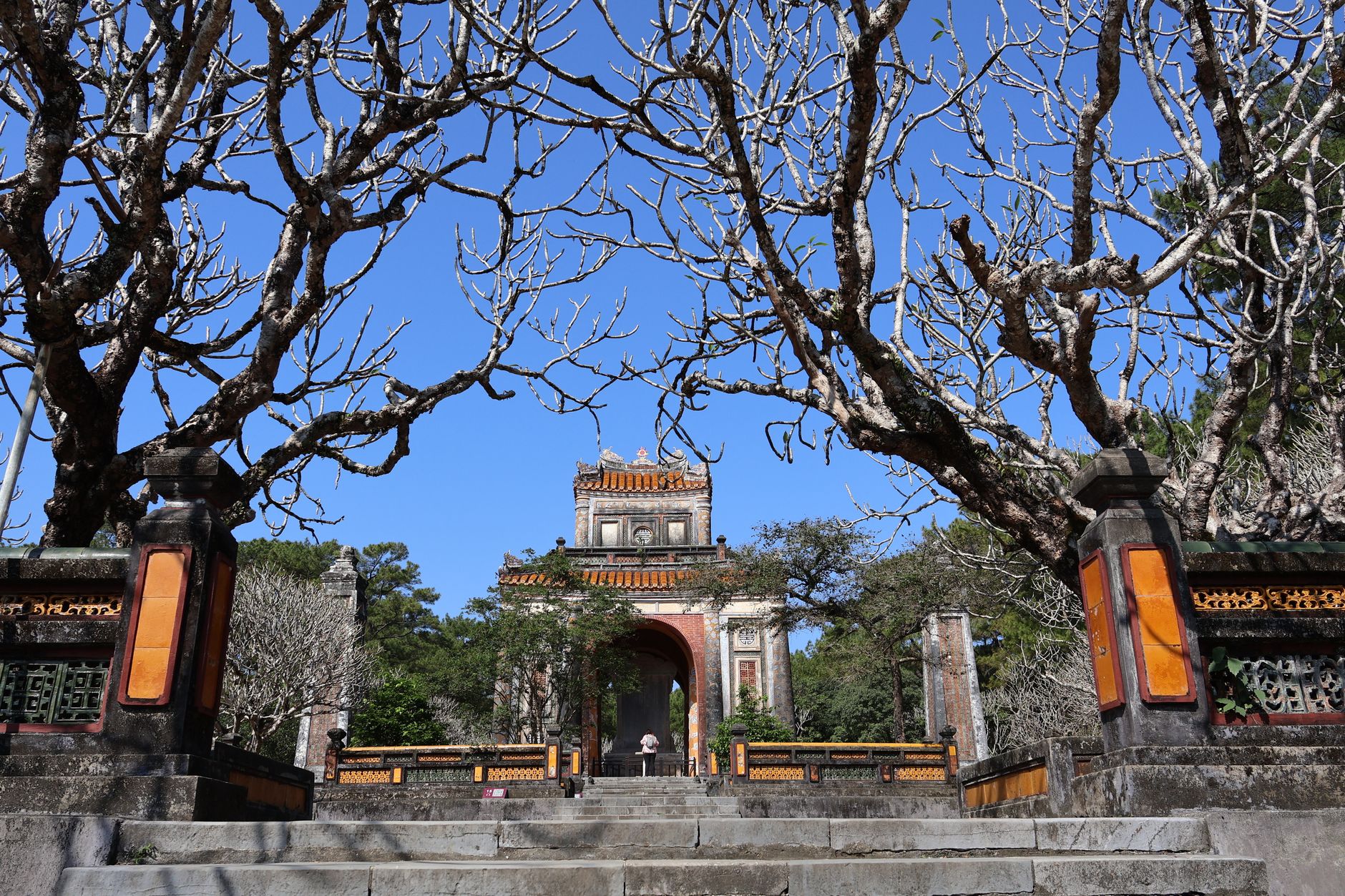
Hue is a city of slow mornings. Start at the Imperial Citadel Thang Long—or rather, the Hue Imperial Citadel. It is massive, and you will need at least three hours to walk the grounds. In the afternoon, hire a dragon boat to take you up the Perfume River to the Thien Mu Pagoda. On day six, rent a bicycle and head into the countryside to visit the Tomb of Tu Duc and the Tomb of Khai Dinh. These are not just burial sites; they are architectural statements that reflect the personalities of the emperors who commissioned them. For dinner, seek out "banh cuon" or the local specialty "banh beo" (steamed rice cakes) at a street-side stall near the Dong Ba Market.
Day 7 — The Hai Van Pass
Travel from Hue to Hoi An. Do not take the train or the tunnel bus; hire a driver to take you over the Hai Van Pass. It is a winding road that offers a perspective of the coastline that you cannot get from the low-lying rail tracks. The pass is roughly 20km of hairpin turns and dramatic drops. You will likely stop at the summit for a coffee, which is a standard tourist pause, but the view remains one of the best in the country. Arrive in Hoi An by late afternoon.
Photo by Quang Nguyen Vinh on Pexels
Day 8-10 — The Merchant Port of Hoi An
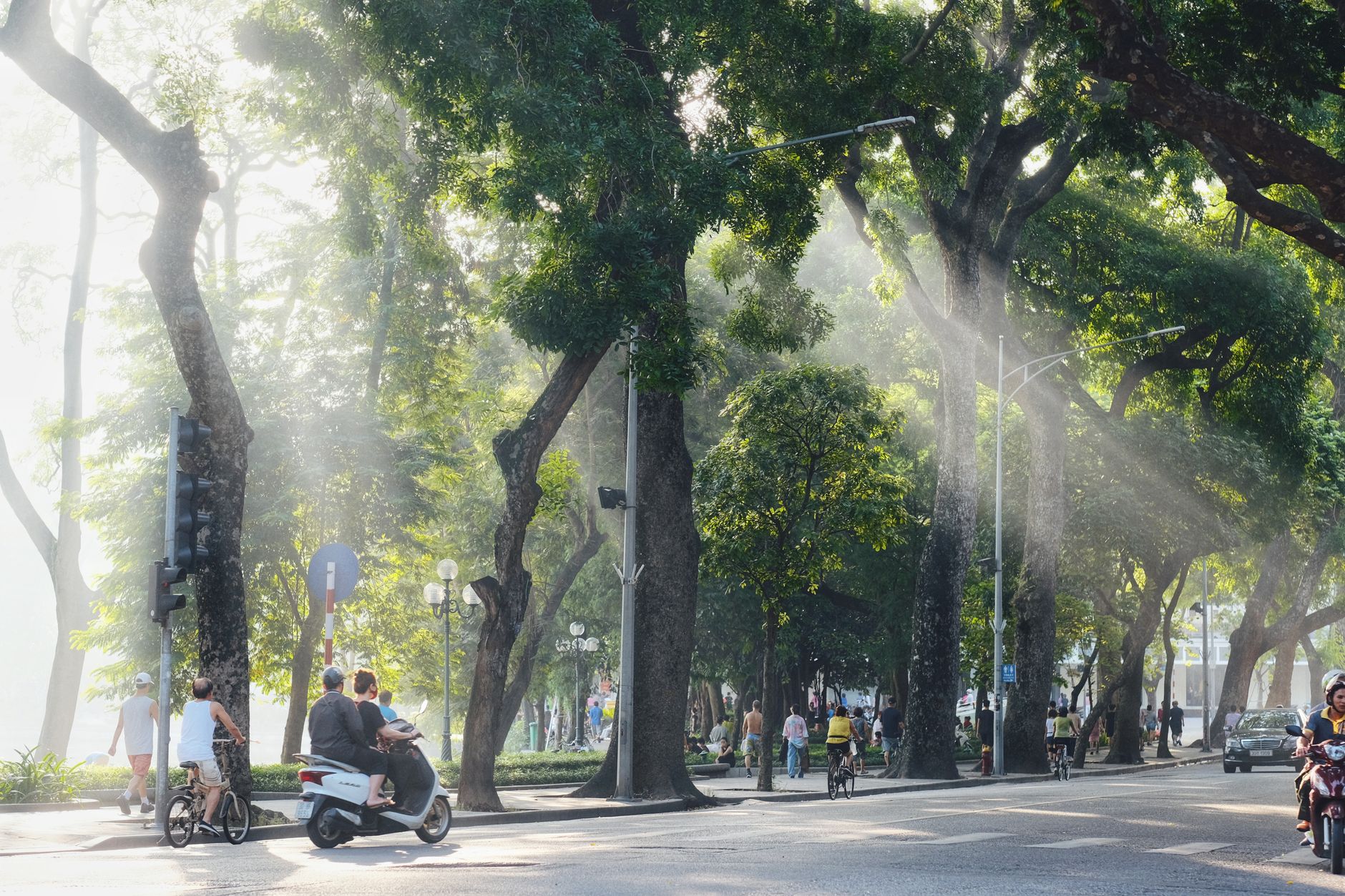
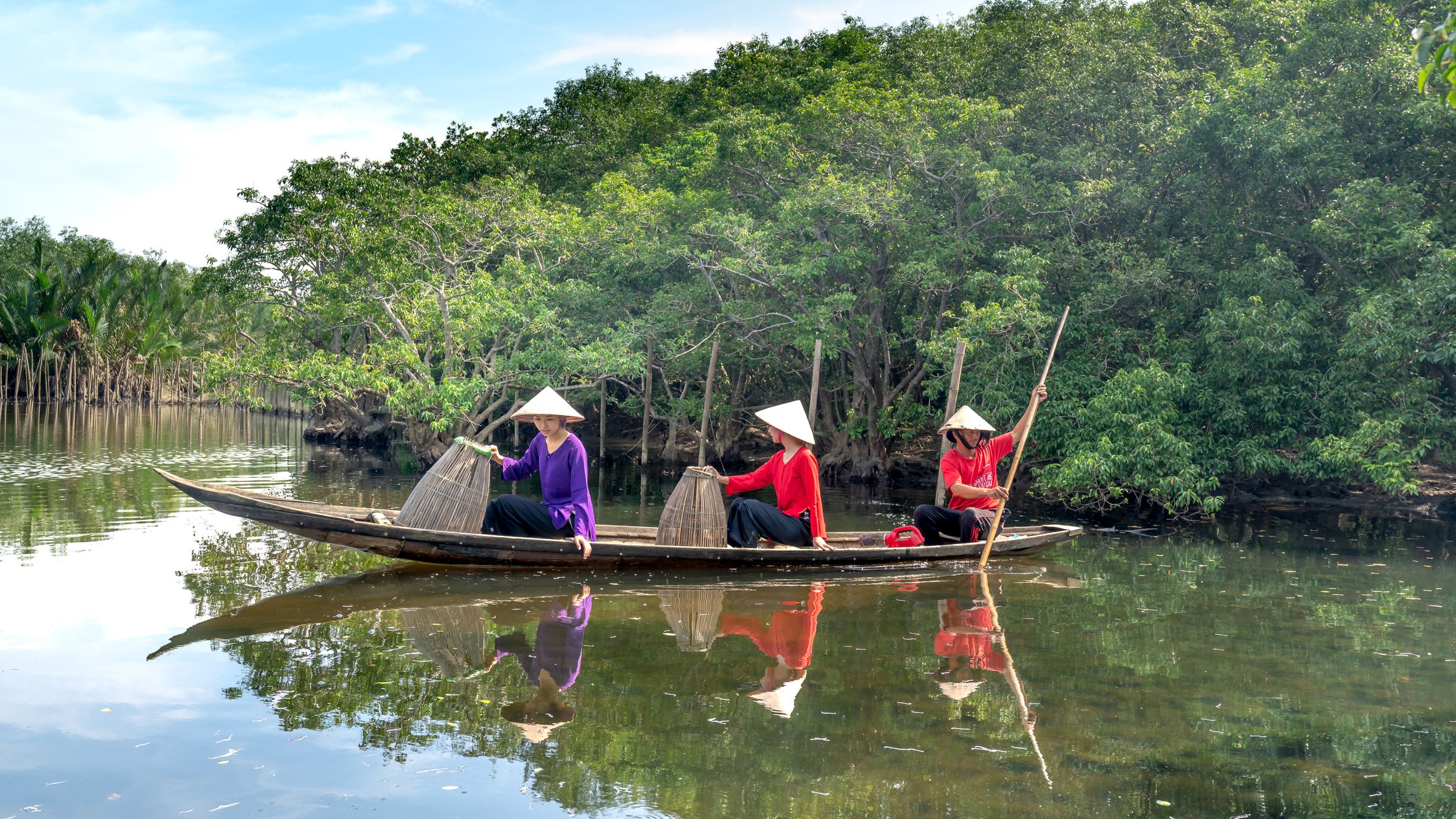
Hoi An is best experienced at dawn before the tour buses arrive. Walk the Ancient Town at 6:00 AM when the shopkeepers are setting up and the light is soft. Spend your time visiting the old merchant houses and the Japanese Covered Bridge. On day nine, cycle out to the An Bang beach area, but skip the main tourist beach—head further north toward the quieter stretches of sand. Food is the priority here. You must try "cao lau", a noodle dish that supposedly uses water from a specific local well to achieve its unique texture. In the evening, grab a "banh mi" from one of the famous stalls, though the smaller, nameless carts on the outskirts of the market are often better. On your final day, take a slow boat trip to the nearby craft villages or simply sit with a "vietnamese coffee" and watch the river traffic.
Practical notes
Transport between these cities is best handled via private car transfers if you have a group, or the "limousine" van services for solo travelers. Always confirm your luggage capacity before booking. For the best weather, aim for the dry season between March and August, as the central coast is prone to heavy flooding in the autumn months.
Last updated · May 30, 2026 · independently researched, never sponsored.