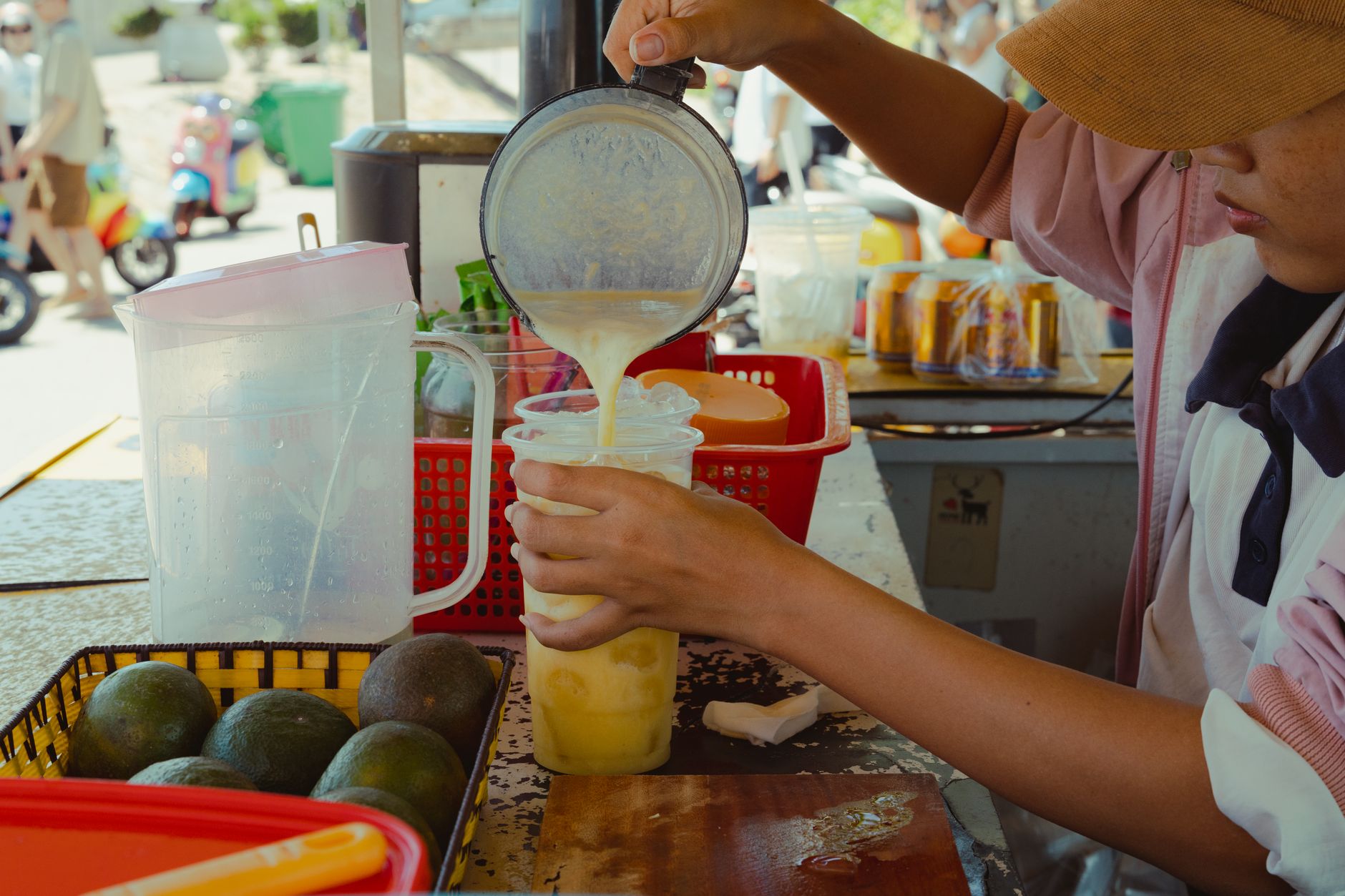
Walking into a Vietnamese cafe and just saying 'coffee' will get you something — but knowing the actual vocabulary gets you exactly what you want. Vietnam (베트남 / 越南 / ベトナム) has one of the most specific coffee cultures in Southeast Asia, and the ordering system is more like a shorthand code than a menu.
The Four Decisions You Make Every Time
Every coffee order in Vietnam comes down to four variables. Once you know them, you can walk up to any sidewalk stall from Hanoi to Saigon and order without pointing at anyone else's cup.
Hot or Iced: Nong vs Da
"Ca phe" means coffee. Tack on nong (hot) or da (iced) and you've made your first call. In the south, most locals default to iced — a glass of "ca phe sua da" over a full cup of ice is the default fuel of Saigon (사이공 / 西贡 / サイゴン) mornings. In Hanoi, especially in winter, nong is more common. Neither is wrong. Just decide before you sit down so you're not fumbling when the vendor looks at you.
Note: da literally means ice, not cold. You'll get a separate glass of ice in the north; in the south it usually comes already combined.
Black or Milk: Den vs Sua
Den means black. Sua means milk — specifically sweetened condensed milk, which is the standard in Vietnamese coffee. There is no fresh milk default unless you're at a Western-style cafe. If you want "ca phe sua da", you're getting strong drip coffee over condensed milk and ice. If you want "ca phe den da", it's black coffee over ice — bitter, intense, and very much an acquired taste that many locals in the Mekong Delta drink daily.
If you want something closer to a latte, ask for ca phe sua tuoi at shops that stock fresh milk. But at a sidewalk stall, don't expect it.
How It's Brewed: Phin vs May
This one matters more than people realize. Phin refers to the small metal drip filter that sits on top of your cup and slowly drips coffee over three to five minutes. It's the traditional method, and it produces a thick, almost syrupy concentrate. A "ca phe phin" order means you're waiting — bring patience or something to read.
May means machine, usually a semi-automatic espresso setup. Cafes that use may are faster and often produce a cleaner cup. Some old-school Saigon coffee shops use a sock filter (vot), which gives an even smoother result. You won't need to specify phin or may at most places — the house just uses one method — but if you see both, it's worth asking.
Strength: Dac vs Nhat
Dac means strong or thick. Nhat means light or weak. Most Vietnamese coffee is already strong by Western filter-coffee standards — the default robusta blend is high-caffeine and low-acid. If you're sensitive to caffeine, ask for nhat and the vendor will use less grounds or more water. If you want the full hit, ask for dac and brace yourself.
Putting It Together: Real Orders
Here's how actual orders sound when you string it together:
- Ca phe sua da — iced coffee with condensed milk (the most common order nationwide)
- Ca phe den nong — hot black coffee
- Ca phe sua nong — hot coffee with condensed milk
- Ca phe den da — iced black coffee
- Ca phe trung — "egg coffee", a Hanoi specialty where egg yolk is whipped with condensed milk into a thick foam; served hot or iced, mostly at specialist spots in Hanoi's Old Quarter
If you're in Hanoi and want something different, "ca phe trung" is worth trying at least once — it reads like dessert but functions like coffee.

Photo by 🇻🇳🇻🇳Nguyễn Tiến Thịnh 🇻🇳🇻🇳 on Pexels
Sidewalk Cafe Etiquette
This part doesn't get covered in most guides, but it's where you either blend in or stick out.
Sit down first. At most sidewalk stalls, you pick a low plastic stool, sit, and the vendor comes to you or makes eye contact. Don't queue at the counter like you're at a Western cafe.
Don't rush the phin. If you've ordered a drip filter, the vendor will bring it to you still dripping. You wait. Stirring before it's done is a minor social faux pas. Watch the locals — they're on their phones, reading the news, watching the street. The coffee dripping is part of the rhythm.
Price range. A ca phe sua da at a street stall runs about 15,000–25,000 VND. Sit-down cafes charge 35,000–55,000 VND. Anything above 60,000 VND and you're paying for atmosphere. Hanoi's famous egg coffee spots charge 45,000–65,000 VND per cup depending on location.
You can stay a while. Vietnamese coffee culture is not about grab-and-go. A cup and two hours at the same stool is completely normal. Nobody will rush you. The vendor might top up your glass of tea — green tea is often served free alongside coffee at traditional spots.
Ordering in Vietnamese is appreciated but not required. Saying "ca phe sua da" with confidence will get a smile almost anywhere. Don't overthink the tones — context does most of the work.
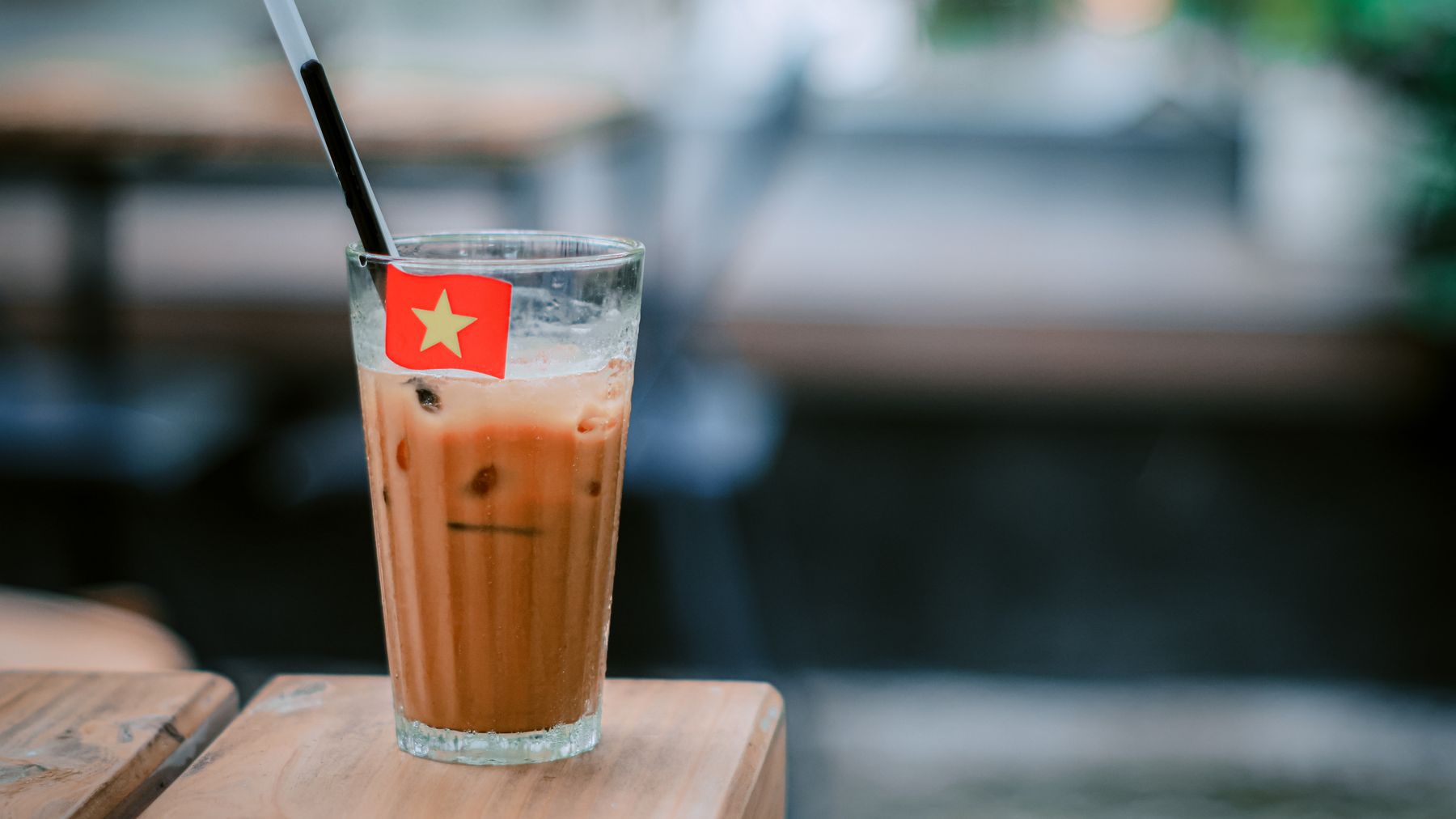
Photo by 🇻🇳🇻🇳Nguyễn Tiến Thịnh 🇻🇳🇻🇳 on Pexels
One Regional Note
If you travel south to the Mekong Delta or into Can Tho, you'll encounter "ca phe vot" — coffee brewed through a cloth sock filter in large batches. The result is smoother and slightly less bitter than phin. It's worth trying if you see it. In Hue and Da Nang, smaller, more bitter cups are common — locals drink less volume but stronger brew.
Practical Notes
Most street coffee stalls open by 6:30 a.m. and wind down by mid-morning — Vietnamese coffee culture is front-loaded into the early hours. If you show up at 10 a.m. to a sidewalk stall that was packed at 7 a.m., it might already be shutting down. Set your alarm, and go early.
Last updated · May 29, 2026 · independently researched, never sponsored.