What Lang Co Dong Son actually is
Lang Co Dong Son sits on the south bank of the Ma River, about 8 km west of Thanh Hoa city center. This is the village that gave its name to the Dong Son civilization — the Bronze Age culture that produced the famous Dong Son drums, some dating back over 2,000 years. Archaeologists first excavated the site in 1924, and the finds rewrote what scholars understood about Southeast Asian metallurgy.
The village itself is still lived in. Around 200 households occupy traditional homes along narrow lanes, some structures dating to the 19th century with wooden frames, tile roofs, and courtyards shaded by old trees. It's not a museum or a reconstruction — people farm, cook, and hang laundry here. That's what makes it interesting.
Why travelers go
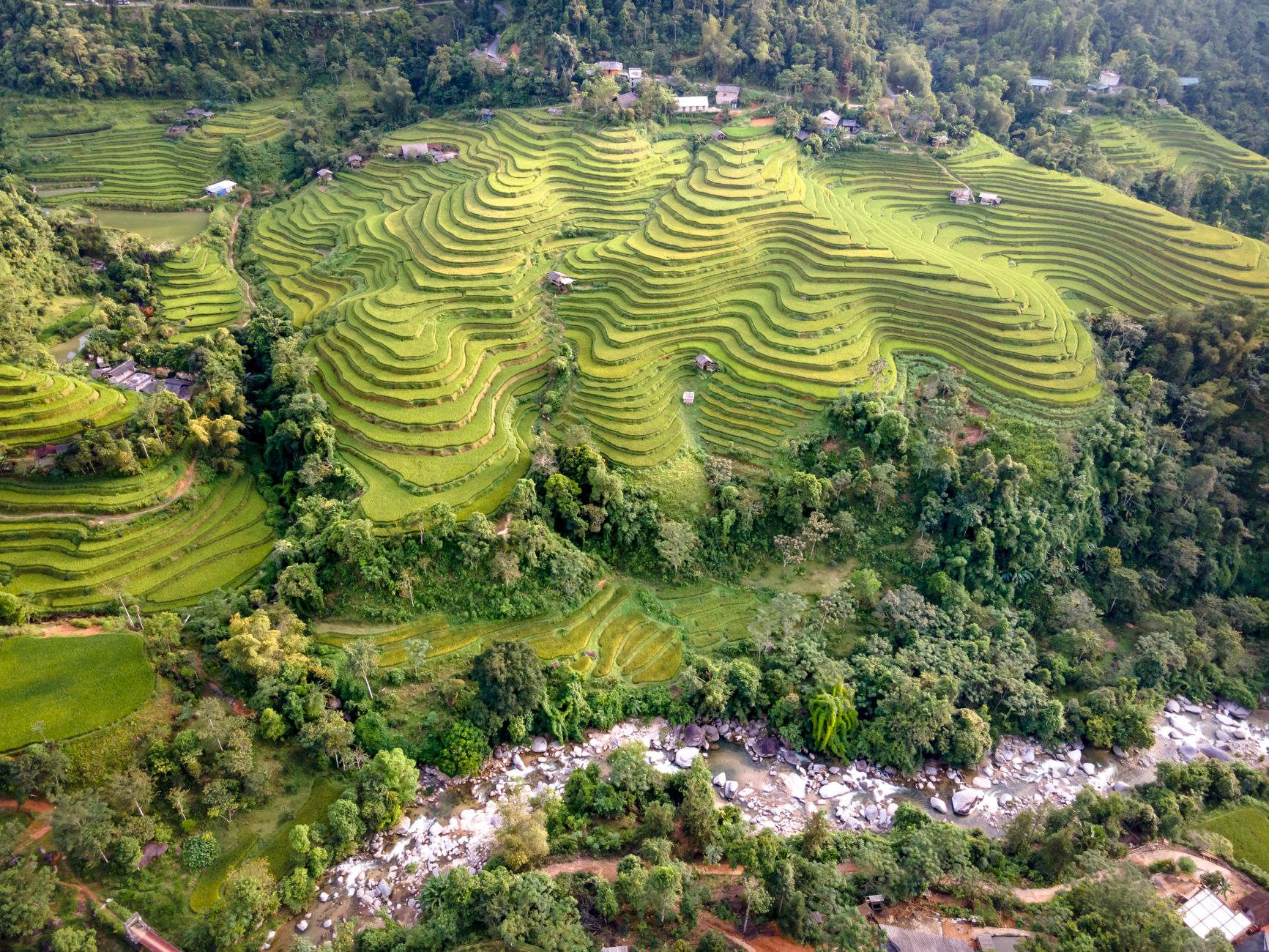
Most visitors to Thanh Hoa province head straight for Sam Son beach or the Ho Dynasty Citadel. Lang Co Dong Son gets a fraction of the traffic, which works in your favor. The draw is a combination of genuine archaeological significance, intact rural architecture, and the kind of quiet riverside atmosphere that's increasingly hard to find near Vietnamese cities.
If you've visited Bat Trang near Hanoi or Hoi An's old town and enjoyed the slower pace, this scratches a similar itch — just without the souvenir shops and tour buses. The village also sits along a photogenic stretch of the Ma River, with views across to limestone hills on the far bank.
Best time to visit
September through November is ideal. The summer heat has broken, rain tapers off by mid-October, and the river is still full enough to look good. Temperatures sit around 25-30°C.
Avoid June through August if you can — Thanh Hoa gets genuinely hot (35°C+) and humid, and afternoon downpours are common. The village lanes can get muddy after heavy rain. December to February is cooler (15-20°C) and dry, which is fine for visiting, though mornings can be grey and chilly by central Vietnam (베트남 / 越南 / ベトナム) standards.
If your trip coincides with Tet, the village holds communal rituals at its "dinh" (communal house) that are worth seeing — just know that many families will be occupied with their own celebrations.
How to get there
From Hanoi (하노이 / 河内 / ハノイ), the most practical route is the train to Thanh Hoa station. The SE trains take about 3-3.5 hours and cost 150,000-300,000 VND depending on seat class. Thanh Hoa station sits right in town.
From Thanh Hoa city center to Lang Co Dong Son, it's roughly 8 km heading west along the south bank of the Ma River. A Grab car costs around 60,000-80,000 VND. You can also rent a motorbike in town for about 120,000-150,000 VND per day, which gives you flexibility to explore the riverbank road at your own pace.
If you're coming from Hue or Da Nang, the Reunification Express train runs through Thanh Hoa — the ride from Hue takes about 8 hours.

Photo by Quang Nguyen Vinh on Pexels
What to do
Walk the old lanes and communal house
The village's "dinh lang" (communal house) is the social and spiritual center, with carved wooden beams and a layout that hasn't changed much in centuries. Wander the back lanes where houses still use rammed-earth walls and traditional wooden doors. The oldest homes cluster near the river end of the village. Don't rush — the details are in the courtyard layouts, the ancestor altars visible through open doors, and the way the village orients itself toward the water.
Visit the Dong Son archaeological display
A small exhibition space in the village shows replicas of Dong Son drums and tools excavated from the area. The originals are mostly in Hanoi's National Museum of History, but the local display gives enough context to understand what was found here and why it mattered. Signage is basic — a quick read about the Dong Son culture before you arrive helps.
Walk or cycle the Ma River bank
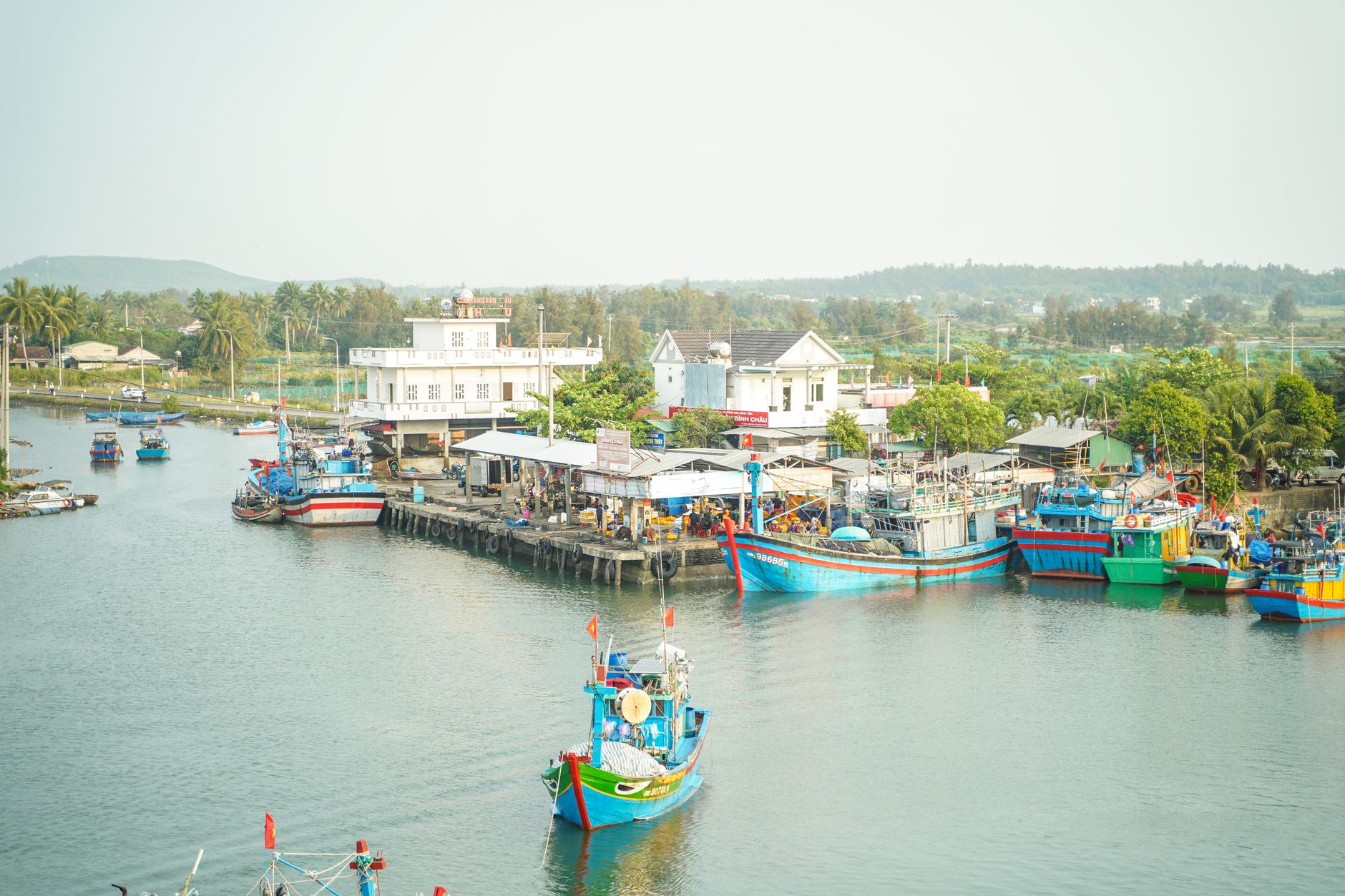
The road running along the river west of the village is flat, quiet, and lined with fields and small temples. Early morning is best — local fishermen work the river, and the light on the water is good. A 5 km out-and-back ride takes less than an hour and gives you a sense of how the village connects to the broader landscape.
Watch local craft work
Some households still practice traditional crafts, including rice paper making and bamboo weaving. This isn't staged for visitors — you'll need to walk around and see who's working. If someone is making "banh da" (dried rice crackers) in their courtyard, it's fine to watch from the lane. A smile and a nod go further than a camera.
Cross the river by boat
Local boats occasionally ferry people across the Ma River. If you can find a boatman willing to take you (ask around — 20,000-30,000 VND is reasonable), the short crossing gives a good perspective back on the village and the riverbank.
Where to eat nearby
Thanh Hoa province is known for "nem chua" — fermented pork wrapped in banana leaves with a sour, funky bite. You'll find it sold everywhere in the city, but the versions from small producers around the Ma River area tend to be better than the factory-packaged kind. Eat it with fresh herbs and a cold beer.
For a proper meal, head back into Thanh Hoa city. "Banh cuon" here is served with a pork-and-mushroom filling and a lighter dipping sauce than the Hanoi version. Market stalls near Thanh Hoa's central market do a solid bowl for 25,000-35,000 VND. If you want something more substantial, look for "com tam" at the lunch spots along Le Loi street — broken rice with grilled pork, a fried egg, and pickled vegetables for around 40,000-50,000 VND.
Where to stay
There's no accommodation in Lang Co Dong Son itself. Stay in Thanh Hoa city.
- Budget: Guesthouses and mini-hotels near Thanh Hoa station run 200,000-350,000 VND per night. Basic but clean, with air conditioning and wifi.
- Mid-range: Newer hotels along Phan Chu Trinh and Quang Trung streets offer rooms for 500,000-800,000 VND with breakfast included.
- Upper mid-range: The Muong Thanh Grand Thanh Hoa is the most comfortable option in town, around 900,000-1,200,000 VND per night.

Photo by Karolina on Pexels
Practical tips locals would tell you
- Bring cash. There are no ATMs or shops in the village.
- Wear shoes you don't mind getting dusty (or muddy, if it's rained). The lanes are unpaved.
- The village has no entrance fee as of 2024, but this could change. Don't be surprised if a small contribution is requested at the communal house.
- Vietnamese coffee from a roadside stall in the village or along the river road costs 10,000-15,000 VND and is worth the stop.
- If you want to photograph people's homes or altars, ask first. A polite "cho em chup anh duoc khong?" (can I take a photo?) goes a long way.
Common mistakes to avoid
- Expecting a polished tourist site. This is a working village, not an open-air museum. There are no English signs, guided tours, or gift shops. That's the point.
- Only spending 30 minutes. Give it at least 2-3 hours to walk properly, sit by the river, and absorb the pace. It rewards slowness.
- Skipping Thanh Hoa entirely. Most travelers pass through Thanh Hoa on the way to somewhere else. The city itself isn't exciting, but between Dong Son, the Ho Dynasty Citadel (a UNESCO site 45 km west), and the food, it's worth an overnight.
Practical notes
Lang Co Dong Son pairs well with a day trip to the Ho Dynasty Citadel if you have a motorbike or hire a car. Budget a full day for both. The village is best treated as a slow, quiet morning before heading onward — it's the kind of place that sticks with you precisely because nothing is trying to impress you.
Last updated · May 29, 2026 · independently researched, never sponsored.