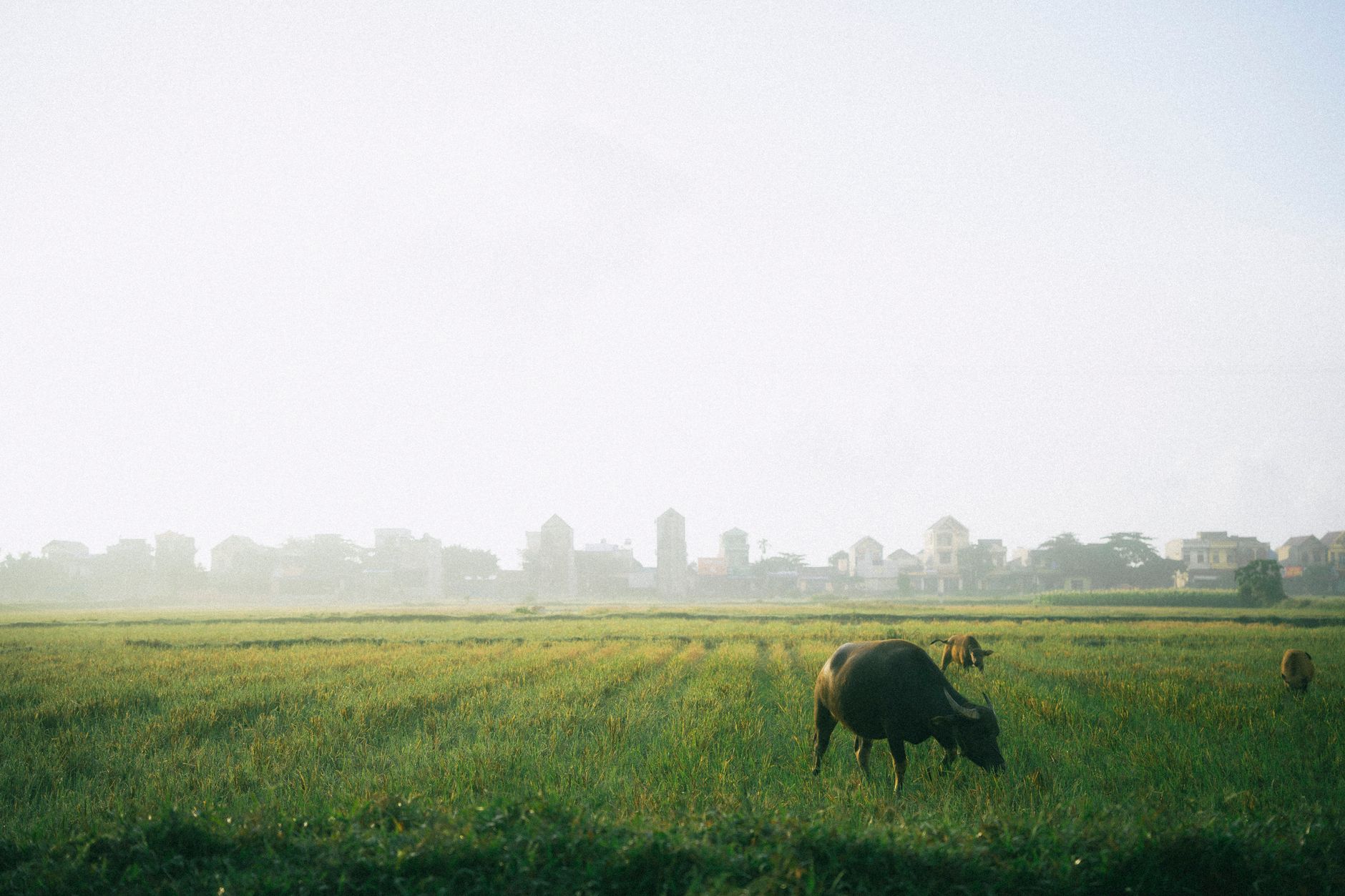
Lang Co is a quiet coastal town in Phu Loc district, Thua Thien Hue province—sandwiched between the Truong Son mountains and the sea. Lang Co Bay has clear blue water and white sand and sits roughly halfway between Da Nang (25 km south) and Hue (60+ km north). Most travelers pass through on the drive between these two cities; a 48-hour stop turns the pass-through into a real stay.
The town itself is small—one main road, a handful of guesthouses, a market, and a string of seafood shacks facing the water. That's the appeal. You're not here for nightlife or shopping. You're here because this strip of coast, pressed between Bach Ma's jungle ridgeline and the East Sea, is one of the few places in central Vietnam where you can swim in the morning, hike a cloud forest before lunch, and watch the sun drop behind a lagoon by dinner.
Quick Reference: Lang Co at a Glance
- Location: Phu Loc district, Thua Thien Hue province. 25 km north of Da Nang, 60+ km south of Hue city
- Nearest airport: Da Nang (다낭 / 岘港 / ダナン) International (DAD), 35–45 minutes by car
- Train station: Lang Co station on the Reunification Express line (limited stops; check schedule)
- Best months: October–April (cool, dry, water is calm)
- Avoid: August–October peak typhoon window
- Budget accommodation: 400,000–800,000 VND/night (guesthouses, homestays)
- Mid-range resorts: 1,000,000–1,500,000 VND/night
- Luxury resorts: 3,000,000–10,000,000 VND/night
- Average seafood meal: 150,000–250,000 VND/person at a beach shack
- Grab/taxi Da Nang to Lang Co: approximately 350,000–500,000 VND one way
- Motorbike rental in town: 120,000–150,000 VND/day
- Key phrase: "Tinh tien" (check, please) and "Bao nhieu?" (how much?)
Day 1: Mountain, Resort, Beach Dinner
Morning: Bach Ma National Park
Bach Ma is 20 km inland from Lang Co town, a half-day trip. The main draw is Bach Ma Peak at 1,450 meters—cool air, forest, and views. A typical half-day itinerary: drive to the peak, visit Hai Vong Dai (a lookout), then trek down to Ngu Ho ("Five Lakes" tucked in the forest) and Do Quyen Waterfall. Temperature drops noticeably as you climb; bring a light jacket.
Park entrance costs 60,000 VND for adults and 20,000 VND for children. If you don't have your own vehicle, a jeep shuttle from the gate to the summit area runs around 350,000–400,000 VND per trip (fits 4–6 people, so split the cost if you can pair up with other visitors). The road is steep and narrow—motorbikes are technically allowed but not recommended for inexperienced riders, especially in wet weather when the surface gets slick.
The Ngu Ho trail takes roughly 2–3 hours round trip and involves some uneven stone steps, so proper shoes matter more than fitness. Bring water; there's no kiosk past the summit car park. The forest canopy keeps you cool even in summer, and if the clouds lift you can see Lang Co Bay spread out far below.
If you have 2–3 days, longer treks are available. Some travelers stay in an old French-era villa on the way up or camp inside the park.
Afternoon: Check Into a Resort
Lang Co Bay has three main beach clusters: Canh Duong, Lang Co proper, and Binh An. Most overnight visitors stay beachfront. Options range from mid-range (Lang Co Bay Retreat, Lang Co Beach Resort, Thanh Tam Seaside Resort; up to 1.5 million VND/night) to luxury (Vedana Lagoon Wellness Resort & Spa on Cau Hai Lagoon, Angsana Lang Co, Banyan Tree Lang Co; 3–10 million VND/night). Spend the afternoon settling in, maybe a swim or beach walk.
A few practical notes on choosing where to stay. The Banyan Tree and Angsana properties sit on the Canh Duong side, which is quieter and more manicured—good if you want a self-contained resort day. Lang Co Beach Resort and Thanh Tam are closer to town, meaning you can walk to the market or local food stalls in the evening without needing a car. Vedana Lagoon is set back from the coast on Cau Hai Lagoon itself; the vibe there is stillness rather than surf. If you're on a tighter budget, a handful of family-run guesthouses along the main road offer clean rooms with fans for 400,000–600,000 VND—no pool, no spa, but the beach is a two-minute walk.
Evening: Seafood by the Sea
Dine at your resort restaurant, or head to Canh Duong Beach (7 km off National Highway 1A, near Angsana and Banyan Tree). Casual seafood spots line the shore; budget 200,000 VND per person. If you're in a group and want to camp directly on the beach, local operators offer full setups.
Ordering seafood in Lang Co works the same way it does across central Vietnam: walk up to the tank or ice display, point at what you want, agree on a price per kilogram before anything gets cooked, and specify your cooking style. "Nuong" means grilled, "hap" means steamed, "xao" means stir-fried. Grilled squid with chili salt ("muc nuong muoi ot") is a reliable order at almost every place. Crab and mantis shrimp are common here, priced by weight—expect to pay 250,000–400,000 VND per kg for crab depending on the season. Always confirm the total before the food hits the grill.

Image by CEphoto, Uwe Aranas via Wikimedia Commons (CC BY-SA)
Day 2: Lagoons and a Pass
Morning: Coffee and the Resort
Start easy. Jog, cycle, or do yoga on the beach. Watch the sunrise if you're up. Breakfast at the resort with sea views and coffee.
If you want proper Vietnamese coffee rather than the buffet version, look for a small "ca phe" stand near the Lang Co market area. A glass of "ca phe sua da (연유커피 / 越南冰咖啡 / ベトナムアイスコーヒー)"—dark roast dripped through a metal filter over condensed milk and ice—costs 15,000–25,000 VND. It's stronger and sweeter than what most foreigners expect. Sit on a plastic stool, watch the fishing boats, and take your time. That's the ritual. If you're heading north to Hue afterward, you can try egg coffee there—it's a Hanoi original, but a few Hue cafes serve their own version.
Late Morning: Lap An Lagoon at Low Tide
Lap An Lagoon (also called An Cu Lagoon) sits near National Highway 1A at the foot of Phu Gia Pass. The water is clear and shallow. The real magic happens at low tide: a walking path appears across the water. Go early morning to catch it. Near the lagoon is a small fishing village with local restaurants—perfect for lunch.
Timing matters here. Check the tide table for Lang Co the night before—a quick search online or a question at your hotel front desk will give you the window. Low tide typically exposes the sandbar for 2–3 hours. At its shallowest, the water barely covers your ankles and the lagoon looks like a mirror laid flat against the mountains. This is also the best window for photos: early light, calm water, no crowds. By mid-morning on weekends, domestic visitors start arriving in numbers.
Try "banh canh cha cua" (crab noodle cake soup), "tiet canh" (raw blood pudding), and "goi so huyet" (blood cockle salad)—local specialties not found everywhere.
A note on "tiet canh": this is raw blood pudding mixed with herbs, peanuts, and cooked meat. It's a traditional dish but carries health risks (avian flu, bacterial infection) that the Vietnamese government has repeatedly warned about. Many locals still eat it; most foreigners skip it. Your call, but know what you're ordering.
Afternoon: Hai Van Pass by Road
Most drivers use the Hai Van Tunnel (fast, modern). But if you've never crossed the pass itself, take the scenic 20 km route. You'll see Lang Co spread out to the north and Da Nang sprawling south. Hai Van Quan (Hai Van Gate) marks the border between Da Nang and Thua Thien Hue—it's unstaffed now but worth the photo stop. The road is quiet and well-maintained.
The pass tops out at roughly 500 meters above sea level. On clear days, visibility stretches across the full sweep of Da Nang Bay to the south and Lang Co Bay to the north. On foggy days—common from November through February—you'll drive through clouds, which has its own atmosphere but limits the views. The road itself is well-paved with guardrails, but there are sharp switchbacks. If you're on a motorbike, take it slow and stay in your lane; trucks still use the old road occasionally.
This is the same route that Top Gear once called one of the best coastal roads in the world, and it regularly appears on motorcycle touring lists. If you're not comfortable driving it yourself, any hotel or resort in Lang Co can arrange a car with driver for roughly 500,000–700,000 VND for a half-day round trip.
Optional: Other Sights
Cau Hai Lagoon is another lagoon option. Tam Giang Lagoon has good sunset views. Hai Van Bac Station is an abandoned French-era railway stop. Don Ca Bridge (an arched stone bridge at the foot of the pass) is photogenic.
If you have extra time and want to push further, Hoi An is only about 50 km south of Lang Co via Da Nang—doable as a half-day side trip if you leave early. And heading north, the Imperial Citadel and the Tomb of Tu Duc in Hue are the obvious cultural anchors for a longer central Vietnam loop.

Image by Vyacheslav Argenberg via Wikimedia Commons (CC BY-SA)
What to Eat Beyond Seafood
Lang Co's food scene is small but tied into the broader central Vietnamese kitchen. Beyond the seafood shacks, keep an eye out for:
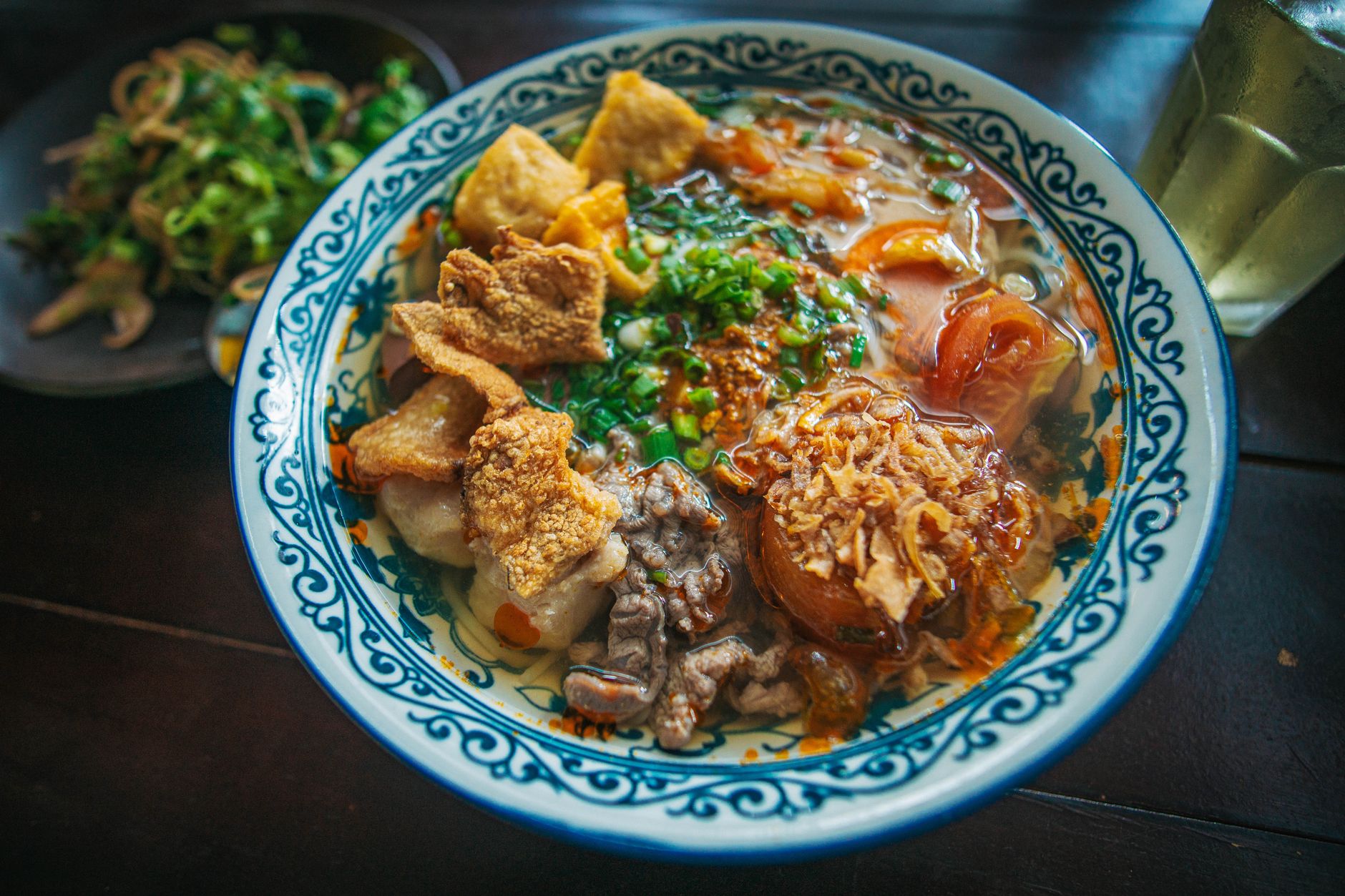
- "Bun bo Hue" — the spicy, lemongrass-heavy beef noodle soup that's the signature dish of nearby Hue. Some Lang Co restaurants serve a version; it won't match the best bowls in Hue proper, but it's solid. Expect 35,000–50,000 VND.
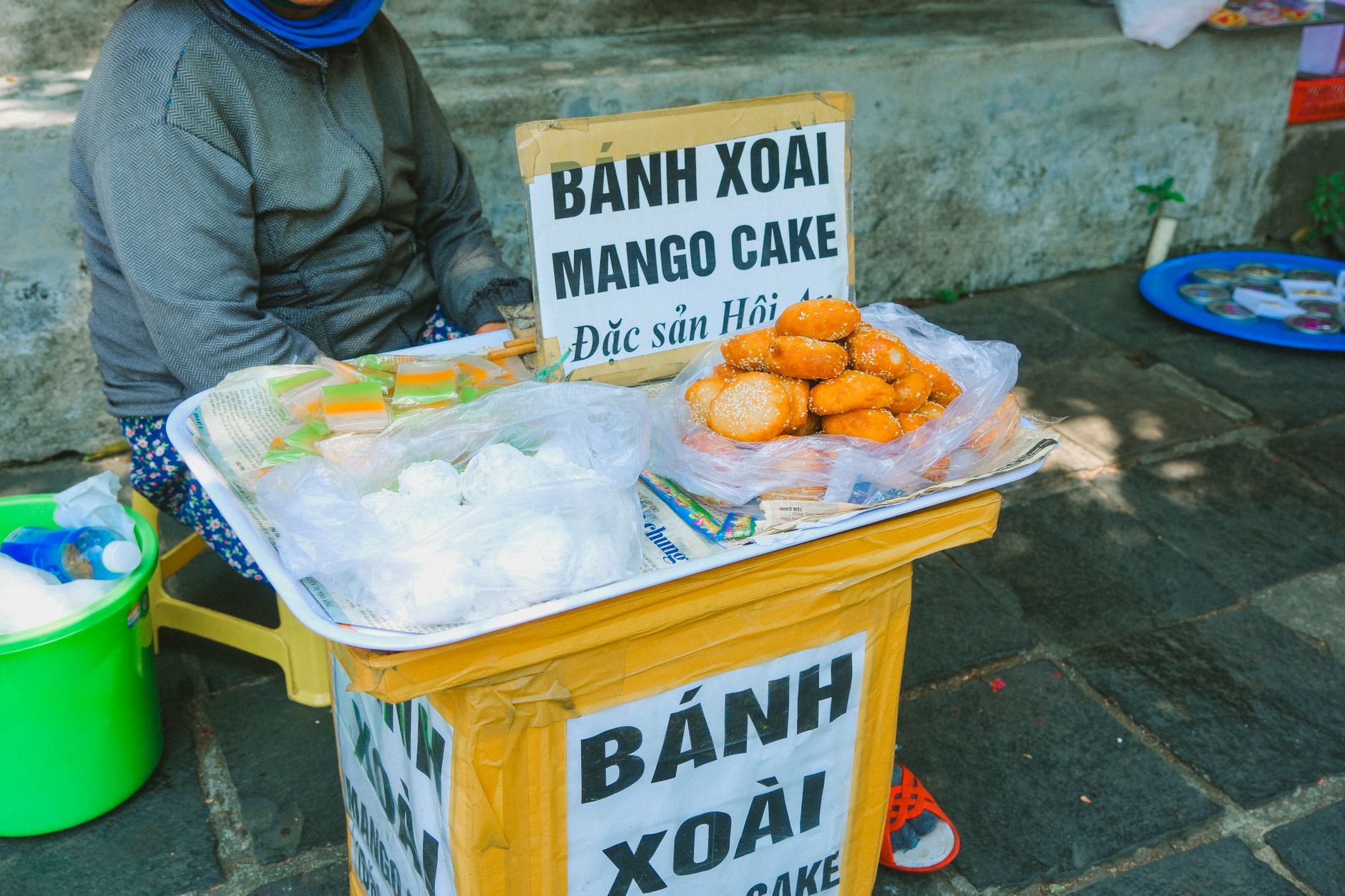
- "Banh xeo" — crispy turmeric crepes stuffed with shrimp, pork, and bean sprouts. Central Vietnamese "banh xeo" tends to be smaller and crispier than the Saigon version. Wrap a piece in rice paper with herbs and dip in "nuoc cham." Around 30,000–50,000 VND per serving.
- "Com tam" — broken rice with grilled pork, common across Vietnam but easy to find at roadside stalls along Highway 1A. A full plate runs 35,000–45,000 VND.
- Fresh "goi cuon" — rice paper rolls with shrimp, herbs, and vermicelli. Light, no cooking required, perfect in the heat. 40,000–60,000 VND for a plate of 3–4 rolls.
If you're driving south toward Da Nang after your two days, mi quang and banh mi are both better eaten there—Da Nang's "banh mi" stalls and "mi quang" shops are among the best in the country.
Getting Around Lang Co
Lang Co is spread out along the coast, so walking everywhere isn't practical unless you're staying in town center and sticking close.
- Motorbike rental is the easiest option. Most guesthouses and some resorts rent them for 120,000–150,000 VND/day. You'll need a valid license (international driving permit with motorcycle endorsement, technically). Helmets are required by law.
- Bicycle rental works for short distances—town to beach, resort to lagoon—but the heat between May and September makes longer rides uncomfortable. Some resorts provide bikes free to guests.
- Grab works in Lang Co, though driver availability is limited. You'll have better luck booking a Grab car from Da Nang to Lang Co than finding one locally. For local trips, ask your hotel to call a taxi or arrange a car.
- The Reunification Express stops at Lang Co station, but only certain trains (mostly local services). It's a romantic way to arrive from Hue—the train crosses the lagoon on a causeway—but check the schedule carefully. Tickets from Hue to Lang Co cost around 50,000–80,000 VND for a hard seat.
Common Mistakes Visitors Make
Treating Lang Co as a day trip. Plenty of tour buses stop for 30 minutes at the Hai Van Pass overlook and keep driving. That's fine if all you want is a photo, but the lagoon, the beach, and Bach Ma deserve overnight time. One night minimum; two is better.
Skipping the old road for the tunnel. The Hai Van Tunnel saves 20 minutes. The old pass road gives you one of the best drives in Southeast Asia. If you're not in a rush—and in Lang Co, you shouldn't be—take the pass at least one direction.
Not checking the tide for Lap An Lagoon. Showing up at high tide means you'll see a nice lagoon. Showing up at low tide means you can walk across it. The difference is significant. Ask your hotel or check online the evening before.
Expecting Hoi An-level dining. Lang Co has good seafood and a few solid local dishes, but it's a small town. If you want craft cocktails or international restaurants, save that for Da Nang or Hoi An. Come here for grilled fish and bia hoi on plastic chairs.
Underestimating Bach Ma's weather. It's 1,450 meters up. Even when Lang Co beach is 35°C, the summit can be 18–20°C with wind and mist. Bring a jacket and rain layer. The trail to Ngu Ho gets slippery after rain.
Forgetting cash. ATMs exist but aren't on every corner. Most seafood shacks and small guesthouses are cash only. Resorts take cards, but bring enough VND for meals, fuel, and park entrance fees. 1,000,000–2,000,000 VND in cash for two days of local spending is a reasonable buffer.
Practicalities
Getting there: Fly into Da Nang (25 km south). Hanoi to Da Nang is roughly 2 hours by air, 16+ by road. Saigon to Da Nang is 2 hours by air.
When to visit: October–April (cool and dry). May–September is hot and humid; typhoon season peaks August–October.
Driving vs. tours: The 48-hour plan assumes self-drive or rental car. If you prefer guided tours, ask your resort or arrange through Da Nang tourism operators.
Language: English is spoken at resorts and major restaurants. Vietnamese speakers will have an easier time in the fishing village by the lagoon. A few useful phrases beyond "bao nhieu" (how much): "khong co" (don't have / no), "ngon lam" (very delicious—always appreciated), and "mot, hai, ba, yo!" (the Vietnamese drinking cheer, one-two-three-cheers, which you'll hear at any dinner table with beer).
Frequently Asked Questions
How far is Lang Co from Da Nang and how do I get there?
Lang Co sits 25 km north of Da Nang, roughly 35-45 minutes by car. A Grab or taxi from Da Nang runs approximately 350,000-500,000 VND one way. You can also arrive by train on the Reunification Express line, which stops at Lang Co station, though the schedule has limited stops and should be checked in advance.
What does a typical day of activities look like in Lang Co?
A 48-hour stay covers considerable ground without rushing. On day one, Bach Ma National Park is 20 km inland — the Ngu Ho trail takes 2-3 hours round trip and park entry costs 60,000 VND for adults. Afternoons suit a beach swim at Lang Co Bay. The bay sits between the Truong Son mountains and the East Sea, so mornings, forest hikes, and lagoon sunsets are all within reach on the same day.
When is the best time to visit Lang Co for beach and hiking?
October through April offers cool, dry weather with calm water — the most reliable window for both swimming and hiking at Bach Ma. Avoid August through October, which falls within the peak typhoon season for central Vietnam. The forest canopy at Bach Ma keeps temperatures manageable even in summer, but wet weather makes the steep, narrow road to the summit slick and more difficult to navigate.
Bottom Line
Lang Co doesn't try to compete with Da Nang's energy or Hoi An's old-town charm. It sits in between, literally and figuratively—a place where the mountains meet the sea and not much else happens. That's exactly why it works for 48 hours. Come for the pass, stay for the lagoon, eat well, sleep with the windows open, and leave before you run out of things to do.
Last updated · May 29, 2026 · independently researched, never sponsored.