What Luc Ngan is and why it matters
Luc Ngan is a sprawling agricultural district northeast of Hanoi, historically part of Bac Giang province and now folded into the expanded Bac Ninh administrative area. The name might not ring a bell, but if you've eaten a lychee in Vietnam (베트남 / 越南 / ベトナム), there's a decent chance it grew here. The district accounts for roughly half of the country's total lychee output — around 100,000 tonnes in a good year — and the fruit has held a Geographical Indication tag since 2008, one of the first in the country.
Beyond lychees, the rolling hills produce longan, plums, oranges, and pomelo across different seasons, keeping the orchards productive nearly year-round. The landscape is low mountains covered in fruit trees, broken up by reservoirs, small Tay and Nung ethnic-minority villages, and the occasional pagoda perched on a ridge. It's not a polished tourist zone — that's part of the appeal.
Why travelers go
Most visitors come for the lychee harvest in June and July, when the hillsides turn red-speckled and the roadsides are lined with baskets of fruit selling for 15,000–30,000 VND per kilogram. But the draw isn't just cheap fruit. Luc Ngan offers a window into rural northern Vietnam that's only a couple of hours from Hanoi (하노이 / 河内 / ハノイ) — no overnight bus, no multi-day commitment. You walk through working orchards, eat lunch at a family home, and get back to the capital by dinner.
There's also a growing community-based tourism circuit here. A handful of homestays in minority villages have opened up, and the local government has marked a few hiking and cycling routes through the hills. It's low-key, uncommercialised, and genuinely interesting if you like seeing how food gets from tree to market.
Best time to visit
June to mid-July is peak lychee season and the main reason most people come. The fruit is at its sweetest, the orchards are buzzing with activity, and harvest festivals pop up in the first two weeks of June. Expect heat — daytime temperatures hit 35°C regularly — and occasional afternoon rain.
August to October brings longan season, which is quieter but still worth a trip if you prefer fewer visitors. The landscape stays green and the reservoirs are full.
November to February is citrus season — oranges, tangerines, pomelo. Cooler weather (15–22°C), misty mornings, and almost no other tourists. This is a good window if you want the orchards to yourself.
March to May is the gap between seasons. The trees are flowering but there's not much fruit to pick. Skip it unless you're specifically interested in the blossoming hillsides.
How to get there from Hanoi
Luc Ngan town sits about 130 km northeast of central Hanoi. You have a few options:
- Bus: Catch a coach from My Dinh or Gia Lam bus station to Bac Giang city (60,000–80,000 VND, roughly 2 hours), then transfer to a local bus or minivan to Luc Ngan town (another 40 minutes, 30,000 VND). Buses run frequently until about 5 PM.
- Motorbike: The most flexible option. Take QL1A north to Bac Ninh, then cut east on DT293 through Lang Giang toward Luc Ngan. About 3 hours depending on traffic out of Hanoi. The final stretch through the hills is the best part of the ride.
- Private car/taxi: Grab or a pre-booked car runs 1.2–1.5 million VND one way. Comfortable but pricey unless you split with others.
There's no train station in Luc Ngan. The nearest railway stop is Bac Giang city.

Photo by Vietnam Hidden Light on Pexels
What to do
Walk through a working orchard
This is the main event. Several farms in the communes of Hong Giang, Quy Son, and Tan Moc welcome visitors during harvest season. You can pick fruit directly, learn about the grafting techniques that make Luc Ngan lychees distinct (the "thieu" variety here has a thinner skin and smaller seed than southern lychees), and buy directly from the farmer. Expect to pay 20,000–40,000 VND for an entry-and-pick experience, depending on the farm.
Hike to Khe Ro Primeval Forest
About 25 km east of Luc Ngan town, Khe Ro is a protected forest area straddling the border with Lang Son province. The trails run 5–8 km through old-growth canopy with streams and small waterfalls. It's not strenuous but you'll want proper shoes. No entrance fee at time of writing, though a local guide (around 200,000 VND) helps with navigation.
Visit Am Vai Pagoda
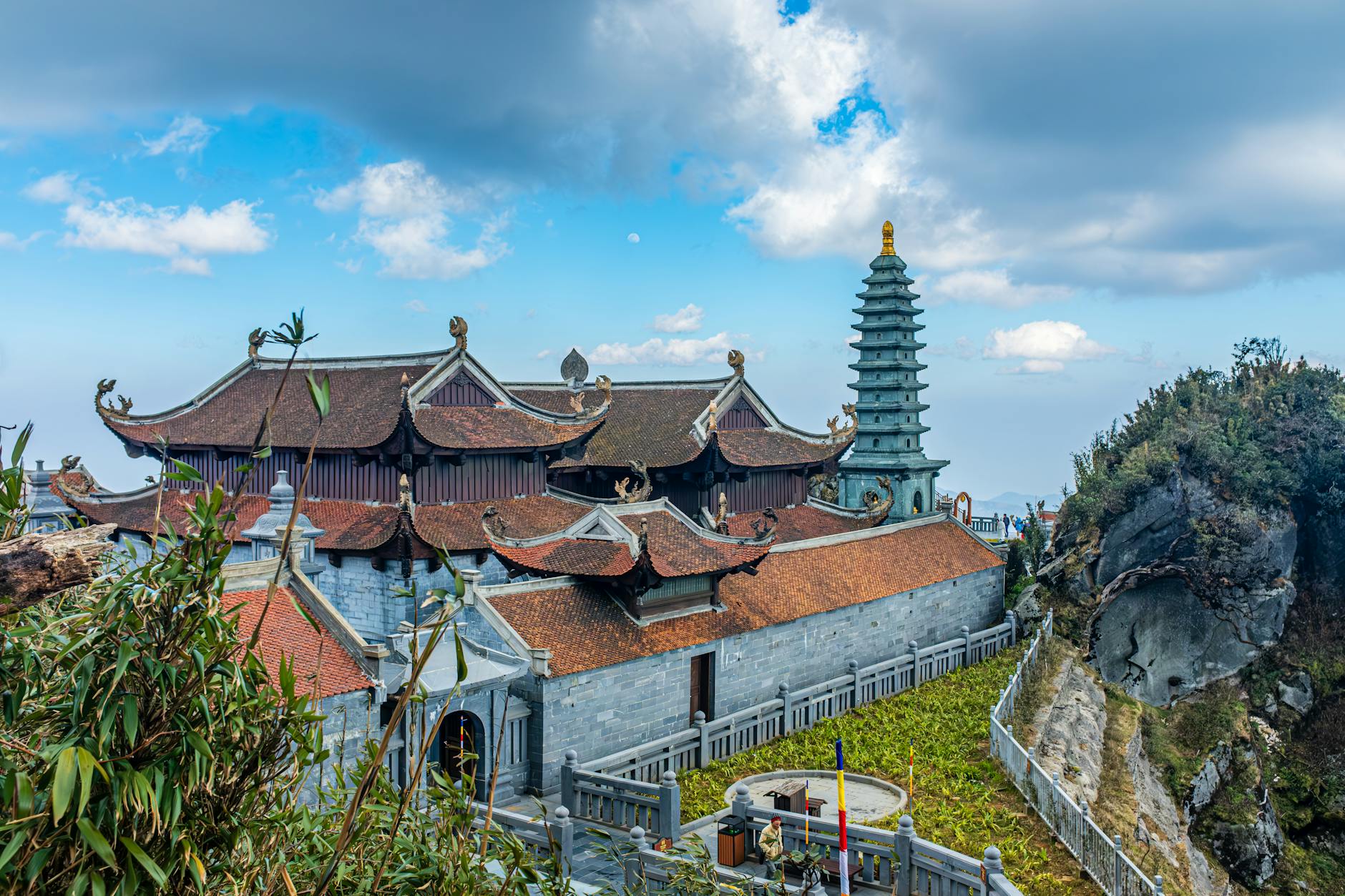
Perched on a hill overlooking Cam Son Lake, Am Vai is a small Buddhist pagoda with roots going back several centuries. The climb is short — maybe 20 minutes — and the view over the reservoir and surrounding orchards is worth the sweat. It gets busy during the [Lunar New Year](/posts/tet / 越南春节 / テト)-lunar-new-year-guide) period around Tet but is quiet the rest of the year.
Cycle the reservoir loop
Cam Son Lake has a rough road circling most of its shoreline, about 15 km total. Rent a bicycle in Luc Ngan town (50,000–80,000 VND per day) or ride your own motorbike. The loop passes through several small villages, fish farms, and fruit orchards. Early morning is best — the light is good and the road is empty.
Browse Chu Market
Chu Market (Cho Chu) in Luc Ngan town is the commercial hub for the region's fruit trade. During lychee season it runs from about 4 AM, with trucks loading up for Hanoi and beyond. Even outside peak season, it's a solid local market with fresh produce, dried fruits, and "nem chua" — fermented pork wrapped in banana leaf — sold by vendors near the entrance.
Where to eat nearby
Luc Ngan isn't a food-tourism destination, but two things are worth seeking out:
- "Ga doi" (hill chicken): Free-range chicken raised on the hillsides, usually grilled over charcoal or steamed with lemon leaves. Several small restaurants along the main road in Luc Ngan town serve it. A whole chicken runs 250,000–350,000 VND and feeds three or four people.
- Lychee-based desserts: During season, look for "che vai" — a chilled sweet soup with fresh lychee, tapioca, and coconut milk — at market stalls. Around 15,000 VND a cup.
For a proper sit-down meal, Bac Giang city (40 minutes west) has more options, including decent "bun cha" and "pho" shops.
Where to stay
- Homestays in Luc Ngan: A few families in Hong Giang and Tan Moc communes offer basic rooms, usually 200,000–350,000 VND per night including breakfast. Don't expect air conditioning everywhere — fans are standard.
- Guesthouses in Luc Ngan town: Simple but functional, 300,000–500,000 VND per night. Nha Nghi Thanh Binh and Nha Nghi Hoang Gia are two that come up repeatedly.
- Hotels in Bac Giang city: If you want more comfort, stay in Bac Giang and day-trip to Luc Ngan. Rooms at Muong Thanh Bac Giang or similar mid-range hotels run 600,000–900,000 VND.
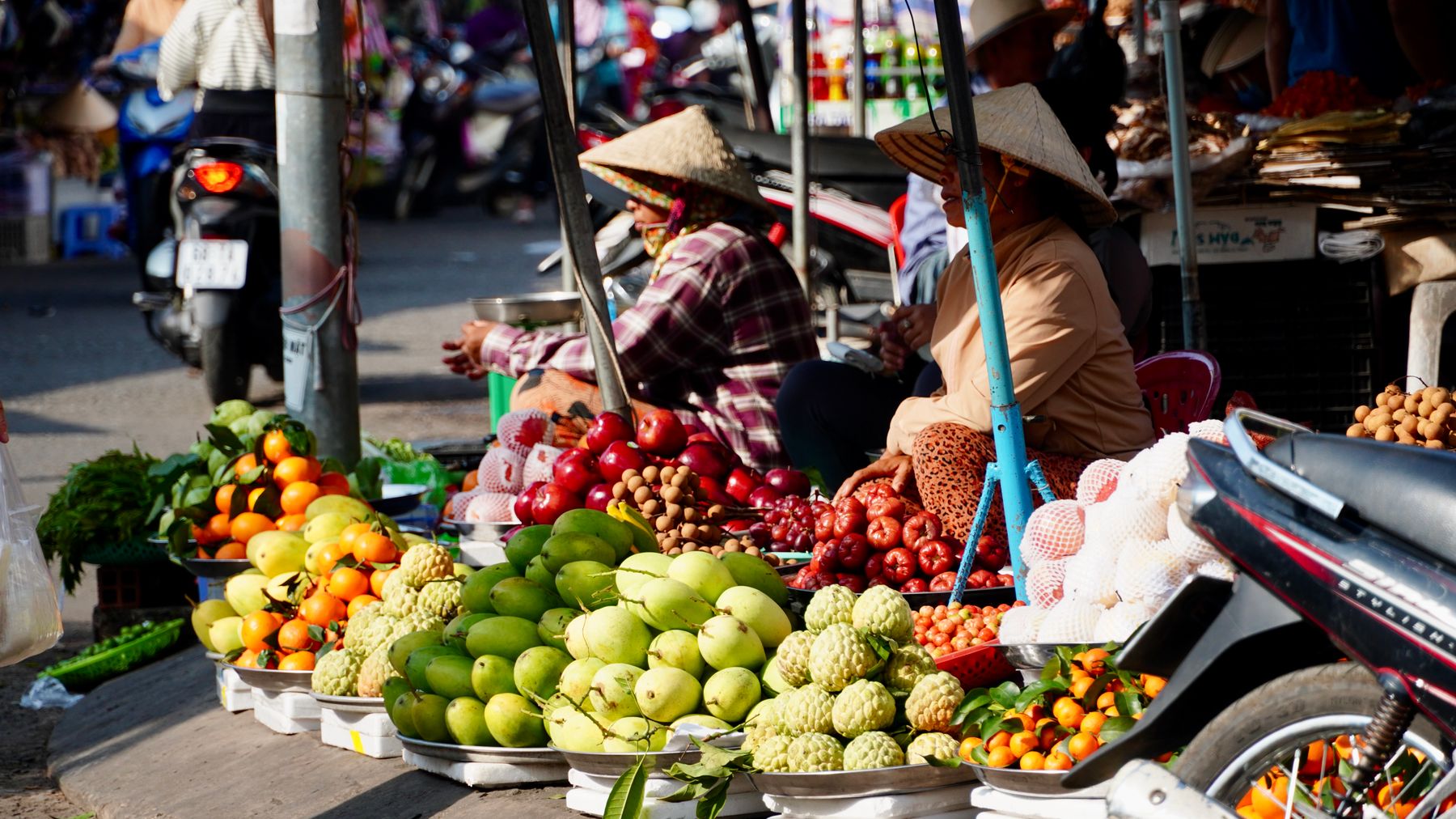
Photo by Tuan Vy on Pexels
Practical tips locals would tell you
- Bring cash. There are a couple of ATMs in Luc Ngan town but card payments are rare outside Bac Giang city.
- Wear a hat and drink water constantly if visiting June–July. Heatstroke is a real concern in the orchards.
- If you're buying fruit to bring back to Hanoi, ask the seller to pack it in a foam box with ice. Lychees bruise and spoil fast in the heat.
- Learn the phrase "bao nhieu mot can" (how much per kilo) — it's the only Vietnamese you'll need at the orchards.
Common mistakes to avoid
- Coming outside of any fruit season (March–May) and expecting orchards to be interesting. They're just green trees.
- Not bringing sunscreen or rain gear. Summer in the northern hills means sun until 2 PM, then sudden downpours.
- Trying to do it as a half-day trip from Hanoi. The drive alone eats four-plus hours round trip. Give it a full day, or better, stay overnight.
Practical notes
Luc Ngan rewards visitors who like agricultural landscapes and don't need a checklist of sights. It's a working region, not a resort — come with the right expectations and you'll eat well, ride through quiet hills, and see a side of northern Vietnam that most travelers skip entirely on their way to Sapa or Ha Long Bay.
Last updated · May 29, 2026 · independently researched, never sponsored.