What Long Son Island actually is
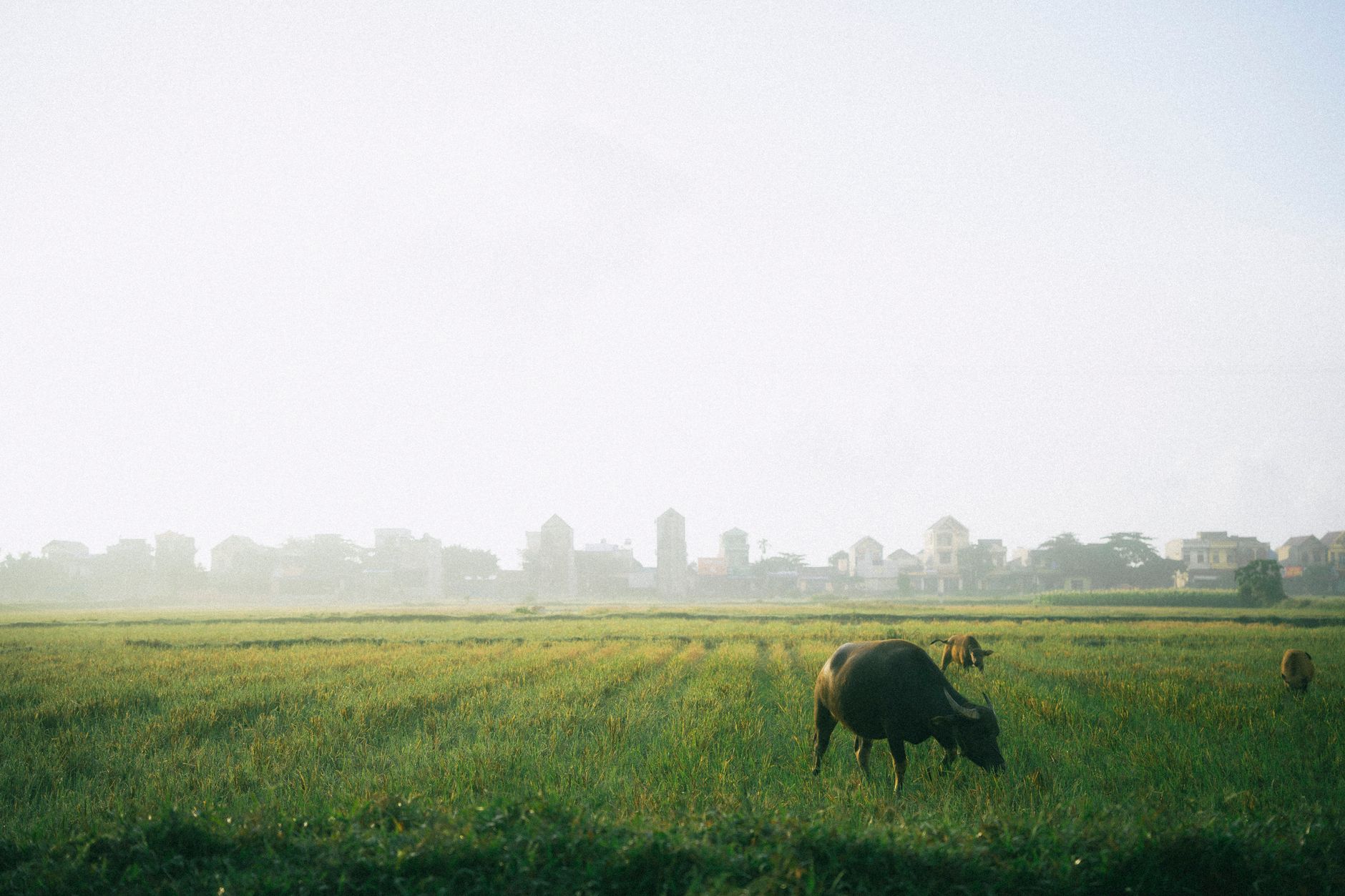
Long Son is a low-lying island connected to the mainland by a bridge, tucked into the coastal flats northeast of Vung Tau. It's not a tropical paradise with white sand — it's a working fishing and aquaculture community surrounded by mangrove channels, salt flats, and oyster farms. The island covers roughly 90 square kilometers, most of it flat terrain with scattered hamlets, seafood drying operations, and the occasional temple.
For decades, Long Son was part of Ba Ria - Vung Tau (붕따우 / 头顿 / ブンタウ) province. Following administrative changes, it now falls under the expanded Ho Chi Minh City metropolitan area. But don't expect city infrastructure here — Long Son still feels like deep countryside, which is exactly why travelers bother making the trip.
Why travelers go
Three reasons, mostly:
Seafood at source prices. Long Son supplies a huge volume of oysters, clams, and shrimp to markets across the south. Eating here means paying wholesale-adjacent prices for stuff that's absurdly fresh. We're talking 60,000-80,000 VND for a kilo of grilled oysters that would cost triple in Saigon (사이공 / 西贡 / サイゴン)'s District 1.
The quiet. No nightlife, no tourist buses, no hawkers. Just mangrove-lined roads, the sound of boat engines, and locals going about their work. If you've been grinding through the noise of Saigon or the backpacker scene in Vung Tau, Long Son is a pressure valve.
Photography. The salt flats at dawn, fishing nets stretched across tidal channels, oyster racks disappearing into morning mist — it's genuinely photogenic in a documentary way, not a postcard way.
Best time to visit
Dry season (November to April) is ideal. The roads stay passable, the sky cooperates for photography, and seafood is plentiful. Avoid the peak of rainy season (July-September) — some low-lying roads flood, and the mangrove channels lose their visual charm under grey skies.
Weekdays are better than weekends. Saigon day-trippers have discovered Long Son, so Saturday afternoons can get busy at the popular seafood spots.
How to get there
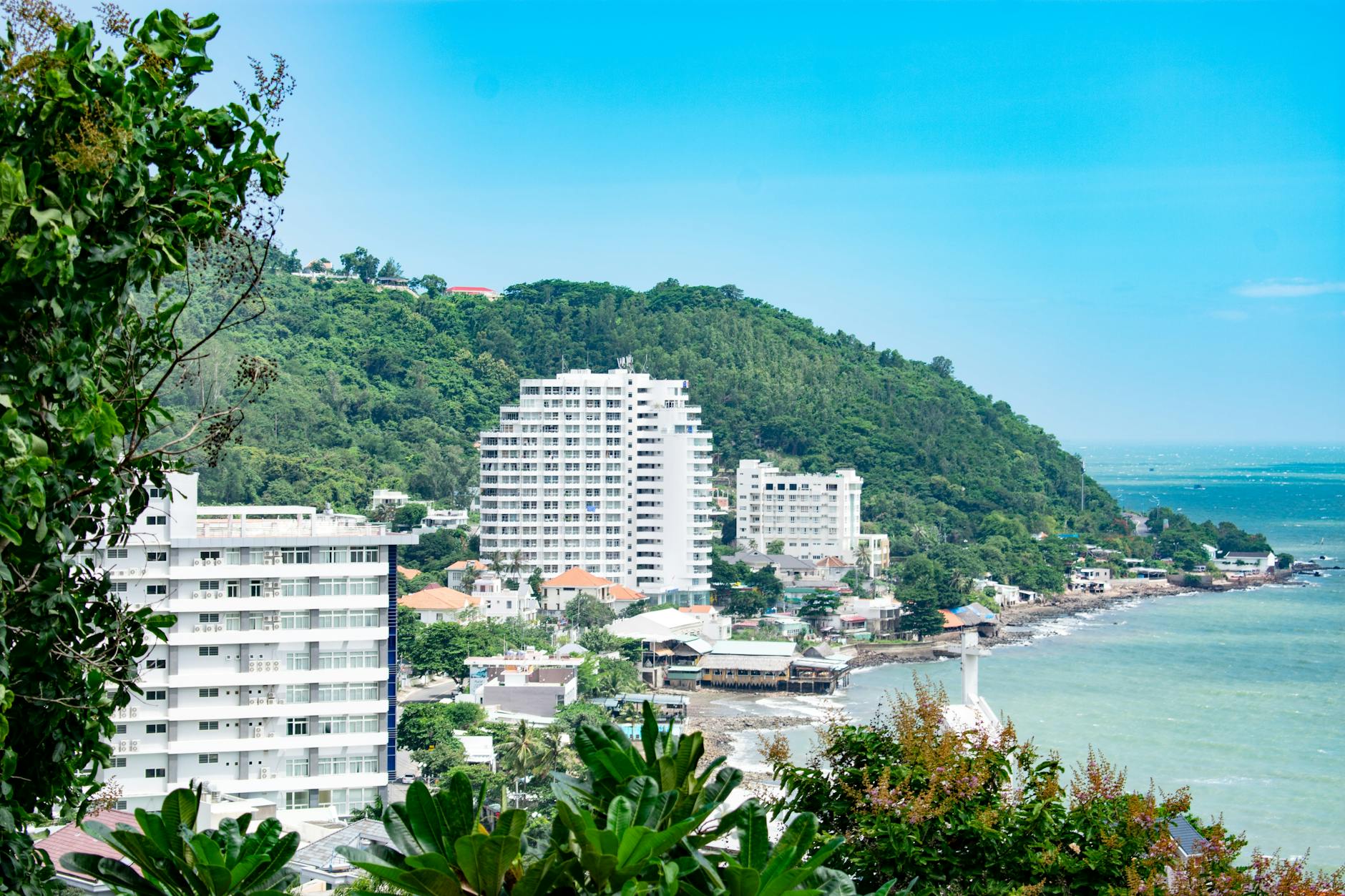
From central Saigon, Long Son is about 90 km — roughly two hours by motorbike or car via the Long Thanh - Dau Giay expressway, then cutting south toward Vung Tau before turning off at the Long Son bridge.
By motorbike: The most popular option. The ride from Saigon is straightforward once you're past the expressway exit. Follow QL51 toward Vung Tau, then turn right at the Long Son junction (signposted). The bridge crossing is short — you're on the island within minutes.
By car/Grab: A Grab car from District 1 runs around 500,000-700,000 VND one way. Some drivers won't want to wait, so negotiate a round trip or plan your return separately.
By bus: Buses from Saigon to Vung Tau (departing from Mien Dong station, around 80,000-100,000 VND) can drop you at the Long Son junction. From there, grab a local xe om for the last few kilometers.
From Vung Tau: Only about 15 km. An easy motorbike side trip if you're already staying in Vung Tau.

Photo by Quang Nguyen Vinh on Pexels
What to do
Visit the oyster farms
This is the main draw. Several farms along the southern coast welcome visitors — you can watch the harvesting process, buy oysters directly, and have them grilled on-site. The experience is informal: plastic chairs, charcoal grills, cold beer. No reservations needed.
Walk the salt flats
The salt-producing area on the island's western side is active from January to June. Workers rake salt into geometric mounds starting at dawn. Get there early (5:30-6:30 AM) for the best light.
Explore by motorbike
The island's internal roads are narrow, mostly concrete, and loop through fishing hamlets and mangrove patches. A full circuit takes maybe 90 minutes at a relaxed pace. Stop at the small temples scattered around — nothing grand, but they reflect the local fishing community's spiritual life.
Mangrove channels by boat
Local fishermen offer boat trips through the mangrove channels for 100,000-200,000 VND per person depending on duration and group size. The channels are narrow and quiet — bring mosquito repellent.
Where to eat
Seafood, obviously. The island has a cluster of open-air restaurants near the bridge and along the southern coastal road.
What to order:
- Grilled oysters with scallion oil and peanuts (the signature)
- Steamed clams with lemongrass
- Grilled squid
- "Banh khot" — crispy mini pancakes topped with shrimp, a Vung Tau area specialty
- Cold "bia hoi" or local Vung Tau beer
Expect to spend 150,000-300,000 VND per person eating well with drinks. Most places don't have English menus — point at what other tables are eating or use Google Translate on the Vietnamese menu.
For something different, try "hu tieu" at one of the small morning noodle shops in the residential areas. It's the southern-style clear broth version, simple and good.
Where to stay
Long Son doesn't have much formal accommodation. Options:
- Homestays: A handful of basic homestays operate on the island, usually 300,000-500,000 VND per night. Expect a clean room, fan or basic AC, and not much else. Book through Zalo or Vietnamese-language booking apps.
- Day trip: Most visitors come from Saigon or Vung Tau and return the same day. This is the simplest approach.
- Vung Tau base: Stay in Vung Tau (15 minutes away) where accommodation ranges from 400,000 VND guesthouses to proper hotels, then ride over for the day.

Photo by Quang Nguyen Vinh on Pexels
Practical tips
- Cash only. Almost nowhere on Long Son accepts cards or mobile payment. Bring enough dong — there's no reliable ATM on the island.
- Sunscreen and hat. Zero shade on the salt flats and oyster farm areas. The southern sun is brutal, especially midday.
- Fuel up before crossing. There's at least one gas station on the island, but don't rely on it. Fill your tank on the mainland side.
- Language. English is essentially non-existent here. Download Vietnamese offline in Google Translate before you go.
- Tides matter. For boat trips and oyster farm visits, check tides — low tide exposes more of the farms and makes for better photos, but some channels become too shallow for boats.
Common mistakes
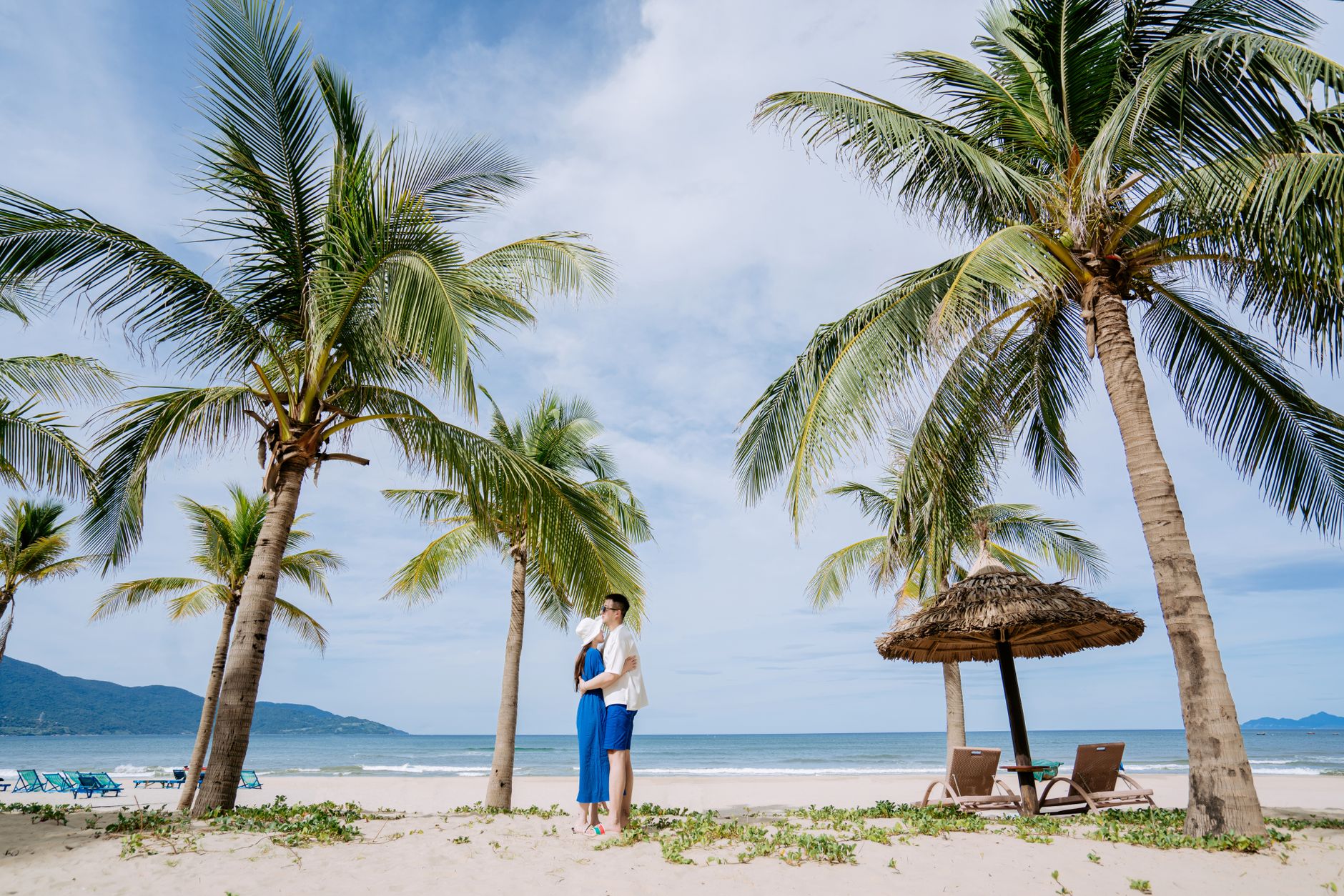
Coming with beach expectations. Long Son is not a beach destination. The coastline is muddy mangrove, not sand. If you want swimming, head to Vung Tau's beaches instead and treat Long Son as a half-day detour.
Arriving after noon. The best experiences — salt flats at dawn, morning seafood markets, fishermen returning with catches — happen early. By afternoon, it's just hot and quiet.
Skipping the interior. Most visitors cluster near the bridge restaurants and leave. The interior hamlets and southern mangrove areas are where Long Son actually feels distinctive. Give yourself at least three hours to explore properly.
Final note
Long Son won't make anyone's highlight reel of Vietnam — it's not that kind of place. But if you've spent a week in Saigon and want something genuinely rural without a twelve-hour bus ride to the Mekong Delta, it delivers. Eat oysters, watch the salt workers, ride the quiet roads, and be back in the city by dinner.
Last updated · May 29, 2026 · independently researched, never sponsored.