Mui Ne (무이네 / 美奈 / ムイネー) is easy to dismiss as a kite-surfing resort strip, but ten minutes inland or down the coast toward Phan Thiet, you're eating fish that came off the boat before sunrise. This is one of the most underrated seafood corridors in the country.
The Fishing Village Behind the Resort Town
The round basket boats — "thuyen thung" — you see bobbing near Ham Tien Beach aren't decoration. Mui Ne's fishing fleet is still active, and the morning catch shapes the menus at small com nha (home-cooked rice) restaurants tucked off Nguyen Dinh Chieu Street. By 6 a.m., the beachfront near the old fishing village at the northern end of the strip is loud with sorting, weighing, and selling.
What comes off those boats: "muc" (squid), "tom tit" (mantis shrimp), "ca thu" (mackerel), and "ghe" (blue swimmer crab) are the staples. In season — roughly November through April, when the sea is calmer — you'll also find "ca ngung" (a locally prized white-fleshed fish) that doesn't travel well and rarely appears on menus further north or south. If you see it on a chalkboard, order it grilled with salt and pepper over charcoal.
Banh Xeo Phan Thiet Style
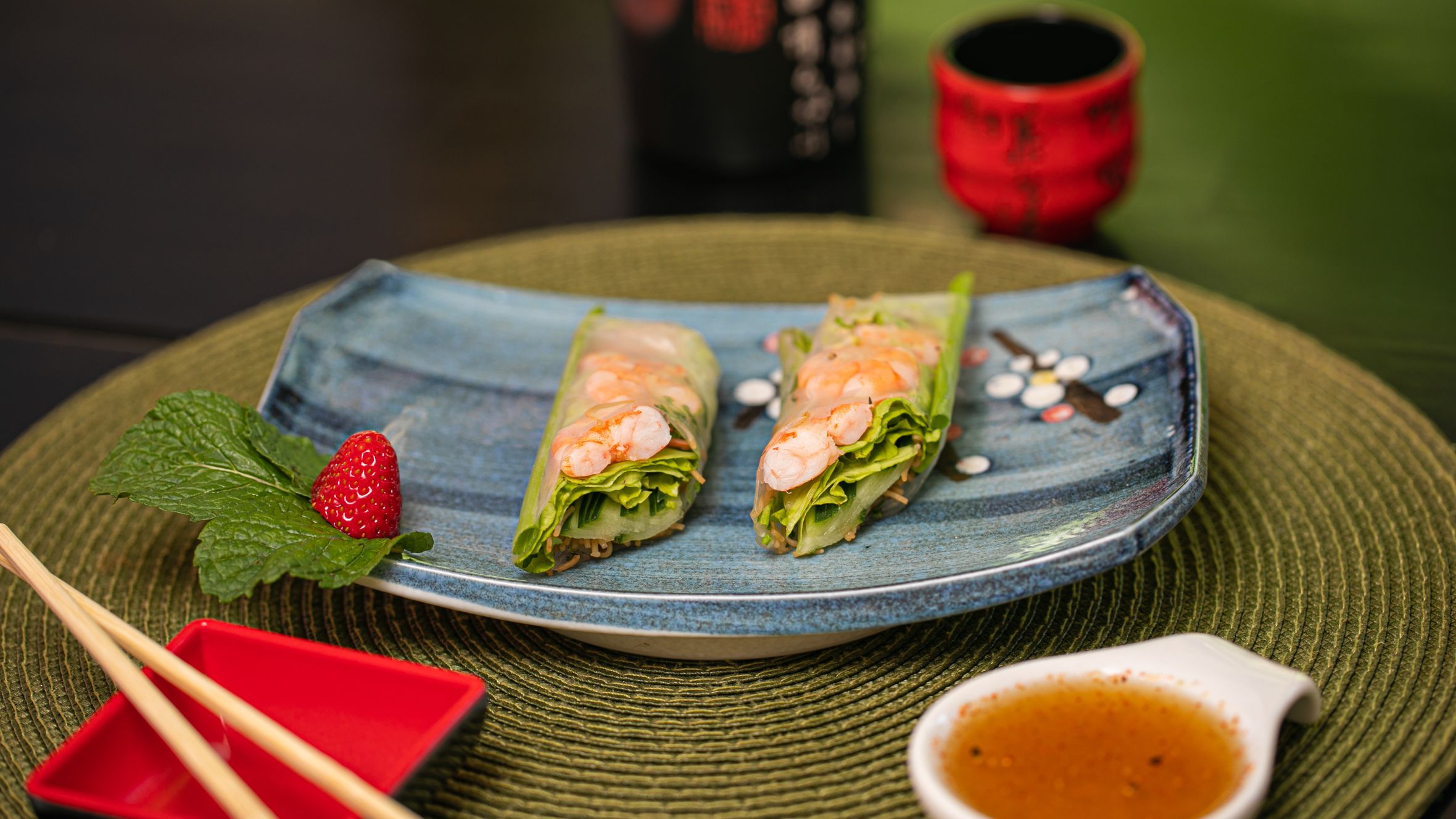
Phan Thiet's version of "banh xeo" deserves its own conversation. Unlike the large, turmeric-heavy crepe you get in Da Nang or the slightly thicker Saigon iteration, Phan Thiet banh xeo is small — roughly palm-sized — and cooked in individual cast-iron pans that give the edges an extra-crisp, almost lacy texture. The filling is simpler too: small shrimp, bean sprouts, and green onion. The point is the crunch, not the stuffing.
You eat it the same way everywhere — torn into pieces, wrapped in mustard leaf and perilla with cucumber, then dipped in nuoc cham that's been loosened with a little lime. But here the dipping sauce often gets a splash of coconut water instead of plain water, which softens the fish sauce edge just enough.
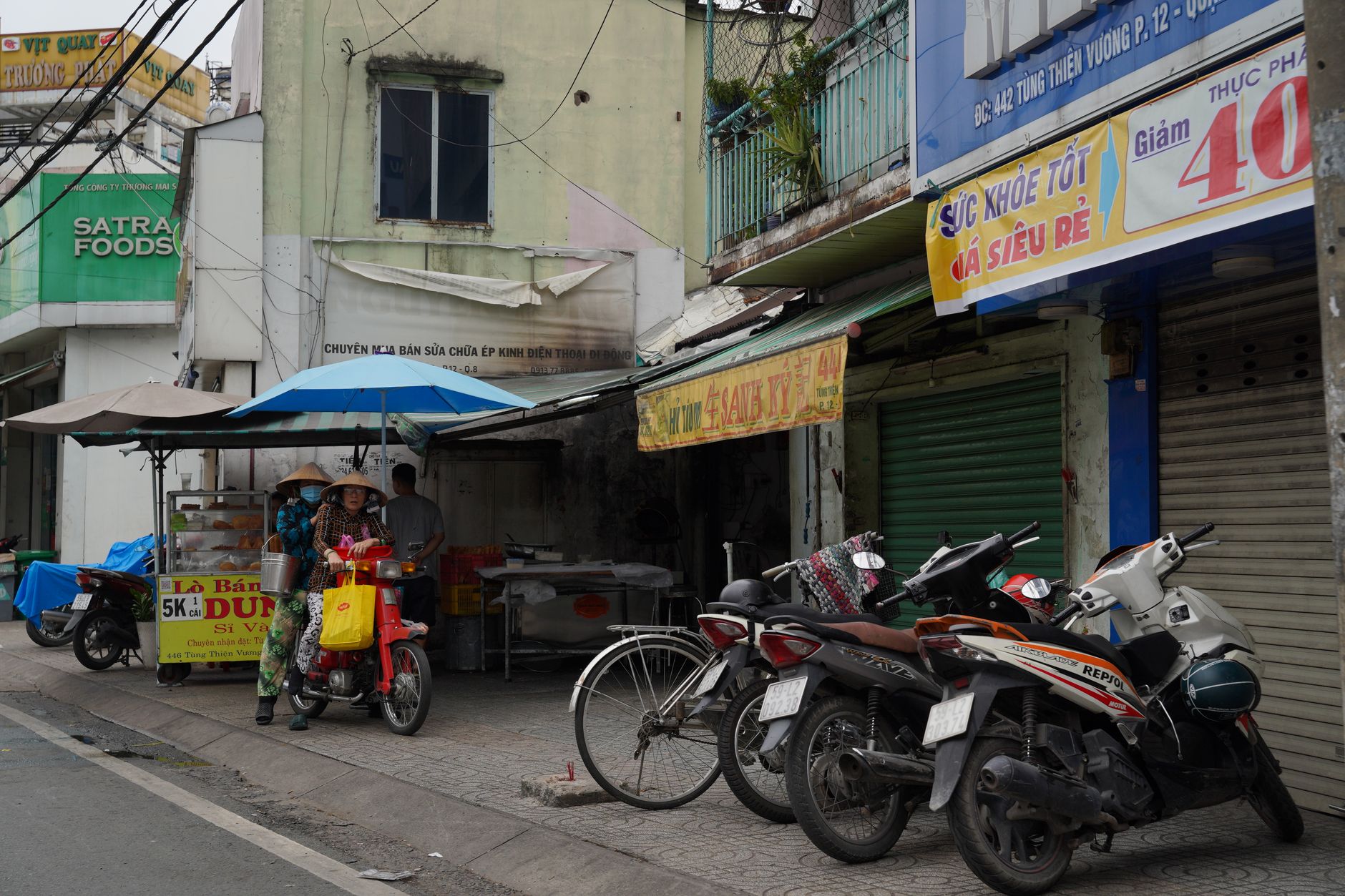
Look for banh xeo (반세오 / 越南煎饼 / バインセオ) stalls near the Phan Thiet central market (Cho Phan Thiet) on Tran Phu Street. A plate of six to eight pieces runs around 25,000–35,000 VND.

Photo by Quang Nguyen Vinh on Pexels
The Central-South Culinary Seam
Phan Thiet sits roughly 200 km northeast of Saigon and about 250 km south of Nha Trang — geographically central-south, culinarily in-between. You notice it in small ways. Broths here are lighter than the coconut-heavy southern norm but lack the concentrated spice of Hue cooking. "Bun ca" (fish noodle soup) in Phan Thiet uses a clear, lemongrass-forward broth with chunks of fresh mackerel — not the fermented fish paste base you'd find further south in places like Can Tho.
"Banh canh cha ca" is another regional fixture worth seeking out: thick udon-like rice noodles in a mild fish broth, topped with sliced fish cake. It's a breakfast dish here, eaten with a raw chili and a wedge of lime on the side. Price around town: 30,000–45,000 VND a bowl.
Fish Sauce Country
Phan Thiet's "nuoc mam" (fish sauce) has a real reputation — it's been produced here for over a century, and local brands like Thanh Ha and Hung Thanh still use traditional clay vats and long fermentation cycles (14–15 months) that industrial producers skip. The result is a darker, more complex sauce with less of the sharp ammonia hit you get from cheaper versions.
You can buy 500ml bottles at the market for 40,000–70,000 VND depending on grade. The "nuoc mam nhi" (first-press) is worth buying if you cook — it's a genuinely different ingredient from supermarket fish sauce. A few producers near the Phu Hai fishing harbor offer informal walk-through visits if you show up in the morning; no formal tour, just a look at the vats and a tasting.

Photo by Theodore Nguyen on Pexels
Where to Actually Eat
Skip the beachfront tourist restaurants on Nguyen Dinh Chieu — the menus are inflated and the seafood is often pre-frozen. Instead:
For grilled seafood
Head to the cluster of seafood restaurants around Ham Tien fishing village, roughly 3 km from the main resort strip heading north. Order by weight — grilled crab runs about 180,000–220,000 VND per 100g depending on season, squid around 80,000–100,000 VND per 100g.
For street breakfast
Phan Thiet's market area on Le Hong Phong and Tran Phu Streets comes alive from 5:30 a.m. Banh canh stalls, banh mi carts with pate and sardines (a local variation), and grilled corn vendors compete for the morning crowd.
For a sit-down lunch
Com tam (broken rice) is everywhere in Mui Ne, which reflects how much the town has absorbed Saigon food culture from tourists and migrant workers. The version here often comes with grilled fish instead of the standard pork chop — a small but worthwhile local adaptation.
Practical Notes
Mui Ne is about 20 km from Phan Thiet city center; motorbike taxis or a rented scooter (around 120,000–150,000 VND per day) make moving between the two straightforward. Seafood prices spike noticeably at restaurants facing the beach — walking one block inland usually cuts costs by 30–40 percent. The best seafood months are November through March, when the fleet is active and prices are lower.
Last updated · May 29, 2026 · independently researched, never sponsored.