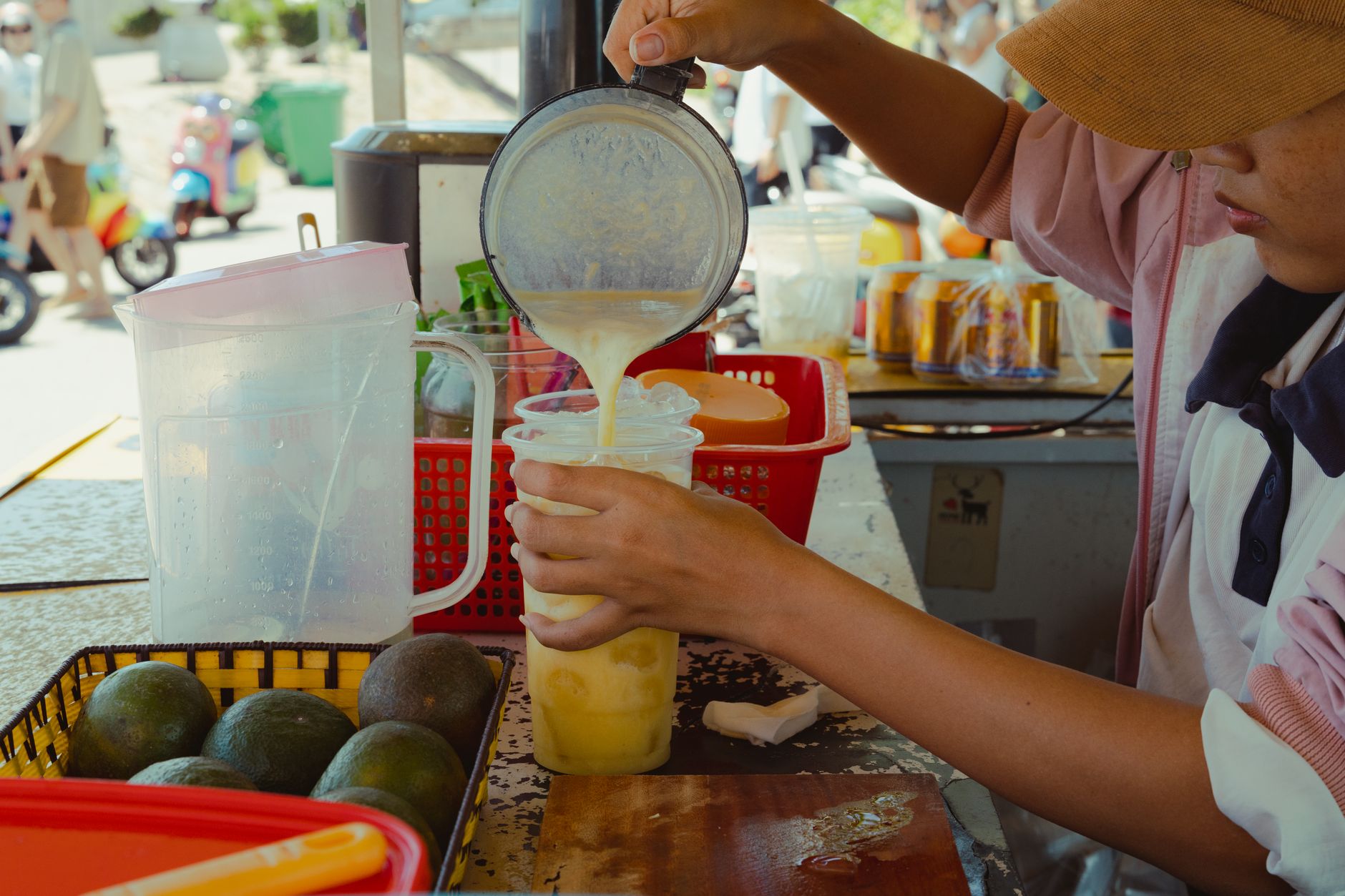
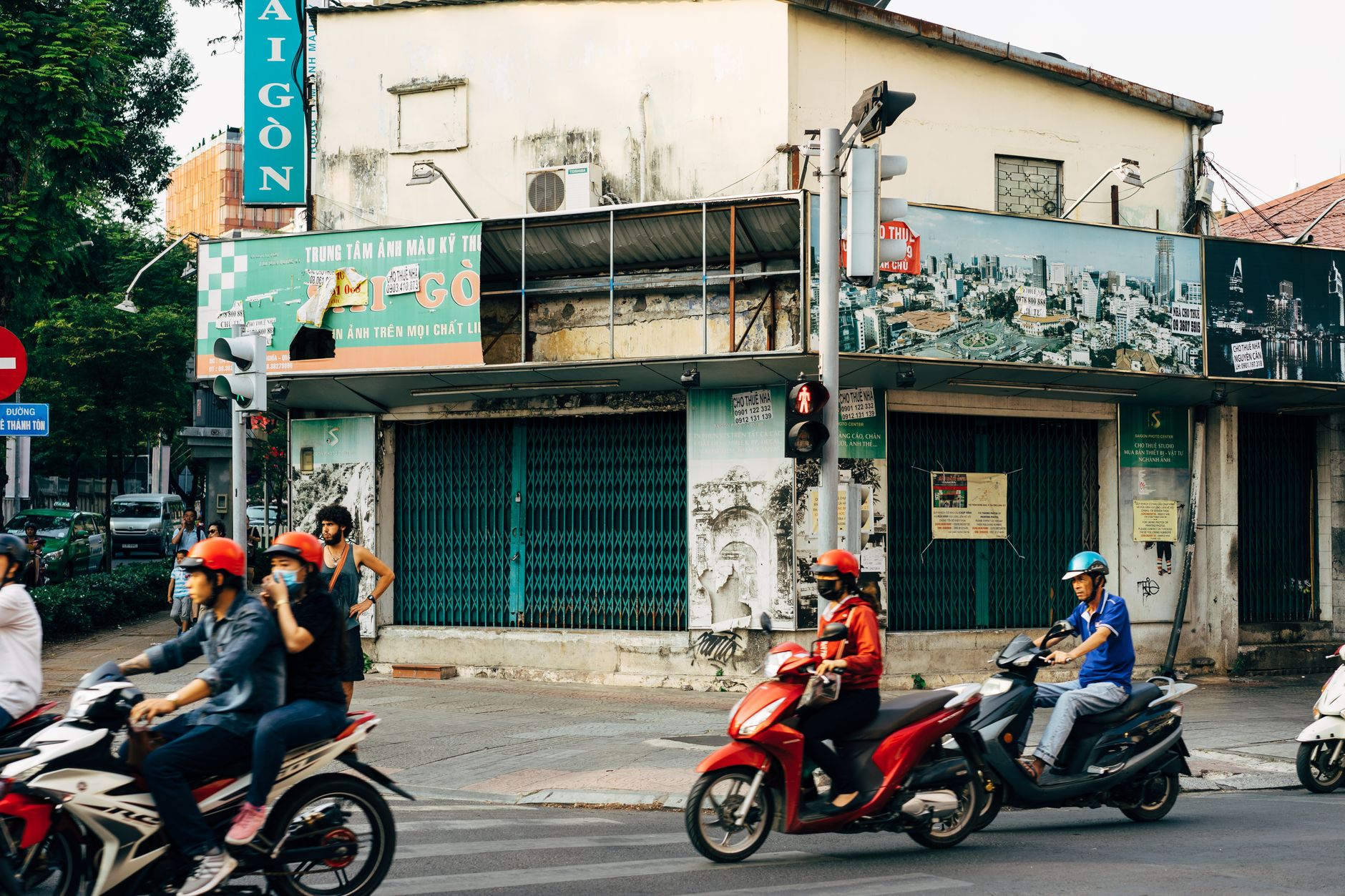
Ninh Thuan province sits about 100 km south of Da Lat and gets skipped by most itineraries in favour of beaches further north or south. That's a reasonable logistical choice and also a genuine loss — because inside the province's Cham Muslim villages, there's a living food tradition that looks and tastes unlike anything else in central Vietnam (베트남 / 越南 / ベトナム).
Who Are the Cham Muslims of Ninh Thuan
The Cham are one of Vietnam's officially recognised ethnic minorities, descendants of the Champa kingdom whose trading networks and cultural influence stretched across maritime Southeast Asia for centuries. Ninh Thuan and Binh Thuan provinces hold the largest concentrations of Cham people in the country, and a significant portion of that community practises Islam — locally called the Cham Bani and Cham Islam traditions, each with slightly different observances.
The practical upshot for food travellers: most cooking in these villages is fully halal. No pork, no lard in the wok, no ambiguity about the broth. In a country where "vegetarian" sometimes means "we removed the pork but kept the fish sauce", that clarity is worth something.
The Dishes Worth Coming For
Beef Stew — "tung lam"
If you eat one thing in Ninh Thuan's Cham villages, make it "tung lam", the slow-braised beef stew that functions as the community's anchoring dish. The cut is usually shank or brisket, braised for several hours with lemongrass, galangal, dried chilli, and what cooks describe loosely as "spices" — a blend that varies by family but typically includes coriander seed, star anise, and turmeric. The result is a deep-orange braise, not soupy, closer to a thick stew with enough liquid to soak into rice or bread.
It bears a passing resemblance to "bo kho", the Vietnamese beef stew you'd find in Saigon or the Mekong Delta (메콩 델타 / 湄公河三角洲 / メコンデルタ) — same orange hue, same long-cooked tenderness — but the spice balance is different, leaning more toward the kind of aromatics you'd find in Malay or Indonesian cooking than in mainstream Vietnamese cuisine. That's not coincidental. The Cham were trading partners with the Malay archipelago for generations, and their food reflects it.
A bowl with bread runs 40,000–60,000 VND at village stalls. Don't expect menus in English.
Flatbread — "banh trang nuong Cham"
The bread served alongside tung lam deserves its own mention. It's a thick, slightly chewy flatbread, hand-rolled and baked over charcoal — not the paper-thin rice crackers sold everywhere else in Ninh Thuan under the same name. The texture sits somewhere between a flour tortilla and a thin naan, with enough structure to tear and scoop without disintegrating in the stew. Some vendors brush it with coconut milk before the final pass over the coals, which gives the surface a faint sweetness and some char.
You'll also see it served with "ca ri" (Cham-style curry), another staple of the village kitchen — usually chicken or beef, coconut-based, milder than Indian-style curry but more fragrant than what you'd find in a standard Vietnamese com binh dan.
Grilled Meats and Festive Cooking
During Ramadan and the Cham festival of Kate — celebrated by Cham Hindu and Cham Muslim communities at overlapping but distinct times — the cooking scales up. Whole goat is roasted over open fires. Sticky rice packed into banana leaves appears alongside sweetened rice cakes. If your timing is right, the village cooking is extraordinary and genuinely communal: neighbours share dishes across households, and visitors who turn up respectfully are often included.
Outside festival periods, grilled beef skewers (nem nuong-style, but halal and spiced differently) appear at evening markets around Phan Rang — the provincial capital — particularly near the Cham community areas south of the city center.

Photo by FOX ^.ᆽ.^= ∫ on Pexels
Where to Find It
The main Cham Muslim villages are clustered around Phan Rang-Thap Cham, Ninh Thuan's capital. Villages like Phuoc Nhon and Van Lam are within 10–15 km of the city center and accessible by motorbike. Van Lam in particular has a small market area where tung lam and flatbread are sold most mornings from around 7 AM until the stew runs out — usually by 10 or 11 AM.
There's no app for this. Ask locals in Phan Rang for "lang Cham" (Cham village) and a rough direction is usually forthcoming. The villages are not remote or difficult to reach — the roads are paved, and a xe om (motorbike taxi) from Phan Rang bus station costs around 50,000–80,000 VND.
If you're coming from Hue or Da Nang by train, Thap Cham station is a stop on the main north-south line. From Da Lat, it's about two hours by bus or hired car down the mountain.

Photo by Kadir Altıntaş on Pexels
Eating Respectfully
Dress modestly if you're visiting during prayer times or entering villages near the mosque. Friday midday is a significant prayer time — stalls may close and foot traffic increases around the mosque. It's not a problem, just worth knowing so you don't turn up confused when the tung lam vendor has locked up.
Halal certification in the formal sense doesn't exist at these village stalls — this is home cooking sold at small-scale operations, not a certified restaurant chain. But the community's religious practice is the certification: the food is prepared by Muslim cooks for a Muslim community, and that's the real assurance.
Practical Notes
Ninh Thuan works best as a one- or two-night stop between Nha Trang and Da Lat rather than a standalone destination. Budget accommodation in Phan Rang starts around 250,000–400,000 VND per night. The Cham village food is a morning activity; pair the afternoon with the Po Nagar-style Cham towers at Po Klong Garai, a short ride from town, to understand more of the broader Cham cultural presence in the region.
Last updated · May 29, 2026 · independently researched, never sponsored.