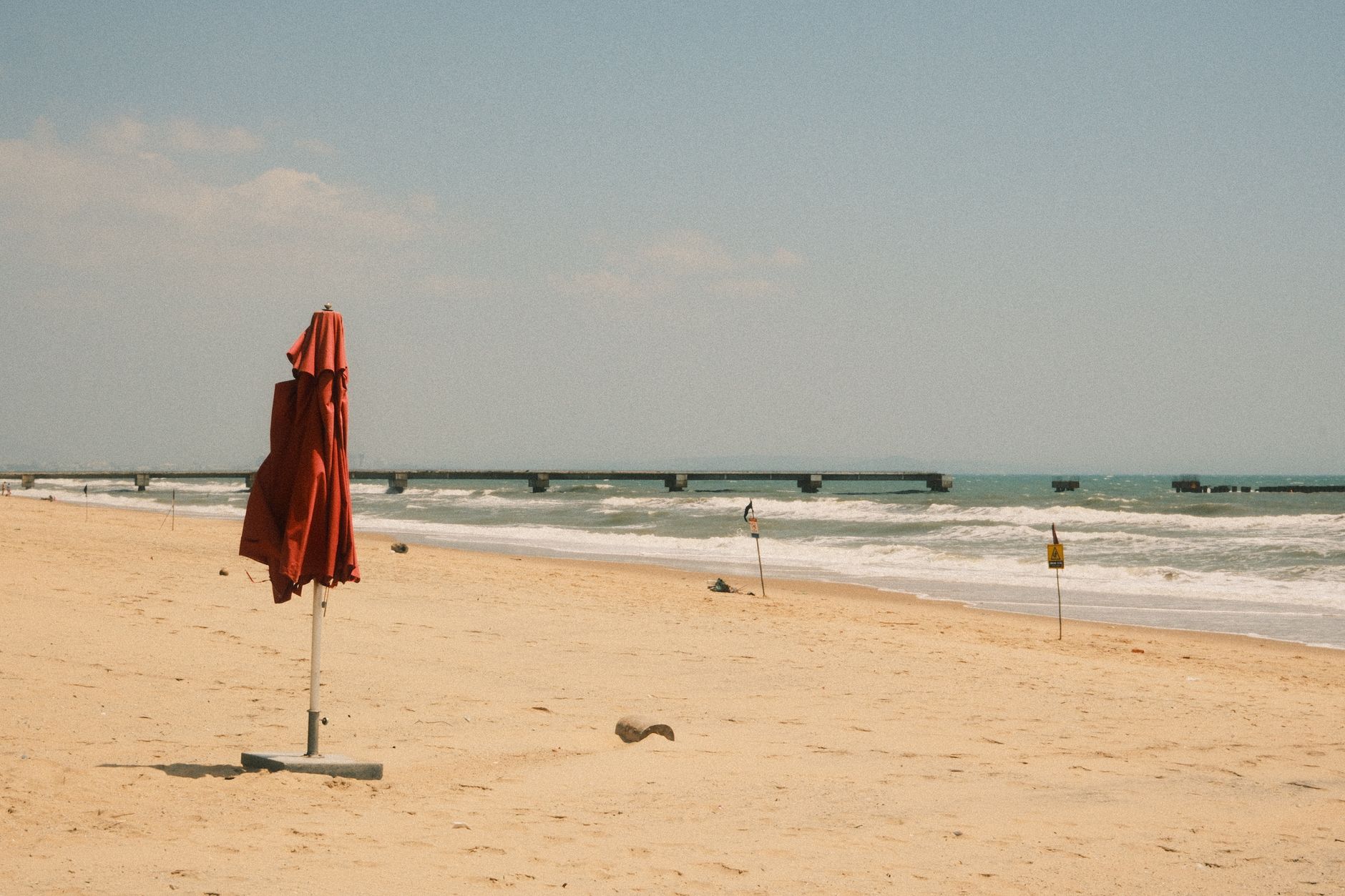
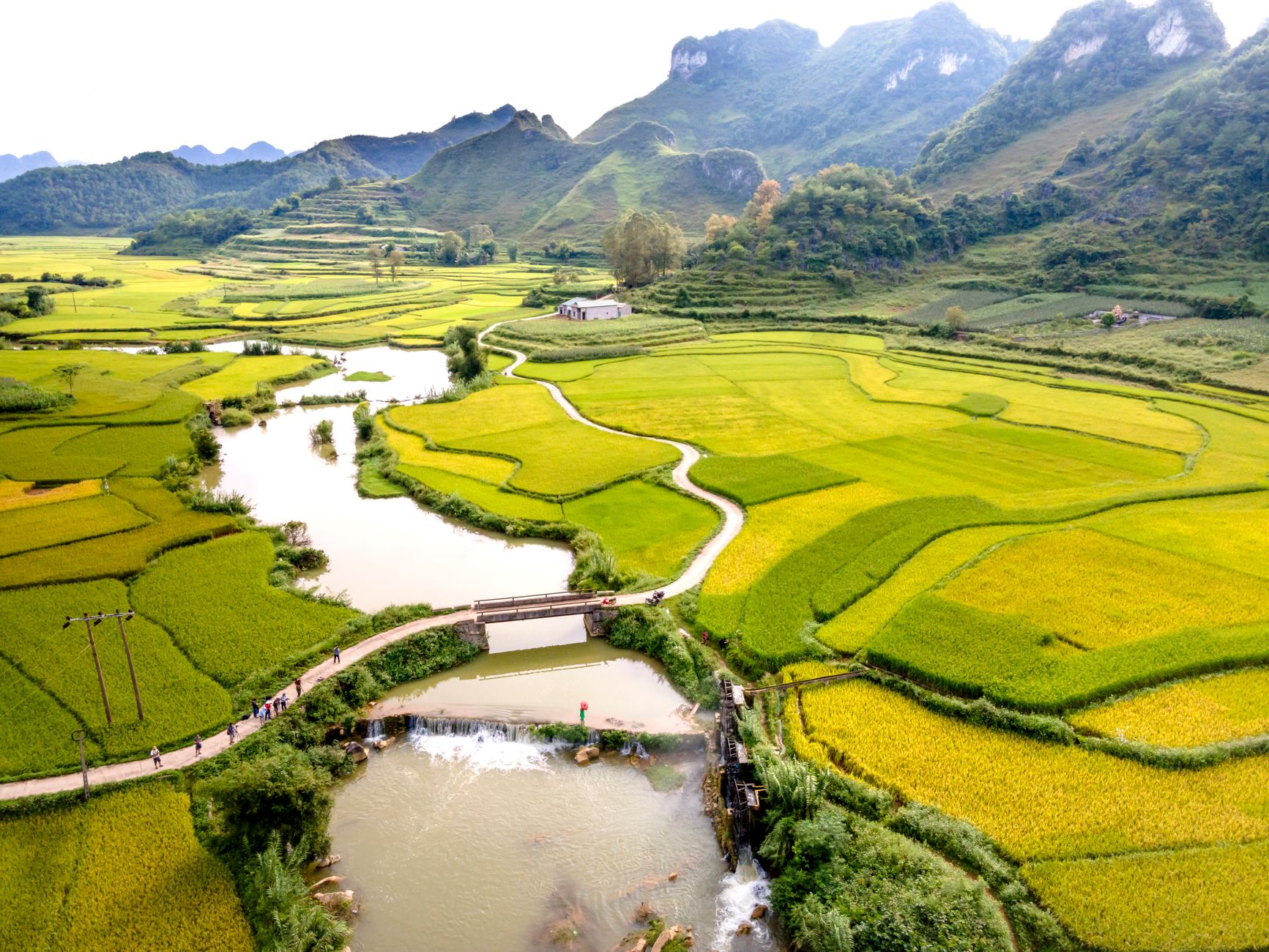
Ninh Thuan sits on central Vietnam's coast between Mui Ne and Nha Trang (냐짱 / 芽庄 / ニャチャン), but most travelers skip it. That's exactly why you should stop. The province is windy, semi-arid, and scattered with low-key attractions that feel ungoverned by the tourism machine. You'll see fewer Instagram crowds, lower prices, and a genuine working landscape of fishing boats and salt ponds.
Po Nagar Cham Towers
The main cultural landmark is Po Nagar, a cluster of brick towers built in the 7th–12th centuries by the Champa Kingdom. The tallest tower stands about 23 meters and is still an active Hindu temple — you'll see incense and fresh flowers inside. The entrance fee is 22,000 VND. The site sits on a rocky outcrop overlooking the ocean near Phan Rang town, which gives it presence without overcrowding. Most visitors are Vietnamese pilgrims or architecture enthusiasts, not tour groups.
The brickwork (no mortar, fitted stone) is genuinely impressive if you take time to look. Unlike My Son in Quang Nam, Po Nagar feels alive and less excavated-museum. You can hike down to a small beach cove on the way out.
Phan Rang Salt Ponds
Ninh Thuan produces much of Vietnam (베트남 / 越南 / ベトナム)'s sea salt. The salt ponds between Phan Rang and Ninh Hai are a surreal geometric landscape — white crystalline mounds, pink-tinted lagoons, and salt farmers hand-raking in the heat. It's not a formal tourist spot, but if you rent a motorbike and drive the back roads toward Ninh Hai, you'll cross through them. The best light is late afternoon, around 16:00–17:30.
There's no entry fee; locals are used to curious travelers. A small donation (50,000–100,000 VND) to a family salt operation gets you photos and a conversation. It's a rare glimpse of how Vietnam's basic commodities are actually made.
Cua Dia Sand Dunes
About 60 km from Phan Rang, Cua Dia (also called Mui Dinh) is a remote sandy peninsula with dunes, fishing villages, and brackish lagoons. It's windswept and undeveloped — think long empty beaches, not resort infrastructure. You'll need a motorbike or organized day tour (roughly 300,000 VND per person from a Phan Rang guesthouse).
The real draw here is authenticity. Fishermen still use traditional wooden boats. There are no water sports companies, no jetskis, no beach clubs. If you go, go off-season (May–September); the wind is extreme and it's actually challenging to stand up in some spots.
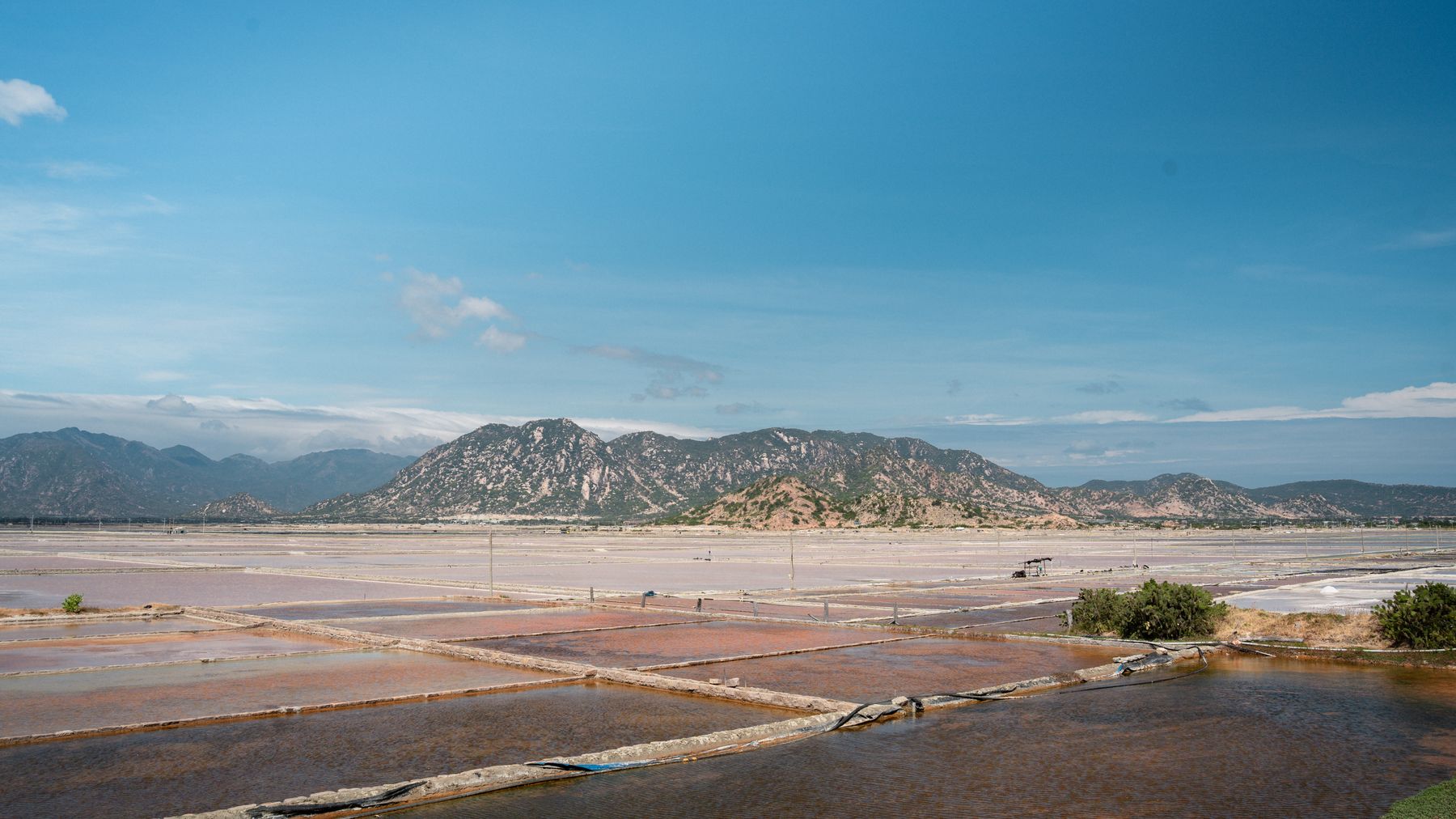
Photo by SICULA Đỗ on Pexels
Phan Rang Town
Phan Rang is the provincial capital, a working town of about 170,000 people with no pretense to tourism. The market (Cho Phan Rang) is lively in the mornings — fruit, seafood, and dry goods. The town itself has decent mid-range restaurants and pho shops on Tran Hung Dao Street. Prices are about 30% cheaper than Nha Trang, 15 km north.
If you're passing through, grab a plate of "banh canh" (tapioca and shrimp cake) at one of the stall vendors near the market — Ninh Thuan's take is thicker than the southern version and uses more shrimp paste. No English menus; pointing works fine.
Nui Nho Pagoda
On a hilltop outside Phan Rang sits Nui Nho Pagoda, a small Buddhist temple with views over the coast and salt ponds. It's a quiet spot; you'll likely have it to yourself. The approach is a winding path lined with incense shops and small shrines. No entrance fee. Go early (7:00–8:00 AM) if you want to see monks and avoid the midday heat.
Outdoor Activities: Wind, Water, and Roads
Ninh Thuan's persistent wind makes it a magnet for kitesurfing and windsurfing. The best beach for this is Khanh Hoa Beach, near Ninh Hai, where the wind is strongest October–April. A few small beach huts rent equipment (roughly 200,000–300,000 VND per day for a board). The water is warmer and calmer in May–September, but the wind dies down.
Motorbike routes through Ninh Thuan are excellent. The road from Phan Rang south to Phan Thiet passes through some of Vietnam's bleakest, most beautiful scrubland — cactus fields, goat herds, and almost no traffic. It's a 150 km, 3-hour ride that feels like a different country. Stop at roadside cafes for "ca phe sua da" (iced coffee with condensed milk) and you'll see how rural central Vietnam actually lives.
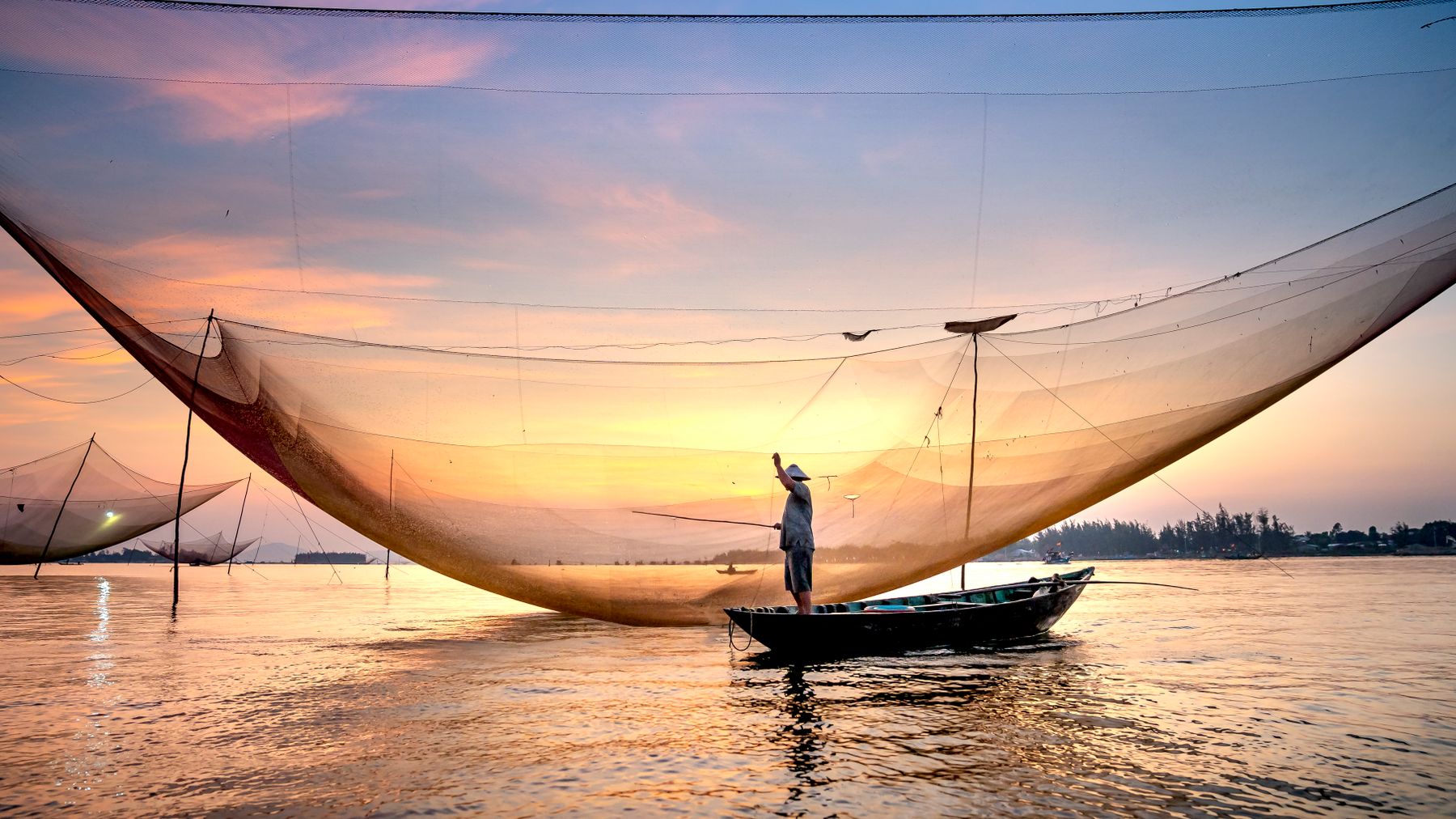
Photo by Quang Nguyen Vinh on Pexels
What to Skip
Tourist infrastructure in Ninh Thuan is thin. There are no major water parks, theme parks, or day-spas. The beaches are not white-sand resort material — they're functional and rocky in places. If you're looking for Phu Quoc or Nha Trang-style tourism, keep driving. The appeal of Ninh Thuan is precisely its lack of appeal to mass tourism.
Also skip the off-season (May–September) if you dislike extreme heat and wind. Ninh Thuan is semi-arid and can reach 40°C. The rainy season is brief and unpredictable.
Getting There and Staying
Ninh Thuan sits on National Highway 1, between Nha Trang (90 km north) and Mui Ne (120 km south). Most travelers reach it by motorbike or open-tour bus. There's a small airport in Phan Rang, but flights are rare and expensive.
Stay in Phan Rang for a night or two. Options range from basic backpacker guesthouses (150,000–250,000 VND per night) to modest mid-range hotels (400,000–700,000 VND). Food is cheap — a full seafood meal for two runs 200,000–350,000 VND. There are no luxury resorts in the province center, though Ninh Chu Beach (15 km south) has a few higher-end options if you want beachfront comfort.
Practical notes
Bring sunscreen and water; the sun is intense and shade is rare on the salt ponds or dunes. Learn a few Vietnamese phrases — English is not common outside tourist areas. October–April offers the best weather and wind for outdoor activities. Ninh Thuan rewards a 2–3 day stop, not a quick pass-through.
Last updated · May 29, 2026 · independently researched, never sponsored.