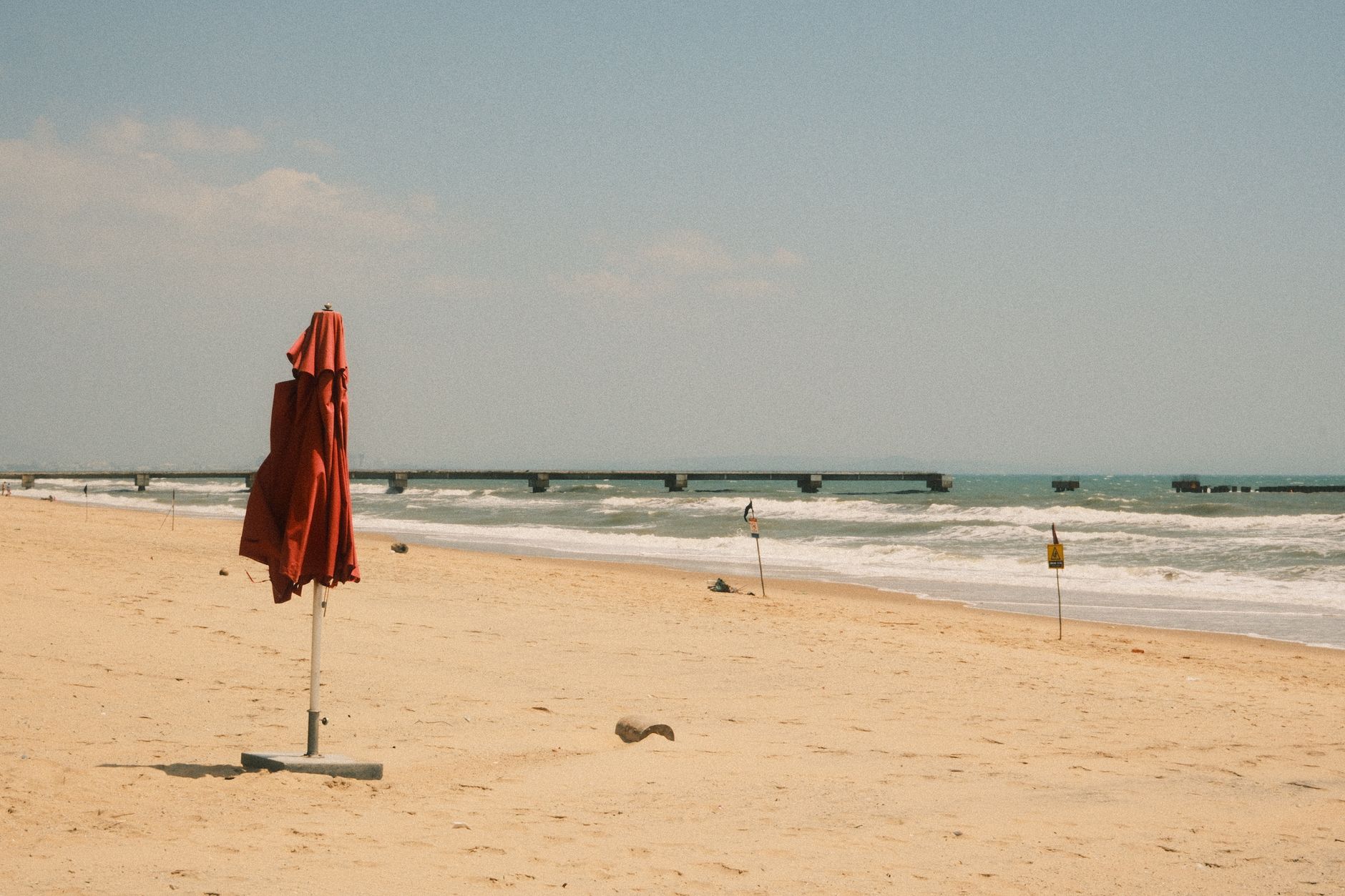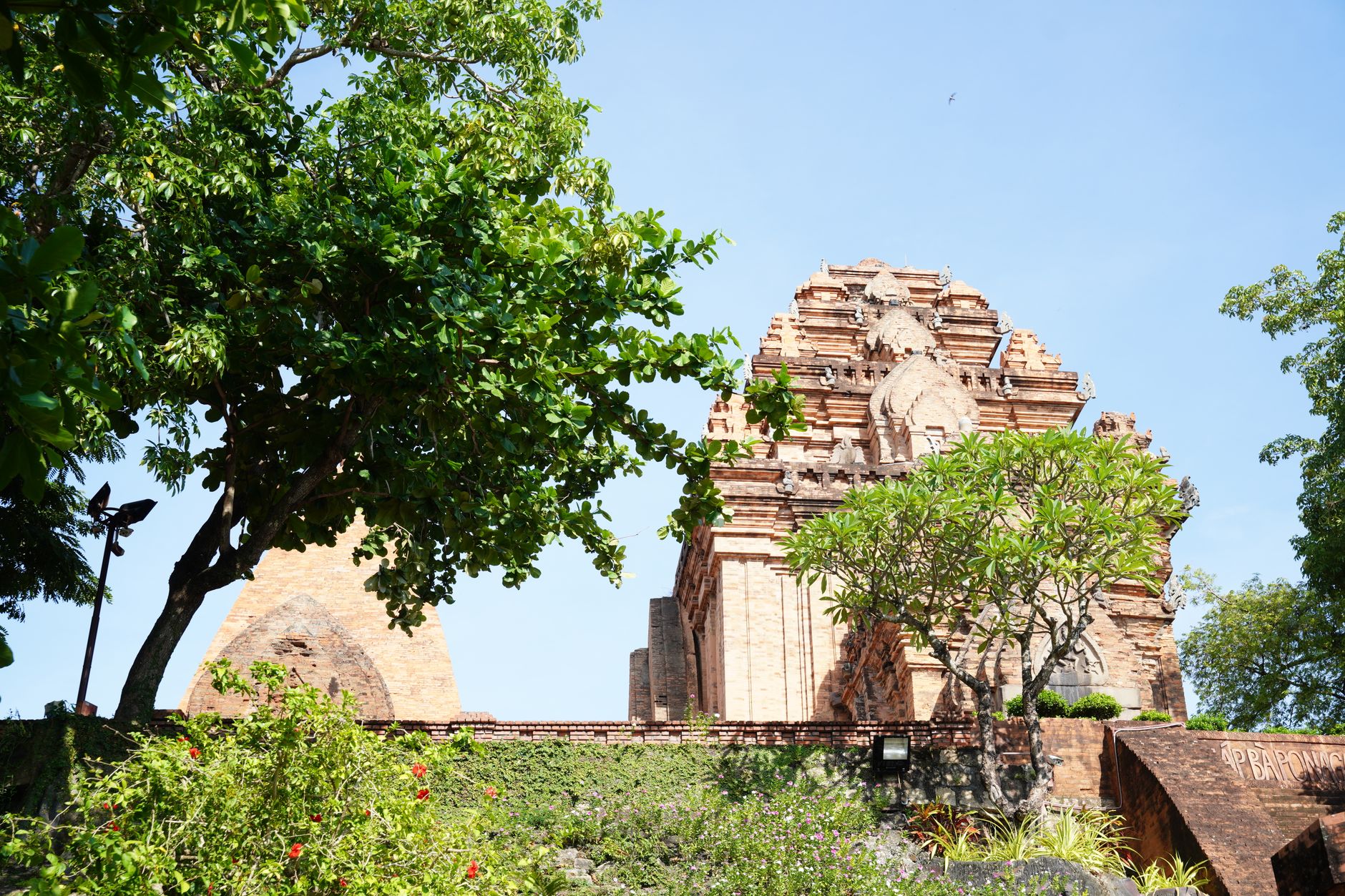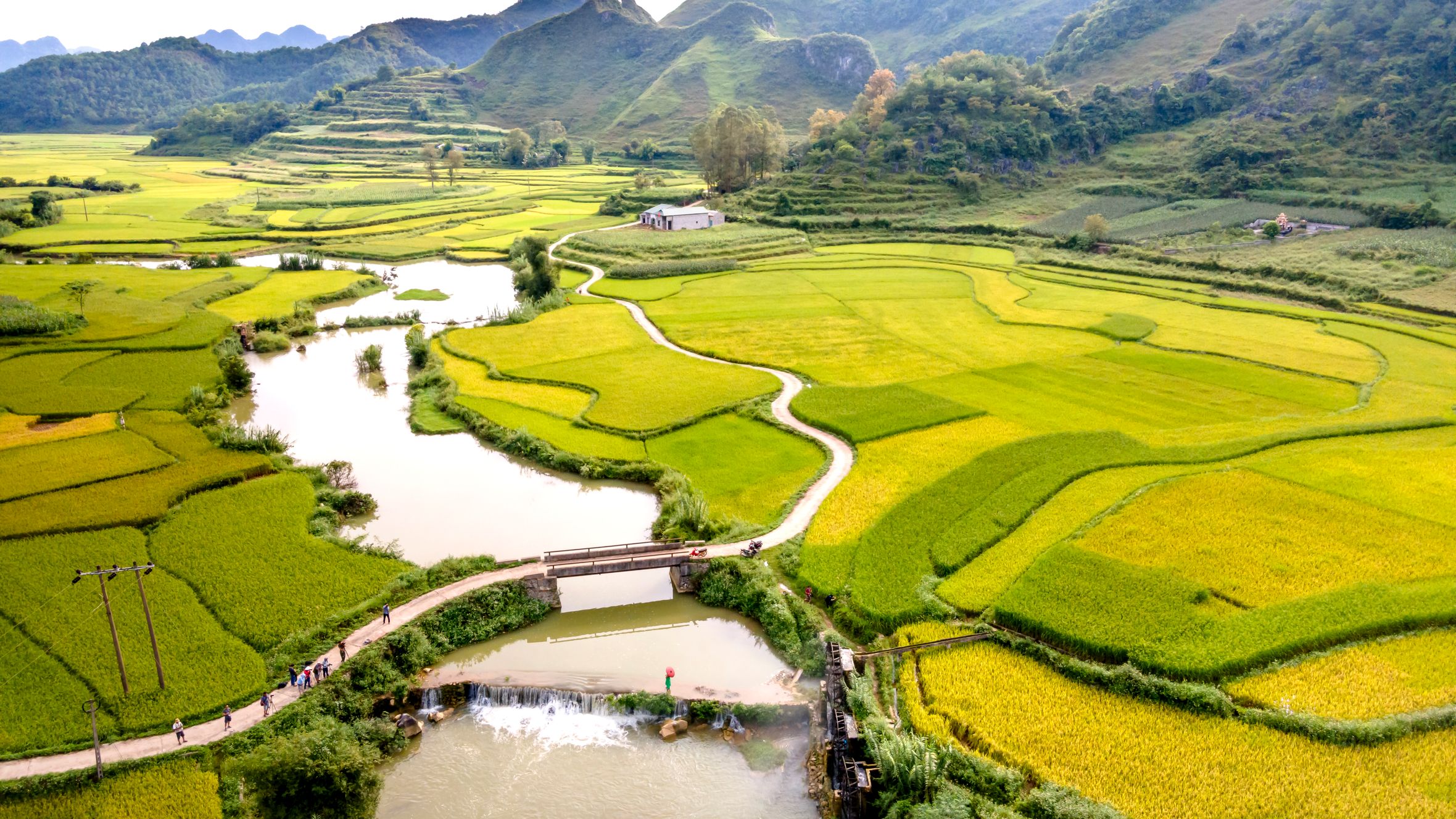
Ninh Thuan is one of Vietnam's least-crowded coastal provinces, tucked between the tourist hubs of Da Nang and Phan Rang. It's not on the standard backpacker loop, which is partly the appeal. The province is known for fishing villages, semi-arid scrubland, and beaches that see fewer tourists than Nha Trang (냐짱 / 芽庄 / ニャチャン) to the north. Getting there isn't complicated—you have four main routes depending on where you're starting and how much time you have.
From Hanoi
By air is the fastest option but requires a connection. There are no direct flights from Hanoi to Ninh Thuan. You'll fly to either Da Nang (다낭 / 岘港 / ダナン) (2 hours, around 800,000–1.2 million VND with budget carriers) or Ho Chi Minh City (2 hours, 600,000–900,000 VND), then continue by road. From Da Nang airport, hiring a driver or renting a motorbike and riding south takes 5–6 hours to Phan Rang, the provincial capital. From Saigon's Tan Son Nhat airport, it's 4–5 hours northeast by minibus or rental car.
By sleeper train is popular and cheaper. The Hanoi–Saigon train (around 500,000–800,000 VND for a bunk in a soft berth) passes through Ninh Thuan province, stopping at Phan Rang station around 4–5 p.m. (depending on the service number). The full Hanoi–Phan Rang journey is roughly 20–22 hours. Once you arrive, the station is about 5 km from Phan Rang town center; take a taxi or Grab for around 50,000–80,000 VND. This option appeals to travelers who want to save on accommodation and see the coastal landscape during daylight hours in the final stretch.
By long-distance coach is the budget choice. Buses from Hanoi's My Dinh station (southwest of central Hanoi) run overnight or during the day, taking 18–20 hours depending on traffic and stops. Expect to pay 400,000–650,000 VND for a sleeper bus or 250,000–400,000 VND for a non-recline seat. Several operators serve this route; Phuong Trang and Hung Thanh are two reliable brands. You'll arrive in Phan Rang early morning or afternoon, often at the provincial bus station (Ben Xe Phan Rang) on the town's southeast edge, a short Grab ride to the center.
From Da Nang
By motorbike is the most rewarding if you're comfortable riding. Rent a bike in Da Nang for 150,000–250,000 VND per day, fill up, and head south on Highway 1. The ride to Phan Rang is about 220 km, taking 4–5 hours depending on traffic and stops. You'll wind past fishing villages, salt ponds, and eventually cactus-dotted hills as the landscape dries. Fuel costs roughly 50,000–70,000 VND for the journey. Many travelers break this ride into two days, stopping in Nha Trang (midway, 150 km south of Da Nang) to rest or explore.
By coach or minibus is faster and easier if you don't ride. Minibuses depart from Da Nang's main bus station (Ben Xe Da Nang) hourly from early morning to early afternoon, taking 4–5 hours to Phan Rang and costing 120,000–200,000 VND. These fill up quickly during peak season (November–February), so book a seat the day before or arrive early. Highway 1 traffic out of Da Nang can slow things down, especially in the first 1–2 hours.
By train is an option if you're on the Hanoi–Saigon line and want to hop off in Ninh Thuan. Da Nang itself is a major stop; some trains (S1, S3) continue south through Nha Trang and Phan Rang. This is less practical than a direct Da Nang–Phan Rang bus or motorbike, but possible if your schedule aligns.

Photo by Quang Nguyen Vinh on Pexels
From Saigon (Ho Chi Minh City)
By coach is the standard route. Buses from Ben Thanh Market area or dedicated coach stations (Mien Dong, Mien Tay) run to Phan Rang regularly, especially in the afternoon and evening. Travel time is 4–5 hours, and fares range from 120,000–220,000 VND depending on the bus class. Buses often stop at coastal towns like Mui Ne (halfway point) for a quick meal or bathroom break. Early-morning buses are less crowded; late-afternoon or sleeper buses fill up faster.
By private car or Grab is comfortable but pricier. A Grab car (for up to 3–4 people) from central Saigon to Phan Rang costs roughly 600,000–900,000 VND and takes 4–5 hours. This is worth considering if you're traveling with a group or have luggage and want door-to-door service.
By motorbike rental is an adventure if you have 3+ days. Rent a bike in Saigon, ride northeast through Mui Ne and Nha Trang, and continue to Phan Rang over 2–3 days. This pace lets you explore coastal towns and beaches along the way. Highway 1 is generally in good condition through this stretch, though traffic near Saigon and Nha Trang can be congested.
By train is slower but scenic. The Hanoi–Saigon line stops at Phan Rang station; a Saigon–Phan Rang ticket is around 200,000–400,000 VND for a soft berth, taking roughly 8–10 hours. Daytime trains offer views of the coast; sleeper trains are practical if you want to arrive refreshed.

Photo by Duy Nod on Pexels
Where to Base Yourself
Most travelers stay in Phan Rang town, the provincial capital. It's a working fishing and agricultural hub, not a tourist resort—streets are quieter than Nha Trang, hotels are cheaper (200,000–400,000 VND for a decent midrange room), and it's central for day trips to nearby beaches, fishing villages, and the semi-desert interior. The main drag, Thong Nhat Street, has restaurants, cafes, and motorbike rental shops. A few budget and midrange hotels cluster near the town center; Tan Thanh Hotel and Hai Dang Hotel are reliable options in the 250,000–350,000 VND range.
If you prefer a beach base, Ninh Hai district (south of Phan Rang, 15 km away) has quieter stretches of sand and a few guesthouses. This works well if you want to skip the town entirely and focus on fishing communities and swimming.
Practical notes
Ninh Thuan's dry season is October–May; June–September brings monsoon rains and rough seas that deter casual swimmers. Phan Rang is hottest and driest April–August, with daytime temps regularly above 35°C. Book transport tickets 1–2 days ahead during holidays (Tet / 越南春节 / テト), summer months) to avoid last-minute scrambling. If you're traveling by motorbike, bring sunscreen and an AO DAI or long sleeves—the sun here is intense and relentless.
Last updated · May 29, 2026 · independently researched, never sponsored.