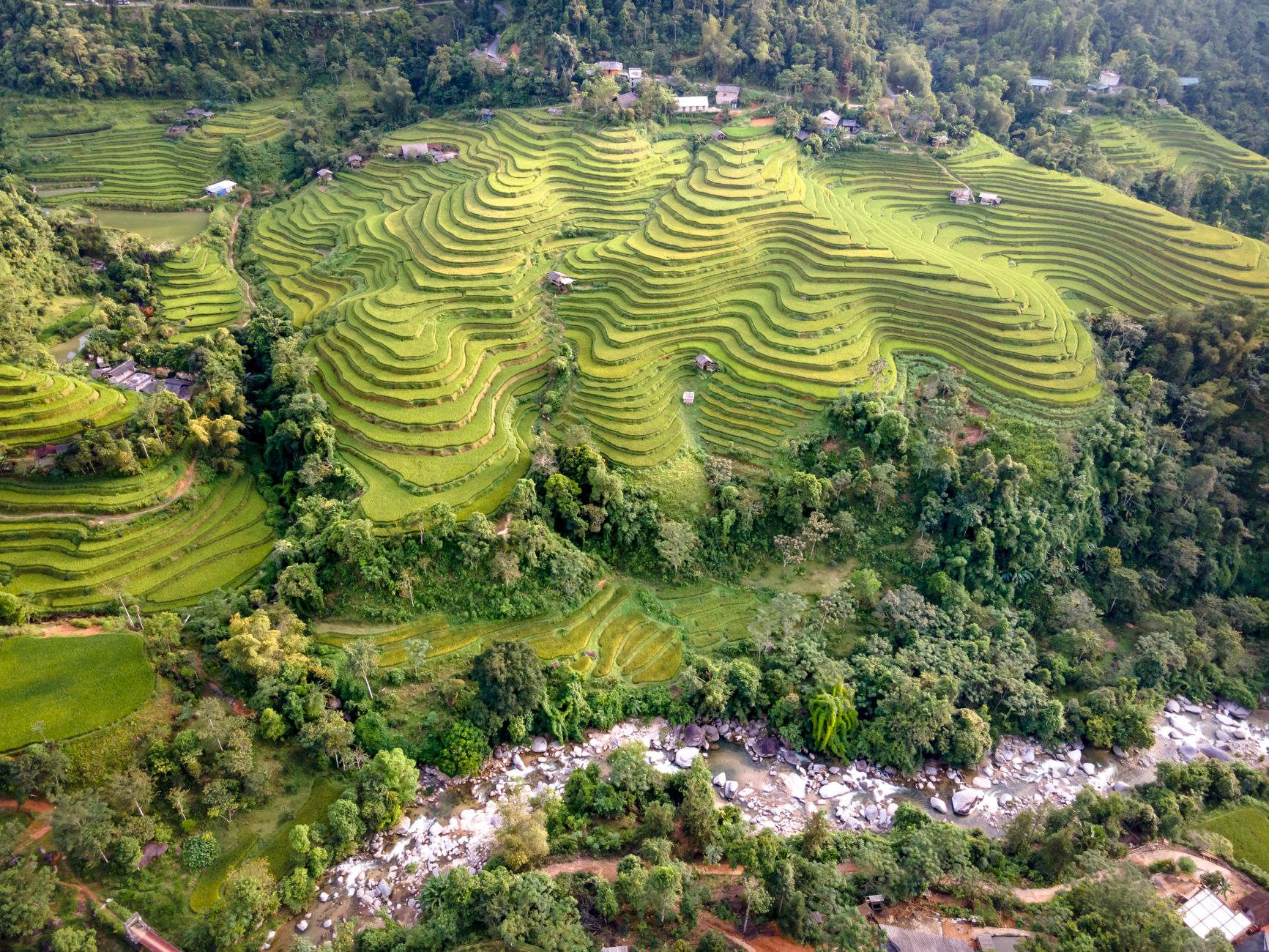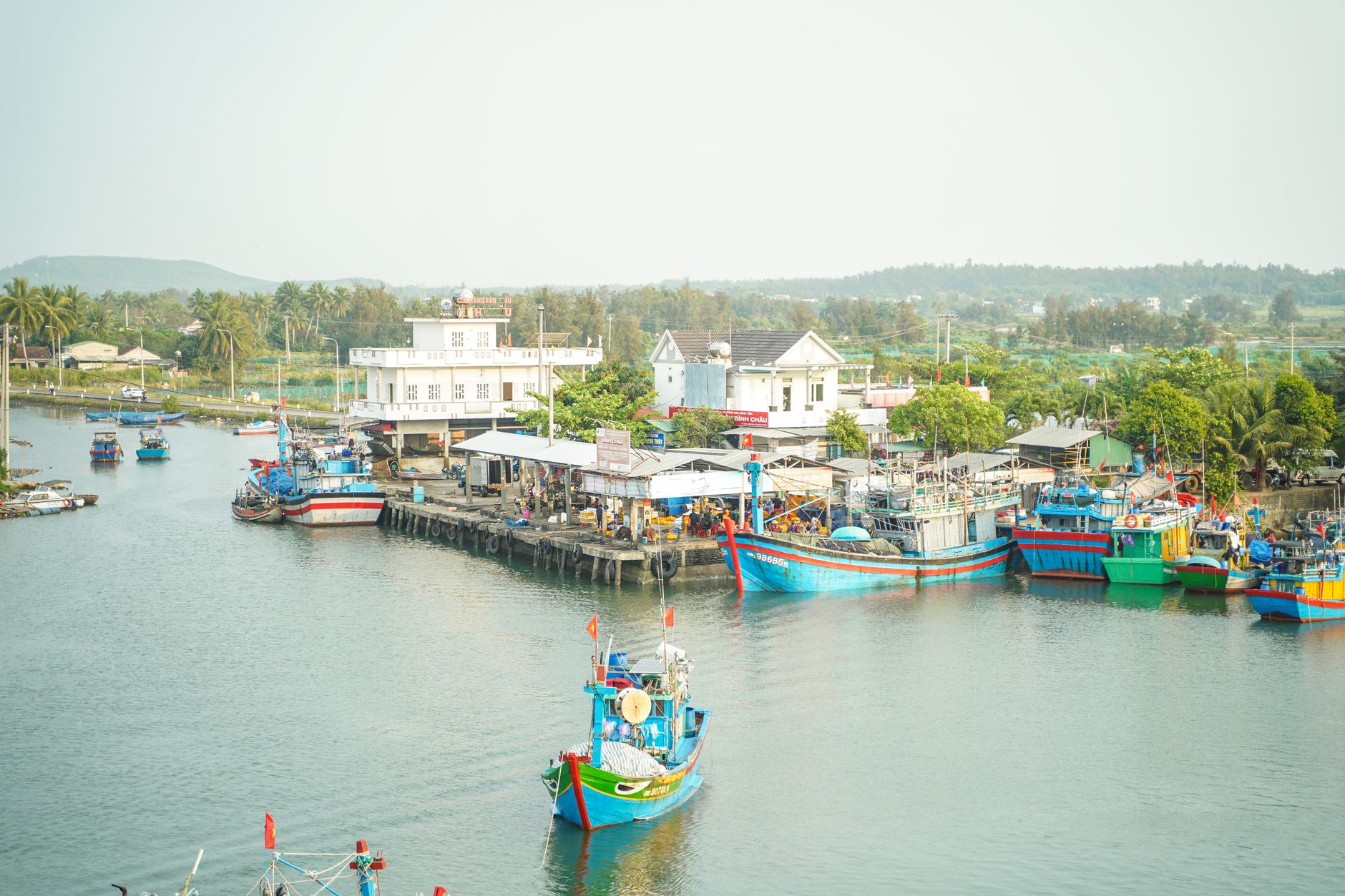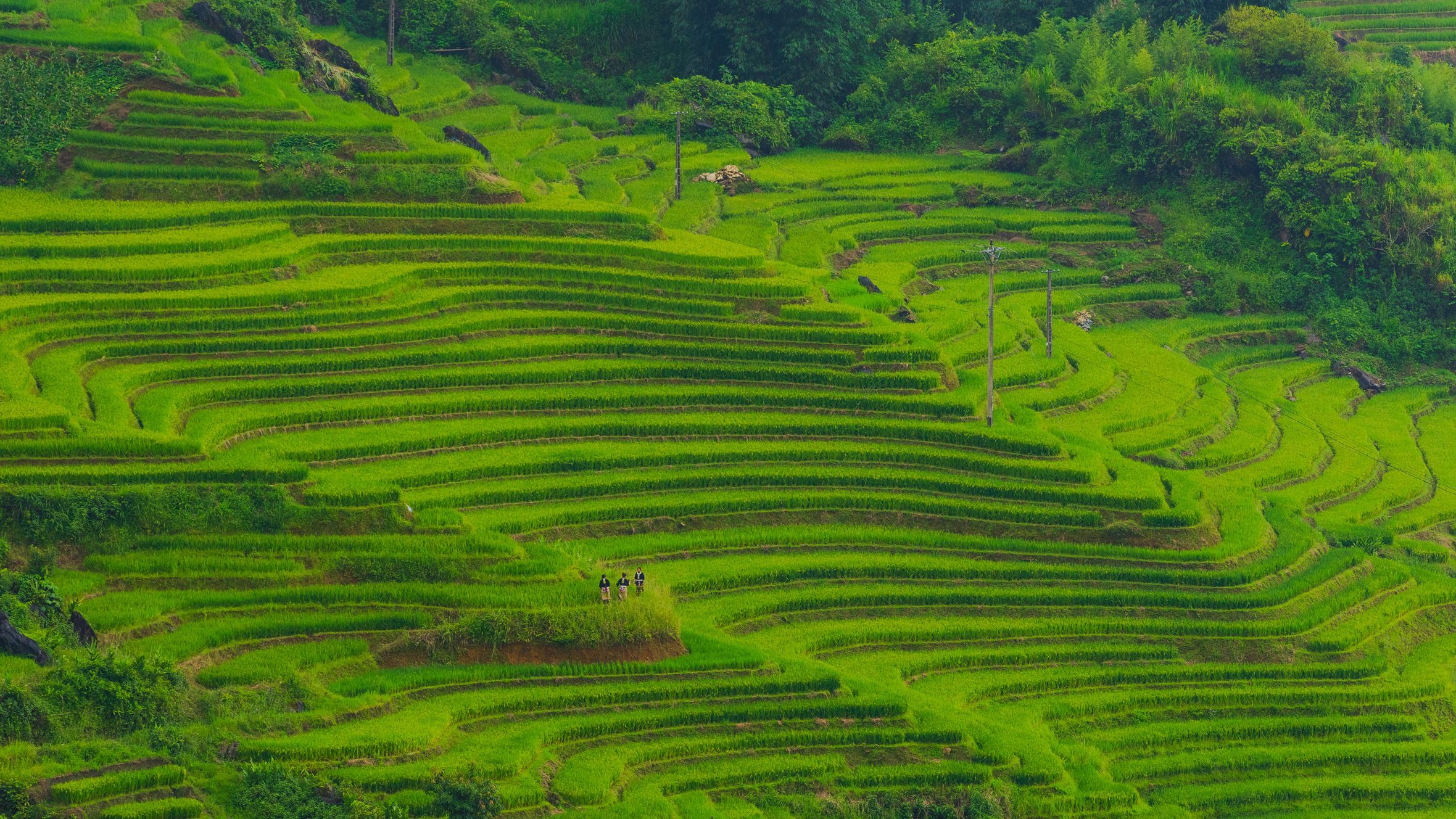
Pu Luong doesn't try to impress you the way Ha Long Bay or Sapa does. There are no ticket booths with loudspeakers, no selfie platforms bolted to cliffsides. It's a limestone valley in western Thanh Hoa province where Thai ethnic communities have been farming terraced rice for generations, and where the forest still feels like forest. That's the whole pitch — and it's enough.
What Pu Luong is
Pu Luong Nature Reserve covers roughly 17,660 hectares of limestone mountains and primary forest straddling the border between Thanh Hoa and Hoa Binh provinces. It was established in 1999 to protect one of the largest remaining tracts of lowland limestone forest in northern Vietnam (베트남 / 越南 / ベトナム). The reserve sits at elevations between 60m and 1,700m, which means the landscape shifts from wet rice valleys to dense montane jungle within a few kilometers.
Most visitors base themselves around two main valleys: Ban Don and Ban Hieu in the south, or Kho Muong and Pu Luong village in the north. The Thai minority villages here are not staged for tourism — people farm, weave, and distill rice wine whether you show up or not.
Why travelers go
Pu Luong draws people who want the terraced-rice landscape of Sapa (사파 / 沙坝 / サパ) without the crowds. It's close enough to Hanoi for a weekend trip, quiet enough to hear insects at night, and walkable enough that you don't need a motorbike if you don't want one. The trekking is moderate — think 3-5 hour walks between villages on dirt paths through rice paddies, not alpine scrambles. Homestays are simple but comfortable, and evenings usually involve rice wine with the family.
It's also a genuine nature reserve. Langurs, civets, and several bird species that have vanished from more developed areas still live here. You probably won't see a Delacour's langur — they're critically endangered — but knowing they're out there changes how the forest feels.
Best time to visit
Two windows stand out:
- Late May to mid-June: The rice terraces are flooded and freshly planted, reflecting sky and clouds. The valley looks like a watercolor. Weather is hot (30-35°C) but not yet peak monsoon.
- Late September to mid-October: Harvest season. The terraces turn gold. This is when most photographers visit, and for good reason.
July and August bring heavy rain. Trails get slippery, leeches appear in numbers, and some homestays close. November through February is dry but cool — terraces are brown stubble, which is honest but not what most people come for. March and April are pleasant for trekking even though the rice hasn't filled in yet.
How to get there from Hanoi
Pu Luong is about 160km southwest of Hanoi. You have a few options:
- Private car or taxi: The most common choice. 3.5-4 hours via the Ho Chi Minh Highway (QL15) to Canh Nang town, then local roads into the reserve. A private car costs around 2,500,000-3,500,000 VND one way depending on vehicle size. Many homestays arrange transfers.
- Motorbike: The ride from Hanoi takes 4-5 hours. The last 30km into the reserve on QL15C is winding but paved. Rent a semi-auto in Hanoi for 150,000-200,000 VND/day.
- Bus + xe om: Take a bus from Hanoi's My Dinh station to Canh Nang (around 120,000-150,000 VND, 3.5 hours). From Canh Nang, a "xe om" (motorbike taxi) into the reserve runs 150,000-250,000 VND depending on your destination.
There's no direct public transport into the reserve itself. If you're coming from Ninh Binh, the drive via Nho Quan is about 2.5 hours and passes through some of the nicest limestone scenery in northern Vietnam — worth considering if you're combining Pu Luong with Tam Coc or Ninh Binh.

Photo by Quang Nguyen Vinh on Pexels
What to do
Trek between villages
The classic route runs from Kho Muong in the north to Ban Hieu in the south, roughly 15-18km over one long day or two easy days. You walk through terraced valleys, cross bamboo suspension bridges, and pass through Thai villages where kids wave and buffalo block the path. A local guide costs around 500,000-700,000 VND per day and is worth it — trails aren't always marked.
Swim at the waterfalls and natural pools
Ban Hieu has a series of small cascading pools where the water runs clear over limestone. Hieu waterfall itself isn't huge, but the swimming holes above it are perfect after a hot trek. Entry is around 20,000 VND.
Cycle the valley road
Many homestays lend or rent bicycles (50,000-100,000 VND/day). The road between Ban Don and Ban Hieu is mostly flat through the valley floor — 12km of rice paddies, water wheels, and not much traffic. Early morning is best.
Visit the "noria" water wheels
Pu Luong's bamboo water wheels — locally called "con" — are functional irrigation tools, not decorations. They channel stream water into the rice paddies through an elegant system of bamboo pipes. The largest clusters are near Ban Don and along the stream in the southern valley.
Stay for the evening
This sounds obvious, but some people try to day-trip Pu Luong from Mai Chau or Ninh Binh. Don't. The best part of Pu Luong is sitting on a homestay balcony at dusk, watching the valley go dark while the family prepares dinner. One night minimum, two if you can spare it.
Where to eat
Most meals happen at your homestay, and they're almost always good — home-cooked Thai-style food with whatever's in season. Expect bamboo shoot soup, stir-fried greens, grilled stream fish, sticky rice steamed in banana leaves, and "com lam" (rice cooked inside bamboo tubes over a fire). The rice wine flows freely; pace yourself.
In Canh Nang town on the way in, roadside "com binh dan" (everyday rice shops) serve lunch for 30,000-50,000 VND. Nothing fancy, but filling before the last stretch.
Where to stay
- Budget homestays: 200,000-400,000 VND/person including dinner and breakfast. Shared sleeping on mattresses in a traditional stilt house. Ban Don and Ban Hieu have the most options.
- Mid-range homestays and eco-lodges: 800,000-1,500,000 VND/room. Private rooms, hot water, sometimes a pool. Places like Pu Luong Retreat and Pu Luong Natura fall here.
- Higher-end retreats: 2,000,000-4,000,000 VND/night. Bungalows with valley views, proper restaurants, guided activities included. These are mostly clustered in the southern valley.
Book ahead for weekends from September to October — the harvest-season rush fills places up, especially anything with a private room.
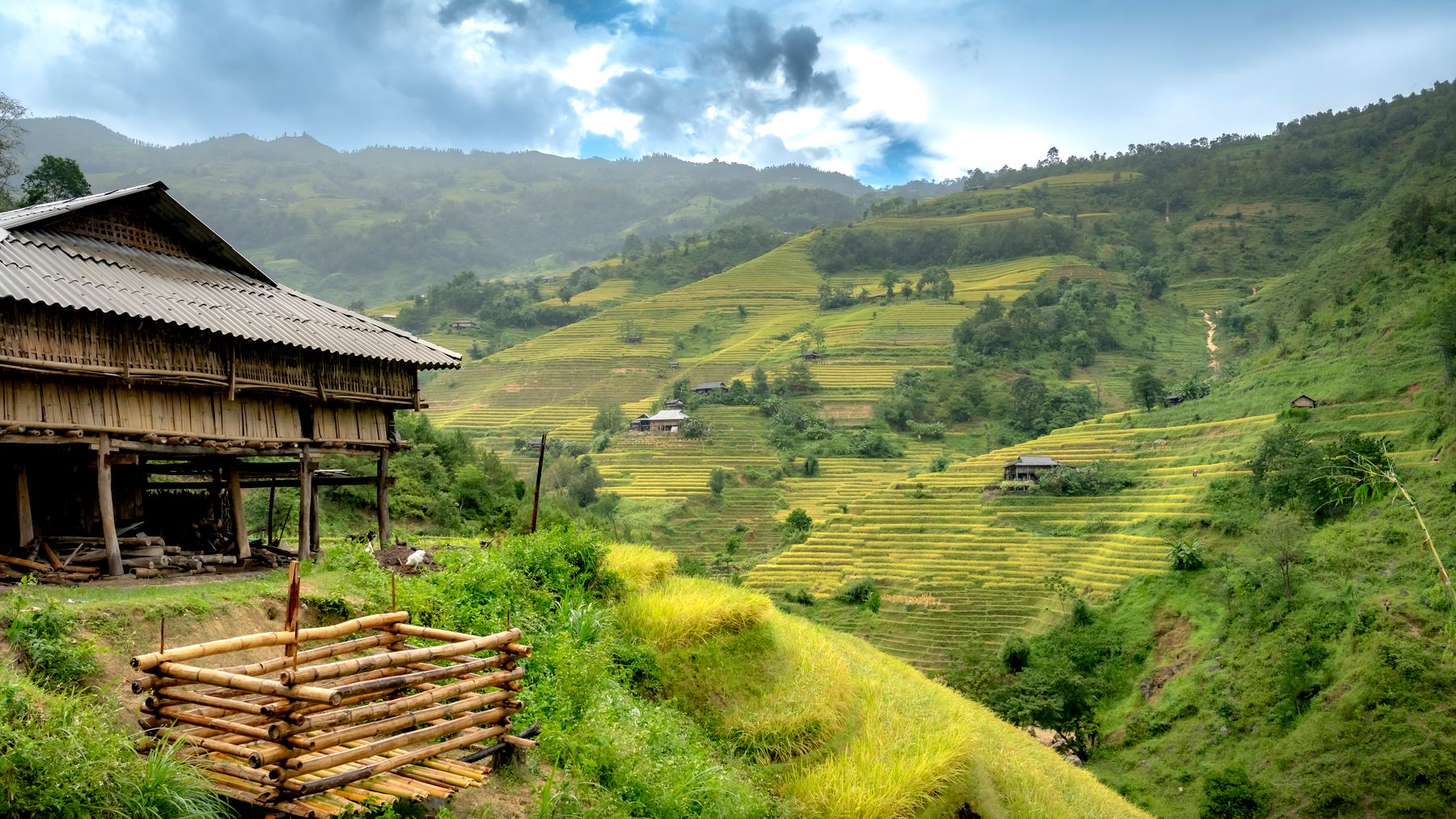
Photo by Quang Nguyen Vinh on Pexels
Practical tips locals would tell you
- Bring cash. There are no ATMs inside the reserve, and most homestays don't take cards. Canh Nang has an Agribank ATM, but don't count on it working.
- Pack a rain jacket even in dry season. Mountain weather shifts fast.
- Leeches are real from June through September. Tuck your pants into your socks and carry salt or a lighter. They're harmless but unsettling.
- Learn "xin chao" and "cam on" — a greeting and thank-you go a long way in villages that don't see huge tourist numbers.
- Mosquito repellent matters, especially at dusk.
Common mistakes to avoid
- Day-tripping from Mai Chau: You'll spend most of your time in a car and miss the evening, which is the best part.
- Skipping a guide for longer treks: Trail junctions aren't signed, and Google Maps gives up inside the reserve.
- Visiting only the southern valley: The northern section around Kho Muong is quieter and has some of the best trekking, but most tourists skip it because it's harder to reach.
- Expecting Sapa-level infrastructure: This is a nature reserve with farming villages, not a resort town. That's the point.
Practical notes
Pu Luong charges a reserve entrance fee of 40,000 VND per person. The reserve is technically in Thanh Hoa province but feels culturally closer to the Thai communities of Mai Chau and Hoa Binh. If you're building a northern Vietnam loop, it pairs naturally with Ninh Binh to the east or Mai Chau to the north — both are within a half-day drive.
Last updated · May 29, 2026 · independently researched, never sponsored.