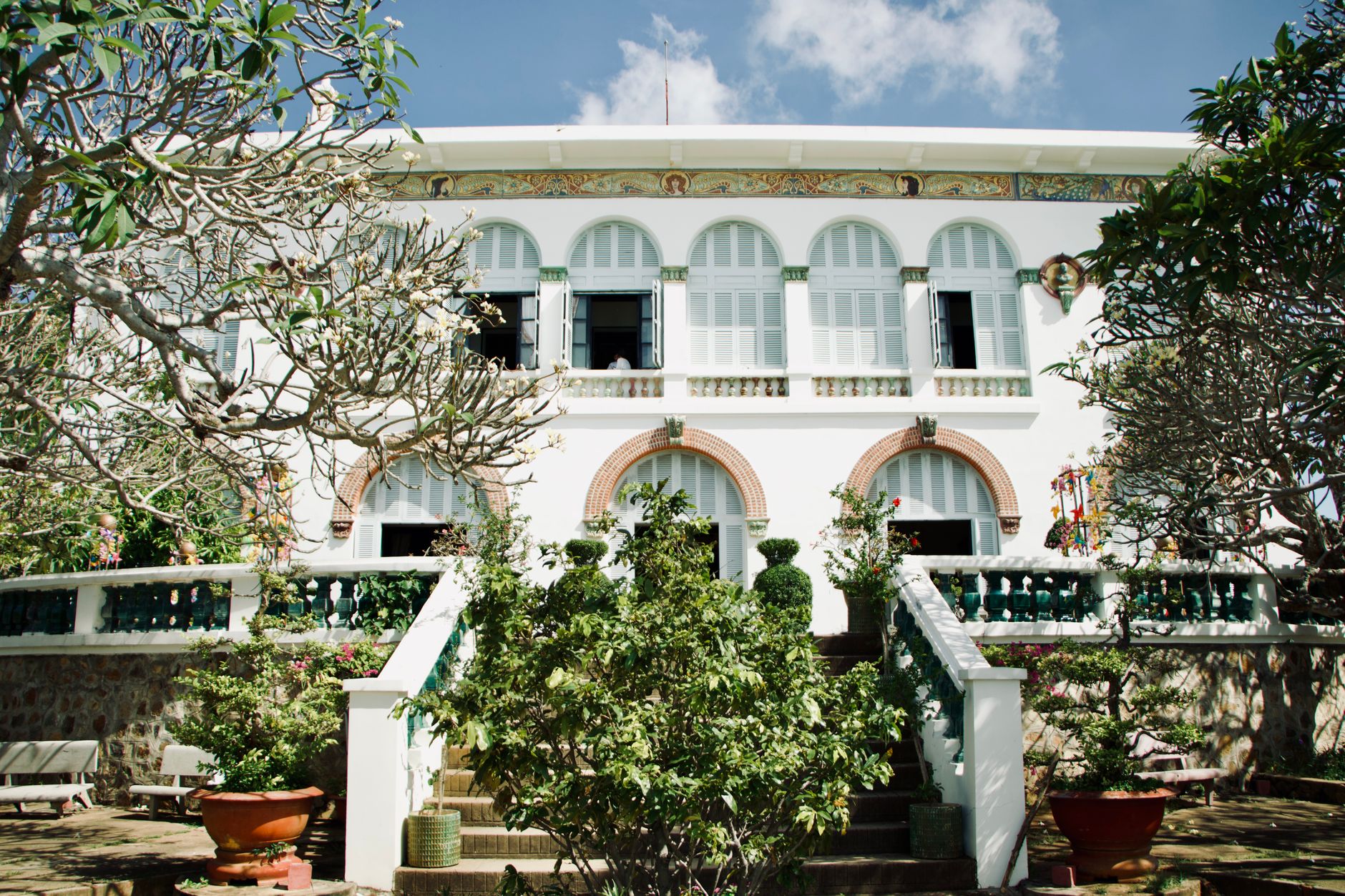
Phuoc Tich sits about 40 km northwest of Hue along the O Lau River, and it's one of only two ancient villages in Vietnam (베트남 / 越南 / ベトナム) recognized as a national heritage site (the other being Duong Lam near Hanoi). If you're already spending time in Hue and want something beyond the royal tombs, this is the day trip that rewards you most.
What Phuoc Tich is and why it matters
Founded in 1470 during the reign of King Le Thanh Tong, Phuoc Tich has survived more than five centuries largely intact. The village was originally settled by families who specialized in pottery — their ceramics once supplied the Nguyen royal court. That kiln tradition still exists, though barely. What you actually come to see are the roughly 30 "nha ruong" (garden houses) that remain standing. These are traditional timber-frame homes surrounded by areca palms, fruit trees, and laterite walls. Some are 150-plus years old.
The village earned its national heritage status in 2009, but it hasn't been turned into a theme park. On a weekday, you might be the only visitor. That's the appeal — it's a living village where people still farm, still make pottery, and still live in the same houses their great-grandparents built.
Why travelers go
Phuoc Tich works for anyone interested in Vietnamese vernacular architecture, traditional crafts, or just a quiet half-day outside the tourist circuit. The garden houses here are distinct from what you'll see in Hoi An — less Chinese-influenced, more purely Hue (후에 / 顺化 / フエ) in their design, with wooden columns, carved transoms, and yin-yang tile roofs. Photographers tend to love the place in the early morning when mist comes off the river.
It also pairs well with a broader Hue heritage itinerary. If you've already visited the Tomb of Tu Duc and the Tomb of Khai Dinh, Phuoc Tich adds context — you see how ordinary (well, moderately wealthy) people lived during the same era the royal tombs were being built.
Best time to visit
September through November is the sweet spot. The summer heat has broken, the landscape is green from recent rain, and the village is at its most photogenic. December through February can be grey and drizzly — not terrible, but less pleasant for wandering outdoors. March to May is fine if you go early in the day before it gets hot. Avoid the peak of the rainy season in October if heavy rain is forecast, since the unpaved paths through the village turn muddy.
How to get there from Hue
Phuoc Tich is in Phong Dien district, about 40 km northwest of central Hue. You have a few options:
- Motorbike: The most practical choice. Ride north on Highway 1A toward Phong Dien, then turn off toward Phong Hoa commune. Takes about 50-60 minutes. The road is decent the whole way. Rental bikes in Hue run 120,000-150,000 VND/day.
- Grab car or private driver: Around 350,000-450,000 VND one way. Arrange a round trip with wait time for roughly 700,000-900,000 VND. Most Hue hotels can set this up.
- Guided tour: A handful of Hue-based tour operators include Phuoc Tich on their countryside cycling or motorbike tours, usually combined with Phong Dien market. Expect 600,000-1,000,000 VND per person depending on group size.
There's no direct public bus that drops you at the village gate.

Photo by Hồng Quang Official on Pexels
What to do
Walk the garden houses
This is the main event. Several homeowners open their houses to visitors — some for free, some for a small donation (20,000-50,000 VND). The most well-known is the house of the Truong family, which dates back roughly 200 years and still has its original wooden frame. Take your shoes off, look up at the joinery, and ask about the family history. Many of the older residents are happy to talk if you show genuine interest.
Visit the pottery workshop
Phuoc Tich's ceramic tradition goes back to the village's founding. The remaining workshop lets you see how traditional pottery is shaped and fired. You can try the wheel yourself. Small finished pieces sell for 30,000-100,000 VND — they make better souvenirs than most of what you'll find in tourist shops.
Walk the O Lau riverbank
The river wraps around one edge of the village. A dirt path follows the bank under old trees. It's a 20-minute walk and completely peaceful. Bring water — there's no shade once you leave the tree line.
Visit the communal house and temple
The village "dinh" (communal house) sits at the center and dates to the early Nguyen period. The ancestral temple nearby still hosts ceremonies. Both are modest structures — don't expect anything like the Imperial Citadel — but they anchor the village's layout and are worth ten minutes of your time.
Catch Phong Dien morning market
If you leave Hue early (before 7 AM), stop at Phong Dien market on the way. It's one of the more authentic rural markets in the Hue area, busy with vendors selling produce, river fish, and local snacks. It winds down by 9 AM.
Where to eat nearby
The village itself has almost no commercial restaurants. A couple of families offer home-cooked meals if you arrange in advance — ask at the village entrance or have your hotel call ahead. Expect rice, river fish, and seasonal vegetables for around 80,000-120,000 VND per person.
Otherwise, eat in Phong Dien town on your way back. Look for "banh canh" shops — the thick noodle soup is a Hue-area staple and you'll find versions here made with crab or pork. A bowl runs 25,000-35,000 VND. If you're heading straight back to Hue, stop along the road for "bun bo Hue" — the spicy beef noodle soup that Hue does better than anywhere else in the country.
Where to stay
Phuoc Tich has a small number of homestays inside the village, operating out of restored garden houses. Rates are modest — typically 300,000-500,000 VND per night including breakfast. Don't expect hotel amenities; you get a clean room, a mosquito net, and the experience of sleeping in a heritage house. Book through your Hue hotel or contact the village tourism office directly.
Most visitors treat Phuoc Tich as a day trip and sleep in Hue, where options range from 200,000 VND hostels to boutique hotels in the 1,500,000-3,000,000 VND range.

Photo by Thái Trường Giang on Pexels
Practical tips locals would tell you
- Go in the morning. By early afternoon the village is hot and quiet — not much happening. Aim to arrive by 8-9 AM.
- Bring cash. There are no ATMs in the village and no card payment anywhere.
- Dress modestly if you plan to enter the communal house or temple. Shoulders and knees covered.
- Hire a local guide at the village gate. It's cheap (100,000-150,000 VND) and the guide will knock on doors and translate for you. Without one, you might walk through and miss most of what makes the place interesting.
Mistakes to avoid
- Rushing it. People sometimes allocate 30 minutes, snap some photos, and leave. Give yourself at least two hours to actually sit in a garden house, talk to someone, and walk the river path.
- Coming on a tour bus itinerary that also packs in three other stops. Phuoc Tich works best when you have time to be slow.
- Skipping Phong Dien market if you're already driving past it. It adds almost no time to the trip and gives you a look at everyday rural commerce around Hue.
- Expecting English signage or tourist infrastructure. This is a village, not a curated attraction. That's the point.
Practical notes
Phuoc Tich is free to enter, though individual houses may ask for a small donation. The village tourism office near the entrance has a basic map. Combine the visit with a morning at Phong Dien market and an afternoon visiting the Hue royal tombs for a full day that covers both the courtly and everyday sides of central Vietnam's history.
Last updated · May 29, 2026 · independently researched, never sponsored.