Binh Dinh is the kind of province that doesn't shout about itself. It sits between Da Nang and Nha Trang (냐짱 / 芽庄 / ニャチャン) on the central coast, quietly producing one of Vietnam's most respected traditional spirits — "ruou Bau Da", a rice liquor named after the hamlet where it's been distilled for centuries.
What Bau Da Actually Is
Bau Da is a "ruou de" — a clear, single-distillation rice spirit, not unlike the baijiu family conceptually, but distinctly Vietnamese in character. It comes out of the still between 45 and 50 percent alcohol by volume, which puts it firmly in the category of things you drink slowly and respect. The color is water-clear. The aroma is clean grain up front, with a faint sweetness that the locals describe as coming from the well water.
That last part is not marketing. The water source genuinely matters here. Bau Da village — officially part of Nhon Loc commune in An Nhon district, about 30 km south of Qui Nhon city — sits above a natural well whose mineral profile is credited by distillers as the irreplaceable ingredient. Attempts to replicate Bau Da liquor elsewhere in Binh Dinh using the same rice and the same distillation method have reportedly never produced quite the same result. Whether that's terroir or local pride doing the talking probably depends on who's pouring.
How It's Made
The process is traditional and labor-intensive. Distillers use "gao de" — a glutinous rice variety — fermented with a dry yeast cake called "men" that contains wild mold cultures specific to the region. The fermented mash, called "com ruou", is left to develop for several days before it goes into the still.
The still itself is a simple clay-pot setup over a wood fire. The first run produces "ruou dau", the head cut, which is typically set aside or redistilled. What gets bottled for drinking is the heart of the run — full-flavored, stable, and remarkably smooth given the proof. There's no aging involved. Bau Da is meant to be drunk fresh, ideally within a few months of distillation.
Most producers in Bau Da village are family operations that have been running for three, four, sometimes five generations. Output is small by any commercial standard — a few dozen liters per batch — which is part of why the real thing rarely travels far from Binh Dinh.

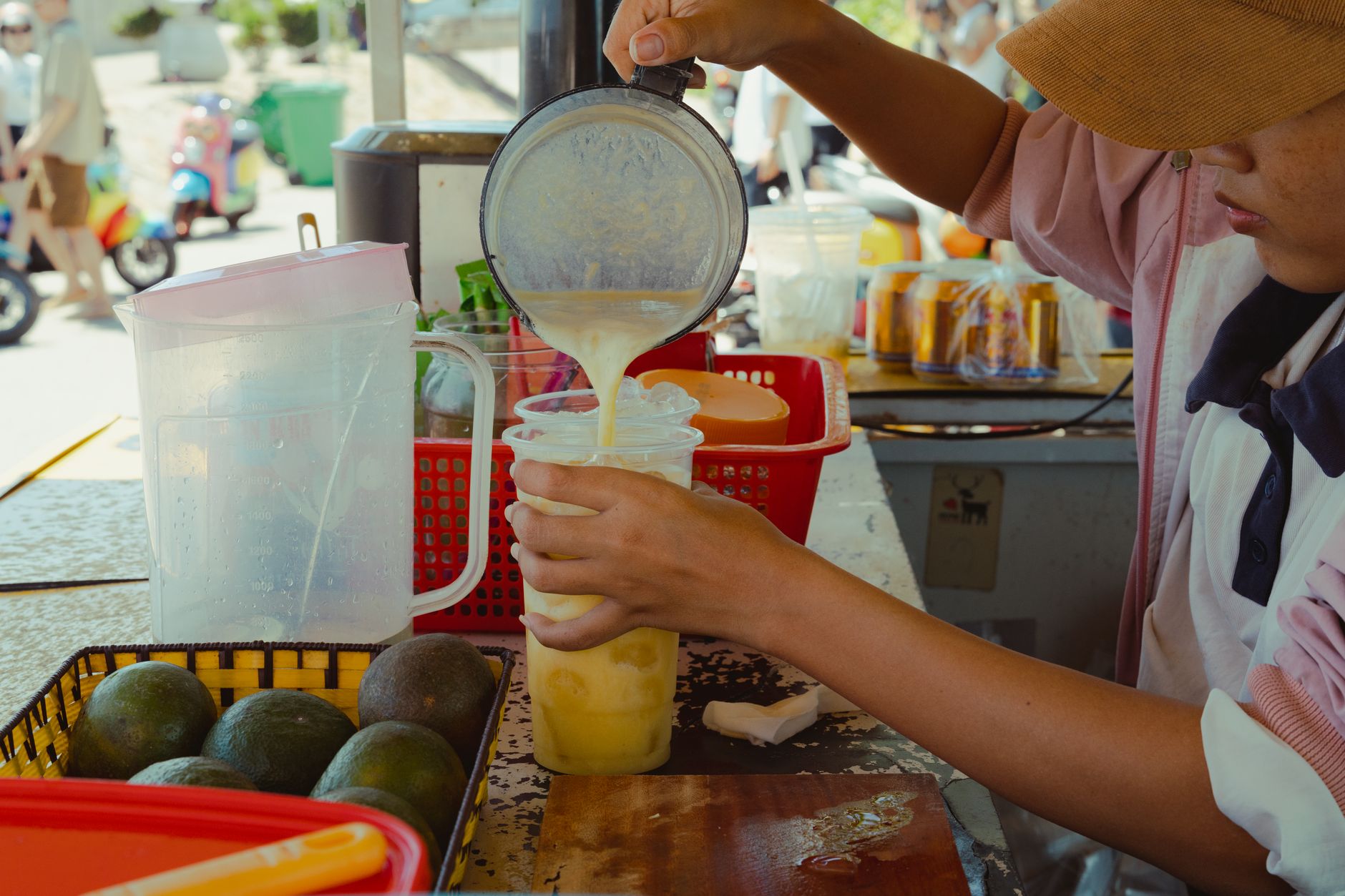
Photo by Pew Nguyen on Pexels
Why Martial-Arts Villages Drink It
Binh Dinh has an unusual cultural profile for a Vietnamese province. It's considered the heartland of "vo co truyen" — Vietnamese traditional martial arts — with lineages tracing back to the Tay Son Rebellion of the late 18th century. Villages around An Nhon and Tay Son district have produced renowned fighters for centuries, and the training culture there is serious: early mornings, outdoor practice grounds, forms passed down through family lines.
Ruou Bau Da is woven into that world in a functional and ritual sense. After training sessions, a small cup is shared among practitioners — partly as a muscle-warming tradition, partly as a mark of respect between teacher and student. At village festivals, at weddings, at the ceremonial tables set for ancestors during Tet, Bau Da appears as the default spirit. It's not a party drink. It occupies the same register that a good single malt might in Scotland — something you bring out when the occasion means something.
The connection to the Tay Son era is something locals invoke often, with the claim that the rebel army's soldiers drank Bau Da before battle. Verifiable history or not, the story has stuck, and it gives the spirit a regional identity that's hard to manufacture.
Buying and Drinking It
In Qui Nhon, you'll find Bau Da at most markets and liquor shops without any trouble. Expect to pay around 50,000–80,000 VND for a 500ml bottle from a reputable producer — less than a tourist hotel beer in Hanoi, for a spirit with genuine craft behind it. The Bau Da Liquor Company, a state-linked enterprise that formalizes some of the village production, sells clearly labeled bottles that are easy to identify.
If you're passing through Binh Dinh — and it's worth the detour from the coastal highway, especially if you're also planning a side trip toward the Cham towers at Banh It or the historic sites around Tay Son district — you can visit the village itself. It's a short ride from An Nhon town. Don't expect a distillery tour with an English-speaking guide and a gift shop. Do expect a working family operation that will probably pour you a small cup and let the product speak for itself.
Drink it neat, room temperature. Don't mix it. If someone offers you Bau Da in a shot glass, slow down and sip — the locals will notice and approve.

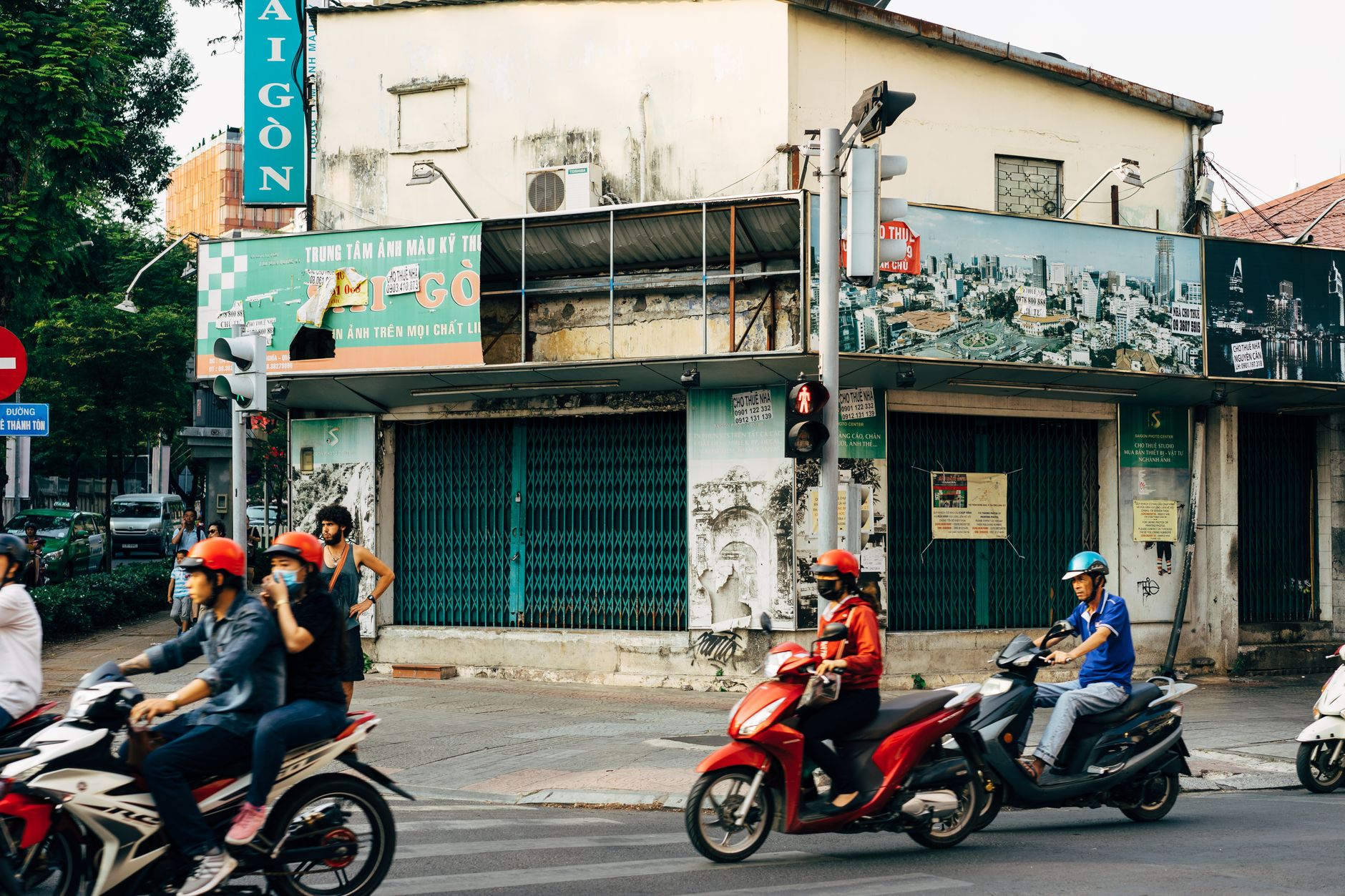
Photo by Quang Nguyen Vinh on Pexels
How It Compares to Other Vietnamese Spirits
Vietnam has a well-established tradition of regional rice spirits. "Ruou can" from the Central Highlands (중부 고원 / 中部高原 / 中部高原) is fermented communally and drunk through bamboo straws. "Ruou nep cam" from the north uses black glutinous rice and runs sweeter and lower in proof. Hanoi and the northern provinces have their own ruou de traditions. But Bau Da occupies a particular position: high-proof, dry, clean, and attached to a specific place and a specific cultural identity in a way that most Vietnamese spirits are not.
It has received geographic indication protection from the Vietnamese government, which puts it in the same category as Phu Quoc fish sauce and Luc Ngan lychees — products that are legally tied to their place of origin.
Practical Notes
Binh Dinh's Phu Cat Airport has connections to Hanoi and Saigon, making Qui Nhon more accessible than it used to be. If you're driving the coastal route between Da Nang and points south, An Nhon district is a straightforward detour. Bau Da bottles travel well and make a useful gift — just pack them in checked luggage.
Last updated · May 29, 2026 · independently researched, never sponsored.