The Reality of the Central Monsoon
Central Vietnam (베트남 / 越南 / ベトナム) between October and December is wet. Expect persistent drizzle or heavy afternoon downpours. Rather than fighting the weather, this itinerary leans into the indoor culture of the region—focusing on the complex flavors of Hue, the craft workshops of Hoi An, and the museum-heavy streets of Da Nang.
Day 1-3: Hue – The Imperial Kitchen
Start in Hue (후에 / 顺化 / フエ). When it rains here, the city feels like a watercolor painting. The mist over the Perfume River is a classic sight.
Day 1: Spend your first day inside the "Imperial Citadel Thang Long" (note: the Hue Imperial City). The thick stone walls provide plenty of shelter. Afterward, head to a local shop to try "bun bo hue"—the spicy, lemongrass-heavy broth is the perfect antidote to damp weather.
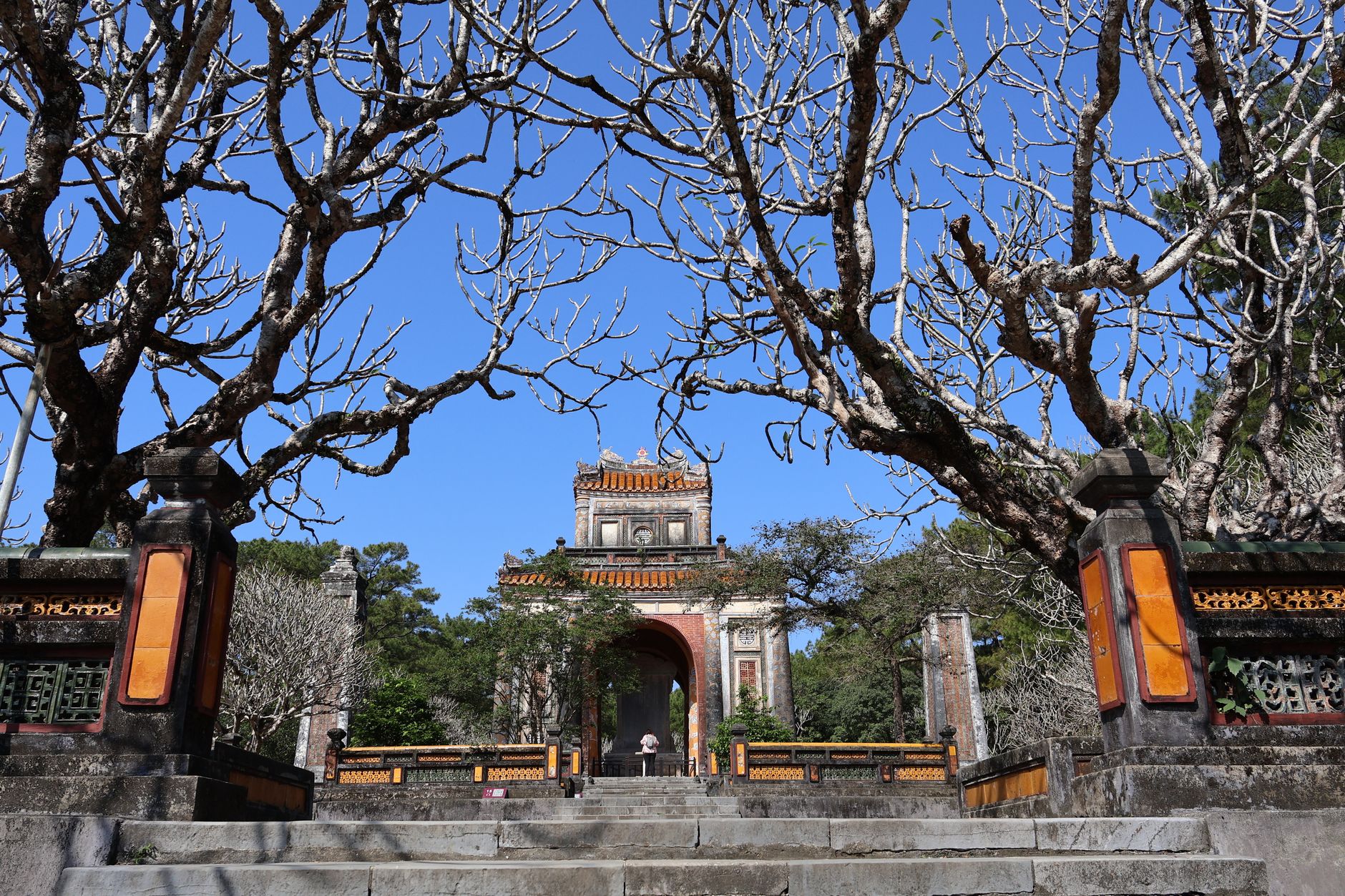
Day 2: Visit the "Tomb of Tu Duc" and "Tomb of Khai Dinh". While these are outdoor sites, the covered pavilions and stone architecture are atmospheric in the rain. In the evening, find a quiet cafe to enjoy "lotus tea" while watching the rain hit the river.
Day 3: Focus on food. Hue is the heart of royal cuisine. Spend the day learning to make "banh beo" or "banh nam" in a cooking class. These steamed rice cakes are best enjoyed warm while the rain falls outside.
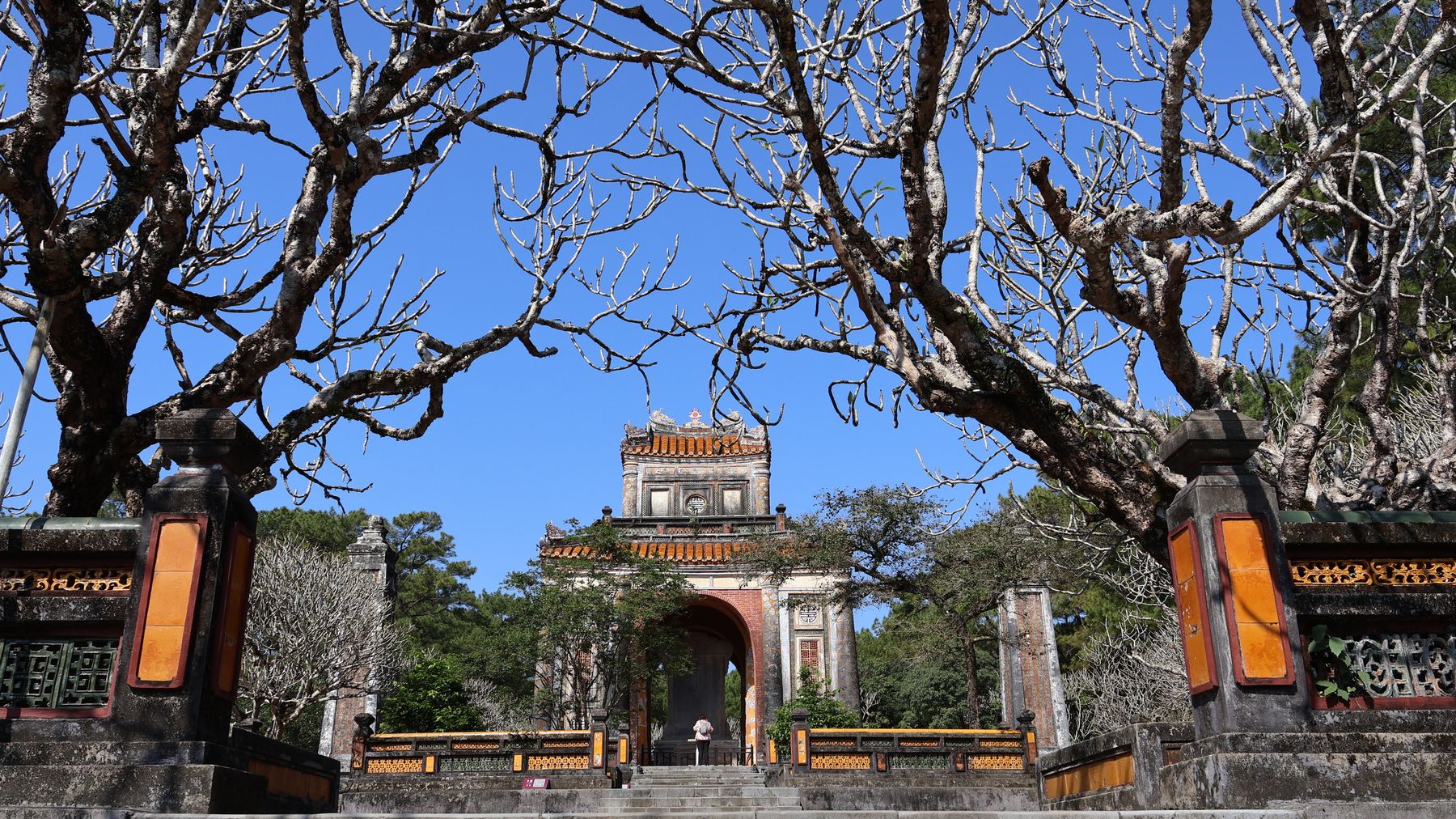
Photo by Minh Lê on Pexels
Day 4-6: Da Nang – Coastal Comforts
Take the train from Hue to Da Nang. The Hai Van Pass is beautiful, but if the weather is too severe, the train is safer and offers a better view of the coastline.
Day 4: Da Nang is a modern city with excellent museums. Spend the morning at the Museum of Cham Sculpture. It is entirely indoors and houses the world's largest collection of Cham artifacts. For dinner, hunt down a bowl of "mi quang"—the turmeric-infused noodles are a local staple.
Day 5: If the rain lets up, head to the "Golden Bridge" early to beat the crowds. If it is pouring, skip the mountain and spend the day in the city's coffee scene. Try "egg coffee" at a local roastery; it is rich, sweet, and comforting.
Day 6: Take a short trip to the Marble Mountains. The caves provide natural shelter from the rain, and the climb is manageable even in light drizzle. In the evening, try "banh xeo" at a local stall near the Han River.
Day 7-9: Hoi An – Lanterns and Workshops
Travel south to Hoi An. The Ancient Town is prone to minor flooding during the peak of the rainy season, but this is part of the local experience.
Day 7: Explore the "cao lau" shops. This noodle dish is unique to Hoi An, made with water from a specific local well. Spend the afternoon in a tailor shop or a leather workshop—Hoi An is famous for its craftsmanship, and these are perfect indoor activities.
Day 8: Visit the local markets. Even in the rain, the vendors are active. Look for "banh mi" at the famous stalls near the river. If you want to see traditional arts, look for a "ca tru" performance or a local craft demonstration.
Day 9: Take a day trip to the "My Son" sanctuary. The ruins are set in a valley, and the rain makes the brickwork glow a deep, intense red. It is much less crowded during the off-season.

Photo by Quang Nguyen Vinh on Pexels
Day 10: Departure from Da Nang
Head back to Da Nang for your flight or train. If you have a few hours, visit the "Tran Quoc Pagoda" (or local equivalents in the city) for a final moment of quiet before heading to the airport.
Practical notes
Pack a high-quality raincoat rather than an umbrella; the wind in Central Vietnam can be strong. Always carry a dry bag for your electronics, and keep your itinerary flexible—if the rain is too heavy, prioritize museum days and extended coffee sessions over outdoor sightseeing.
Last updated · May 30, 2026 · independently researched, never sponsored.