Central Vietnam (베트남 / 越南 / ベトナム) is often treated as a checklist: land in Da Nang, hit the beach, walk through Hoi An, and leave. If you have 10 days, you can actually breathe. This itinerary trades the high-speed tour bus experience for a slower pace, focusing on the stretches of coastline where the water is clear, the crowds are thin, and the "mi quang" is served exactly how the locals like it.
Day 1-3 — Da Nang: Beyond the main strip
Most travelers stick to the My Khe beach strip. Instead, head north toward the Son Tra Peninsula. Base yourself in a small apartment near the Han River. Spend your mornings at the local markets eating "banh xeo" and your afternoons exploring the quieter coves near the base of the mountain. On Day 2, take a morning ride to the "Tran Quoc Pagoda"-style temples in the area for a quiet view of the bay. By Day 3, you will have found your favorite "ca phe sua da" spot near the river.
Day 4 — The Hai Van Pass transition
Rent a motorbike or hire a driver for the climb over the Hai Van Pass. It is 20km of winding road that separates the north from the south. Stop at the top for a quick coffee, but keep moving toward Lang Co. This lagoon-side town is where the real beach hopping begins. The water here is calm, and the seafood shacks built on stilts over the water serve some of the freshest grilled squid you will find in the region.
Day 5-6 — Hue: The imperial pause
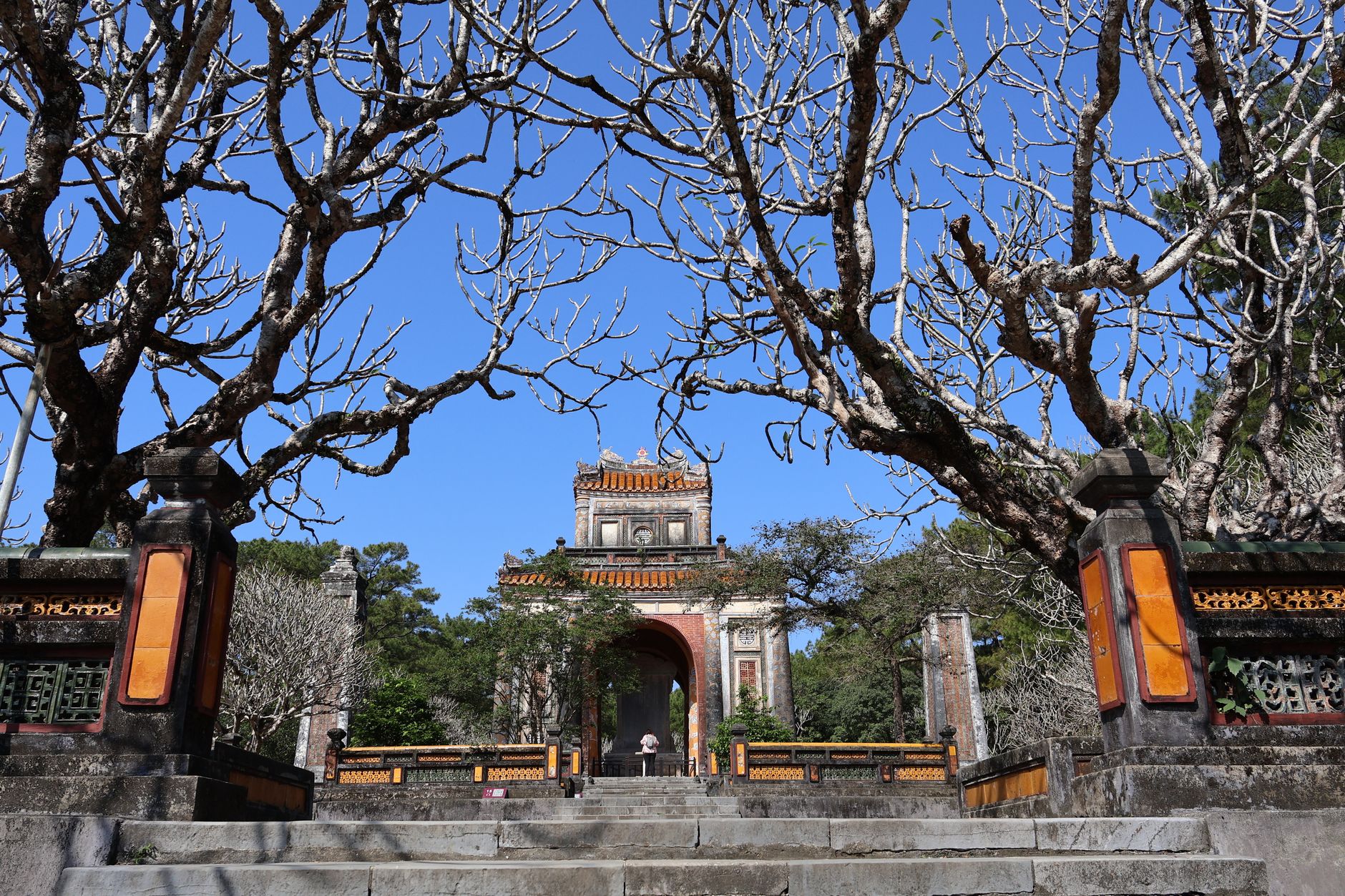
After the coast, head inland to Hue. It is not a beach town, but the river culture here is essential. Spend your time visiting the "Tomb of Tu Duc" and the "Tomb of Khai Dinh". These sites are sprawling and quiet if you arrive by 8:00 AM. In the evenings, seek out "bun bo hue (분보후에 / 顺化牛肉粉 / ブンボーフエ)" from the street vendors near the Dong Ba market. The spice levels here are no joke, but it is the authentic standard for the dish.
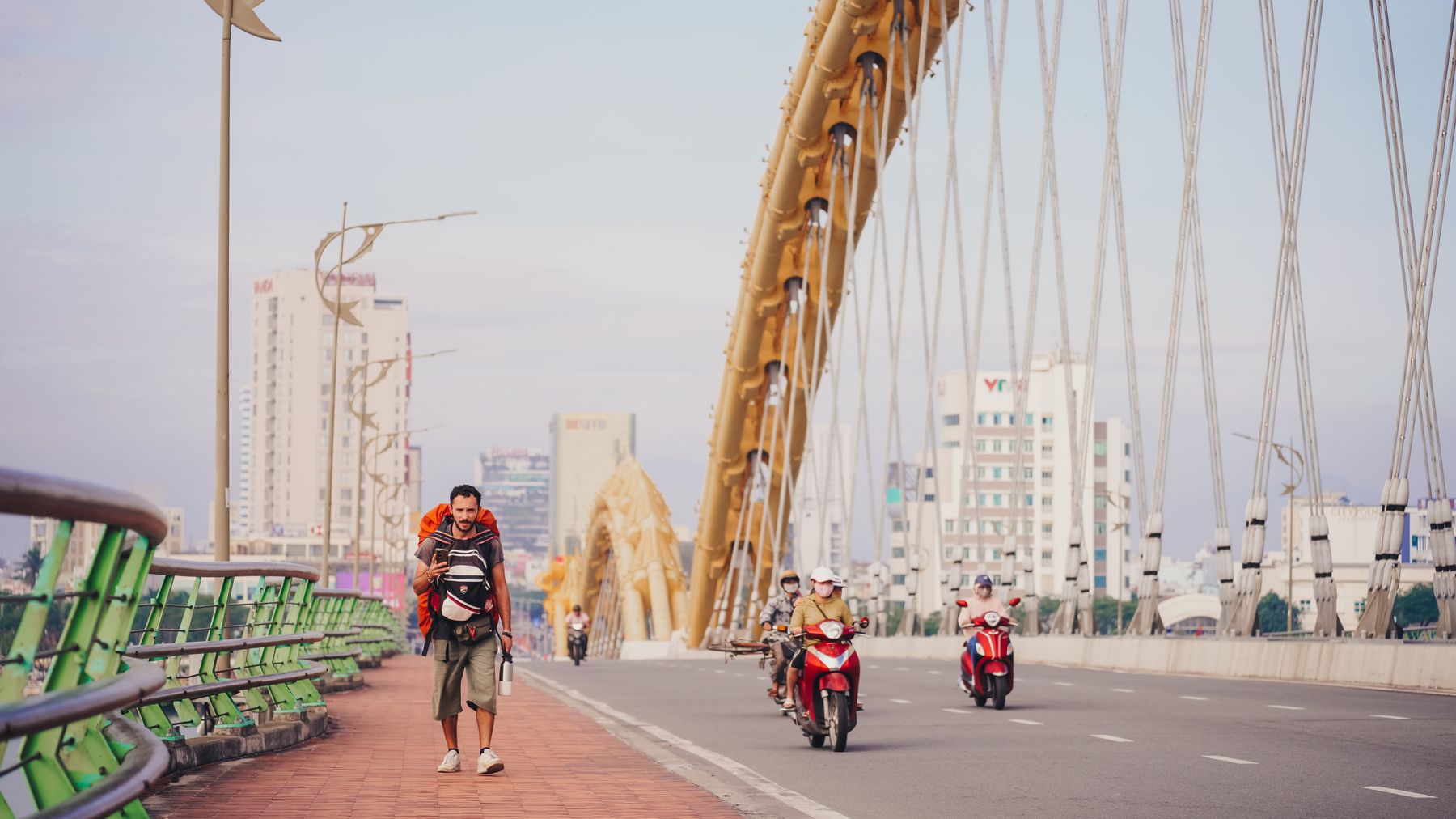
Photo by Xuân Thống Trần on Pexels
Day 7-8 — The quiet sands of the south
Head south toward the coastal stretches below Da Nang. Skip the massive hotel complexes and look for homestays near the fishing villages. This is where you can watch the morning catch come in. Spend your days swimming and your evenings eating "goi cuon" at small, family-run stalls. The rhythm here is dictated by the tide, not a tour schedule.
Day 9 — Hoi An: The evening glow
Arrive in Hoi An late in the day. Yes, it is busy, but the town changes after the day-trippers leave. Walk the narrow alleys to find a bowl of "cao lau"—a dish you can only truly find here due to the specific well water used for the noodles. Avoid the main tourist restaurants and look for the small plastic stools tucked into the side streets.

Photo by Quang Nguyen Vinh on Pexels
Day 10 — Departure and reflections
Use your final morning to visit the local market one last time. Pick up some dried snacks or a "non la" if you have space in your bag. Head back to Da Nang for your flight, stopping for one final "banh mi" at a roadside stall near the airport. It is a simple end to a trip that prioritizes the coast over the chaos.
Practical notes
- Transport: Renting a motorbike is the best way to see the coast, but only if you are an experienced rider. Otherwise, private car hires for the Hai Van Pass are affordable and safer.
- Budget: Expect to spend around 800,000 to 1,200,000 VND per day for a comfortable mid-range trip, including food and lodging.
- Timing: The best weather for this stretch is between March and August. Avoid the late autumn months if you want to stay dry.
Last updated · May 30, 2026 · independently researched, never sponsored.