Kim Boi hot springs have been drawing Vietnamese visitors since the 1930s, when French geologists first documented the mineral-rich waters bubbling up through limestone in what is now Phu Tho province. Today the area remains one of northern Vietnam (베트남 / 越南 / ベトナム)'s most accessible natural soak spots — close enough to Hanoi for a weekend trip, far enough that it never feels crowded.
What it is
Suoi Khoang Kim Boi is a cluster of natural hot spring sources spread across Kim Boi district in the hilly country southwest of Phu Tho city. The water surfaces at around 36-42°C, rich in calcium bicarbonate, sulfur, and trace minerals. Locals have bathed in these springs for generations — long before the French showed up with their notebooks.
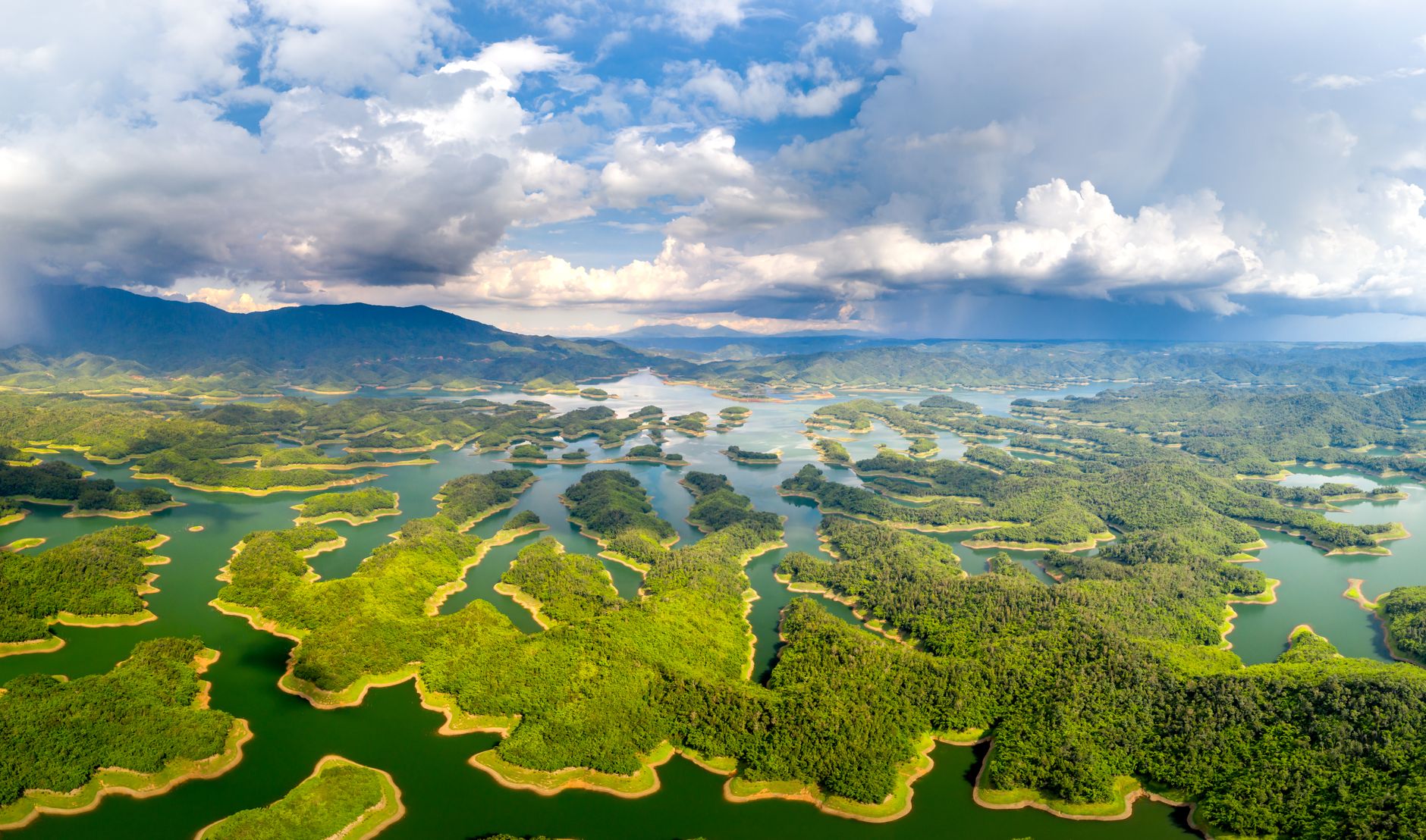
The area sits in a valley flanked by karst hills, surrounded by Muong ethnic minority villages. The Muong are the region's indigenous people, and their stilt houses, rice wine, and cooking traditions are as much a reason to visit as the water itself.
Why travelers go
Most foreign visitors to northern Vietnam stick to the Hanoi (하노이 / 河内 / ハノイ)–Sapa–Ha Long Bay triangle. Kim Boi draws almost entirely domestic tourists and the occasional expat looking for something low-key. That's the appeal: you soak in warm mineral water, eat well, sleep in a stilt house, and spend a day or two without hearing a tour bus.
The hot springs are genuinely therapeutic — not a hotel pool with "mineral water" piped in. You're sitting in water that comes out of the ground warm, slightly sulfurous, with a slippery feel that locals swear helps with joint pain and skin conditions. Whether or not you buy the health claims, it's a good soak.
Best time to visit
The sweet spot is October through March. Cool-season temperatures in the valley drop to 12-18°C, which makes the hot water feel genuinely luxurious rather than redundant. December and January are the coldest months — you'll see mist hanging over the rice paddies in the morning, and the contrast between cold air and hot water is at its best.
Avoid major Vietnamese holidays, especially Tet and weekends around April 30th, when domestic visitors pack the resorts. Mid-week visits from November to February give you the best combination of weather and elbow room.
Summer (June–August) is hot and humid. Soaking in 40°C water when it's 35°C outside is a hard sell.
How to get there from Hanoi
Kim Boi district is roughly 90 km southwest of Hanoi, and the drive takes about 2 to 2.5 hours depending on traffic leaving the city.
By motorbike: The most flexible option. Take QL6 (National Highway 6) west through Luong Son, then turn south on DT12B toward Kim Boi town. The road passes through pleasant hill country — nothing technical, but some sections are narrow with truck traffic. Budget about 80,000-100,000 VND for fuel round trip on a 125cc bike.
By bus: Catch a bus from My Dinh bus station in Hanoi heading toward Hoa Binh city (formerly the provincial capital, now part of Phu Tho). Tickets run about 80,000-100,000 VND and the ride takes around 2 hours. From Hoa Binh city, you'll need a local bus or xe om (motorbike taxi) for the remaining 25 km south to Kim Boi — roughly 50,000-80,000 VND.
By car/private transfer: Hotels in Hanoi can arrange a car for 1,200,000-1,500,000 VND round trip. Some Kim Boi resorts offer shuttle service if you book a package — ask when reserving.

Photo by Quang Nguyen Vinh on Pexels
What to do
Soak in the mineral pools
This is why you're here. Several resorts and public bathing areas offer pools fed directly by the springs. V-Resort Kim Boi is the most established, with indoor and outdoor pools at different temperatures. Public soaking costs around 100,000-150,000 VND per person. Some places offer private tubs for couples — expect 300,000-500,000 VND for an hour.
Visit a Muong village
The Muong communities around Kim Boi live in traditional stilt houses and maintain distinct customs from the Kinh majority. Walk through the villages near Kim Boi town — you'll see houses raised on wooden stilts, looms on verandas, and rice drying on mats in the yards. If you're respectful and smile, people are generally welcoming. Some guesthouses can arrange a village visit with a local guide for around 200,000 VND.
Hike the surrounding hills
The karst terrain around the valley has several trails that locals use daily. Nothing is marked for tourists, so either go with a guesthouse guide or just follow the paths that lead up from the valley floor. A morning walk to the ridgeline above the springs takes about 90 minutes and gives you a wide view of the patchwork rice paddies below.
Cycle through the valley
Many guesthouses and resorts lend or rent bicycles. The flat road along the valley floor between Kim Boi town and the surrounding hamlets is an easy 15-20 km loop, passing fish ponds, rice fields, and the occasional water buffalo blocking the road.
Try the local rice wine
The Muong are serious about "ruou can" — rice wine fermented in ceramic jars and drunk through bamboo straws. It's a communal thing: a jar sits on the floor, everyone gathers around, and you drink through long straws together. Some guesthouses set this up in the evening. It's sweeter and lighter than you'd expect.
Where to eat nearby
Kim Boi's food scene is Muong home cooking, not restaurant dining. Two things to seek out:
"Com lam" — sticky rice cooked inside bamboo tubes over charcoal. The bamboo imparts a faint sweetness. You'll find it at roadside stalls and guesthouse kitchens. A tube costs about 15,000-20,000 VND.
Muong-style grilled pork and bitter bamboo shoot soup — pork marinated with "mac khen" (a local wild pepper) and grilled over wood coals, served with a sour soup made from foraged bamboo shoots. Most guesthouses serve this as part of a set meal. A full spread for two runs about 200,000-350,000 VND.
If you're craving something familiar, Hoa Binh city (25 km north) has basic "pho" and "bun cha" shops along the main road.
Where to stay
Budget (300,000-500,000 VND/night): Local guesthouses and homestays in Muong stilt houses. Basic rooms, shared bathrooms, but genuine atmosphere. Some include meals.
Mid-range (600,000-1,200,000 VND/night): V-Resort Kim Boi and a handful of smaller resorts offer private rooms with hot spring access included. Rooms are clean if slightly dated. Book directly for the best rates.
Upscale (1,500,000+ VND/night): A few newer boutique properties have opened with private soaking tubs and better furnishings. Options are limited — this isn't Da Lat or Sapa with dozens of choices.

Photo by Quang Nguyen Vinh on Pexels
Practical tips locals would tell you
- Bring flip-flops with grip. The pool areas get slippery, and cheap foam sandals are a recipe for a fall.
- Don't soak for more than 20-30 minutes at a time. The mineral content is high and prolonged soaking can leave you lightheaded, especially in the hotter pools.
- Bring cash. There's one ATM in Kim Boi town and it's unreliable. Cards are accepted almost nowhere.
- Weekdays are dramatically quieter than weekends. Friday afternoon the Hanoi crowd arrives; by Sunday noon, it's peaceful again.
- Mosquito repellent matters in the evenings, especially May through October.
Common mistakes to avoid
- Showing up without a booking on a holiday weekend. The handful of decent places fill up fast during Tet / 越南春节 / テト) and long weekends. Book a week ahead minimum.
- Expecting a spa resort experience. Kim Boi is rustic. If you want robes, cucumber water, and mood lighting, this isn't the place. It's natural springs in a farming valley.
- Skipping the villages for pool time. The Muong culture around Kim Boi is what makes this area distinct from any other hot spring. Budget at least half a day for walking around.
- Driving back to Hanoi on Sunday evening. The return traffic on QL6 is brutal. Leave before noon or stay until Monday morning.
Practical notes
Kim Boi works best as an overnight trip from Hanoi — arrive Saturday morning, soak and explore, drive back Sunday before lunch. Pair it with a stop in Hoa Binh city or a detour to Mai Chau if you have a third day. This is low-key northern Vietnam at its most genuine: warm water, cold beer, rice fields, and nobody trying to sell you a tour.
Last updated · May 29, 2026 · independently researched, never sponsored.