
What it is
Thac Khuoi Nhi is a multi-tiered waterfall tucked into the limestone karst valleys of what was formerly Ha Giang province's southern fringe — now part of the expanded Tuyen Quang province following the administrative merger. The falls drop roughly 30 meters across three main tiers into a series of natural pools colored that milky turquoise you get from calcium-rich limestone runoff. The surrounding forest is dense, the trail is minimal, and on weekdays you'll likely have the place to yourself.
Unlike the heavily marketed waterfalls closer to Sapa or the tourist circuits around Ha Long Bay, Khuoi Nhi has stayed under the radar largely because access requires some effort and the area lacks formal tourism infrastructure. That's exactly the point.
Why travelers go
Three reasons, mostly:
- The pools are swimmable. The lower tier collects into a basin deep enough to wade and float, with a sandy-gravel bottom. Water temperature hovers around 18-22°C depending on season.
- It's genuinely quiet. No ticket booth, no loudspeaker playing music, no concrete path. You'll see local Tay and Dao villagers using the trail more than tourists.
- The drive there is half the experience. The road passes through terraced rice valleys, bamboo forests, and small ethnic minority hamlets that feel a world away from Hanoi — which is only about 280 km northeast.
Best time to visit
The sweet spot is September through November. The rainy season (June–August) feeds the falls to their fullest, but trails get slippery and river crossings can be impassable. By September the water volume is still impressive but paths dry out. October gives you golden rice terraces on the drive up as a bonus.
December through February: water flow drops significantly. The falls thin to a trickle by late January in dry years. You'll still see the pools but they lose that dramatic curtain effect.
Avoid major holiday weekends around Tet (late January/February) — not because Khuoi Nhi gets crowded, but because local guides and homestay operators take time off and you may find services unavailable.
How to get there
From Hanoi (하노이 / 河内 / ハノイ): Drive north on the Hanoi–Tuyen Quang expressway (CT07) to Tuyen Quang city — roughly 2.5 hours, 130 km. From Tuyen Quang city, continue northeast on QL2 and then provincial roads toward Lam Binh district. Total from Hanoi: approximately 4.5–5 hours by motorbike, 4 hours by car.
From Ha Giang (하장 / 河江 / ハーザン) town: If you're finishing a Ha Giang loop, head south through Bac Me district. The road is scenic but slow — expect 3–3.5 hours for about 120 km of mountain road.
Last stretch: From Lam Binh district center, follow signs toward Khuoi Nhi village. The final 8 km is a concrete single-lane road that dead-ends at the trailhead. Passable by motorbike year-round; cars may struggle in the wettest months due to a few stream crossings.
The trail: From the road's end, it's a 2.5 km walk through forest. Relatively flat for the first kilometer, then a moderate descent on an earthen path. Allow 40 minutes each way. Wear shoes with grip — flip-flops are a bad idea.

Photo by Q. Hưng Phạm on Pexels
What to do
- Swim the lower pools. Bring a dry bag for your phone. The deepest section near the base of the first tier is about chest-height on an average adult.
- Hike to the upper tiers. A rough scramble along the left bank (facing upstream) gets you to the second and third drops. Ropes are fixed in a few spots but check their condition — they're community-maintained, not professionally installed.
- Photograph the morning light. The gorge faces east-northeast; direct sun hits the main cascade between 8:00–9:30 AM from September to November.
- Visit Khuoi Nhi village. A small Tay community at the trailhead. Residents are friendly but reserved — ask before photographing homes or people.
Where to eat
There's no restaurant at the waterfall itself. Pack lunch or eat in Lam Binh town before heading out.
- Lam Binh market (morning only, closes by 11 AM): grilled pork skewers, sticky rice wrapped in banana leaf, and "thang co" — a sour organ-meat stew common in northern mountain areas. Expect 30,000–50,000 VND per person.
- Quan com along QL2 in Na Hang or Lam Binh: basic rice plates with stir-fried vegetables and braised pork, 40,000–60,000 VND. Nothing fancy, reliably filling.
- If you're staying overnight, homestay hosts usually cook dinner — river fish, local greens, rice wine. Meals run 80,000–120,000 VND.
Where to stay
Budget: Homestays in Khuoi Nhi or nearby Thuong Lam commune. Basic wooden stilt houses with shared bathrooms, mosquito nets, foam mattresses. 150,000–250,000 VND per person including dinner and breakfast. Book by phone — most hosts don't list on Booking.com. Ask at Lam Binh district tourism office for current numbers.
Mid-range: Na Hang town (30 km south) has a handful of guesthouses and one or two proper hotels with hot water and air conditioning. 400,000–600,000 VND per night.
Alternative: Camp at the trailhead if you carry gear. Flat ground is available, and locals don't object as long as you pack out trash.
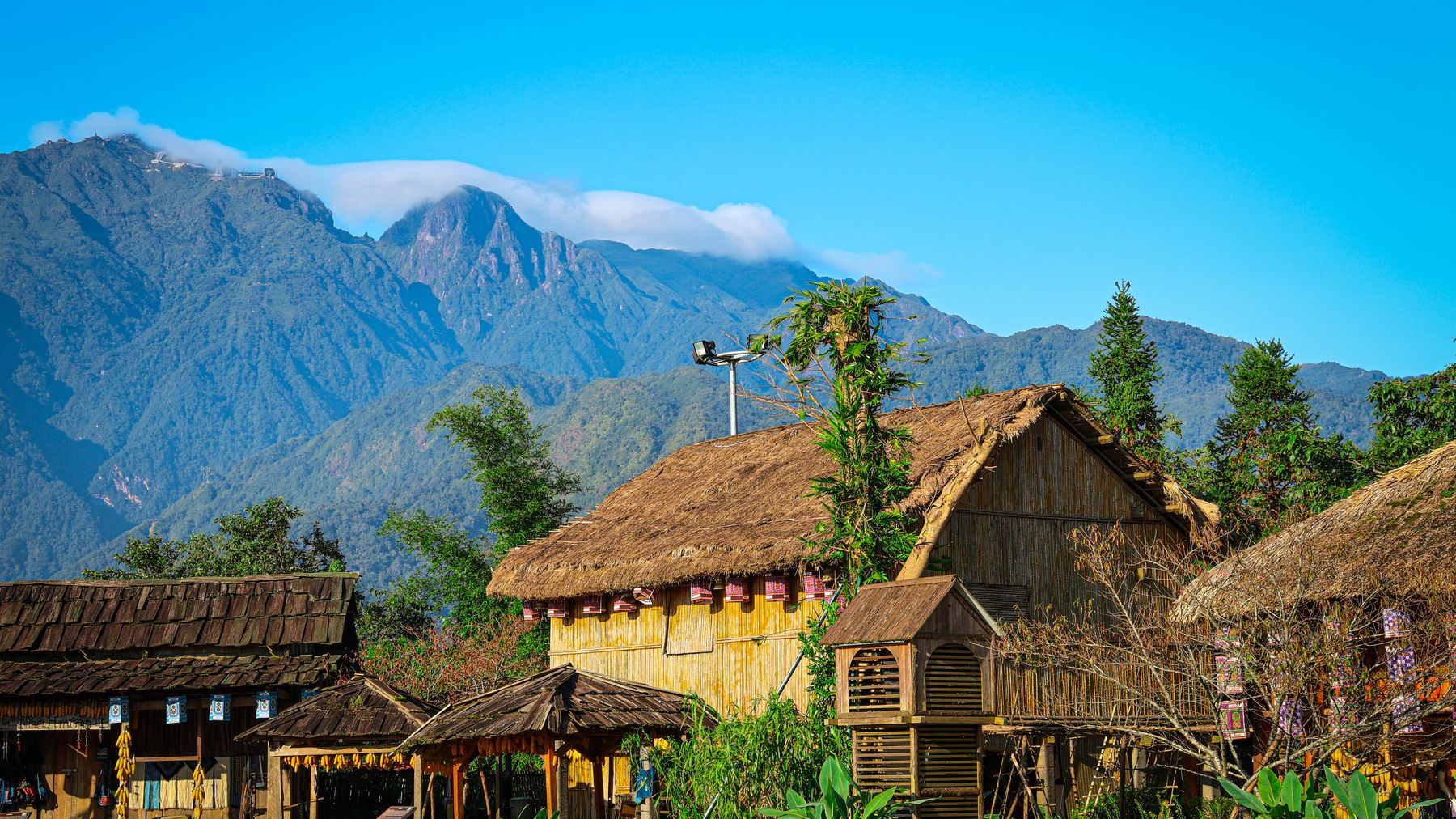
Photo by Haneul Trac on Pexels
Practical tips
- Cash only. No ATMs past Tuyen Quang city center. Bring enough dong for 2 days minimum.
- Phone signal: Viettel works intermittently near Lam Binh. At the waterfall itself, expect no signal.
- Guides: Not strictly necessary for the main trail, but hiring a local villager (200,000–300,000 VND for a half-day) helps with the upper-tier scramble and puts money directly into the community.
- Leeches: Present May through September in the forest. Tuck pants into socks and carry salt or a lighter.
- Trash: There are no bins. Whatever you carry in, carry out.
Common mistakes
- Arriving too late in the day. Start the hike by 7:30 AM to get good light and avoid afternoon rain (common June–September).
- Underestimating the drive. Google Maps times are optimistic on mountain roads. Add 30–45 minutes to whatever your phone says.
- Skipping water shoes. The stream crossings and pool bottoms have slippery rocks. Dedicated water sandals make a big difference.
- Combining with a rushed Ha Giang loop. This area deserves at least one full day. Tacking it on as a quick stop between Hanoi and Ha Giang leaves you too hurried to enjoy the pools or the village.
Practical notes
Khuoi Nhi isn't a polished tourism product — that's its value. Come prepared for minimal infrastructure, bring patience for slow roads, and you get a waterfall that most visitors to northern Vietnam never hear about. Pair it with a night in a Tay homestay and a morning at Lam Binh market, and you've got a genuinely different experience from the well-trodden Ninh Binh or Sapa circuits.
Last updated · May 29, 2026 · independently researched, never sponsored.





