What it is
Thanh Co Bac Ninh — the old citadel of Bac Ninh — sits in the middle of Bac Ninh city, roughly 30 km northeast of Hanoi. It's a Vauban-style fortress, meaning it follows the star-shaped European military design that the Nguyen Dynasty adopted in the early 19th century. Emperor Gia Long ordered its construction around 1805, and it was expanded under Minh Mang. The citadel served as the administrative and military seat of Kinh Bac, one of the most culturally significant regions in northern Vietnam (베트남 / 越南 / ベトナム).
Bac Ninh province today includes territory that was historically part of Bac Giang before administrative changes merged and re-split the two over the decades. The citadel itself has seen better days — French colonial forces modified parts of it, and time has worn down much of the original structure. What remains are segments of the earthen ramparts, a restored gate, and the general footprint of the old walls woven into the modern city grid.
Why travelers go
Honestly, most don't. Thanh Co Bac Ninh isn't on standard tourist loops, and that's part of the appeal. You won't find ticket booths or souvenir shops. The citadel area is where locals exercise in the morning, where grandmothers sit under banyan trees, where kids kick footballs against centuries-old earthworks.
For anyone interested in Vietnamese military architecture, it's one of the more accessible Nguyen-era citadels to visit from Hanoi (하노이 / 河内 / ハノイ) — far easier to reach than the Imperial Citadel in Hue, and less touristed than the Imperial Citadel Thang Long. Bac Ninh is also the heartland of "quan ho" folk singing, a UNESCO-recognized tradition, so the citadel visit pairs naturally with broader cultural exploration of the province.
Best time to visit
October through March gives you cooler, drier weather — the citadel grounds are mostly open-air, so avoiding the summer heat matters. If you time it right, the Lim Festival (typically in the first lunar month, usually February) happens nearby and features live quan ho performances on boats and hillsides. That's the single best cultural event in the region.
Avoid July and August unless you enjoy sweating through your shirt by 9 AM. Rain in June can turn the earthen ramparts muddy and unpleasant to walk on.

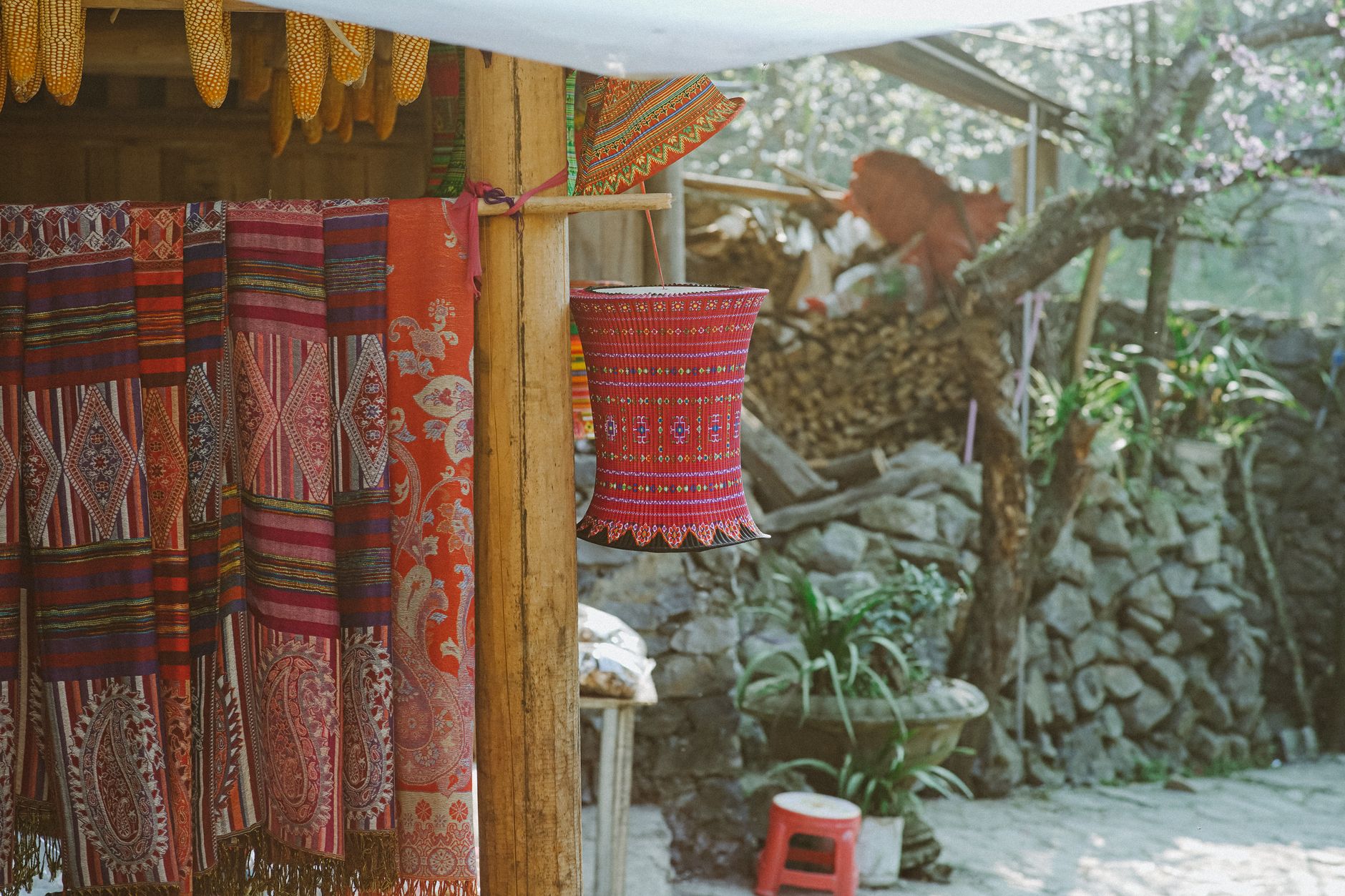
Photo by Lộc Nguyễn on Pexels
How to get there from Hanoi
Bac Ninh city is an easy day trip. You have a few options:
- Bus: Catch a bus from Gia Lam or My Dinh bus station. Routes 54 and 203 run frequently. Tickets cost 20,000–35,000 VND. Travel time is about 45 minutes to an hour depending on traffic.
- Grab/taxi: A Grab car from central Hanoi runs around 250,000–350,000 VND one way. Roughly 40 minutes outside of rush hour.
- Motorbike: Take National Highway 1A or Highway 18 northeast. Straightforward ride, about 30 km. Budget 40–50 minutes.
Once in Bac Ninh city, the citadel area is central — a short xe om (motorbike taxi) ride from the bus station, maybe 15,000–20,000 VND.
What to do
Walk the rampart remnants
The remaining earthen walls trace a rough rectangle through the city. The southern gate (Cua Nam) has been restored and gives the best sense of the original scale. Walk along the top of the embankments where accessible — the elevation isn't dramatic, but it's enough to see how the citadel once commanded the surrounding flatland.
Visit the Bac Ninh Museum
Located within the former citadel grounds, the provincial museum covers Kinh Bac history from the Bronze Age through the French colonial period. Exhibits include Dong Son-era drums, Nguyen Dynasty documents, and a decent section on quan ho traditions. Free entry. Labels are mostly in Vietnamese, but the artifacts speak for themselves.
Explore Dau Pagoda and nearby temples
Dau Pagoda, about 18 km south of the citadel, is considered one of the oldest Buddhist sites in Vietnam — dating to the 3rd century. It's worth combining with your citadel visit. The surrounding area has several communal houses ("dinh") with elaborate wood carvings. Bat Trang ceramic village is also in the broader region if you want to extend the trip.
Catch a quan ho performance
Outside festival season, your best bet is the Bac Ninh Cultural Center near the citadel, which occasionally hosts performances. Ask at your hotel or the museum — schedules aren't always posted online. During the Lim Festival, performances happen everywhere and you won't need to look hard.
Sit in a local tea shop
The streets around the citadel have small tea stalls where retired men play chess and argue about football. Pull up a plastic stool, order a cup of "lotus tea" or plain green tea for 5,000–10,000 VND, and watch the neighborhood move. This is Bac Ninh at its most genuine.
Where to eat nearby
Bac Ninh isn't a major food destination, but two things are worth seeking out:
- Banh da cua — a noodle soup with crab paste, served with wide, dark-red rice noodles. It's a Bac Ninh staple that you won't find easily in Hanoi. Look for shops along Nguyen Dang Dao street near the citadel. A bowl runs 30,000–45,000 VND.
- Nem Bui — a local variation of fermented pork roll. Different from the "nem chua" you find in Thanh Hoa; this version uses more herbs and has a distinctive tang. Street vendors around the market area sell it.
For a proper meal, the restaurants along Ly Thai To street serve standard northern Vietnamese fare — "pho", rice plates, "bun cha" — at local prices. Don't expect English menus.
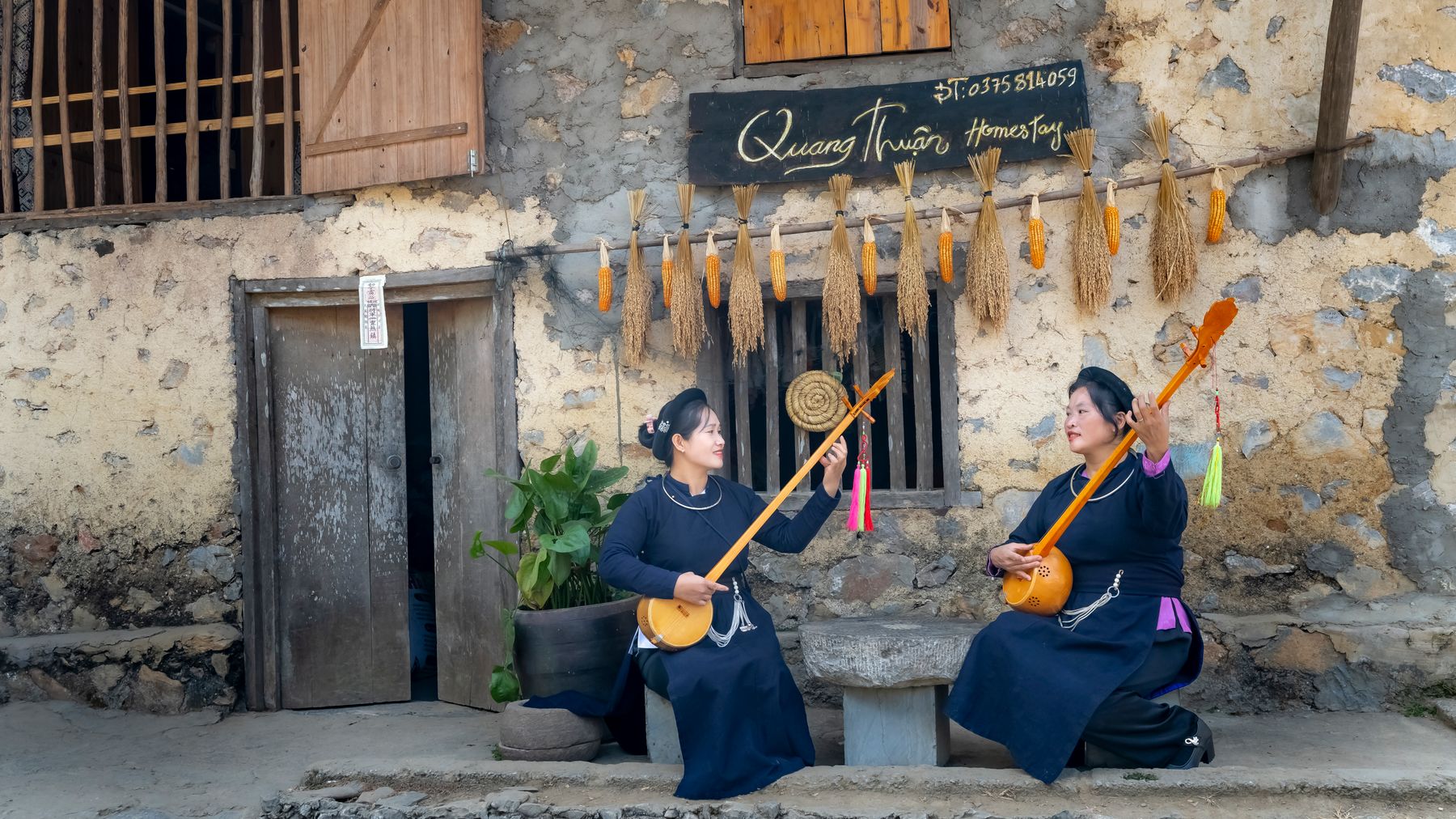
Photo by Quang Nguyen Vinh on Pexels
Where to stay
Most travelers do Bac Ninh as a day trip from Hanoi, and that's the practical move. But if you want to stay:
- Budget: Local guesthouses ("nha nghi") near the bus station run 200,000–350,000 VND per night. Basic but clean enough.
- Mid-range: A few business hotels in the city center — Bac Ninh is an industrial hub, so hotels cater more to Korean and Japanese businesspeople than tourists. Expect 500,000–900,000 VND for a decent room with breakfast.
- No luxury options worth recommending in the city itself. If you want something nicer, stay in Hanoi and day-trip.
Practical tips locals would tell you
- The citadel isn't fenced off or ticketed. You can walk through anytime, but mornings (before 8 AM) are nicest — cooler air, locals doing tai chi, good light for photos.
- Bring water. There's limited shade along the rampart walks and no vendors on the walls themselves.
- Combine with Dong Ho village (about 25 km east) if you're interested in traditional woodblock printing. Dong Ho painting is another Bac Ninh cultural tradition that's slowly fading — only a handful of families still practice it.
- Vietnamese language helps a lot here. Almost nobody in Bac Ninh speaks English. Download Google Translate's offline Vietnamese pack before you go.
Common mistakes to avoid
- Expecting a grand, intact citadel. This isn't Hue. Much of the structure has been absorbed into the city. Adjust expectations — you're here for atmosphere and history, not Instagram walls.
- Coming only for the citadel. On its own, the ruins fill maybe 60–90 minutes. Pair with the museum, Dau Pagoda, or a quan ho event to make the trip worthwhile.
- Visiting on a Monday. The museum is typically closed. Confirm hours before going — they shift without much notice.
- Skipping Bac Ninh entirely. Travelers often bypass it because it's "just an industrial city." The Kinh Bac cultural layer underneath is genuinely interesting if you know where to look.
Last updated · May 29, 2026 · independently researched, never sponsored.