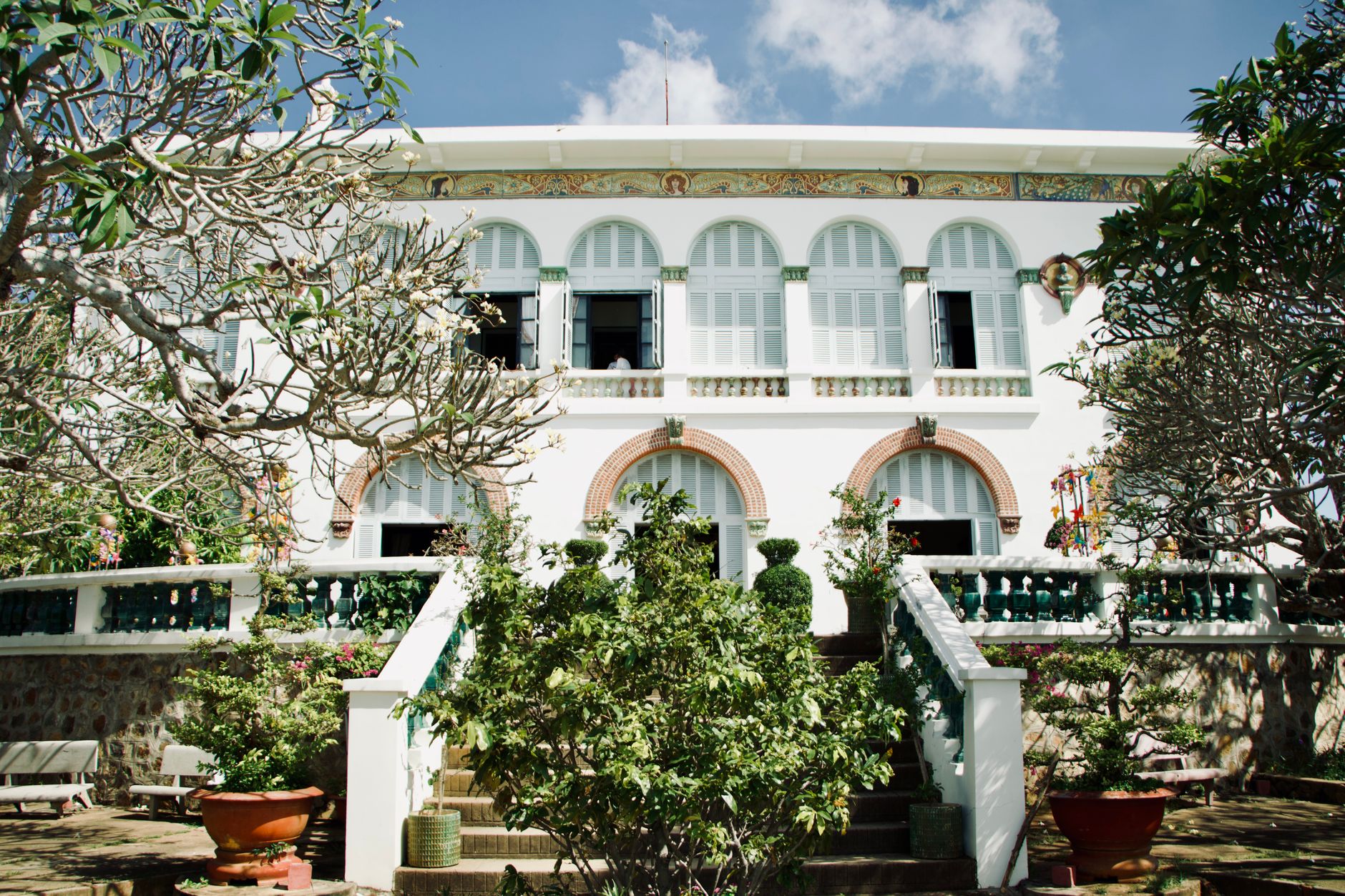
Hue gets most of its visitor traffic inside the old citadel walls and along the Perfume River, but about 50 km southwest of the city center, Thuy Dien Binh Dien sits in a valley where the Huu Trach River was dammed in the mid-2000s. The reservoir and its surrounding hills have become a low-key day-trip spot for Hue residents and the occasional curious traveler looking for open water and quiet roads.
What it is
Thuy Dien Binh Dien is a hydroelectric dam and reservoir that began operating in 2009. The dam itself is a concrete gravity structure, not particularly photogenic on its own, but the reservoir it created — stretching several kilometers through forested hills — turned into an accidental landscape attraction. The water is a shifting blue-green depending on the season, and the surrounding area is lightly developed, which is part of the appeal.
This is not a national park or a polished tourist site. There are no ticket counters, no guided tours, no souvenir shops. You show up, you ride around, you find a spot by the water, and you leave. That simplicity is exactly the point.
Why travelers go
Most people who make the trip out here are doing it for one of three reasons: they want a motorcycle ride through the hills west of Hue (후에 / 顺化 / フエ), they want somewhere quiet to sit by water that is not the Perfume River, or they are heading toward the A Luoi valley and Thuy Dien Binh Dien is a natural stop along the way.
The road from Hue follows the Huu Trach River upstream, passing through small villages, rubber plantations, and stretches of secondary forest. It is a genuinely pleasant ride — not dramatic mountain passes, but rolling green terrain with very little traffic once you clear the city outskirts. If you have spent three days touring the Tomb of Tu Duc, the Tomb of Khai Dinh, and the Imperial Citadel Thang Long area, this makes for a welcome change of pace.
Best time to visit
The dry months from March to August are the safest bet. The reservoir is fullest from September through November after the rainy season, which means the water looks better, but the roads can be slick and the weather unpredictable. October and November specifically bring the risk of heavy flooding in the Hue region — avoid those months unless you are comfortable with sudden downpours and possible road closures.
April to June hits the sweet spot: warm, mostly dry, and the reservoir still holds good water levels from the previous wet season.
How to get there from Hue
The reservoir is roughly 50 km southwest of Hue city center, and the ride takes about 1.5 hours by motorbike or 1 hour by car.
By motorbike: The most common and most rewarding option. Rentals in Hue run 120,000–180,000 VND per day for a semi-automatic. Head west on Highway 49 toward A Luoi. The road is paved the entire way, two lanes, and in decent condition. Fill up before you leave — fuel stations thin out past the 30 km mark.
By car or taxi: A private car with driver costs around 800,000–1,200,000 VND for a round trip with waiting time. Grab is available in Hue but drivers may be reluctant to go this far outside the city. Negotiate the return fare upfront.
By tour: No major operators run dedicated tours here. If you book a motorbike guide for the day (common in Hue, around 600,000–900,000 VND), you can ask them to include Binh Dien in a western Hue loop.
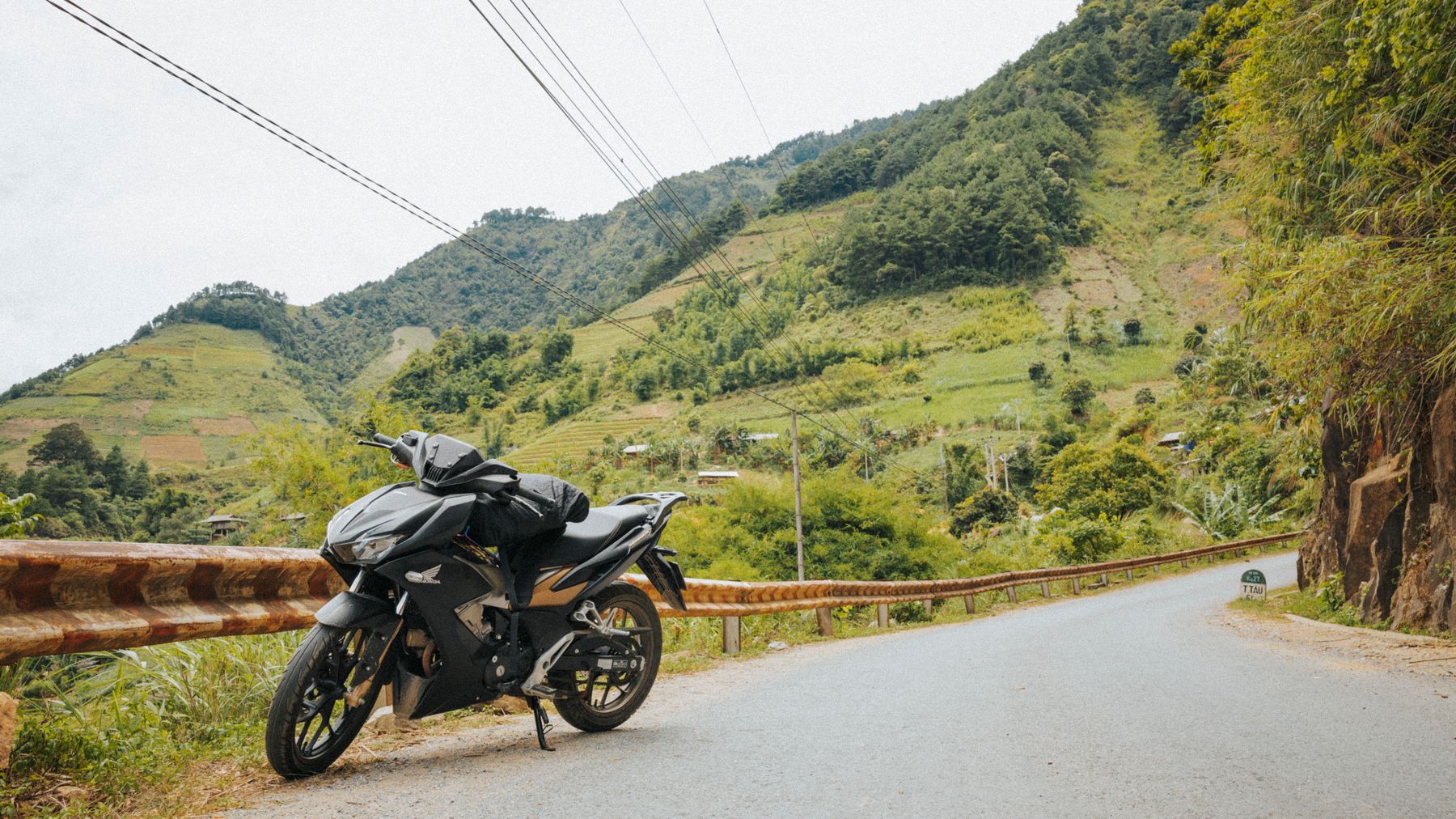
Photo by HONG SON on Pexels
What to do
Ride the reservoir road
The road that traces the northern edge of the reservoir is the main attraction. It winds through hills with periodic views down to the water. There are a few pullover spots where you can park and walk down to the shore. The full loop along the accessible parts of the reservoir takes about 30–40 minutes without stops.
Walk down to the waterline
At several points along the road, dirt paths lead down to the reservoir edge. The banks are rocky in places and muddy in others — wear shoes you do not care about. Some locals fish here, and you might see small boats. Swimming is not officially encouraged and the currents near the dam intake are genuinely dangerous, so stay on the upstream side if you want to wade.
Visit the dam viewpoint
There is a viewpoint near the dam structure where you can see the spillway and the downstream valley. Access is sometimes restricted — if a gate is closed, do not try to get around it. When open, it gives you a clear look at the scale of the project and the river valley below.
Continue to A Luoi
If you have the full day, keep riding west on Highway 49 toward A Luoi, another 60 km past the dam. The road climbs into the Truong Son range and passes through ethnic minority villages. This turns a half-day trip into a proper day ride and is worth it if the weather cooperates.
Picnic by the water
Pack food from Hue before you go. There is almost nothing to buy near the reservoir itself, and that is actually a feature. Bring "banh mi" from a shop in the city center, some fruit, and plenty of water.
Where to eat nearby
The honest answer: eat in Hue before or after. The small settlements near the dam have a couple of roadside "com binh dan" (everyday rice) places where you can get a plate of rice with grilled pork and vegetables for 30,000–40,000 VND, but options are limited and unpredictable.
Back in Hue, this is your chance to track down "bun bo Hue" — the city's signature spicy beef noodle soup — at a proper street-side spot. Bun Bo Hue O Phuong on Nguyen Du Street does a solid bowl for about 35,000 VND. If you skipped breakfast, Hue is also excellent territory for "banh canh (반깐 / 粗米粉汤 / バインカイン)" — thick tapioca noodle soup usually served with crab or pork.
Where to stay
There is no accommodation at the reservoir. Stay in Hue.
- Budget: Guesthouses and hostels in the backpacker zone near Pham Ngu Lao Street run 150,000–300,000 VND per night.
- Mid-range: Hotels along Le Loi Street or near the south bank of the Perfume River go for 500,000–900,000 VND, often with breakfast included.
- Upper range: Boutique hotels and restored heritage properties inside the citadel area start around 1,500,000 VND.

Photo by Quang Nguyen Vinh on Pexels
Practical tips locals would tell you
- Bring sunscreen and a hat. There is almost no shade along the reservoir road. The reflected light off the water amplifies the UV exposure.
- Carry cash. There are no ATMs anywhere near the reservoir. The last reliable ATM is in the Huong Tra area, about 20 km from the dam.
- Check the weather the night before. If it rained heavily upstream, the reservoir management may release water, and road conditions change fast.
- Tell someone your route. Mobile signal is patchy in the hills around the reservoir. If you are riding solo, let your hotel know where you are headed.
Common mistakes to avoid
- Going without fuel. The single most common problem. Top off your tank in Hue and again at the last petrol station you see on Highway 49.
- Expecting a tourist attraction. There are no facilities, no signs in English, no cafe with a view. If you need infrastructure, this is not your trip.
- Underestimating the distance. Fifty kilometers on a Vietnamese highway with trucks and village crossings takes longer than you think. Leave Hue by 8 AM if you want a relaxed pace.
- Swimming near the dam. The undercurrents near the dam wall and spillway are serious. Local authorities have posted warnings in Vietnamese — take them literally.
Practical notes
Thuy Dien Binh Dien works best as a half-day add-on to a Hue itinerary, not a standalone destination. Pair it with a morning at the royal tombs or an afternoon exploring "egg coffee" spots along the citadel streets, and you get a day that covers both the well-known Hue and the parts most visitors never see.
Last updated · May 29, 2026 · independently researched, never sponsored.