Central Vietnam (베트남 / 越南 / ベトナム) is often treated as a checklist of historical ruins and beach resorts, but for those willing to slow down, it functions as a vast, open-air space for contemplation. This 10-day route focuses on the intersection of architecture, landscape, and the quiet practice of mindfulness found within the region's most enduring Buddhist sites.
Day 1-3 — Hue: The Imperial Seat of Mindfulness
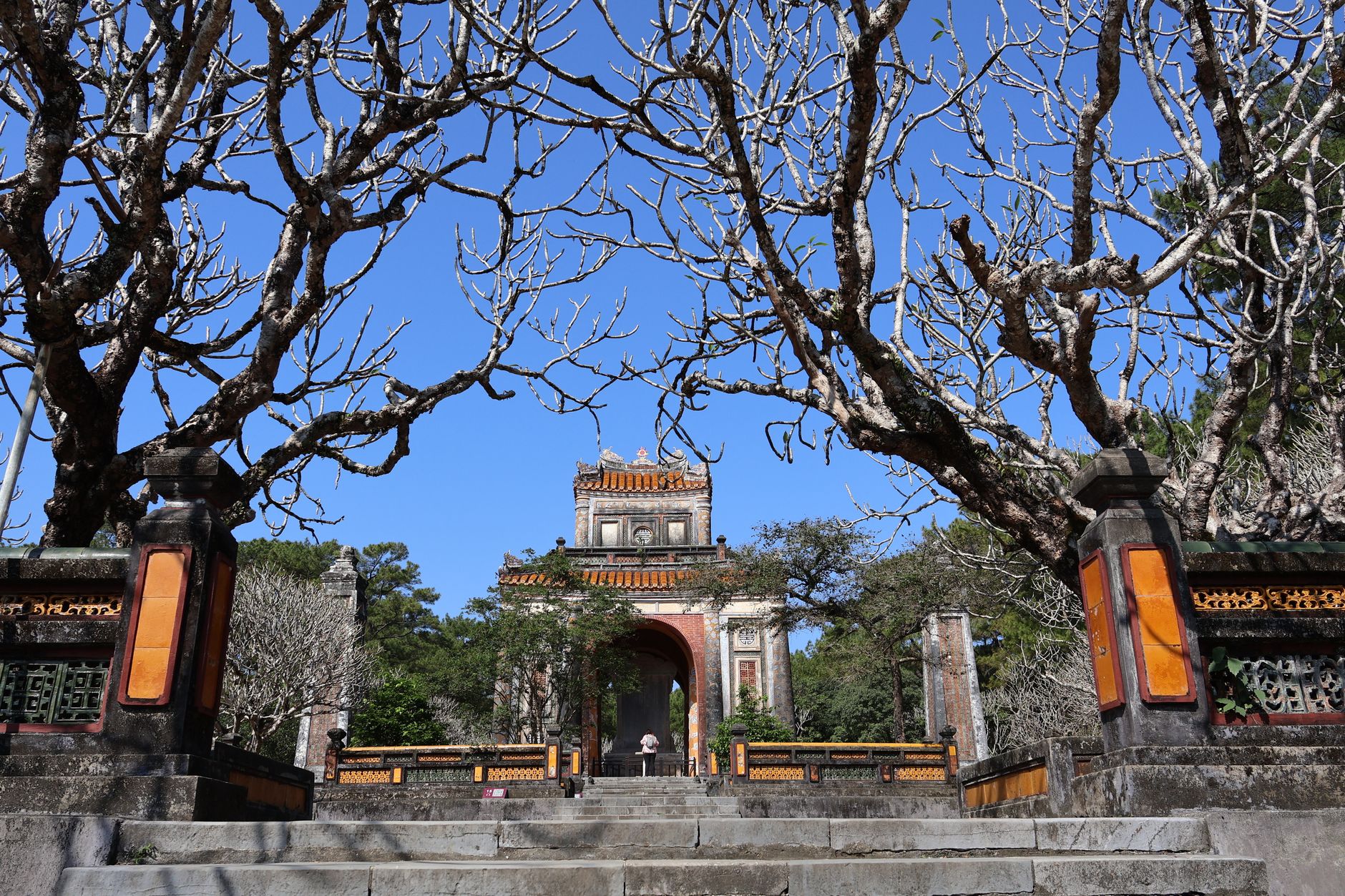
Start in Hue, where the legacy of the Nguyen Dynasty is inextricably linked to Buddhism. Skip the crowded midday tours and head to the "Tomb of Tu Duc" at 7:00 AM. While technically a tomb, the surrounding pavilions and lotus ponds were designed for the Emperor’s own reflection and remain one of the most serene spots in the city. Spend your afternoons at "Tu Hieu Pagoda," a site tucked into a pine forest where monks still practice traditional rites. It is a place of genuine quiet, far removed from the city center. In the evenings, seek out a local vegetarian meal—Hue is the capital of Buddhist cuisine in Vietnam, and dishes like banh beo chay (steamed rice cakes) are prepared with incredible precision.
Day 4 — The Ascent to Bach Ma
Travel south toward the Bach Ma National Park. While known for its trekking, the mountain air provides a perfect environment for a day of disconnected meditation. Stay at a local guesthouse near the base to catch the early morning mist. There are no major temples here, but the isolation serves as a necessary transition between the dense history of Hue (후에 / 顺化 / フエ) and the coastal energy of Da Nang.
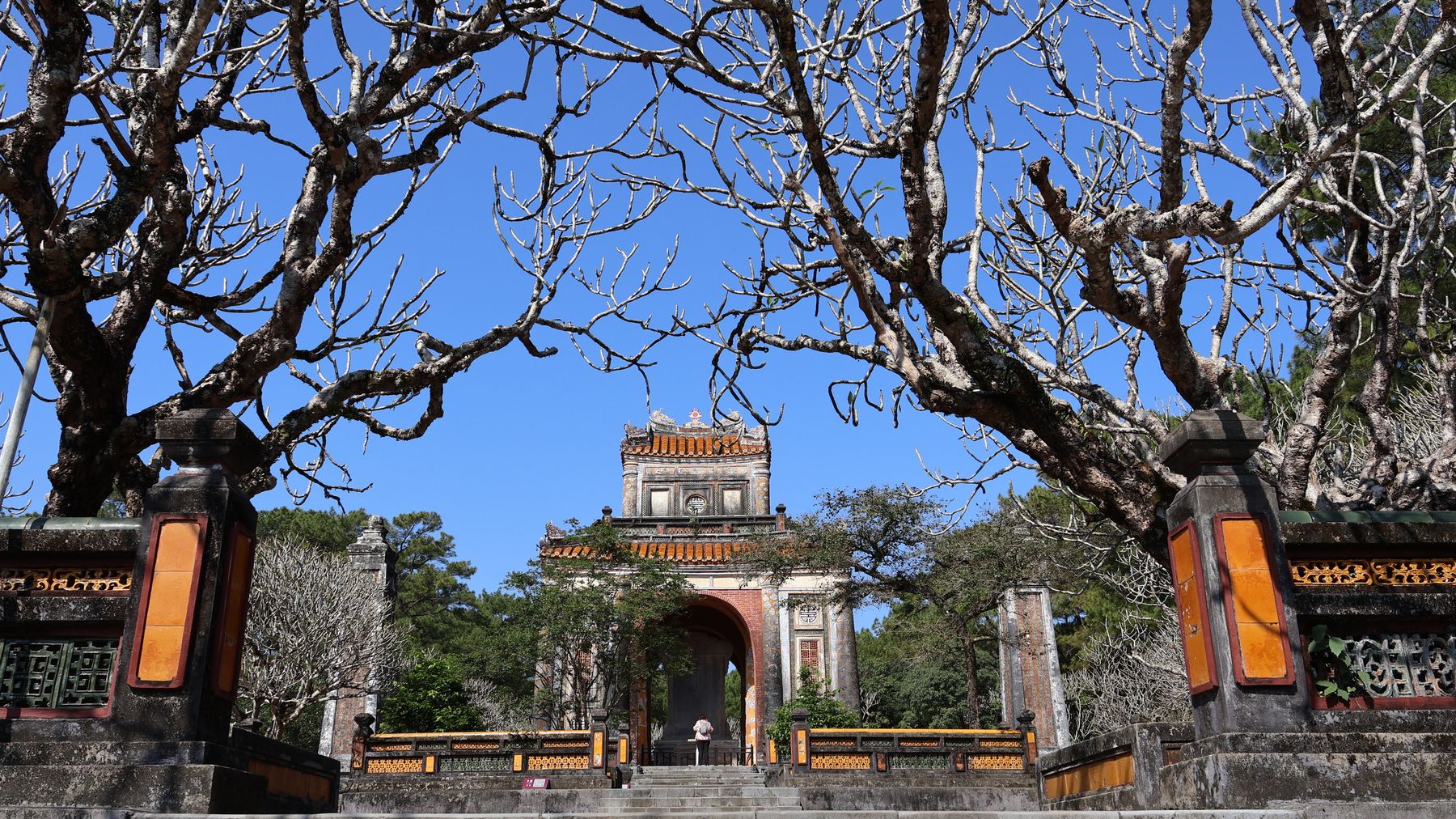
Photo by Minh Lê on Pexels
Day 5-7 — Da Nang: Mountains and Coastal Stillness
Head to Da Nang, specifically the Marble Mountains. Avoid the main elevator; walk the stone steps to the "Linh Ung Pagoda" on the Son Tra Peninsula. The massive statue of the Bodhisattva overlooking the sea is a landmark, but the true value lies in the smaller, hidden caves within the Marble Mountains that have served as shrines for centuries. Spend your second day here in silent observation of the limestone formations. For food, seek out "mi quang," a turmeric-infused noodle dish that is a staple of the region, often served in simple, quiet shops away from the beach strip.
Day 8-9 — Hoi An: The Ancient Echo
Drive 30km south to Hoi An. While the town is famous for its lanterns, the spiritual core is found in the "Chuc Thanh Pagoda," the oldest in the city. It is a stark contrast to the commercial bustle of the Ancient Town. Spend your time walking the periphery of the rice paddies at dawn. If you have the energy, take a short boat trip to the outskirts to find smaller village shrines where the pace of life remains largely unchanged. In the evenings, enjoy a bowl of "cao lau," a noodle dish unique to this town, whose distinct flavor is said to come from the water of local ancient wells.
Photo by Minh Lê on Pexels
Day 10 — Reflection and Departure
Spend your final morning in a local cafe with a strong "vietnamese coffee," reflecting on the transition from the imperial formality of Hue to the coastal spirituality of the south. Before heading to the airport, visit a local market to observe the daily offerings of fruit and incense—a reminder that for the people here, the spiritual and the mundane are never truly separate.
Practical notes
Dress modestly when visiting temples; keep shoulders and knees covered to show respect to the monastic communities. While many sites are free, carrying small denominations of VND for incense offerings or temple maintenance is standard practice. Always check local festival calendars, as sites like the "Tomb of Khai Dinh" can become very busy during major lunar holidays.
Last updated · May 30, 2026 · independently researched, never sponsored.