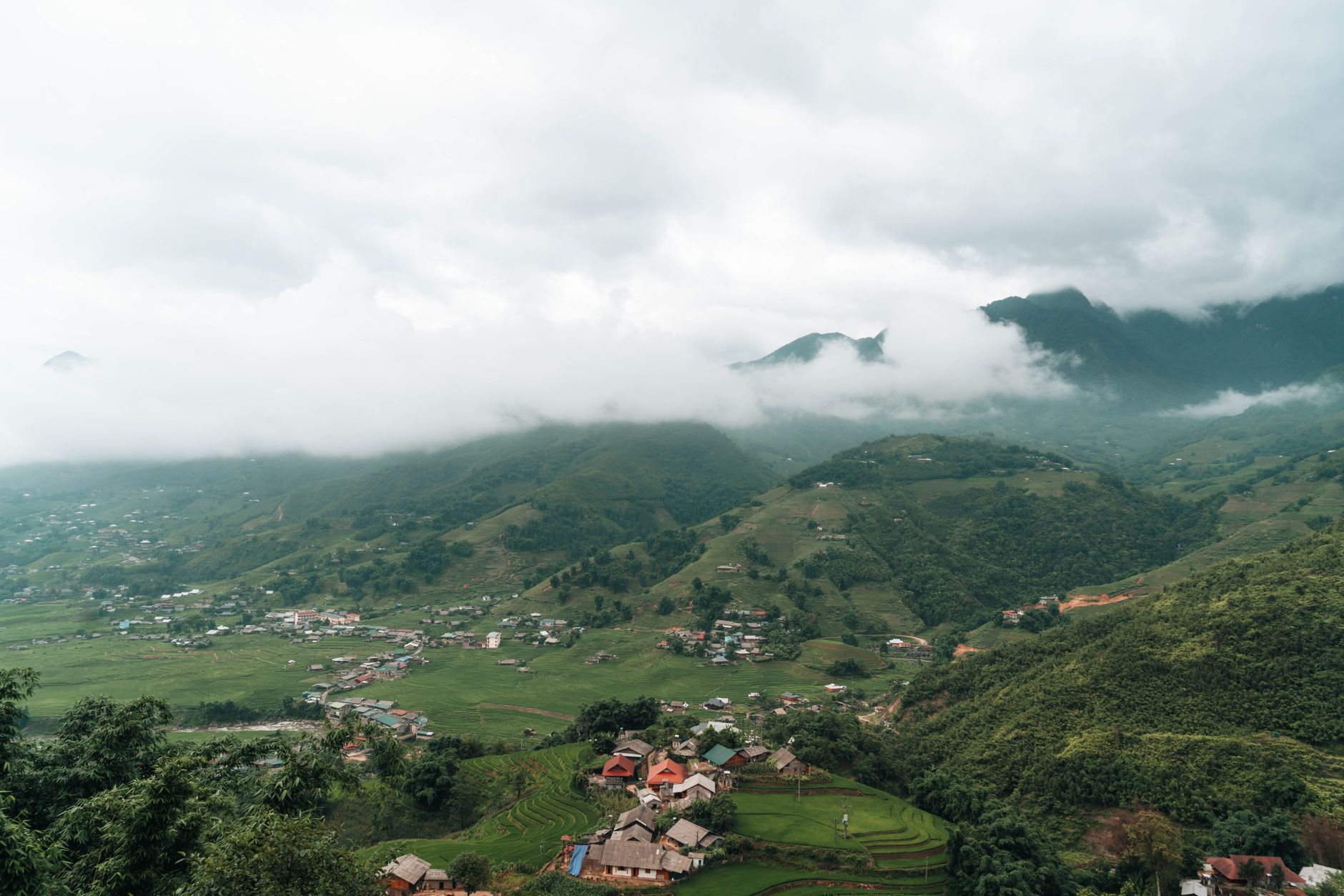
Most travelers heading south of Saigon make a predictable loop through Ben Tre or Can Tho, snap a few photos of floating markets, and head back. If you want to see the Mekong Delta (메콩 델타 / 湄公河三角洲 / メコンデルタ) before it was packaged for day-trippers, you need to head further west to Tri Ton.
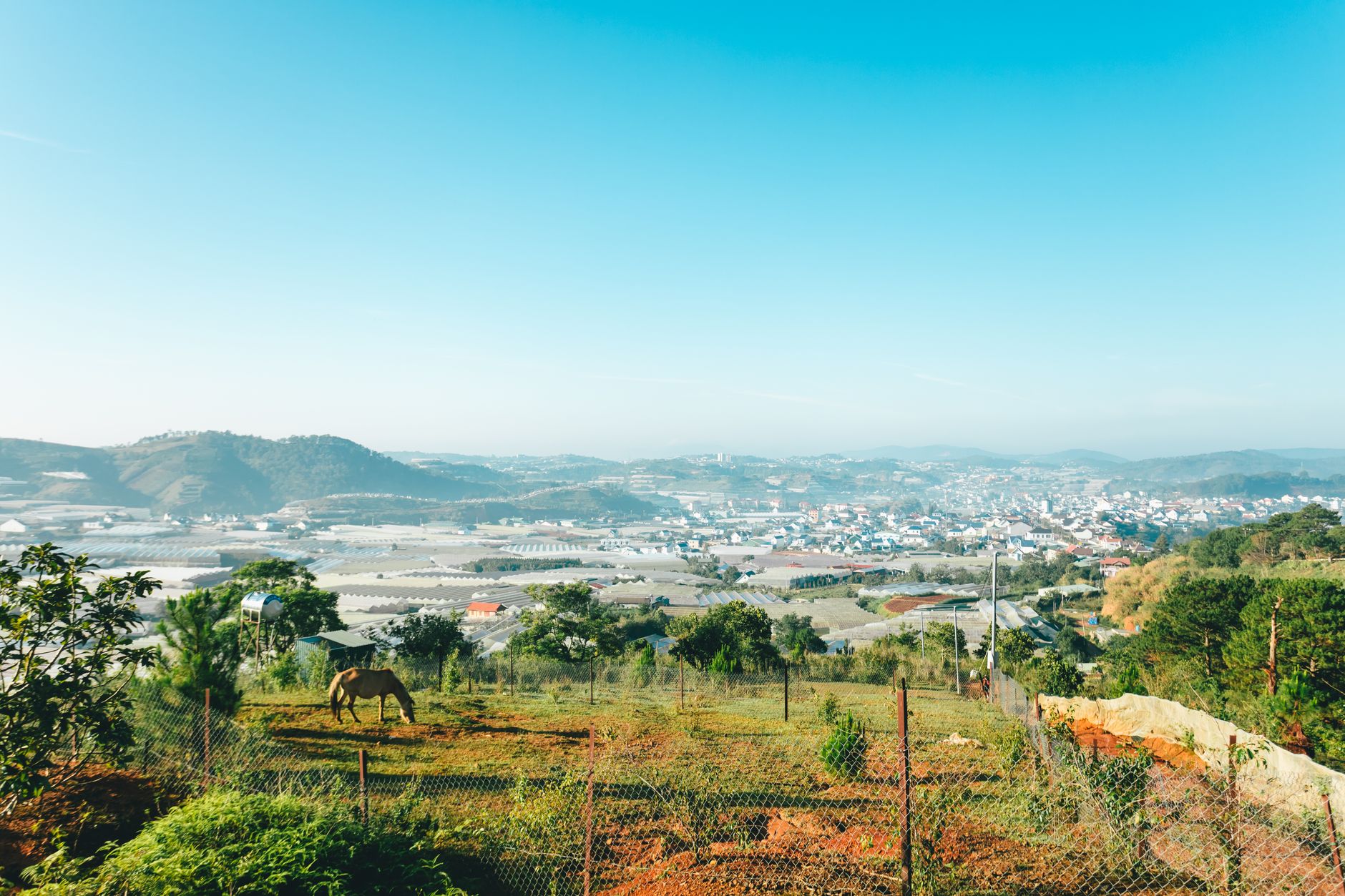
Located in An Giang province near the Cambodian border, Tri Ton is a world away from the fruit orchards and canal tours of the central delta. Here, the flat plains are broken by the dramatic limestone peaks of the Seven Mountains, and the landscape is dominated by towering palmyra palms. Home to a large ethnic Khmer community, Tri Ton offers a mix of Cambodian culture, quiet country roads, and some of the most distinct food in southern Vietnam (베트남 / 越南 / ベトナム).
The Landscape of Palmyra and Pagodas
To understand Tri Ton, you have to look at the trees. The "thot not" (palmyra palm) is the symbol of An Giang. These tall, fan-leafed palms line the dirt paths between rice paddies, their silhouettes standing sharp against the delta sunsets.
Because of the deep cultural ties to the Khmer people, the architecture here feels entirely different from the rest of the delta. Instead of the typical Mahayana Buddhist temples found in Saigon, Tri Ton is dotted with Theravada Khmer pagodas featuring sweeping tiled roofs, golden spires, and quiet courtyards shaded by mango trees.
What to See in Tri Ton
Ta Pa Hill and Lake
Ta Pa Hill is one of the Seven Mountains, though it is famous less for its height and more for what sits at the top. An old stone quarrying operation left behind a deep, rocky basin that has filled with rainwater, creating Ta Pa Lake. The water is remarkably clear, reflecting the limestone cliffs and changing color from deep blue to turquoise depending on the sky.
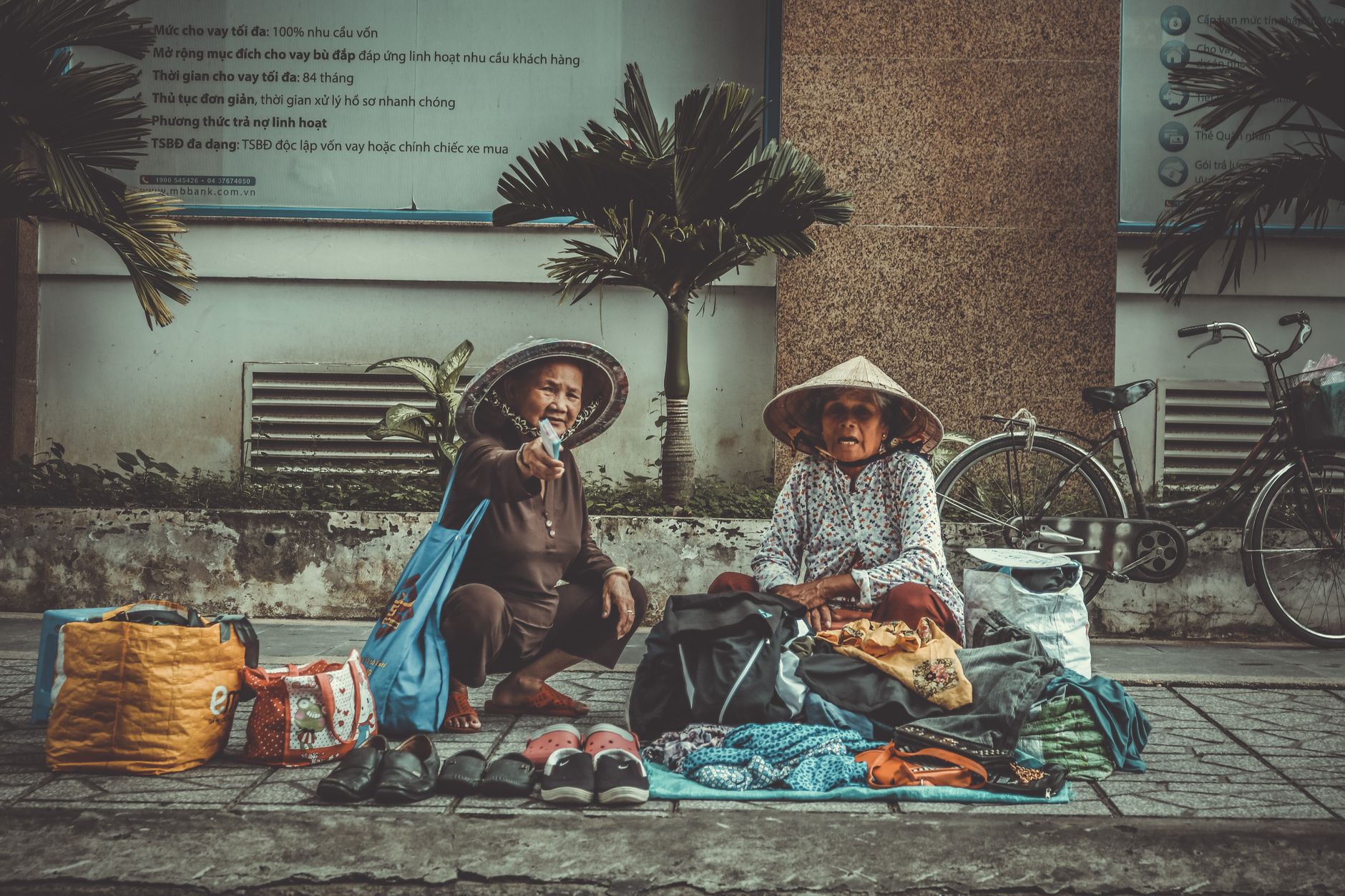
A short walk up the hill leads to Ta Pa Pagoda. Built in the traditional Khmer style, the temple sits on stilts and offers panoramic views of the surrounding rice fields, where you can spot local farmers wearing "non la" (conical hats) tending to the crops.
Xvay Ton Pagoda
Located right in Tri Ton town, Xvay Ton Pagoda (also known as Chua Xvay Ton) is over 200 years old and serves as the spiritual heart of the local Khmer community. The temple grounds are peaceful, featuring a large lotus pond and ancient stupas. The pagoda is famous for preserving a massive collection of ancient leaf-written scriptures, hand-carved onto palmyra leaves centuries ago.
The Palmyra Fields of Vinh Trung
For the classic An Giang view, rent a motorbike and ride toward Vinh Trung commune. The fields here are densely planted with palmyra palms. If you visit during the late afternoon, you will see local farmers climbing the tall trunks using bamboo ladders to harvest the sweet sap used to make palmyra sugar.

Photo by Long Bà Mùi on Pexels
What to Eat in Tri Ton
The food in Tri Ton is heavily influenced by Khmer flavors, making it distinct from the sweet profile of typical southern Vietnamese cuisine.
- Banh bo thot not: This is the signature sweet treat of the region. It is a spongy, bright yellow cake made from fermented rice flour, coconut milk, and palmyra sugar, steamed inside a banana leaf. It is warm, fragrant, and costs only about 5,000 VND per piece.
- Chao bo: A rustic beef offal soup cooked with local herbs and served with fresh bean sprouts, lime, and chili. The beef in the Seven Mountains region is highly regarded for its lean, flavorful quality.
- Ga nuot chuc: Chicken grilled with the leaves of the "chuc" tree (a local wild lime tree native to the mountainous border area). The leaves give the chicken a sharp, citrusy aroma that you won't find in standard Vietnamese grilled dishes.
If you want something familiar, you can still find southern staples like "com tam" (broken rice) in the town center, often served with a side of pickled wild herbs.
How to Get There and Around
Tri Ton is roughly 250 km west of Saigon. There are no direct commercial flights or trains to An Giang, so the journey is part of the adventure.
- By Bus: Take a sleeper bus (operated by companies like Futa Bus Lines or Hue Nghia) from Mien Tay Bus Station in Saigon to Chau Doc or Long Xuyen. The ticket costs around 200,000 to 250,000 VND and the trip takes about 6 hours.
- By Motorbike: From Chau Doc, rent a motorbike for about 150,000 VND per day and ride 40 km south along Highway 91 and Provincial Road 941 to reach Tri Ton. The roads are generally paved but can be dusty and busy with agricultural trucks, so ride defensively.

Photo by Nguyen Truong Khang on Pexels
When to Visit
The best time to visit Tri Ton is during the floating season from September to November. During this time, the floodwaters from the Mekong River cover the fields, turning the landscape into a giant mirror that reflects the palmyra trees and the sky.
Alternatively, visit between late November and December during the harvest season, when the fields turn a brilliant golden yellow and the air is filled with the scent of burning rice straw.
Practical notes
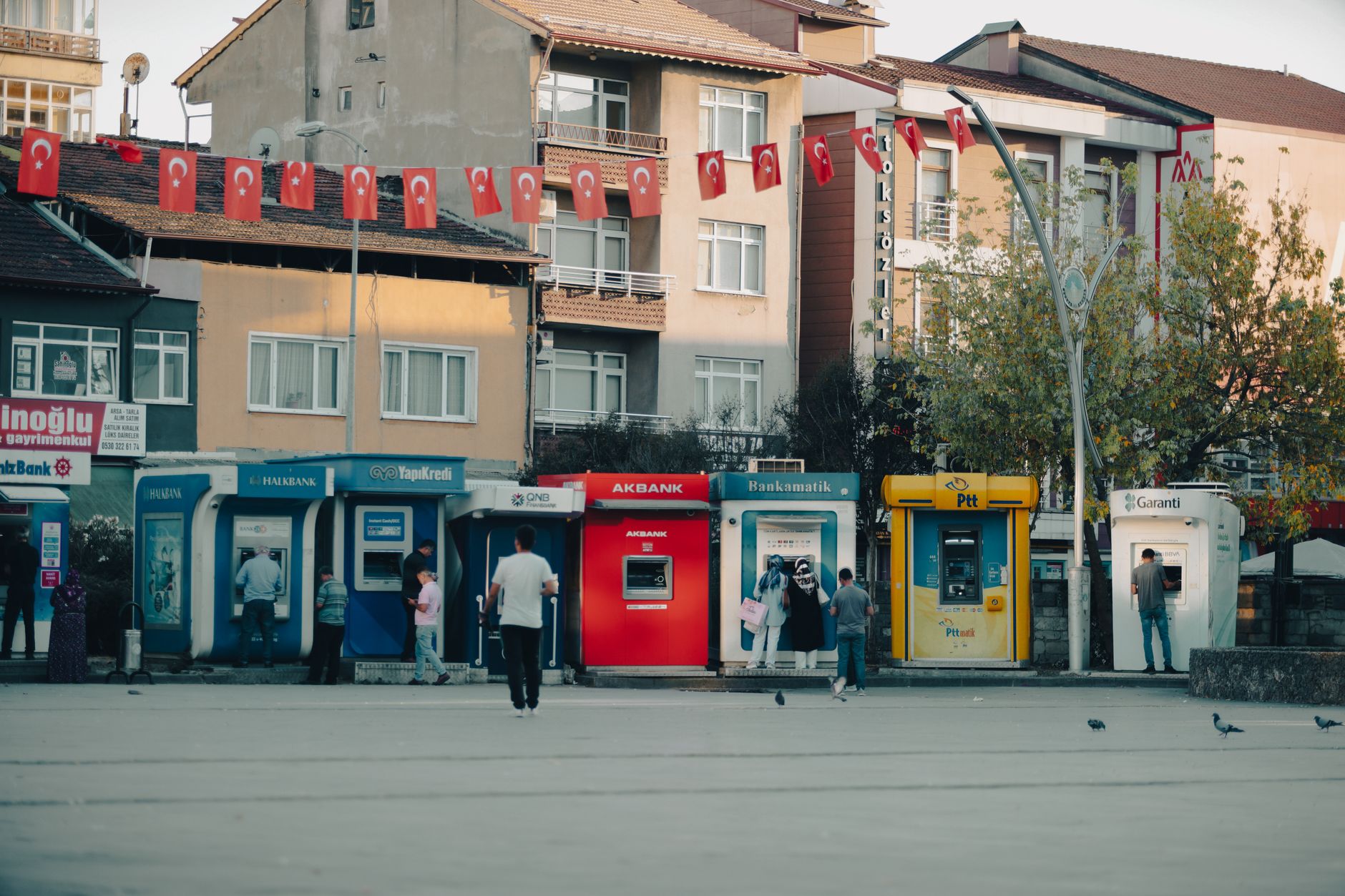
English is rarely spoken in Tri Ton, so keep a translation app handy. Cash is king here; ensure you withdraw enough VND in Chau Doc or Long Xuyen before heading into the rural districts, as ATMs in Tri Ton town can be unreliable.
Last updated · May 30, 2026 · independently researched, never sponsored.