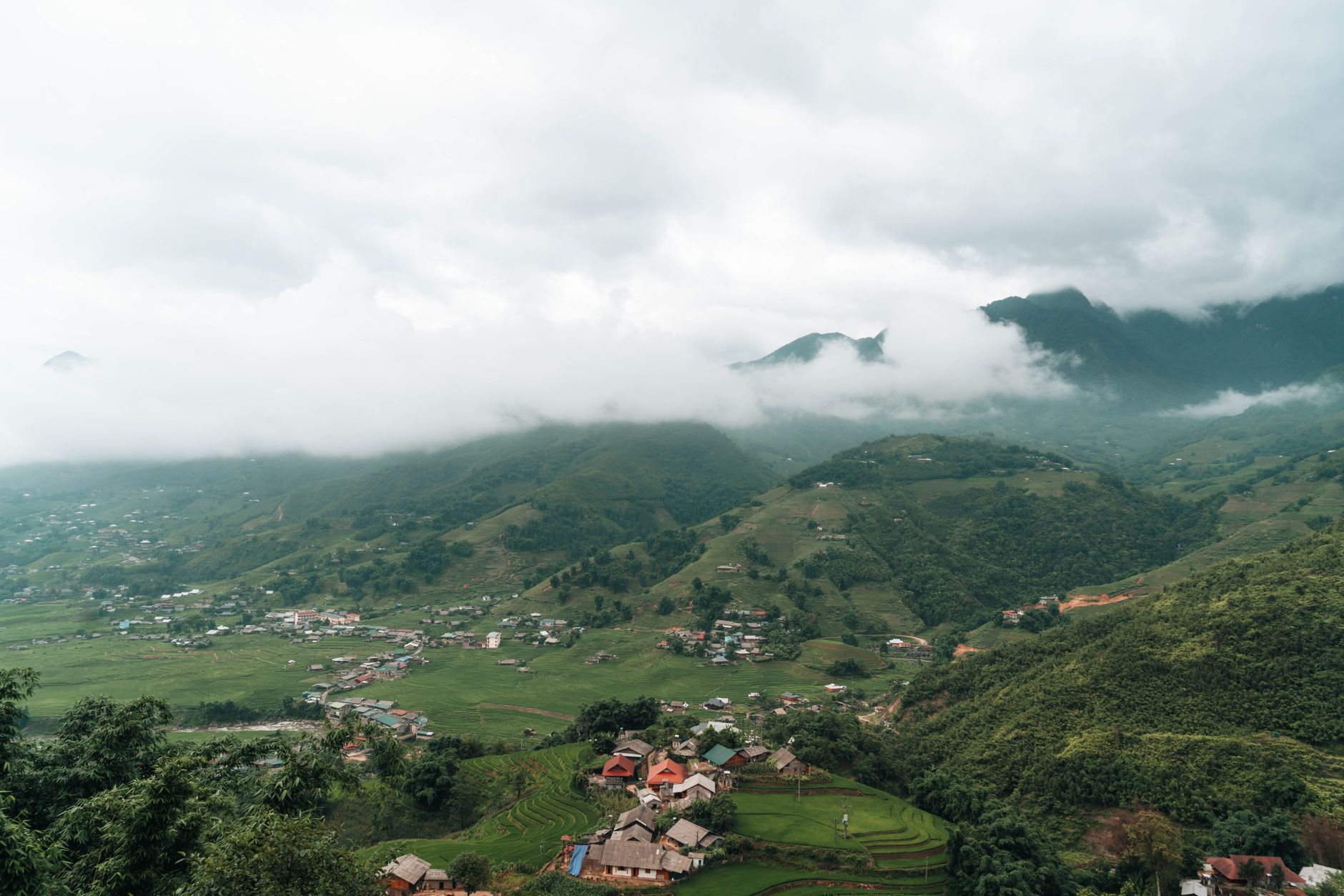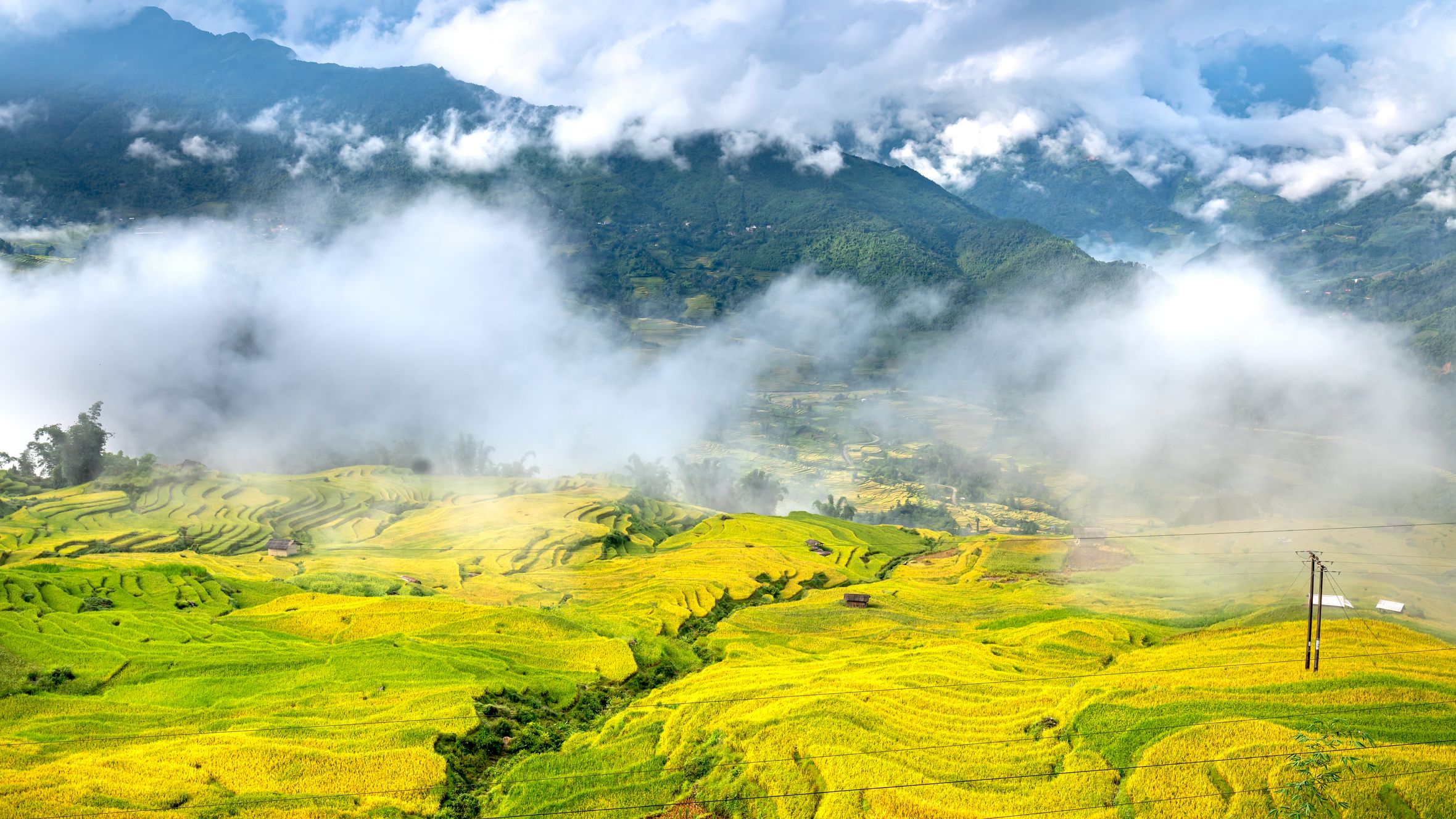
If you want the misty mountain valleys of northern Vietnam (베트남 / 越南 / ベトナム) without the concrete hotels and pushy street vendors of Sapa, you head to Y Ty. Tucked away in the highlands of Bat Xat district in Lao Cai province, this remote commune sits at an altitude of over 1,800 meters. It remains one of the country's best-kept secrets, largely because the roads to get here require patience and a bit of grit.
While neighboring destinations have built cable cars and luxury resorts, Y Ty has stayed quiet. Here, life moves to the rhythm of the agricultural seasons, and the landscape is defined by dramatic terraced fields, ancient forests, and a thick blanket of fog that rolls through the valleys like a slow-moving river.
Why Y Ty Remains Underrated
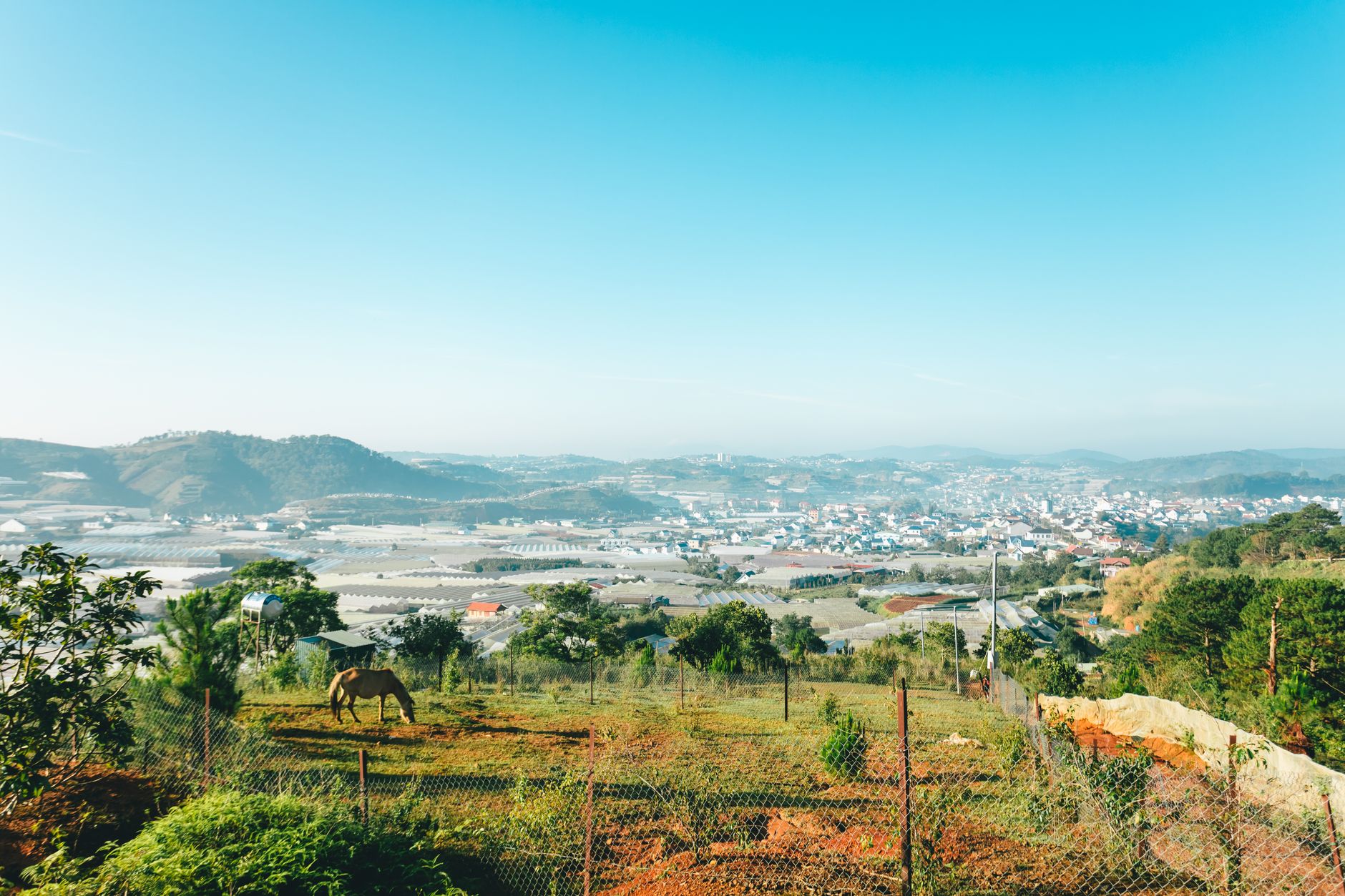
Most travelers planning a trip to northern Vietnam default to Sapa (사파 / 沙坝 / サパ) or the loop through Ha Giang. Sapa has suffered from rapid overdevelopment, while Ha Giang, though spectacular, sees a steady stream of motorbike tour groups.
Y Ty offers an alternative for those who want raw, untouched highland culture. Because it is located right on the border with China, development has been strictly regulated. There are no high-rise hotels or western-style cafes. Instead, you will find small wooden homestays run by local families and dirt paths that lead into quiet farming hamlets.
The Earth Houses of the Ha Nhi People
One of the most distinct features of Y Ty is the architecture of the Ha Nhi ethnic minority, who make up the majority of the local population. Unlike the stilt houses common in other parts of northern Vietnam, the Ha Nhi build "nha trinh tuong"—thick, mushroom-shaped houses made of rammed earth.
These walls, often up to 40 centimeters thick, are constructed by hand using local clay and straw. The thick earth walls act as natural insulation, keeping the interiors cool during the humid summer months and trapping heat during the freezing mountain winters. Walking through a village like Lao Than or Choan Then feels like stepping back in time, with the clay-colored houses rising out of the mist like giant mushrooms.
The Art of Cloud Hunting
In Vietnam, Y Ty is famous among local adventure travelers for "san may" (cloud hunting). Because of the high altitude and unique microclimate, cold air gets trapped in the deep valleys, creating a dense, flat sea of clouds that sits below the mountain peaks.
On a clear morning between November and March, you can stand on the ridge lines and look down at a solid white ocean of clouds stretching to the horizon. The best spots for cloud hunting include the road between Y Ty and Ngai Thau, or the summit of Lao Than mountain, a popular two-day trek for hikers looking for panoramic views.

Photo by Duong Nguyen on Pexels
How to Get There
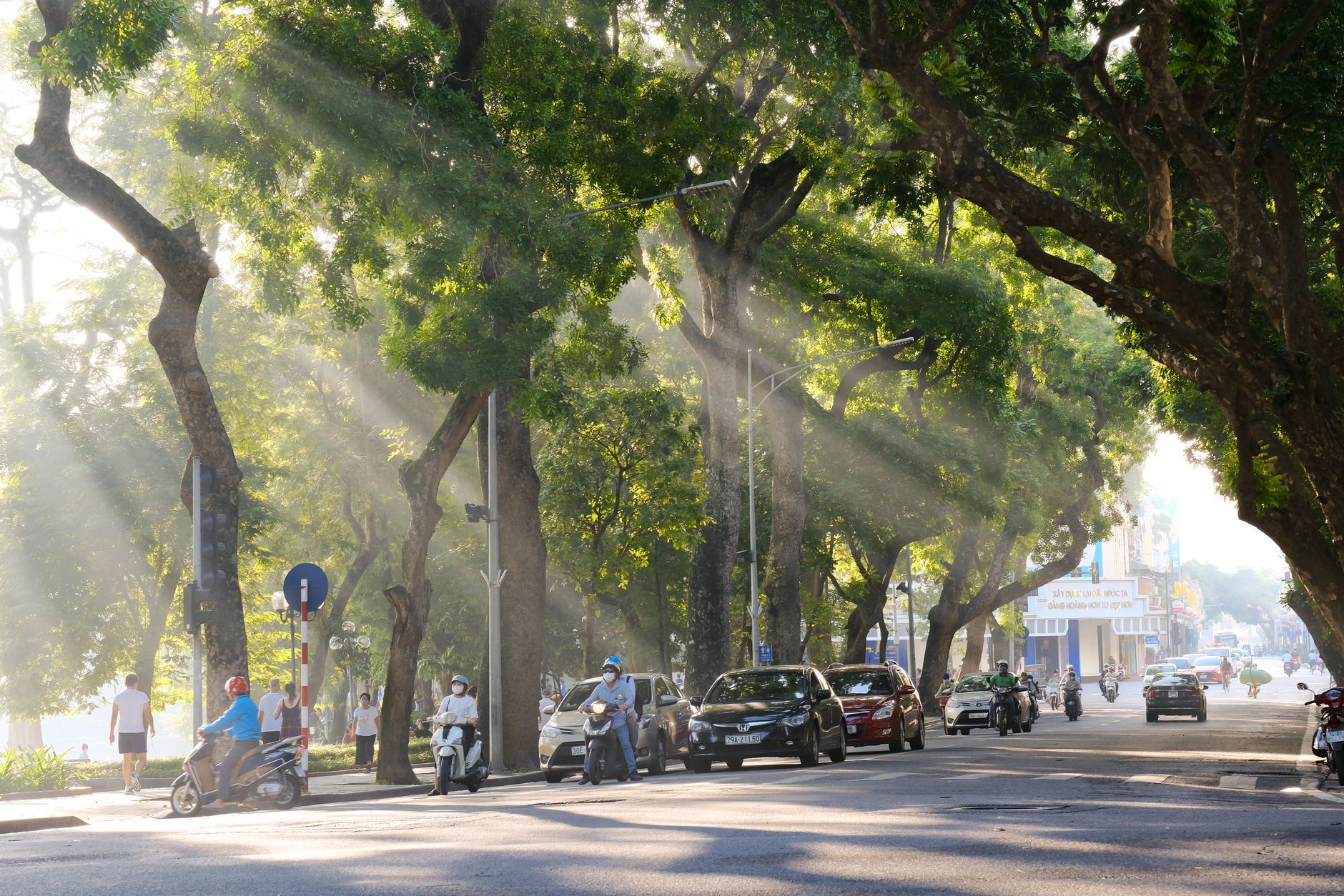
Reaching Y Ty is half the adventure. The journey starts with a train or sleeper bus from Hanoi to Lao Cai city, which takes about six hours. From Lao Cai, you have two main options:
- By Motorbike: Rent a semi-automatic motorbike in Lao Cai and ride the 80 kilometers to Y Ty. The most scenic route goes via Trinh Tuong and Lung Po, where the Red River enters Vietnam. The road is winding, often narrow, and can be muddy or rocky after rain. Only experienced riders should attempt this.
- By Private Car: You can hire a driver in Lao Cai or Sapa to take you to Y Ty. This is the safest option during the rainy season when landslides are common.
Expect the ride from Lao Cai to take between three and four hours, depending on road conditions.
What to Eat and Drink
You won't find tourist-oriented restaurants here. Dining in Y Ty is an informal, communal affair. Most travelers eat at their homestays, where hosts prepare family-style dinners.
A typical meal includes local black chicken slow-cooked with herbs, stir-fried wild mustard greens, and smoked pork. Mornings usually start with a hot bowl of "pho" or a strong cup of "ca phe sua da" (iced milk coffee) at a basic stall near the local market. Don't miss the chance to try the local millet wine, a smooth, slightly sweet brew made by the Ha Nhi people.

Photo by GIANG VU on Pexels
When to Visit
There are two ideal windows to visit Y Ty:
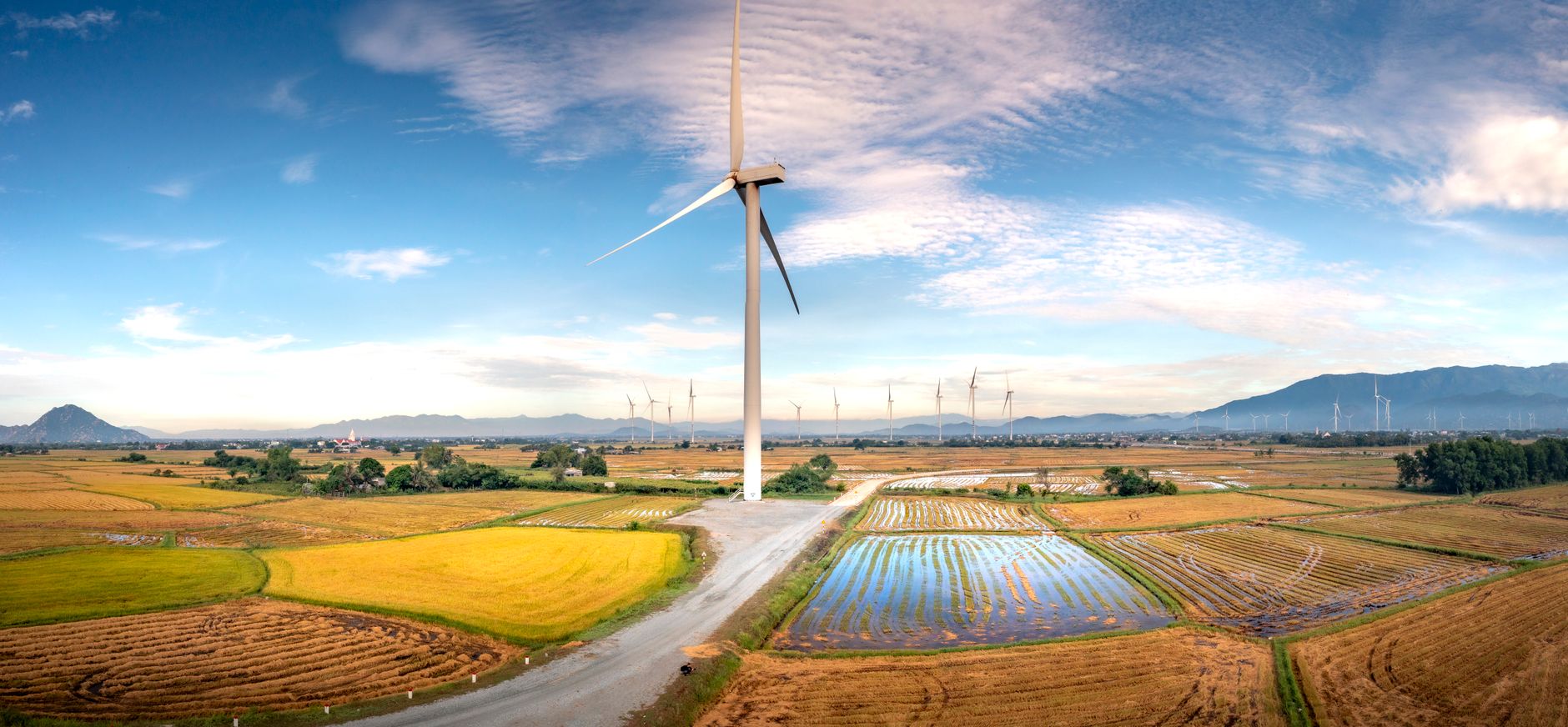
- The Golden Season (Late August to September): This is when the terraced rice fields ripen, turning the entire valley into a brilliant shade of yellow. It is a busy time for local photographers, but still quiet compared to Sapa.
- The Cloud-Hunting Season (November to March): The weather is cold—sometimes dropping close to freezing at night—but this is the prime time to witness the sea of clouds.
Practical Notes
Because Y Ty is located in a sensitive border area, foreign travelers technically need a border permit to stay overnight. You can obtain this at the Lao Cai Provincial Police Department in Lao Cai city, or ask your homestay host to assist you with the registration upon arrival. Bring physical copies of your passport and visa. There are no ATMs in Y Ty, so carry enough cash (VND) to cover your accommodation, food, and fuel.
Last updated · May 30, 2026 · independently researched, never sponsored.