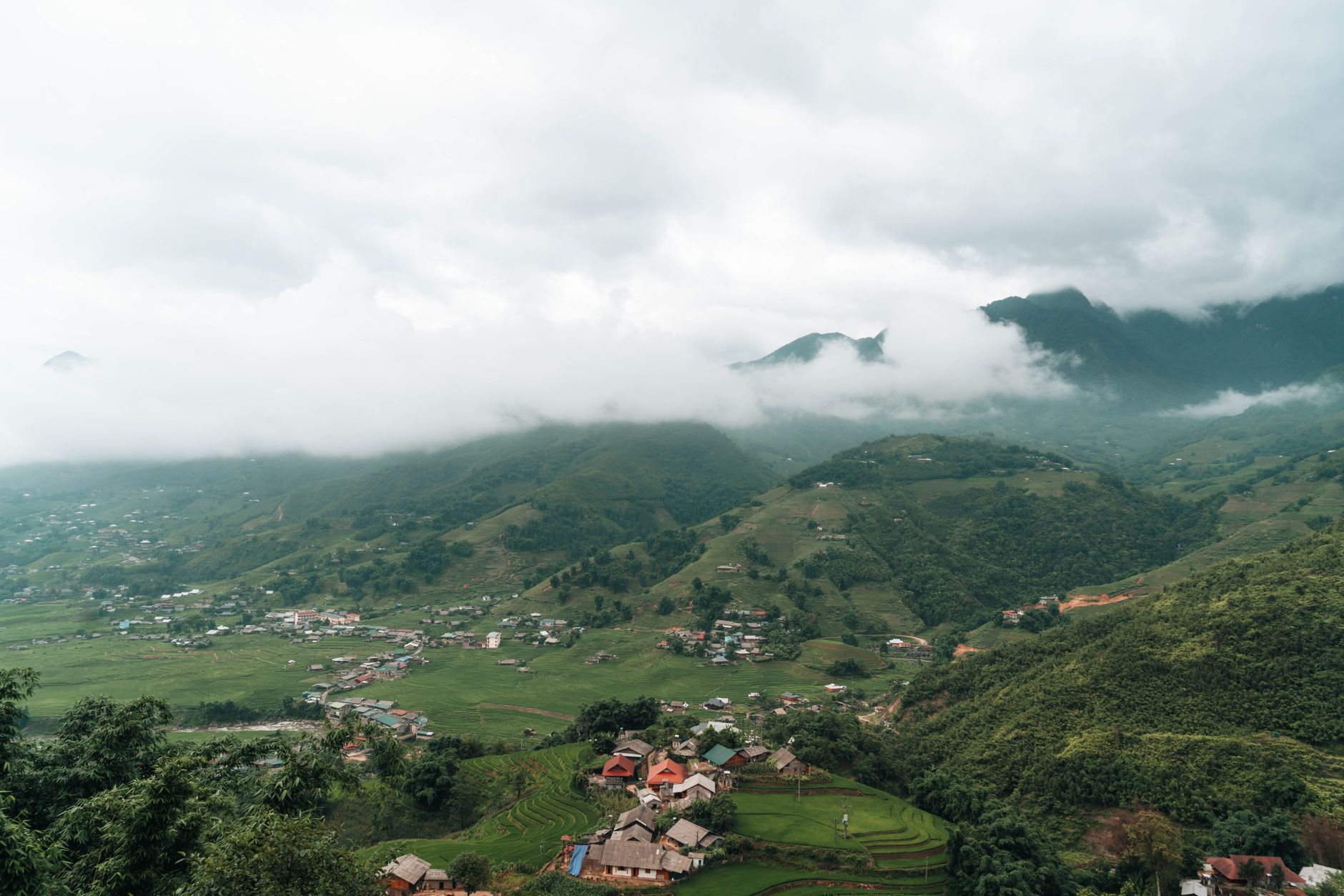
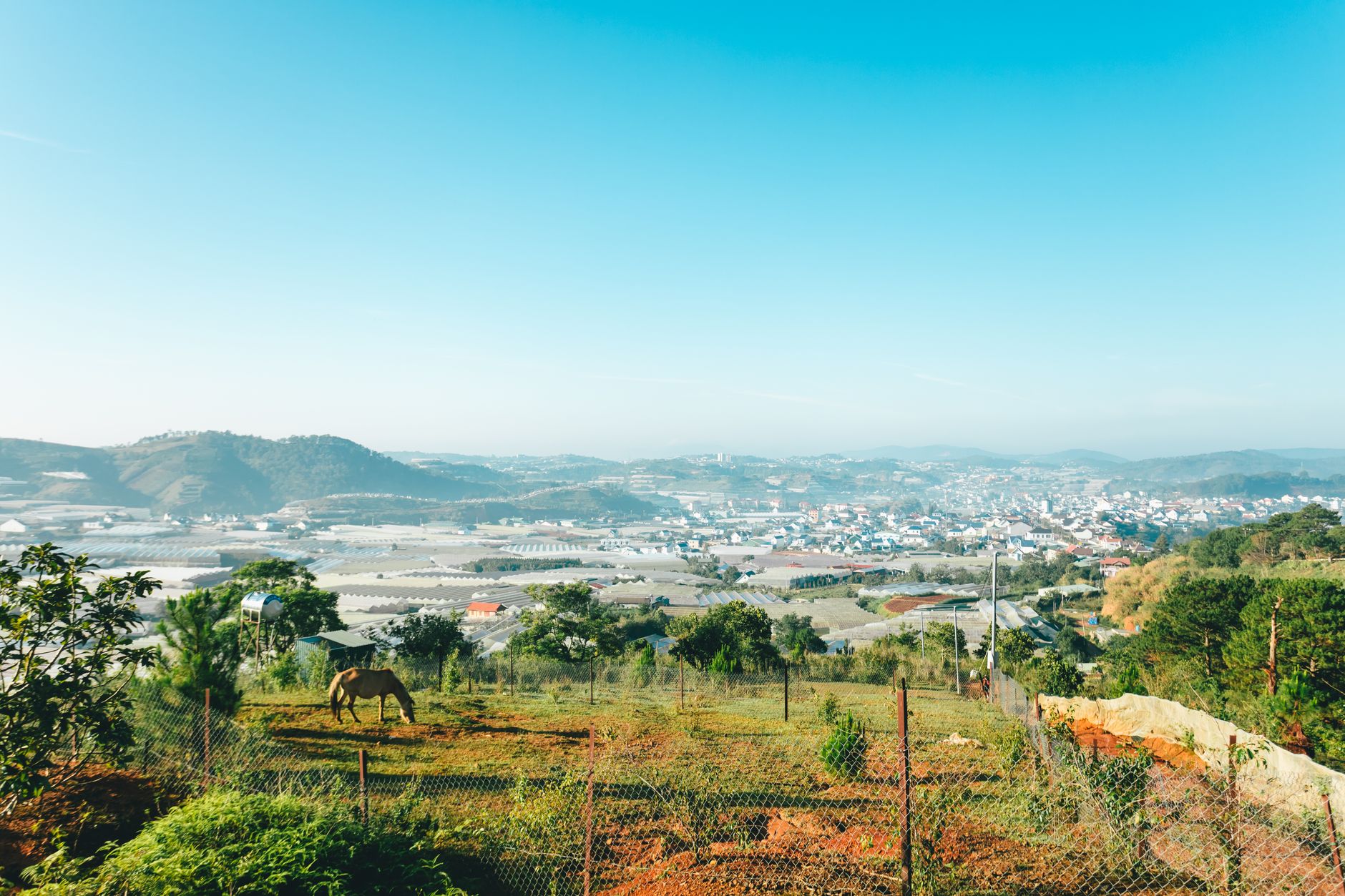
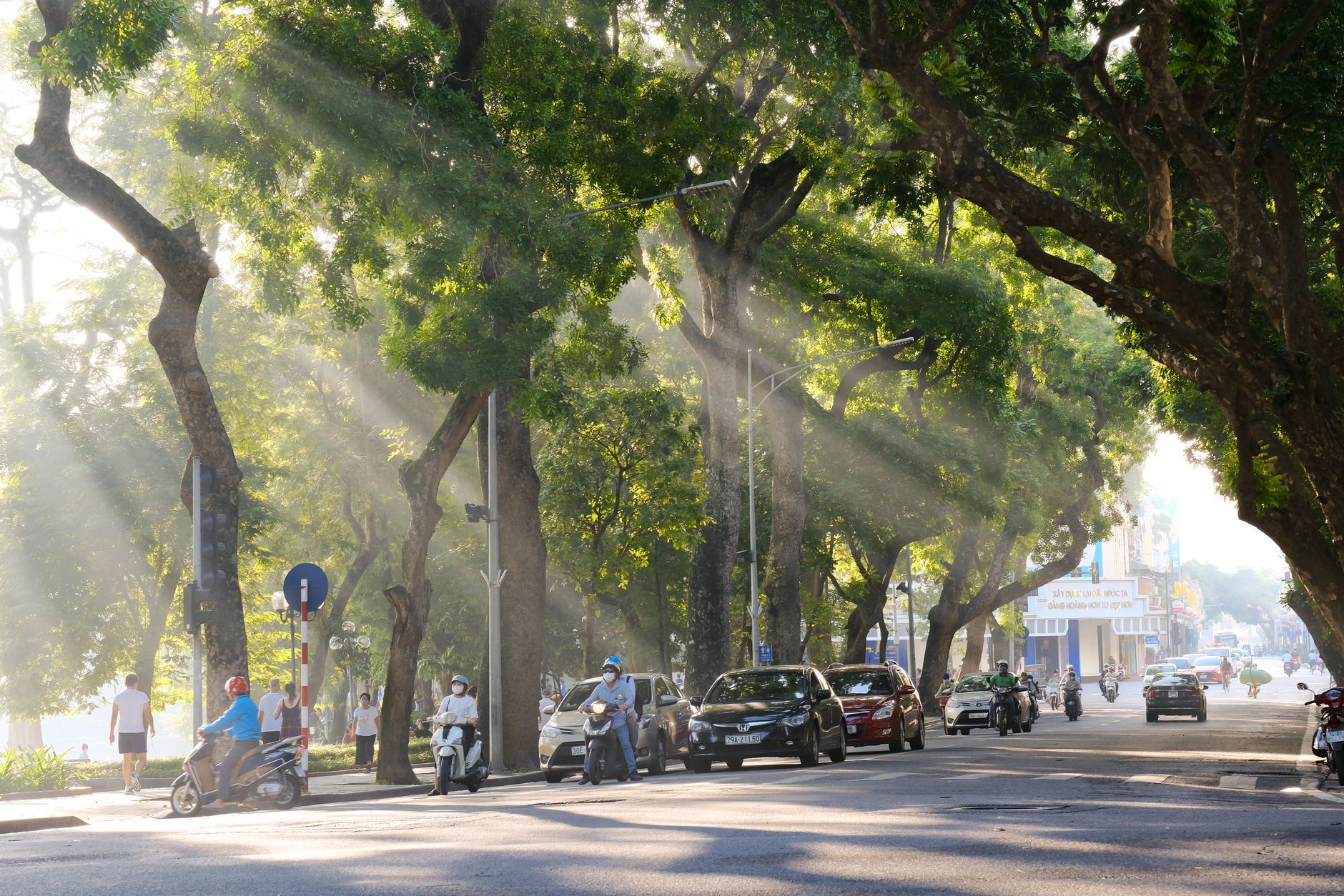
Yen Tu is not a scenic viewpoint with a pagoda bolted on top. It is the founding site of Truc Lam Zen Buddhism — a distinctly Vietnamese school established by King Tran Nhan Tong, who abdicated his throne in 1299, walked into these mountains, and spent the rest of his life as a monk. Pilgrims have been climbing here for over 700 years, and on busy weekends in lunar January, several hundred thousand of them still do.
The Mountain and Its History
Yen Tu sits in the Dong Trieu range in Quang Ninh province, about 45 km from Ha Long Bay and roughly 130 km from Hanoi. The peak (Yen Tu Peak, locally called Chua Dong — the Bronze Pagoda) sits at 1,068 m above sea level. The forested trail connecting roughly a dozen pagodas and towers along the climb spans about 6 km one way.
Tran Nhan Tong is the central figure here. He ruled the Tran dynasty during one of its most turbulent periods — overseeing two successful repulsions of Mongol invasions in 1285 and 1288 — then walked away from the throne to pursue Buddhist practice. He founded the Truc Lam school of Zen, which synthesized Vietnamese folk religion with Chan Buddhism in a way that owed nothing to Chinese institutional monasticism. His legacy explains why Yen Tu carries a different weight than a typical temple visit: this is considered sacred ground by Vietnamese Buddhists, not a heritage monument for tourists.
The Route Up
There are two ways to approach the summit: cable car or foot, and most people do a combination.
The lower cable car (Giai Oan station to Hoa Yen Pagoda) covers the steepest early section. A second, upper cable car continues from Hoa Yen toward the Ngu Nhac range below the final push. Round-trip tickets for both cars run around 200,000–250,000 VND per person depending on the season. During peak pilgrimage season — the first lunar month, roughly late January through late February — expect queues that add an hour or more to the journey.
Even with the cable cars, reaching the summit still requires a significant hike on stone-paved trails through dense forest. The upper stretch is genuinely steep, with some sections using iron chains as handrails. Budget 2–3 hours from Hoa Yen Pagoda to the summit and back, more if you stop at every shrine.
Going entirely on foot from the base is an option that takes 5–6 hours up. The trail passes the Suoi Giai stream, a forest of ancient bronze statues, and a succession of pagodas including Thien Tru (the main lower complex), Hoa Yen (the midpoint), and Bao Sai. Most of the religious architecture dates from later reconstructions — a lot was damaged in the 20th century — but the setting and the stone paths feel genuinely old.
At the summit, Chua Dong (Bronze Pagoda) is a small structure that was recast in bronze in 2007. It is crowded, atmospheric, and usually draped in incense smoke. On clear days the view covers a wide spread of Quang Ninh's forested ridgelines. Cloud cover is common and, honestly, adds to the mood.
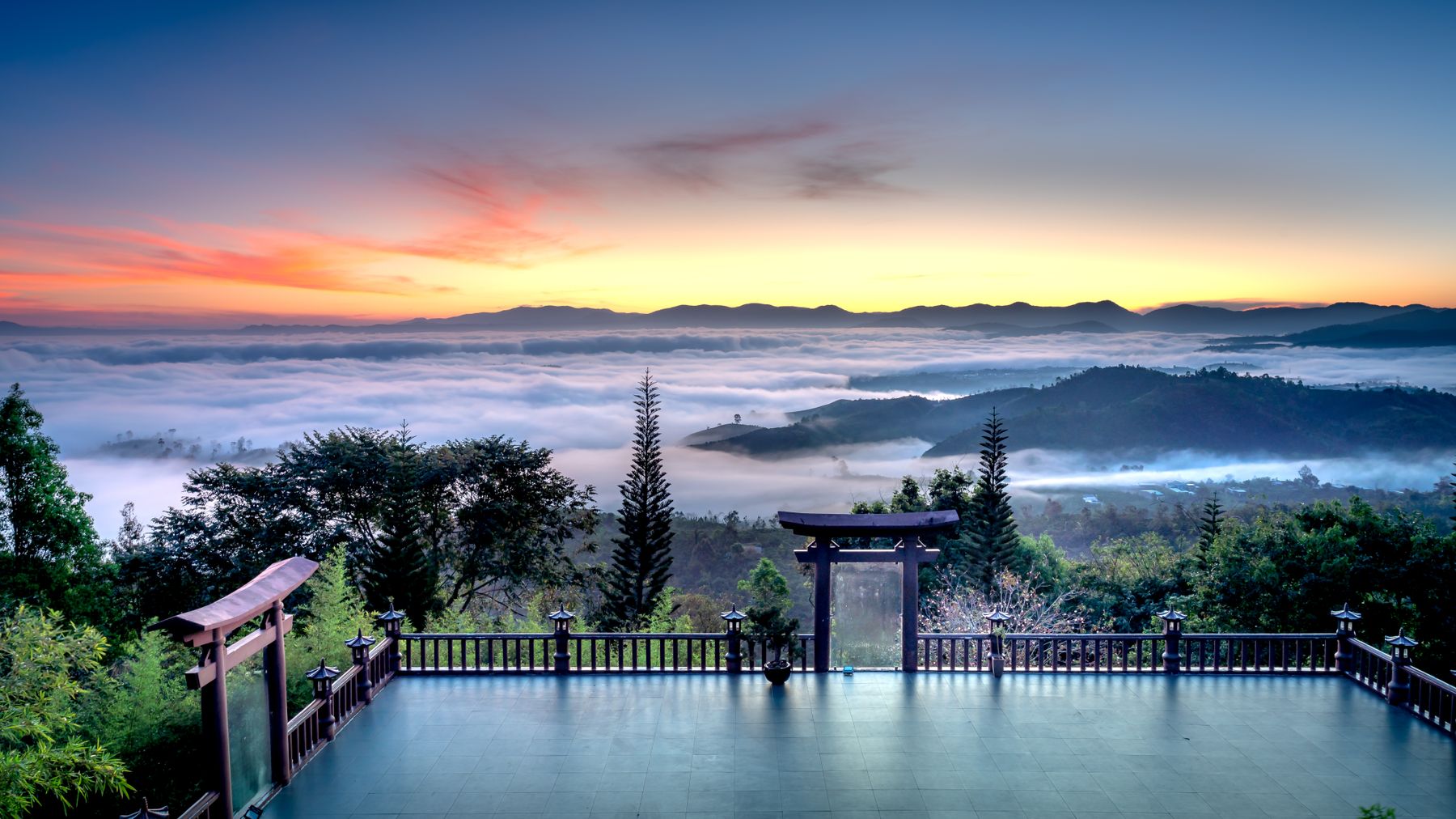
Photo by Quang Nguyen Vinh on Pexels
Pilgrimage Season
Yen Tu's peak season runs from the first day of the lunar new year (Tet) through the end of the third lunar month — roughly late January to April. The official opening ceremony happens on the 10th day of the first lunar month, when pilgrims pack the lower pagodas for prayers and offerings.
This is also when the mountain is at its most intense: vendors crowd the base, the cable car queues stretch long, and the paths are shoulder-to-shoulder with families in "ao dai" and elderly pilgrims in plain gray robes carrying incense bundles. If you come purely for scenery and quiet, visit outside this window — October to December brings cooler air, mist in the forest, and far fewer people.
If you want to understand what Yen Tu actually means to Vietnamese Buddhists, come during the first lunar month. The atmosphere is serious and devotional in a way that a quieter off-season visit will not replicate.
Getting There
From Hanoi (하노이 / 河内 / ハノイ), the standard approach is to drive or take a bus to Uong Bi city in Quang Ninh, then a taxi or xe om (motorbike taxi) to the Yen Tu parking area — total journey around 3 hours. Several tour operators run day-trip buses from Hanoi's Old Quarter for 300,000–450,000 VND, which saves the logistics but adds group-tour pacing.
There is no practical public transit option from Hanoi directly to the mountain gate. Renting a motorbike or car is the most flexible choice if you are already in the region.

Photo by Quang Nguyen Vinh on Pexels
What to Bring
Wear shoes with grip — the upper stone stairs are slippery when wet, which is often. A light rain jacket is useful year-round. The mountain gets cold above 800 m, especially in winter mornings. Bring cash: the pagodas along the route have donation boxes and small stalls, but no card readers. Water is sold at kiosks along the lower trail; above Hoa Yen, options thin out.
Modest clothing is expected. Shorts and sleeveless tops are fine for the hike but carry a light layer or wrap for the pagodas themselves.
Practical Notes
Yen Tu is a working pilgrimage site, not a managed tourist attraction, which means the experience depends heavily on timing and your own pace. Arriving at 6–7 a.m. on a weekday outside pilgrimage season gets you the mountain largely to yourself. Arriving at 10 a.m. on a Sunday in February gets you something closer to a large outdoor religious festival — worthwhile, but very different.
Last updated · May 27, 2026 · independently researched, never sponsored.