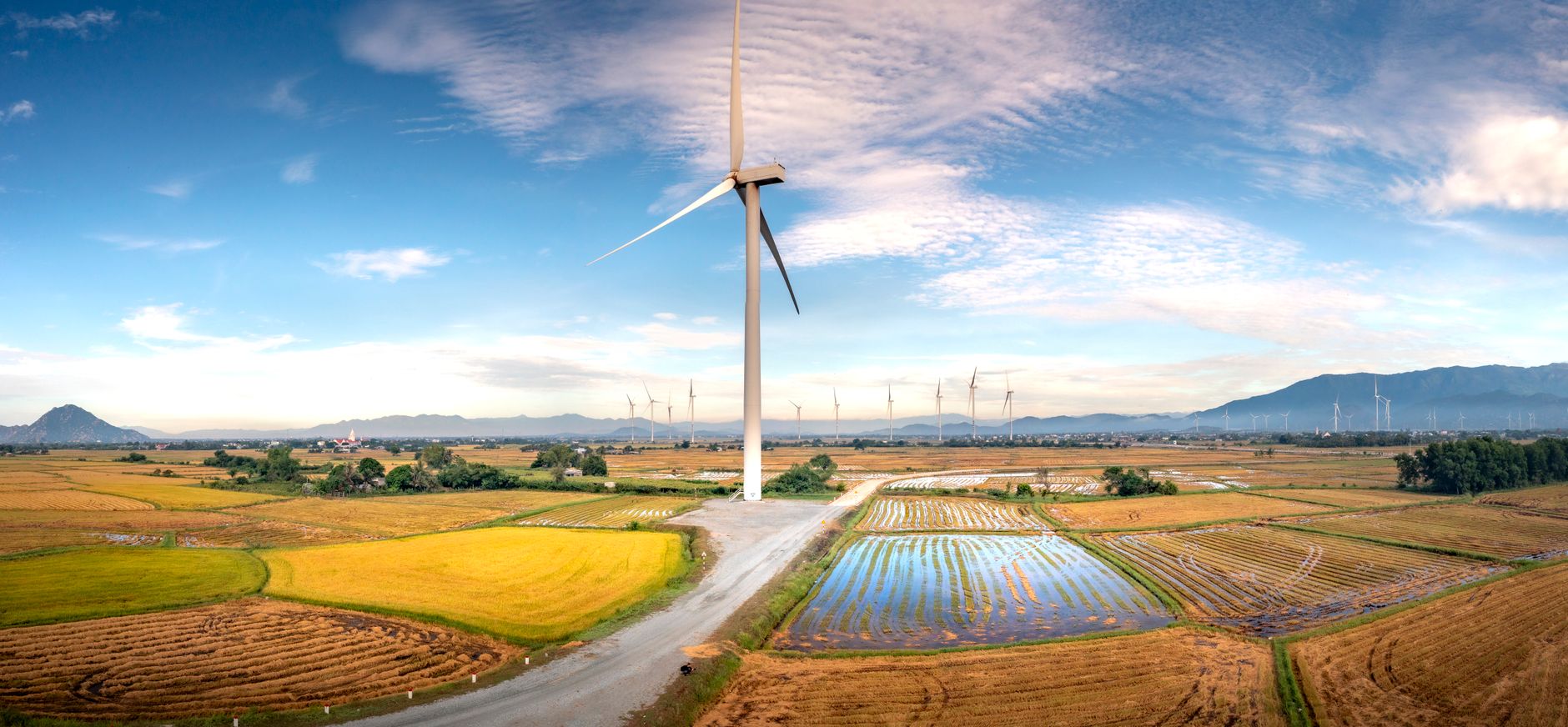
Y Ty sits at around 2,000 metres in Bat Xat district, Lao Cai province, close enough to the Chinese border that the fog rolls in hard and stays late. From September through March, the valleys below the commune fill with cloud so completely that the ridgelines look like islands. It is one of the more reliably dramatic landscapes in the north, and it still gets a fraction of the foot traffic that Sa Pa handles on any given weekend.
Who Lives Here and Why That Matters
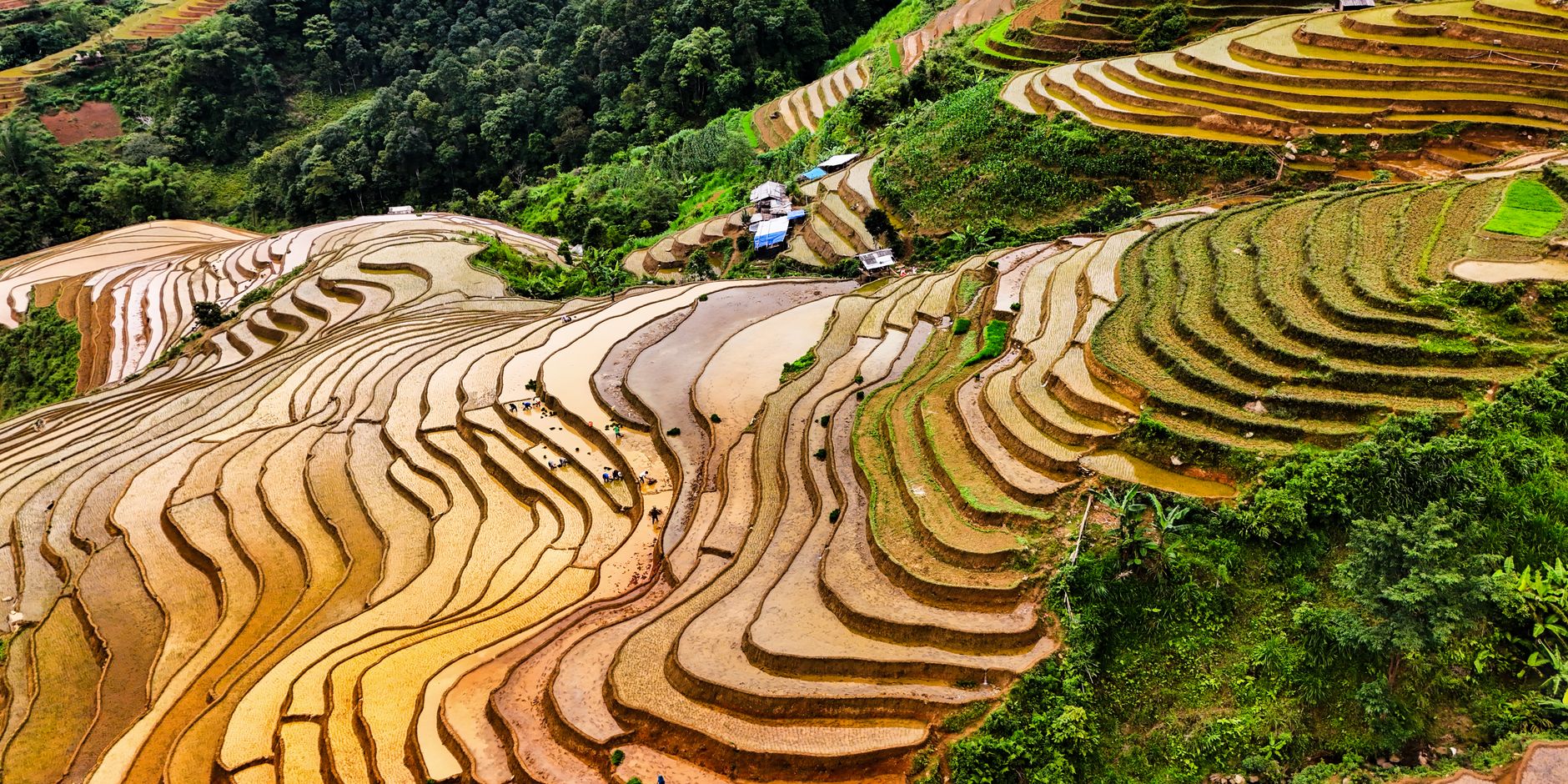
Y Ty is primarily a Ha Nhi village — one of the smaller ethnic groups in Vietnam (베트남 / 越南 / ベトナム)'s northern highlands, related culturally to the Hani people across the border in Yunnan. The Ha Nhi build distinctive square earthen houses with low, thick roofs that almost touch the ground, designed to hold heat and shed the weight of wet mountain fog. Walking through the village in early morning, when the mist is still sitting below the terraced fields, those dark rooftops emerging from white cloud make the place look genuinely unlike anywhere else in the north.
The Ha Nhi here are not a performance. There are no cultural shows, no reconstructed villages for tourist consumption. People are farming, tending buffalo, drying corn on the roadside. If you come expecting the infrastructure of Sapa (사파 / 沙坝 / サパ) — trekking agencies, Western menus, easy English — you will be disappointed. If you come expecting quiet and a landscape that has not been packaged yet, Y Ty delivers.
When to Go
The sea of cloud is a September-to-March phenomenon, peaking roughly October through December when temperature inversions are strongest. You need cold nights and calm mornings — check the weather the evening before and get up before 5:30 a.m. if you want to be at a viewpoint before the cloud burns off.
April through August is rice-growing season. The terraces are green and genuinely beautiful, but the clouds are gone and the roads are muddier. A few photographers prefer late May for the mirror-water reflection in the flooded paddies. Both seasons are valid; just go knowing what you are there for.
Getting There from Sa Pa
Y Ty is about 60 km from Sa Pa by road, but the drive takes two to three hours depending on conditions. The standard route runs Sa Pa → Bat Xat town → Y Ty. Most of it is paved now, but the last 15–20 km after Bat Xat climbs steeply and the road narrows. In rainy season, sections can wash out.
The practical options:
Motorbike
This is the most common choice for independent travellers. Rent in Sa Pa (around 150,000–200,000 VND per day for a semi-automatic, more for a manual trail bike). The road is manageable for confident riders but not a beginner route — there are sustained mountain stretches with no guardrails and visibility can drop fast in fog. Go slow, go early.
Hired Car or Jeep
Sa Pa has no shortage of drivers who do this run. Expect to pay 1,200,000–1,800,000 VND for a day-trip return depending on the vehicle and your negotiating. A 4WD jeep is worth the extra cost in wet season. If you want to stay overnight — which you should — ask the driver to drop you and arrange a separate pickup.
Sleeper Bus from Hanoi
There is no direct bus to Y Ty from Hanoi. Take a sleeper bus or train to Lao Cai city (around 200,000–300,000 VND), then hire transport onward from there or from Sa Pa. Lao Cai to Bat Xat is roughly 40 km; Bat Xat to Y Ty another 25 km. Budget a full travel day.
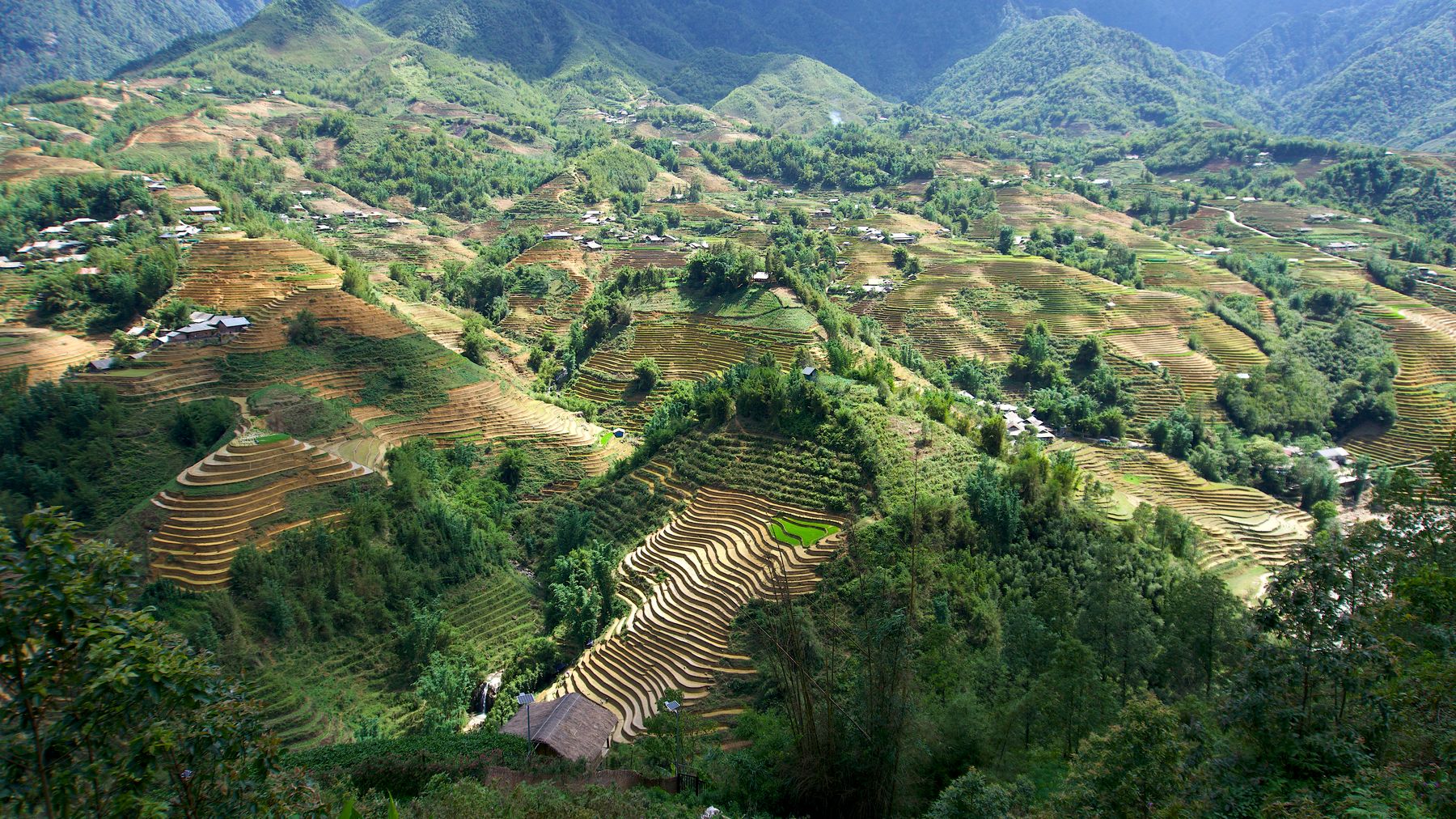
Photo by Duong Nguyen on Pexels
Where to Sleep
Accommodation in Y Ty is basic and limited. There are a handful of small guesthouses and homestays in and around the commune, most charging 150,000–350,000 VND per person per night. Do not expect hot water to be reliable, Wi-Fi is intermittent, and rooms are simple. That is part of the deal.
Book ahead during the October–December peak window, especially on weekends — the good spots fill up and there is no fallback hotel two minutes away. A few names circulate on Vietnamese travel forums: look for Ha Nhi-run homestays that offer dinner, since finding food after dark is otherwise limited. Meals are typically simple mountain fare: grilled pork, stir-fried greens, sticky rice, maybe free-range chicken. It costs around 80,000–150,000 VND per person for dinner at a homestay.
The Viewpoints
There is no single official lookout with a signpost. Locals and regular visitors know the ridges above the village that give the best angle on the cloud sea below. The hill behind the commune centre is a starting point; ask your homestay host where they would go. Most are happy to point you in the right direction at 5 a.m. if you show genuine interest.
Bring a headlamp, warm layers (temperatures at this altitude drop to 5–10°C on cold nights October through January), and patience. The cloud does not perform on a schedule.

Photo by Quang Nguyen Vinh on Pexels
What Else Is Around
If you have a second day, the road between Y Ty and Bat Xat passes through several smaller Ha Nhi hamlets. A slow ride back with stops takes half a day and gives a better sense of the district than rushing in and out for sunrise. Bat Xat town itself has a weekly market — Saturday mornings — that draws Ha Nhi, Dao, and Mong vendors from surrounding villages. It is low-key compared to the Bac Ha or Can Cau markets near Ha Giang, but authentic for that reason.
Practical Notes
Mobile signal is weak to nonexistent in parts of Y Ty — download offline maps (Maps.me or Google Maps offline) before you leave Sa Pa. Cash only; bring enough for your full stay. The nearest ATM is in Bat Xat town.
Last updated · May 27, 2026 · independently researched, never sponsored.