What it is
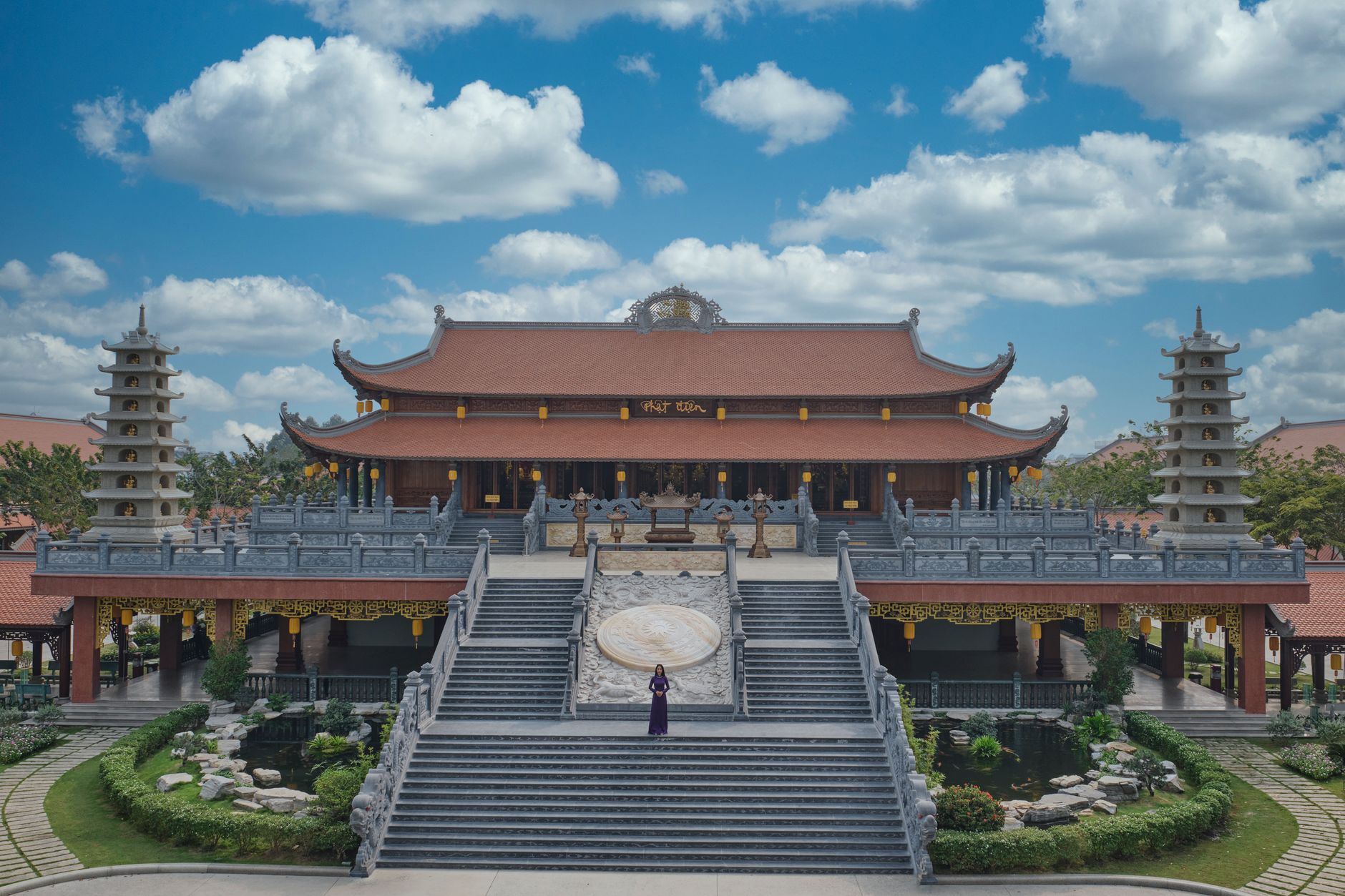
Van Mieu Xich Dang is a Confucian temple complex in Hung Yen city, roughly 60 km southeast of Hanoi. Think of it as the regional counterpart to Hanoi's Temple of Literature — smaller, quieter, and almost entirely tourist-free. Built in the 17th century during the Le dynasty, it served as the examination hall and scholarly shrine for the old Hung Yen province. The name "Xich Dang" refers to the village where it stands, on the banks of a narrow branch of the Red River.
The complex honors Confucius and 24 local scholars who passed the highest imperial exams. Stone stelae — eight of them, dating from the 17th to 19th centuries — record their names and achievements, similar in style to the more famous stelae at the Temple of Literature in Hanoi (하노이 / 河内 / ハノイ).
Since early 2025, Hung Yen province merged administratively with Thai Binh, but geographically nothing changed. Van Mieu Xich Dang sits in the same spot it always has, on Pho Hien street in Hung Yen city.
Why travelers go
Honestly, most foreign travelers don't — and that's part of the appeal. You won't share the courtyard with tour groups. The complex is compact (about 1.5 hectares), well-maintained, and genuinely atmospheric: mature longan trees shade the walkways, incense drifts from the main hall, and on weekdays you might be the only visitor.
For anyone interested in Vietnamese scholarly culture, it's one of the best-preserved examples outside Hanoi. The architecture blends Le and Nguyen dynasty styles, with carved dragons, phoenix motifs, and Chinese-character inscriptions still legible on the wooden beams.
It also makes sense as a stop on a broader Red River Delta day trip — combine it with Pho Hien, the old trading port area just north, and you've got a solid half-day of history without the crowds of Ninh Binh (닌빈 / 宁平 / ニンビン).
Best time to visit
October through March gives you cooler weather and clearer skies. Hung Yen sits in the flat delta, so summer (May–August) brings heavy humidity and afternoon downpours that make the open courtyards uncomfortable.
If you time it for early February, you might catch local Tet celebrations at the temple — offerings, calligraphy displays, and families burning incense. The temple is particularly active during exam season (May–June), when students and parents come to pray for good results, though it's not a festival per se.
How to get there from Hanoi
Hung Yen city is the closest hub, and Hanoi is the nearest major transport point.
By motorbike or car: Take National Highway 5 (QL5) east toward Hai Duong, then turn south on QL39 into Hung Yen city. Total distance from central Hanoi: about 65 km, roughly 1.5 hours with traffic. Grab Car from Hanoi runs around 350,000–450,000 VND one way.
By bus: Buses from Hanoi's Giap Bat station run to Hung Yen bus station every 20–30 minutes. Ticket price: 50,000–70,000 VND. Journey takes about 1.5–2 hours depending on stops. From Hung Yen bus station, Van Mieu Xich Dang is only 2 km south — a 15,000 VND xe om ride or a short walk down Pho Hien street.
By train: Not practical. No direct rail to Hung Yen city.

Photo by Braven Nguyen on Pexels
What to do
Walk the stele garden
Eight stone stelae sit on carved tortoise bases in the front courtyard. Each records the names of scholars who passed the "tien si" (doctoral) exams between the 1600s and 1800s. The inscriptions are in Han Nom script. Even if you can't read them, the craftsmanship on the tortoise pedestals is worth a close look — each one is slightly different.
Explore the main worship hall
The rear hall ("Bai Duong") houses altars to Confucius and his four greatest disciples. The wooden architecture here dates to a major restoration in the 18th century. Look up — the roof beams have original carvings of dragons chasing pearls, a motif you'll recognize from Hanoi's older pagodas.
Check out the side exhibition rooms
Two flanking buildings display photos, documents, and reproductions related to Hung Yen's scholarly history. One room focuses on the imperial exam system; the other covers local literary figures. Labels are in Vietnamese only, but the visual materials are self-explanatory.
Walk north to Pho Hien
Pho Hien was a major international trading port in the 16th–17th centuries — Japanese, Chinese, Dutch, and Portuguese merchants operated here. Today it's a quiet residential area, but several old pagodas (Chuong Pagoda, Hien Pagoda) and a few colonial-era buildings survive along the riverbank. It's a 10-minute walk or short motorbike ride from Van Mieu.
Sit under the longan trees
Hung Yen is famous across Vietnam for its "nhan long" — longan fruit. The temple grounds have old longan trees, and in July–August the fruit is in season everywhere. Grab a bunch from a street vendor outside the gate for 30,000–50,000 VND per kg.
Where to eat nearby
Hung Yen's signature dish is "banh day" — sticky rice cakes served with pork paste ("gio lua"). Look for stalls near Hung Yen market, about 1 km from the temple. A plate runs 20,000–30,000 VND.
For something more substantial, try "bun thang" — the delicate Hanoi-style noodle soup also popular in this part of the delta. A bowl at the small shops on Trung Trac street costs around 35,000–45,000 VND.
If you're visiting in summer, longan-based desserts ("che nhan") show up at sweet shops around town.
Where to stay
Most travelers visit Van Mieu Xich Dang as a day trip from Hanoi. But if you want to stay:
- Budget: Nha nghi (guesthouses) near Hung Yen bus station: 200,000–350,000 VND/night. Basic but clean.
- Mid-range: Muong Thanh Hung Yen hotel on Nguyen Van Linh street: around 600,000–800,000 VND/night. Decent rooms, breakfast included.
- No luxury options exist in Hung Yen city proper. If you want something upscale, you're better off basing in Hanoi.
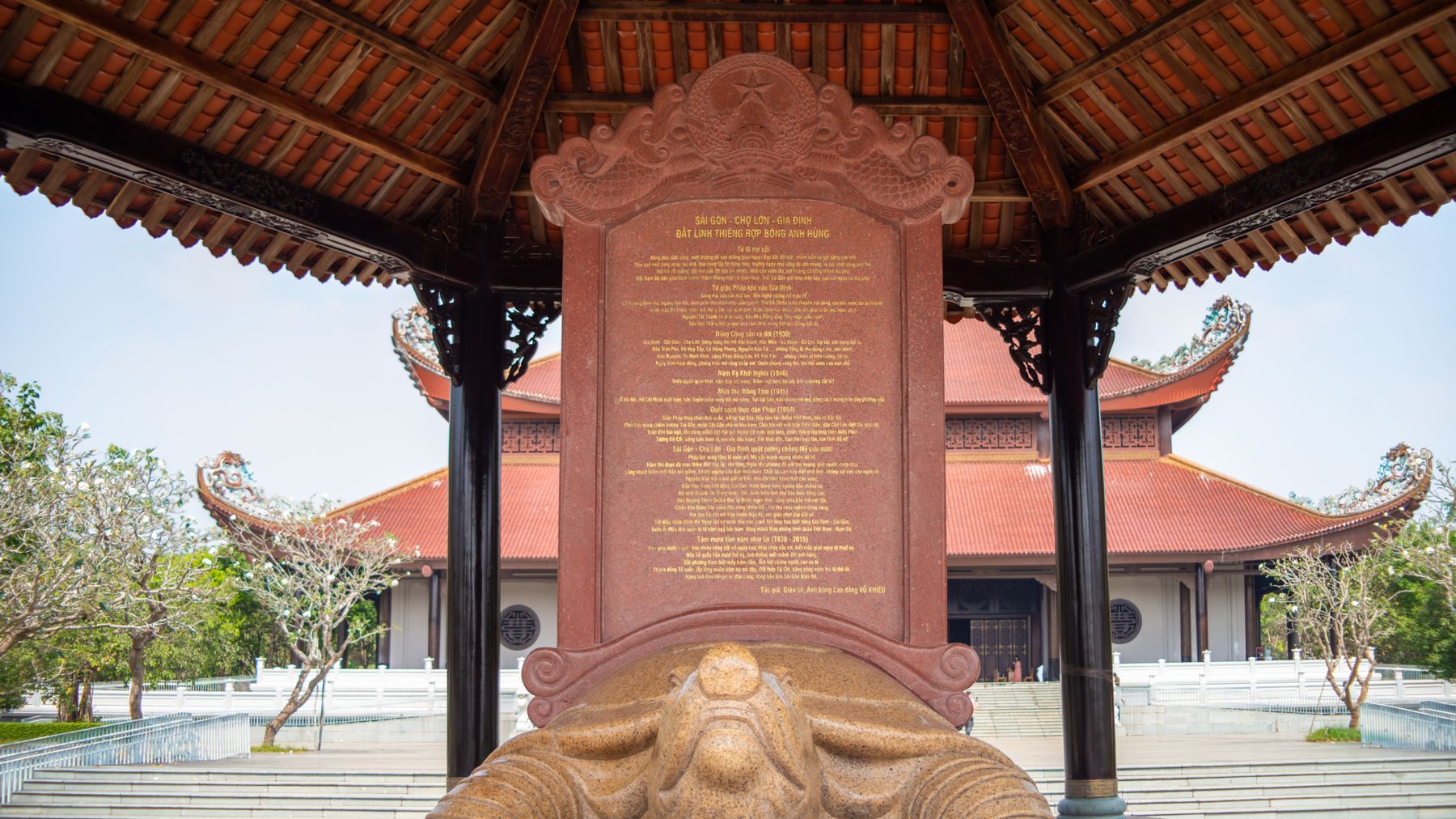
Photo by Ty Nguyễn on Pexels
Practical tips locals would tell you
- The temple is open daily, roughly 7:00–17:00. Entry is free.
- Dress modestly — it's an active worship site. Covered shoulders and knees.
- Bring mosquito repellent in summer. The river proximity and tree cover mean bugs, especially late afternoon.
- There's no English signage inside. Download Google Translate's camera mode for the Vietnamese plaques if you're curious.
- The temple is small — 30–45 minutes is enough for most visitors. Plan it as one stop, not a full-day destination.
Common mistakes to avoid
- Coming on a public holiday without expecting crowds. Tet / 越南春节 / テト) and exam-prayer season bring local families in volume. The temple is tiny; it feels packed with even 50 people.
- Confusing it with Hanoi's Temple of Literature. They're related in purpose but completely different in scale. Van Mieu Xich Dang is a 30-minute visit, not a half-day one.
- Skipping Pho Hien. The temple alone doesn't justify the trip from Hanoi. Combine it with the old port area and Hung Yen market for a full morning.
- Arriving without cash. There are no ATMs within immediate walking distance of the temple. Withdraw in Hung Yen city center before heading over.
Practical notes
Van Mieu Xich Dang works best as part of a Red River Delta loop — hit it on the way to or from Hanoi, pair it with Pho Hien, and you've got a low-key morning that feels genuinely off the standard tourist circuit. No entrance fee, no crowds, no hassle.
Last updated · May 29, 2026 · independently researched, never sponsored.