Why your phone's translator isn't enough
Standing at a reception desk in Hanoi or Saigon after a long flight, the last thing you want is to fumble with a screen while a tired receptionist waits. While most high-end hotels in Vietnam (베트남 / 越南 / ベトナム) have English-speaking staff, smaller boutique guesthouses or family-run homestays—the kind where you find the best "pho" or "banh mi" nearby—often operate with limited English. Learning a few functional phrases isn't just about politeness; it is about efficiency. When you speak the local language, even poorly, the dynamic shifts from 'tourist' to 'guest'.
The Golden Rule: Keep it simple
Vietnamese is a tonal language, which can be intimidating. Don't worry about perfect pitch. If you are clear and confident, people will understand you. Use these phrases to streamline your arrival and get to your room faster.
1. The Arrival: I have a reservation
When you walk up to the counter, start with a polite greeting and state your business immediately.
- Phrase: "Toi co dat phong truoc."
- Pronunciation: Toy caw dat fawm troo-uck.
- Context: This tells the staff you aren't a walk-in. Have your passport and booking confirmation (digital or paper) ready the moment you say this. It saves everyone time.

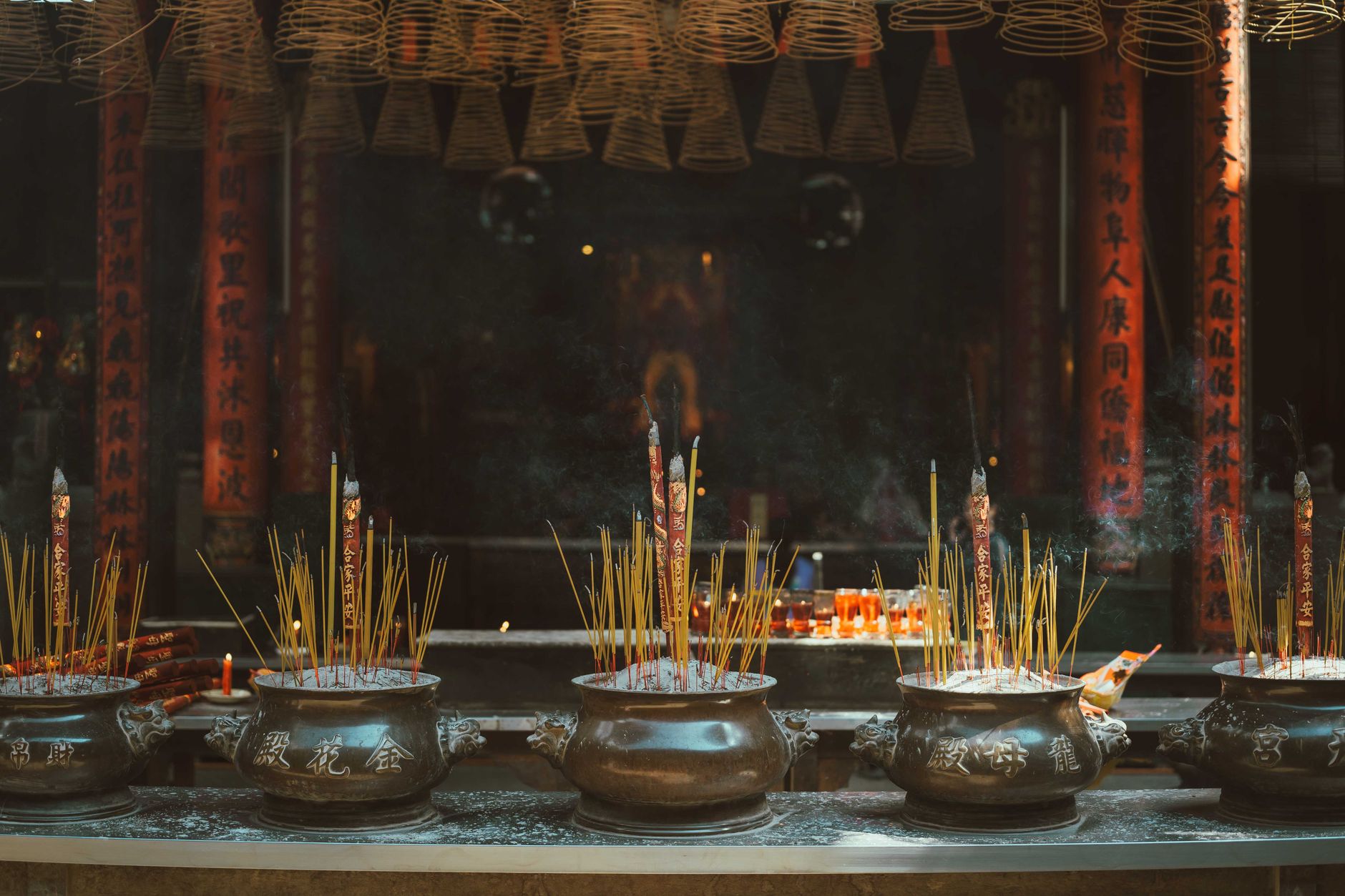
Photo by Nguyen Ngoc Tien on Pexels
2. The Passport Handover
In Vietnam, hotels are legally required to register your stay with local authorities. They will take your passport to scan or photocopy it.
- Phrase: "Day la ho chieu cua toi."
- Pronunciation: Zay la ho chew cooa toy.
- Context: Handing over your passport with both hands is a sign of respect. Don't be surprised if they keep it at the front desk until you check out; this is standard practice in many smaller hotels to ensure the registration process is completed correctly.
3. The Room Request: Can I have a quiet room?
If you are staying in a busy area like the Old Quarter in Hanoi or near the bustling markets of Ho Chi Minh City (호치민시 / 胡志明市 / ホーチミン市), street noise can be an issue.
- Phrase: "Cho toi phong yen tinh duoc khong?"
- Pronunciation: Chaw toy fawm yen tin du-uck khawm?
- Context: "Yen tinh" means quiet. If you are a light sleeper, this is your most important phrase. If they are full, they might not be able to accommodate you, but it is always worth the ask.
4. The Logistics: What time is breakfast?
If your stay includes breakfast, you will want to know the window of opportunity, especially if you plan on hunting down a bowl of "bun bo hue" or "hu tieu" later in the day.
- Phrase: "An sang luc may gio?"
- Pronunciation: An sang look may yaw?
- Context: Breakfast in Vietnam starts early, often by 6:30 AM. Knowing the time ensures you don't miss the hotel's offering, though I always recommend heading out to a local stall for a more authentic start to the day.
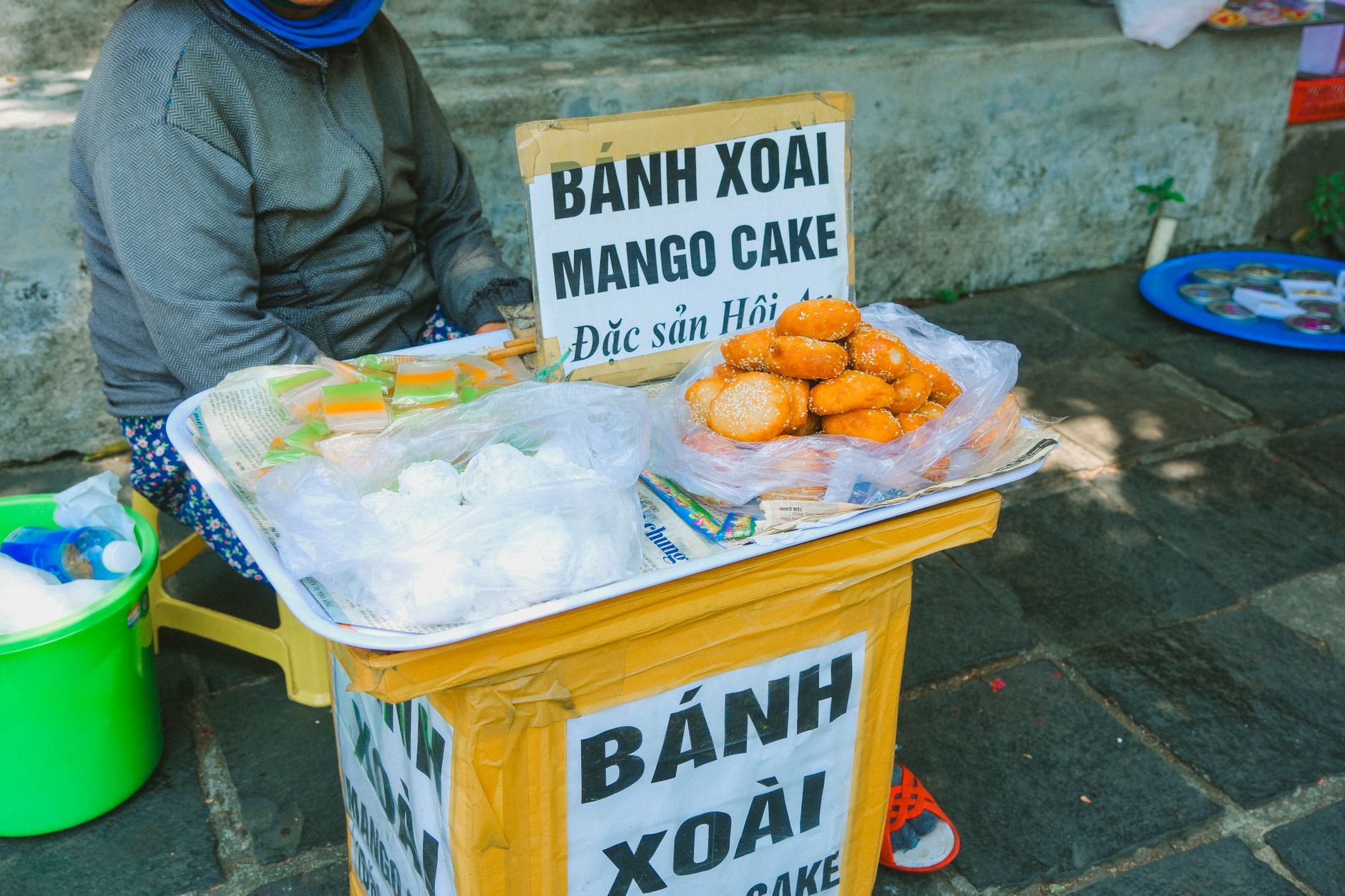
Photo by Nguyen Ngoc Tien on Pexels
5. The Departure: Can I leave my bags?
If you have a late flight or a bus to catch, you will likely need to store your luggage after checking out.
- Phrase: "Toi co the gui hanh ly o day duoc khong?"
- Pronunciation: Toy caw the goo-ee han lee aw zay du-uck khawm?
- Context: Most hotels are happy to hold bags for free. It is a massive convenience that allows you to wander around the city, perhaps visiting the "Temple of Literature" or grabbing a final "vietnamese coffee" before you head to the airport.
6. The Thank You
Simple gratitude goes a long way, especially if the staff has helped you with luggage or local directions.
- Phrase: "Cam on rat nhieu."
- Pronunciation: Cam un rat nyew.
- Context: Use this when you receive your key or when you check out. It is a small gesture that acknowledges the work they do to make your stay comfortable.
Final note
Don't stress about the tones. If you get a confused look, just smile and repeat yourself slowly. The effort to bridge the language gap is almost always met with a helpful attitude, making your time in Vietnam much smoother.
Last updated · May 30, 2026 · independently researched, never sponsored.