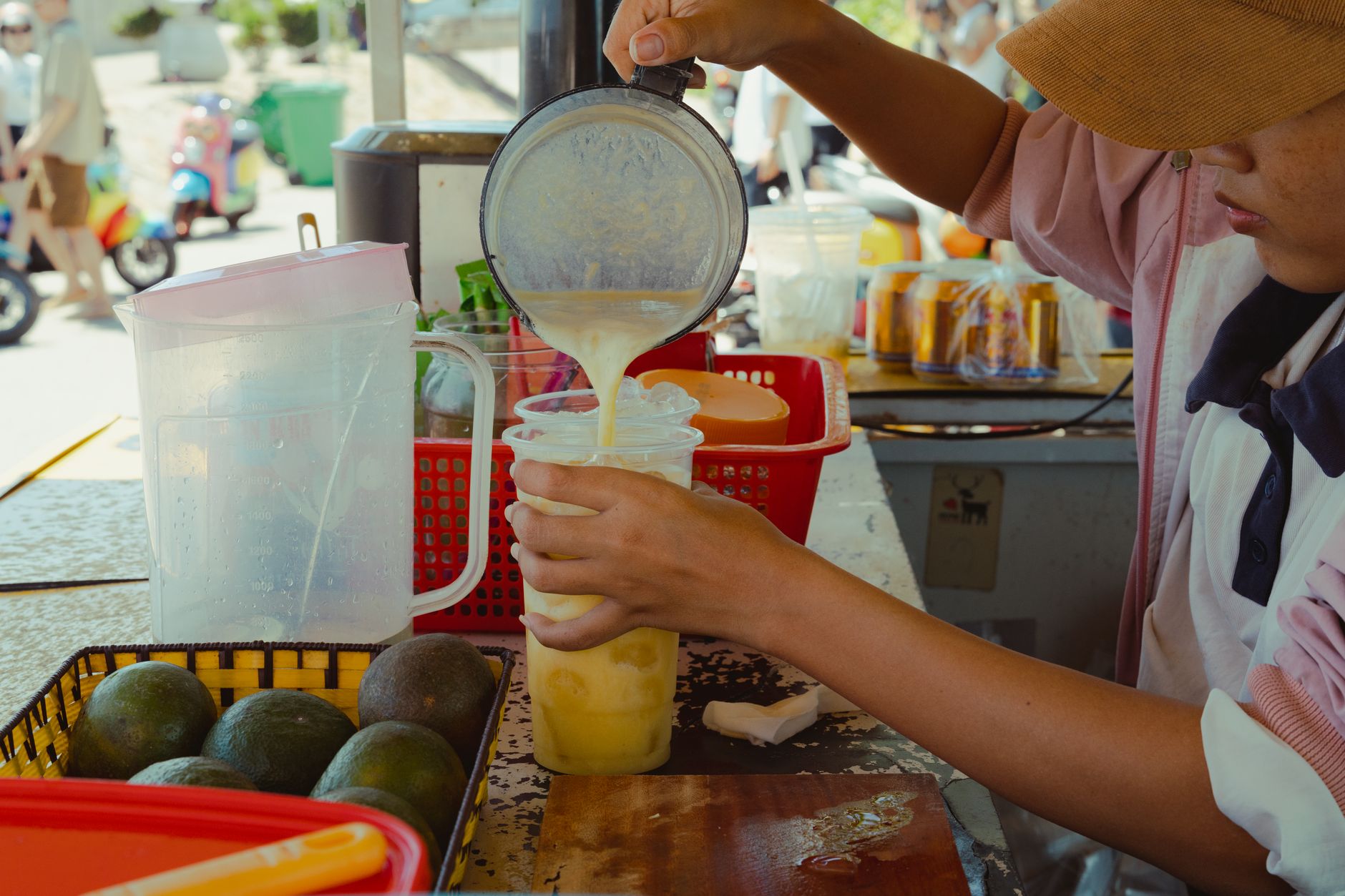
Vietnam (베트남 / 越南 / ベトナム)'s Buddhist vegetarian kitchen is not about restraint. It is about craft — the art of making tofu taste like braised pork, wheat gluten pull like shredded duck, and a bowl of broth hit with the same savory weight as beef bone stock. This tradition has been alive in Vietnamese monasteries for hundreds of years, and today it surfaces everywhere from Hue temple kitchens to Saigon street stalls.
Where the Tradition Comes From
Vietnamese Buddhist vegetarianism — called "an chay" — follows the Mahayana school, which emphasizes compassion for all living things. Monks and laypeople eat "an chay" on fixed lunar calendar days, typically the 1st and 15th of each lunar month, and during periods like Tet or the 7th lunar month ghost festival. For devoted practitioners, it is a full-time commitment.
The mock-meat craft grew out of practical necessity: if you are eating "an chay" on a feast day, you still want a celebratory table. Vietnamese cooks responded by developing an entire parallel cuisine — dishes that mirror the textures, aromas, and presentation of meat-based originals without using any animal products. The result is not a compromise. It is its own discipline.
The Main Ingredients and How They Work
The workhorse of Vietnamese mock meat is "dau hu" (tofu), but not in its plain, soft block form. Cooks press, freeze, fry, and layer it to build density and chew. Pressed tofu sliced thin and braised in soy sauce, caramel, and five-spice can genuinely pass for pork belly at a glance.
"Mien" (glass noodles) and "nam" (mushrooms) — particularly king oyster and shiitake — do heavy lifting for texture. King oyster mushrooms shredded and sauteed with lemongrass reproduce the fibrous pull of pulled pork well enough that first-timers do a double take.
The more technically involved ingredient is "mì can" — wheat gluten, sometimes called seitan in Western kitchens. Vietnamese cooks have been working with it for centuries. Shaped, fried, and simmered in spiced broths, "mì can" forms the base for mock "bo kho" (beef stew), mock roast duck, and mock "cha lua" (pork sausage). The texture is dense and slightly chewy — not identical to meat, but close enough when the seasoning is right.
Umami is the main challenge, and cooks solve it with fermented soybean paste, mushroom powder, kombu-style dried seaweed, and heavily reduced vegetable stocks. A well-made "an chay" broth can carry genuine depth.
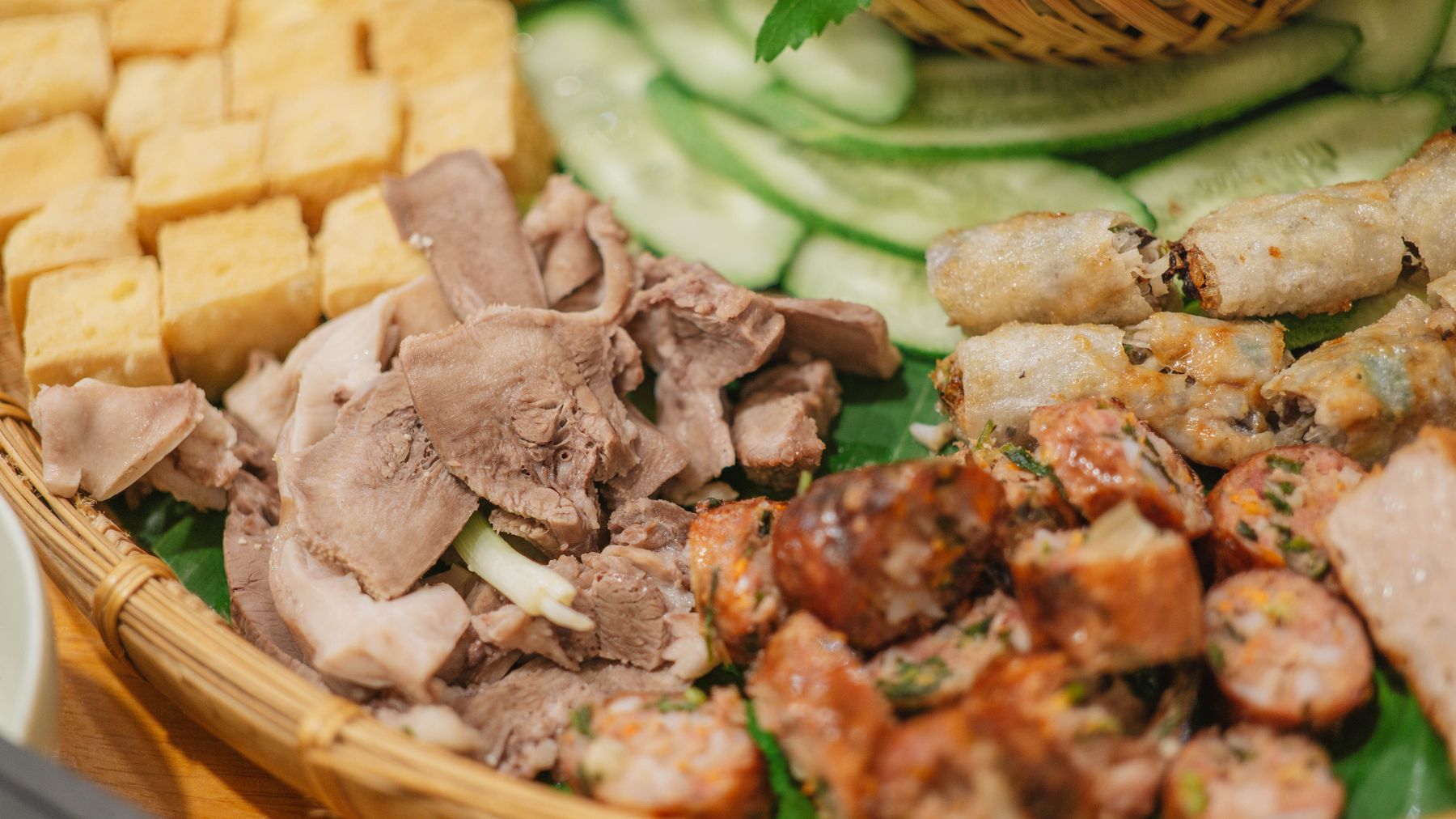
Photo by FOX ^.ᆽ.^= ∫ on Pexels
Where It Shines
Hue (후에 / 顺化 / フエ) is the undisputed capital of Vietnamese Buddhist vegetarian cooking. The city's deep royal and monastic history means that "an chay" here is not an afterthought — it is a serious culinary genre. Around Thien Mu Pagoda and the streets near the Hue Imperial Citadel, small restaurants serve full mock-meat menus on lunar feast days. Expect mock "bun bo Hue" — the real version is one of Vietnam's most aggressively spiced beef noodle soups, and the vegetarian edition replaces the pork knuckle and blood cake with braised tofu and "mì can", keeping the lemongrass-and-shrimp-paste heat profile intact using fermented soybean and chili.
In Saigon, the District 3 and District 10 areas have clusters of "quan chay" (vegetarian restaurants) that operate daily, not just on lunar days. Prices are low — a full plate of mock "com tam" (broken rice with mock grilled pork and egg) runs around 35,000–50,000 VND. The mock "banh mi" is worth seeking out too: a standard Vietnamese baguette loaded with mock "cha lua", pickled vegetables, and chili — the filling is so well-seasoned that you genuinely have to think about it.
Hoi An has a smaller but solid "an chay" scene around the old town edges, particularly near the market. A bowl of mock "cao lau" — Hoi An's signature chewy noodle dish — made with tofu and mushrooms instead of pork is a reasonable approximation, though purists will note the original relies on pork lard in the noodle fat.
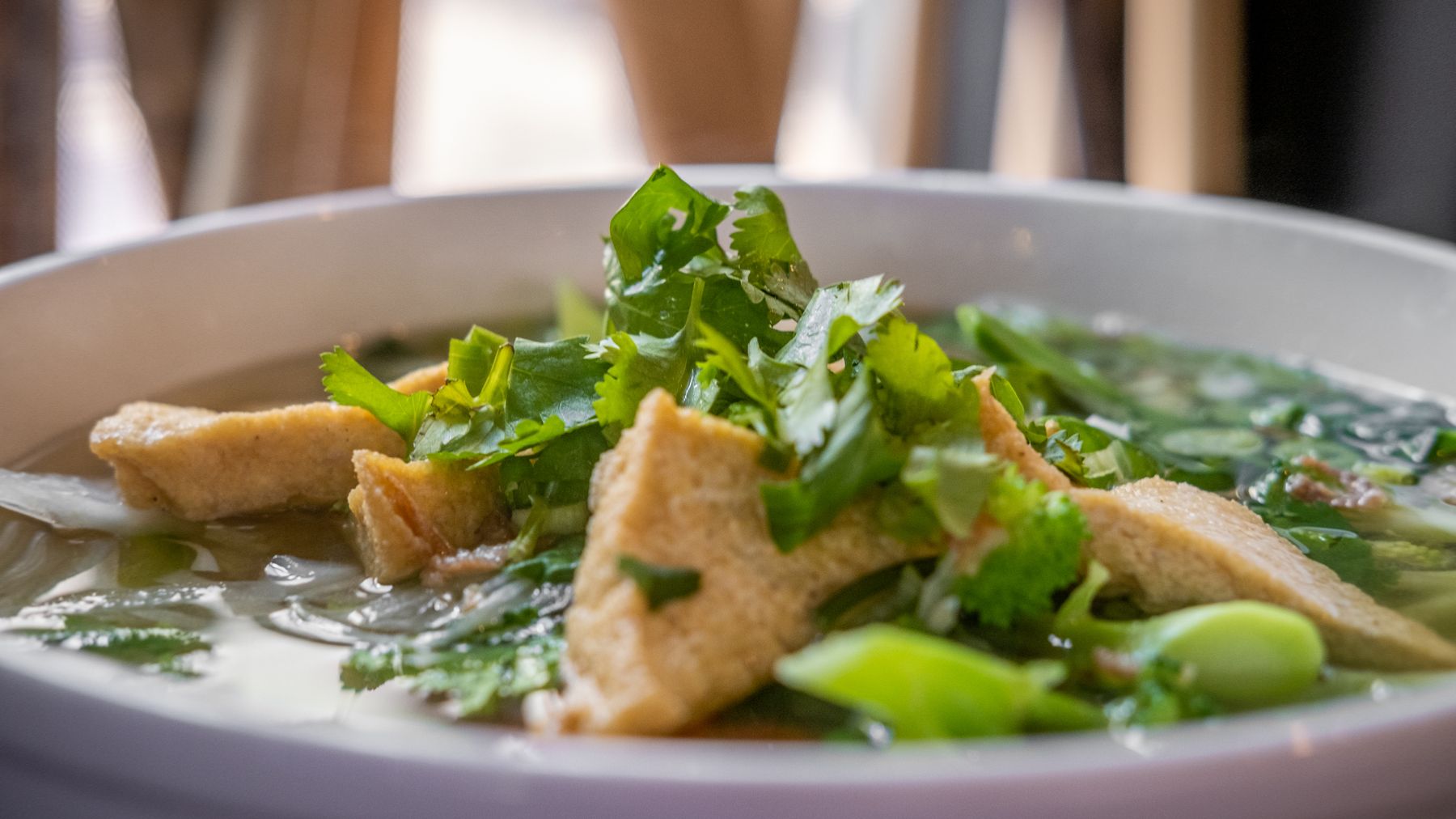
Photo by Connor Scott McManus on Pexels
Where It Shouldn't Pretend
Not every dish translates. Mock seafood — particularly fake shrimp made from konjac — tends to feel rubbery and hollow. "Goi cuon" (fresh spring rolls) are one of the few dishes that do not need the mock-meat treatment at all; the herb, vermicelli, and tofu version is simply a different, equally valid dish. Forcing it into a "fake prawn" format usually serves nobody.
Some "quan chay" lean too hard on MSG to compensate for the absence of animal fat, which flattens everything to the same sodium spike. The better ones invest in long-cooked stocks and fermented condiments instead.
Practical Notes
Look for the word "chay" on a sign — it means vegetarian, and restaurants displaying it will have full mock-meat menus. Lunar feast days (the 1st and 15th of each lunar month) are when even non-specialist restaurants add "an chay" specials. If you are traveling to Hue, build at least one meal around the temple-district vegetarian restaurants — the cooking there reflects a standard that the street-stall versions in other cities are still working toward.
Last updated · May 29, 2026 · independently researched, never sponsored.