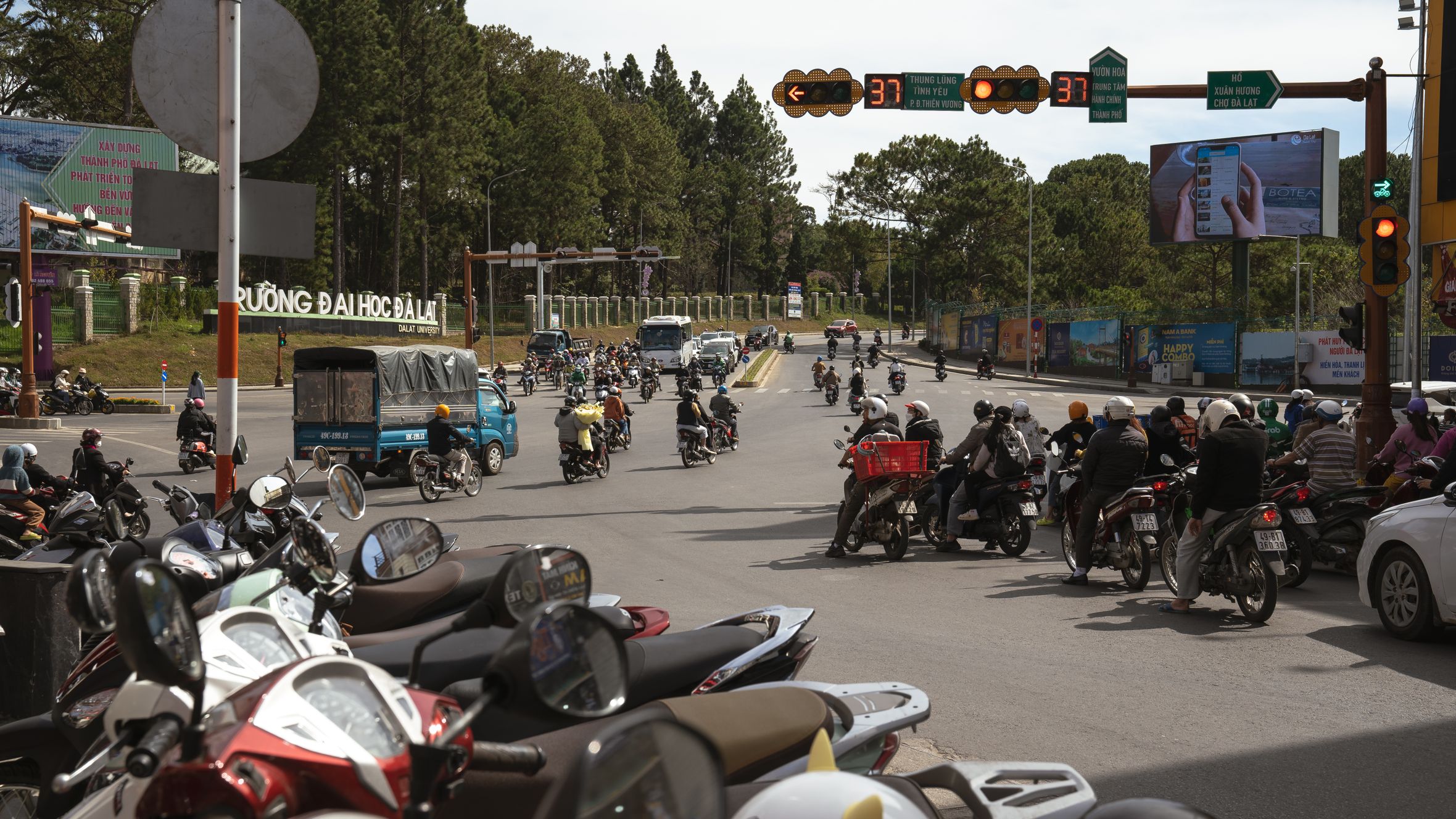
Pickpocketing in Vietnam (베트남 / 越南 / ベトナム) is real, but it's not random—it targets specific places and follows predictable patterns. Unlike violent crime, it's opportunistic and quiet. The good news: most theft happens in a handful of well-known zones. Know them, stay aware, and you'll cut your risk dramatically.
Where pickpockets work
They operate in three environments: dense crowds (markets, train stations, festivals), public transit (buses, minibuses), and crowded tourist bars and beaches. The thieves are often young, work in pairs or small groups, and are skilled enough that you won't feel the theft happen. They target backpacks, crossbody bags worn in front, and especially phone pockets.
Hanoi hotspots
Dong Xuan Market (Old Quarter, north of Hoan Kiem Lake) is the highest-risk zone in the city. It's a warren of stalls selling cheap goods—clothes, souvenirs, seafood. Thousands of people move through it daily, elbows touching. Pickpockets prey on tourists moving slowly, looking up at signs. They'll slit a backpack seam with a razor or unzip an unzipped bag in one fluid motion.
Stay safe: wear a money belt under your shirt. Carry a small daypack in front, not on your back. Don't bring your phone out unless necessary. If you must carry a bag, use one with a zip, and keep your hand on it in crowds.
Hoan Kiem Lake promenade (especially the northeast and eastern shores around sunset) sees theft, particularly from tourists standing still taking photos. Vendors, cyclo drivers, and drunk young men crowd the edges.
Hanoi (하노이 / 河内 / ハノイ) train station (also called Ga Hanoi, southwest of the city center) has pickpockets active around the departures hall and outside the building where tourists wait for onward transport. The chaos of boarding—people with luggage, vendors, touts—creates cover.
Night buses on long-haul routes (Hanoi to Sapa, Da Nang, Saigon) are a risk point. Thieves board at stops or are already passengers. They work when lights are off or dimmed. Keep valuables in a bag tucked under your seat or between your legs, not in an overhead rack.
Saigon hotspots
Ben Thanh Market (central District 1) is chaotic—narrow aisles, tight stalls, thousands of locals and tourists. Pickpockets work the main entrances and the clothing/souvenir sections where tourists linger.
District 1 bar strip (Bui Vien Street and nearby alleys: De Tham, Co Viet, Ton That Tung) sees theft late at night when tourists are drinking and less aware. Your phone on the table, your backpack unzipped on your lap—it takes seconds.
Tan Son Nhat International Airport arrivals hall is a known zone. Scammers and pickpockets mix. Keep bags zipped and visible. Book a Grab (Vietnam's ride-hailing app) in the airport lounge before exiting baggage claim.
Saigon train station (Ga Sai Gon, District 3) mirrors Hanoi: crowded departure halls, vendors, touts, people standing around with luggage.
Buses and minibuses heading to Long Hai, Can Tho, or the Mekong are moderate-risk, especially overnight rides. Never sleep with a bag loose. Use a small personal bag as a pillow or clutch it.
Central Vietnam hotspots
Hoi An old town (especially Tran Phu Street and the riverside) has lower risk than northern cities, but pickpockets work the night market (Friday, Saturday evenings) and crowded cafes where tourists cluster. The same razor-blade-in-backpack technique applies.
Da Nang beach strip (My Khe Beach and beachfront bars) sees theft, usually from unattended bags left on chairs or stolen phones from tables. Don't leave anything unattended.
Hue Trang Tien Bridge and the imperial citadel entrances have occasional pickpockets, especially during peak hours (late morning, late afternoon).
How to protect yourself
What to carry:
- Use a crossbody bag or small backpack worn in front of your body in dense crowds.
- A money belt or hidden pouch (under shirt, inside pants) for cash, credit cards, and passport.
- A cheap phone or older model instead of your newest smartphone.
- Leave non-essential items in your hotel room or a hostel locker.
At markets and crowded venues:
- Zip and lock everything. Use padlocks on backpack zips if the bag has lockable loops.
- Keep your hand on your bag or wear it in front.
- Avoid stopping to look at your phone in crowds.
- If you feel a tug or pressure on your bag, move away immediately and check your belongings.
On buses and minibuses:
- Board with your bag in front of you, not slung over your shoulder.
- Keep one arm across your pack, or tuck it between your legs.
- Don't fall asleep with valuable items loose. Tie a bag to your wrist or seat if possible.
- On sleeping buses, use a TSA-approved cable lock to secure bags to the metal frame.
At airports and train stations:
- Keep eyes on luggage. Don't put it down and walk away to use the toilet.
- Secure a locker if available (cost: 20,000–50,000 VND for a few hours).
- Use Grab or book a taxi in advance; don't stand around with luggage visible.
At bars and beach clubs:
- Never leave a bag unattended.
- Keep your phone on you, not on the table. If you must set it down, hold it in your hand or under your thigh.
- Buddy up with other travelers. Watch each other's stuff.

Photo by Thien Phuoc Phuong on Pexels
Common pitfalls
Daypacks on crowded buses. Even zipped, they're targets. Wear it in front or keep it on your lap.
Crossbody bags worn across the back. If the strap goes behind you, the bag is behind you, and a pickpocket can work without you seeing. Flip it to the front in crowds.
Phones out while walking. Thieves on motorbikes sometimes snatch phones from hands or bags. Keep it in a pocket or bag while moving through streets.
Overconfidence in quiet neighborhoods. Theft happens everywhere, just less frequently in residential areas. Stay alert regardless.
Trusting a "helpful" stranger. Someone pointing out a stain on your shirt, offering to help, or claiming to be a student—these are classic distraction techniques. Keep moving.

Photo by Vietnam Hidden Light on Pexels
If you're robbed
If your bag or phone is stolen, report it to the local police (cong an). You'll need a police report for travel insurance claims. Go to the nearest police station; staff at your hotel can help direct you. The process is slow but necessary. Accept that some items may not be recovered. Travel insurance is worth the small upfront cost—many plans cover theft up to a limit (usually $300–$500 USD).
Bottom line
Pickpocketing in Vietnam is manageable with basic awareness. Avoid the known hotspots or move through them fast, keep bags zipped and in front, and don't leave items unattended. Most travelers here never experience theft. The ones who do usually weren't paying attention in a crowded market or left a phone on a bar table. Use your common sense, stay alert in crowds, and you'll be fine.
Last updated · May 29, 2026 · independently researched, never sponsored.