Khe Sanh Combat Base sits on a red-dirt plateau near the Lao border in what was once one of the most heavily bombed stretches of land on earth. Today it's a quiet museum surrounded by coffee plantations, and one of the most worthwhile war-history stops in central Vietnam (베트남 / 越南 / ベトナム).
What it is
Khe Sanh was a U.S. Marine Corps base that became the site of a major 77-day siege in early 1968. The base was later dismantled, but the Vietnamese government turned the area into a historical relic site — Khu Di Tich Khe Sanh — with a small museum, preserved bunkers, trenches, and a collection of military hardware including helicopters, tanks, and artillery pieces arranged across the old airstrip.
The museum displays photographs, maps, and personal artifacts from both sides of the conflict. It's modest in size but effectively conveys the scale of what happened here. Outside, the landscape itself tells a story — the plateau is ringed by hills that were fiercely contested, and on clear days you can see all the way to the mountains along the Lao border.
Why travelers go
Khe Sanh draws people interested in war history, but it also works as a stop on the broader route through Quang Tri province — a region packed with conflict-era sites including the DMZ, Vinh Moc Tunnels, and the Hien Luong Bridge. The drive from the coast up to the Khe Sanh plateau passes through countryside that shifts from rice paddies to pepper and coffee farms, and the cooler elevation (around 500m) is a welcome change from the coastal heat.
Unlike Cu Chi Tunnels near Saigon, which can feel theme-park busy, Khe Sanh is usually quiet. You might be the only visitor. That solitude is part of what makes it worth the detour.
Best time to visit
March through August is your window. The dry season in this part of Quang Tri runs roughly from March to September, with April through June offering the best combination of clear skies and tolerable heat. Temperatures on the plateau hover around 25-30°C, cooler than the coast.
Avoid October through February if you can — this stretch brings heavy rain, and the red laterite roads around the base turn slippery. The museum stays open year-round, but the outdoor exhibits and surrounding landscape are far more rewarding in dry weather.
How to get there
The nearest major hub is Dong Ha, the capital of Quang Tri province, about 63 km to the east along Route 9.
From Dong Ha: Rent a motorbike (150,000-200,000 VND/day from guesthouses near the bus station) and ride Route 9 west. The road is paved and in decent condition — allow 90 minutes each way. The drive is genuinely scenic, winding through small towns like Cam Lo and past pepper plantations.
By car with driver: Arrange through your hotel in Dong Ha or Hue. A return day trip from Dong Ha costs around 800,000-1,200,000 VND. From Hue, expect 1,500,000-2,000,000 VND for a full-day DMZ tour that includes Khe Sanh, Vinh Moc, and the Hien Luong Bridge.
From Hue (후에 / 顺化 / フエ): Hue is about 170 km southeast. Most travelers book a DMZ day tour (usually 600,000-900,000 VND per person in a group, departing around 6:30 AM, returning by 6 PM). These tours hit multiple sites but move fast — if you want real time at Khe Sanh, go independently.
Entry to the site costs 40,000 VND per person.

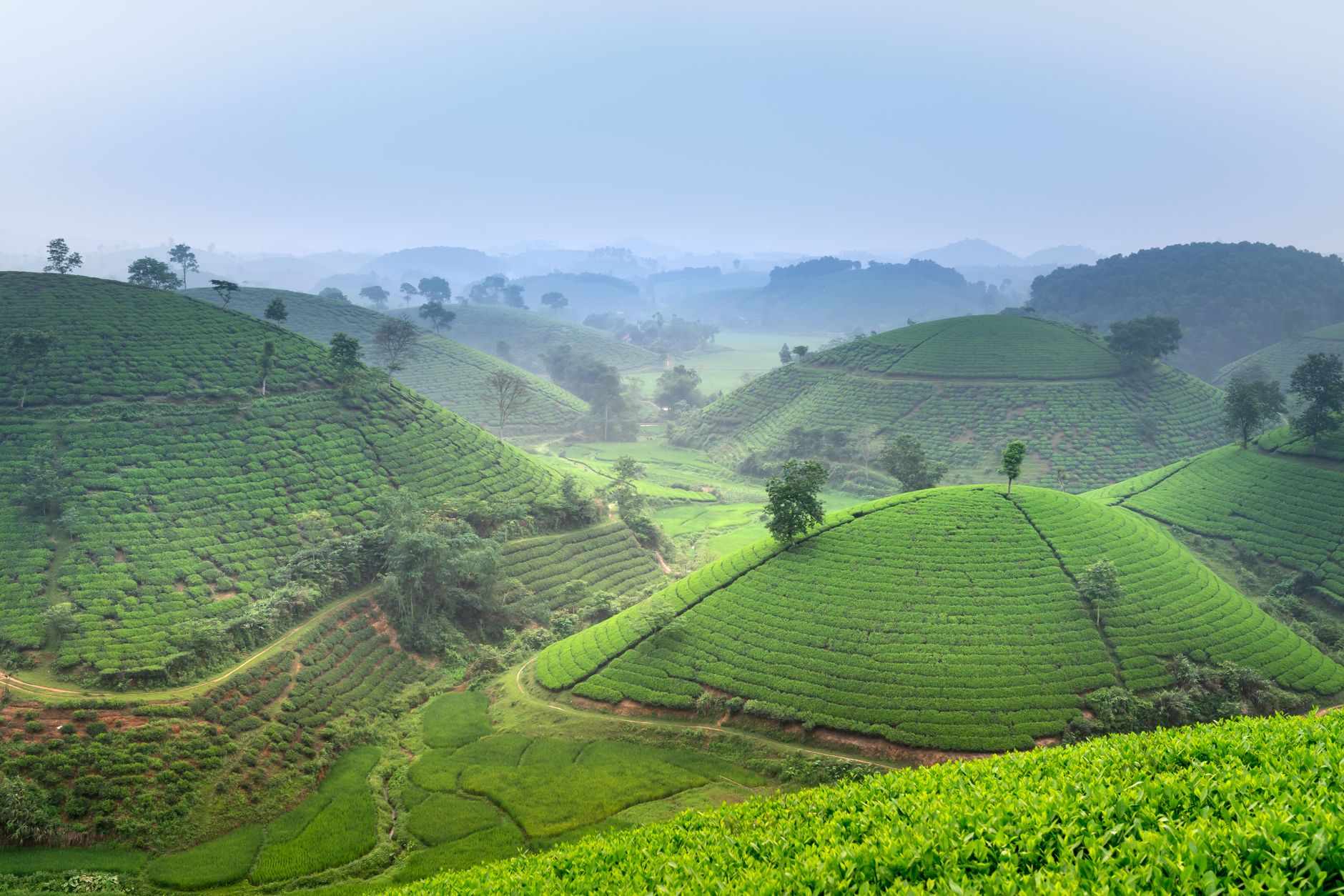
Photo by Anh Tuấn Lê on Pexels
What to do
Walk the museum
Start inside. The two-room museum has photo panels in Vietnamese and English covering the siege timeline, troop movements, and daily life on both sides of the perimeter. Budget 30-40 minutes. The English translations are imperfect but serviceable.
Explore the airstrip and hardware
The old C-130 airstrip is now a grassy field lined with decommissioned military vehicles — a CH-47 Chinook helicopter, an M48 Patton tank, various artillery pieces. Walking the full perimeter takes about 20 minutes and gives you a sense of the base's footprint.
Visit the reconstructed bunkers and trenches
A network of rebuilt bunkers and trench lines sits on the western edge of the site. They're basic concrete-and-sandbag reconstructions, but standing inside one while looking out at the surrounding hills puts the tactical situation into physical perspective.
Drive to Ta Con Airfield memorial
Just adjacent to the main site, a small memorial marks the old Ta Con airfield. It's a five-minute walk and usually overlooked, but the view from here across the plateau is the best on site.
Stop at a coffee plantation
The Khe Sanh plateau is one of Vietnam's arabica coffee regions. On the drive back toward Dong Ha, you'll pass small farms and roadside stalls selling locally grown beans. A bag of fresh-roasted Khe Sanh arabica runs about 80,000-120,000 VND — it's a solid souvenir and genuinely good coffee. If you're a fan of Vietnamese coffee, the beans from this plateau are worth trying.
Where to eat nearby
Khe Sanh town (officially Huong Hoa district center) has a handful of "com binh dan" — everyday rice shops — along the main road. Look for places with a busy lunch crowd around 11 AM. A plate of rice with grilled pork, greens, and soup runs 30,000-45,000 VND.
For something more specific, seek out "bun hen" — rice noodles with tiny clams — which is common in Quang Tri province. It's lighter and more herbaceous than "pho", served at room temperature with a heap of fresh greens and roasted peanuts. A bowl costs around 25,000-35,000 VND.
If you're driving back through Dong Ha, the town has better variety — try "banh canh" with crab, a thick tapioca-noodle soup that's a central Vietnam staple.
Where to stay
Khe Sanh town has a few basic guesthouses ("nha nghi") in the 200,000-350,000 VND range — clean enough, hot water, Wi-Fi. Don't expect much beyond that.
Most travelers base themselves in Dong Ha (budget hotels from 250,000-500,000 VND) or Hue (hostels from 150,000 VND, mid-range hotels from 600,000 VND) and visit Khe Sanh as a day trip.

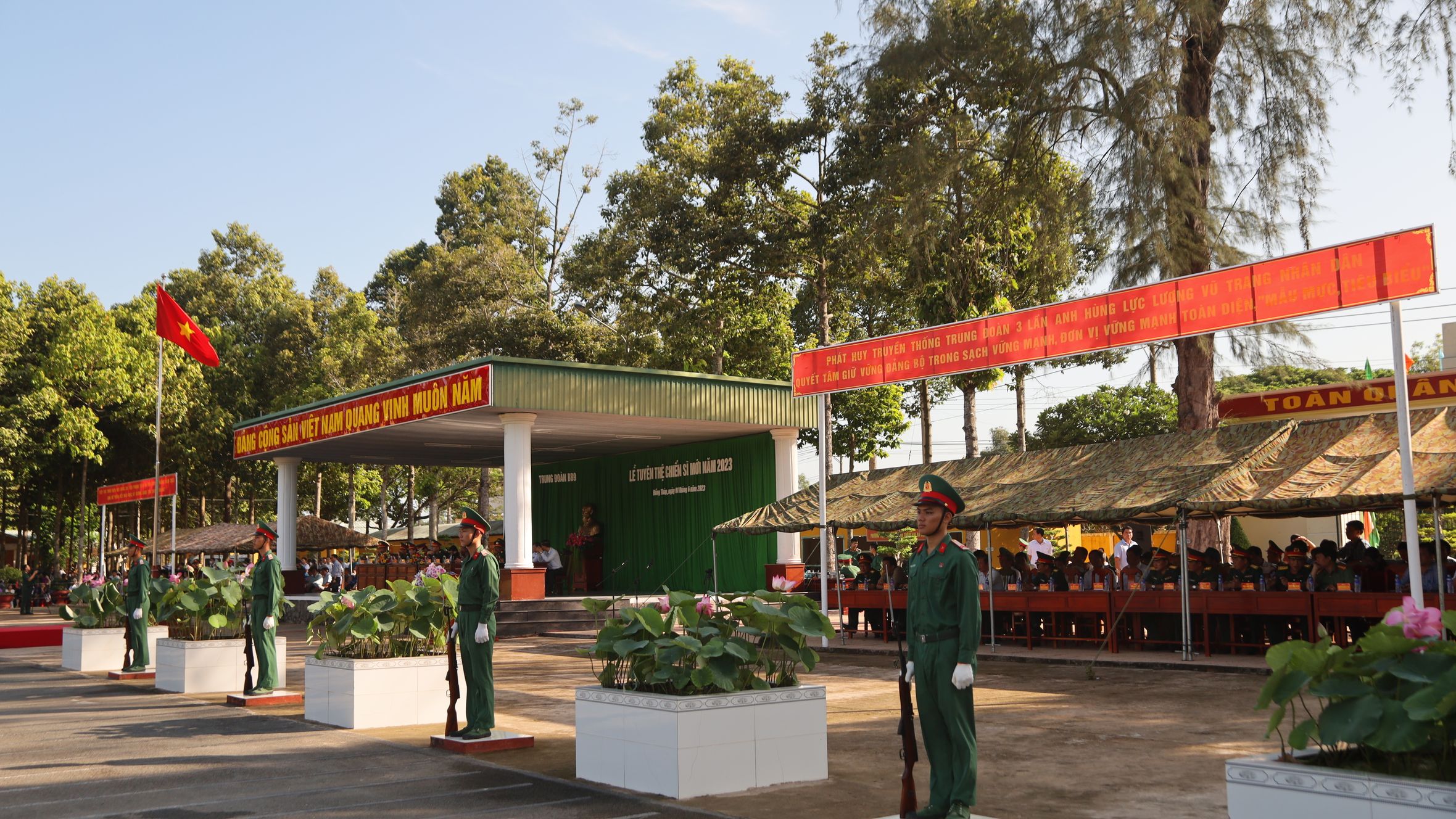
Photo by XT7 Core on Pexels
Practical tips locals would tell you
- Bring water and sun protection. The plateau is exposed, with almost no shade on the base grounds. There's one drink vendor near the entrance, but don't count on it.
- Hire a local guide at the gate. Freelance guides sometimes wait at the entrance and charge around 200,000-300,000 VND for a walkthrough. Their accounts add context the museum panels can't.
- Fill your fuel tank in Dong Ha. Petrol stations thin out west of Cam Lo.
- Combine with Phong Nha. If you're heading south, the road from Khe Sanh down to Phong Nha via Route 15 is rideable on a motorbike (about 150 km, 4-5 hours on mountain roads). It's a serious ride but connects two of central Vietnam's best stops without backtracking to the coast.
Common mistakes to avoid
- Rushing through on a group tour. Most DMZ tours allocate 45 minutes here, which isn't enough. If the history interests you, go independently and give yourself two hours.
- Skipping the outdoor area. Some visitors only do the museum and leave. The airstrip, bunkers, and surrounding views are the real experience.
- Visiting in heavy rain. The red dirt becomes a slick mess, and the outdoor exhibits lose their impact when you're dodging puddles under an umbrella.
Practical notes
Khe Sanh is open daily from roughly 7:00 AM to 5:00 PM. There's no strict closing enforcement, but the museum locks up around 4:30 PM. The site pairs naturally with other Quang Tri war-history stops — budget a full day from Hue or a half-day from Dong Ha to do it properly.
Last updated · May 29, 2026 · independently researched, never sponsored.