Vietnam (베트남 / 越南 / ベトナム) is safe for tourists, but like any destination with large visitor flows and wealth gaps, it has scammers. Most are petty—a few thousand dong overcharge, not life-altering. The key is knowing what to watch for so you can travel confidently without looking over your shoulder constantly.
Taxi meter rigging
The most common complaint. Some Hanoi and Saigon taxi drivers reset the meter mid-ride, claim it's "broken," or use an old meter calibrated to an inflated rate. It's usually a 20,000–50,000 VND scam per ride.
How to avoid it: Use Grab (the Southeast Asian ride-hailing app) instead. It's safer, the price is locked before you book, and the driver has no incentive to take a long route. If you take a taxi, use reputable companies: Hanoi Taxi, CP Taxi in Hanoi; or Saigon Taxi, Vina Taxi in Saigon. Check the meter is running at the start and watch the rate. If the meter looks obviously fast, get out and call another taxi. A short ride should cost 40,000–80,000 VND depending on distance.
Cyclo overcharge
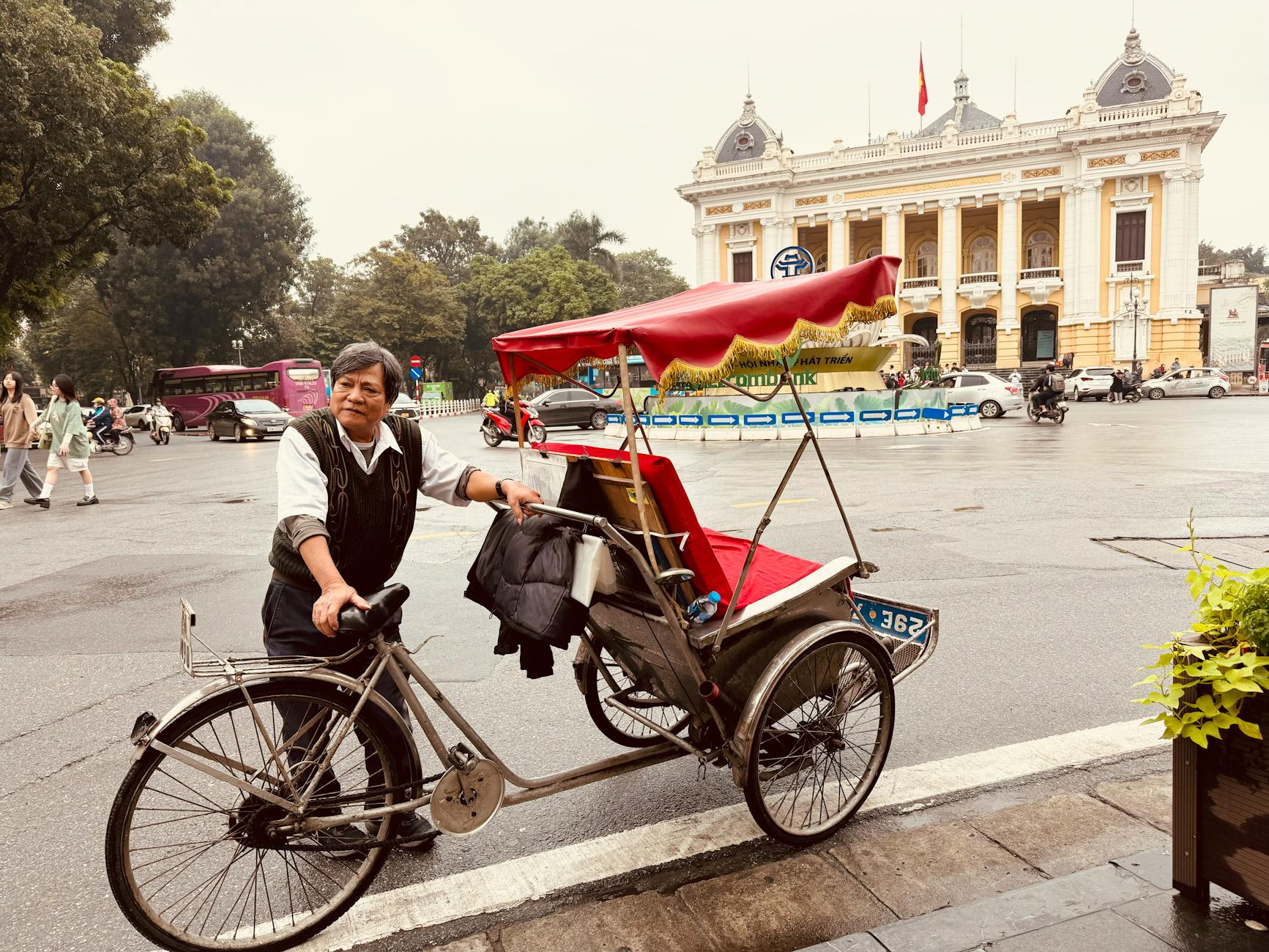
Cyclos (pedal rickshaws) in Hanoi's Old Quarter and Saigon are tourist traps. Drivers quote inflated prices or change the deal once you're in the seat.
How to avoid it: Negotiate the fare upfront in Vietnamese or English, ideally with a written figure. Expect 100,000–200,000 VND for a 10–15 minute ride; anything over 300,000 is a scam for tourists. Better yet, walk or use Grab. Cyclos are fun for 5 minutes of novelty, not reliable transport.
Hanoi Old Quarter coconut and fruit scam
A friendly local offers you a "free" coconut drink or fresh mango. You sip, enjoy it, then they demand 200,000–500,000 VND. They claim it was special or premium; you never agreed to a price.
How to avoid it: Don't accept unsolicited food or drink from strangers. If someone offers it, ask the price first—in writing if possible. Buy fruit and coconut from markets or street stalls with visible price tags. If someone forces a bill on you, stay calm and offer a reasonable price (20,000–30,000 VND for a coconut). Most won't pursue it.
Massage parlor bait-and-switch
You book a 1-hour traditional massage at what looks like a legit spa. Midway through, staff push upgrades—"hot stone treatment," "extra oil," "acupressure"—and tack on 500,000+ VND to your bill at checkout.
How to avoid it: Book through your hotel or a trusted app (like TripAdvisor with reviews). Ask the price in writing before lying down. A legitimate traditional Vietnamese massage in Hanoi or Saigon (사이공 / 西贡 / サイゴン) runs 150,000–250,000 VND per hour. If someone suggests add-ons, ask the cost first. Reputable spas don't pressure you mid-session.
Fake tour agency
You book a tour online or walk into a street-level travel agency. The next day, a different guide shows up, the van is old, and the itinerary is rushed or incomplete.
How to avoid it: Book tours through your hotel or well-known platforms (GetYourGuide, Viator, Klook) with user reviews. Check the agency's physical address and call ahead to confirm. Ask for the guide's name and phone number in advance. Real agencies don't hide details. A reputable Ha Long Bay overnight tour costs 1.5–3 million VND; suspiciously cheap offers (under 1 million) often cut corners.
Fake monk donations
In Hanoi or Saigon, a "monk" in robes approaches you, hands you a small bracelet or booklet, and asks for a "donation." You feel obligated and hand over cash. They're not ordained; it's a con.
How to avoid it: Legitimate monks don't solicit foreigners on the street. If someone in robes approaches you unsolicited, politely decline and walk away. Visit actual temples (Tran Quoc Pagoda in Hanoi, Jade Emperor Pagoda in Saigon) where donations are voluntary at the altar, not targeted at tourists by individuals. If you want to support Buddhism, donate directly to a temple you visit.
Currency exchange short-change
You exchange USD or EUR at a street-level money changer. They count out the VND quickly, you count it later, and you're 100,000–500,000 VND short. They rely on your unfamiliarity with large Vietnamese notes.
How to avoid it: Use ATMs or your bank for the best rate. If you must exchange cash, use a bank or hotel (slower, but reliable). If you use a money changer, count the bills in front of them before leaving. Or better yet, use your debit card at ATMs—you'll get a better rate and no risk of short-change. Never exchange money with street "dealers" offering high rates; that's always a scam.
Counterfeit goods and bootleg markets
Ben Thanh Market in Saigon or Night Markets in Hanoi sell knockoff bags, watches, and electronics. The vendor claims they're "real" or "high quality"; they're fakes, and they break in days.
How to avoid it: Don't buy electronics, luxury goods, or apparel at street markets unless you're OK with it being counterfeit (which is illegal to resell). If you want genuine branded goods, buy at a mall or official store. For souvenirs, buy local crafts—silk scarves from Hanoi, Non La (conical hats) from Hue, ceramics from Bat Trang—which are authentic and cheaper. Markets are fun for food and curiosities, not luxury goods.
Card cloning and ATM skimming
You withdraw cash at an ATM in a quiet area. Days later, charges appear on your card statement. Skimmers or hidden cameras captured your data.
How to avoid it: Use ATMs inside banks, hotels, or busy commercial areas, not street-side kiosks. Cover the keypad when entering your PIN. Check for loose or suspicious attachments on the card slot (unlikely but possible). Consider withdrawing larger amounts less frequently to reduce ATM visits. Notify your bank before traveling so they don't flag legitimate transactions. If you're concerned, use credit cards instead and report unauthorized charges immediately.
Airport taxi and transfer overcharge
At Noi Bai (Hanoi), Tan Son Nhat (Saigon), or Da Nang airport, a taxi driver quotes 500,000 VND for a 20-km ride that should cost 200,000 VND. Or a hotel "pre-arranged" pickup driver arrives unannounced, charges triple the agreed price, or it's not your hotel.
How to avoid it: Book your airport transfer in advance with your hotel. A legitimate hotel pickup is included or costs 200,000–300,000 VND. Alternatively, use Grab—book it at baggage claim, price locked. Avoid unmarked taxis; use the official airport taxi queue (white or metered cabs). If you're unsure about a driver, ask them to show ID or call the hotel to confirm. Budget 200,000–300,000 VND for airport to city center; anything more is a markup.
Frequently Asked Questions
How much does a legitimate taxi ride cost in Hanoi or Saigon?
A short taxi ride in Hanoi or Saigon should cost 40,000-80,000 VND depending on distance. Reputable companies include Hanoi Taxi and CP Taxi in Hanoi, and Saigon Taxi and Vina Taxi in Saigon. To avoid meter rigging, which typically inflates fares by 20,000-50,000 VND per ride, use Grab instead — the price is locked before you book and the driver has no incentive to take a longer route.
What should a fair price be for a cyclo ride in the Old Quarter?
A 10-15 minute cyclo ride in Hanoi's Old Quarter or Saigon should cost 100,000-200,000 VND. Anything over 300,000 VND is an overcharge targeting tourists. Always negotiate the fare upfront before sitting down, and ask for the agreed price in writing if possible. Cyclos are not reliable transport — for practical travel, walking or using Grab is a better option.
When should you be suspicious of a monk asking for donations in Vietnam?
Always be cautious if someone in monk's robes approaches you unsolicited on the street in Hanoi or Saigon. Legitimate monks do not solicit foreigners in public. The typical con involves handing you a bracelet or booklet and requesting a cash donation. Politely decline and walk away. To experience genuine religious sites, visit actual temples such as Tran Quoc Pagoda in Hanoi instead.
Final note
Most Vietnam scams are small-money cons targeting inattention, not organized crime. Stay alert, ask prices upfront, use apps like Grab and reputable platforms for tours, and keep large sums of cash out of sight. Vietnamese people are generally hospitable; don't let a handful of scammers sour your trip. Common sense—the same caution you'd use in any major city—goes a long way.
Last updated · May 29, 2026 · independently researched, never sponsored.