Taxi Meter & Ride Games
The most frequent scam. A taxi pulls up, meter looks fine, but it's either rigged to run fast or the driver takes a deliberately long route.
What happens: You get in a metered cab (say, in Hanoi Old Quarter). The meter starts normally at 10,000–15,000 VND per km. Halfway through your 3 km journey, you realize the fare is climbing way faster than distance should warrant. Or the driver insists your 2 km ride is "traffic today, very far."
Costs: A legit 10 km ride should be 150,000–250,000 VND. A rigged meter or route can inflate that to 400,000–600,000 VND.
How to avoid:
- Use Grab (the ride-hailing app). Price is set before you ride. No surprises.
- If you take a street taxi, ask the price before getting in or confirm the meter is reset to 0.
- Recognize major streets: if your driver avoids main roads for tiny alleys on a short journey, they're padding the distance.
- Carry small bills. Drivers sometimes claim they have no change, then short-change you.
Fake Gems & Watches
A touts stops you on the street, usually near tourist zones (Ben Thanh Market area in Saigon, Hoan Kiem Lake in Hanoi (하노이 / 河内 / ハノイ)). "My cousin has a shop, very cheap sapphires, real diamonds."
What happens: You end up in a cramped backroom shop. The "gems" are plastic, synthetic, or lab-made, but sold as premium. Paperwork is forged. You pay 2–5 million VND thinking you're getting a 10 million VND stone.
Costs: 500,000–3 million VND wasted, depending on your willingness to haggle.
How to avoid:
- Ignore street touts. Period. Any stranger who approaches you to "help" or "show you something" is working on commission.
- If you genuinely want gems or watches, go to established jewellers in malls (Vincom, Parkson) or auction houses with certified appraisals.
- Reputable shops will provide a certificate of authenticity. No cert = no deal.
- Don't buy on your first visit to a city. If it seems too cheap, it is.
Bar & Nightclub Bill Scams
You walk into a bar in District 1 (Saigon (사이공 / 西贡 / サイゴン)) or Hoan Kiem (Hanoi), order a beer. At the end, the bill is 500,000 VND for two beers and a whisky shot, or the staff insist you ordered overpriced bottle service you didn't consent to.
What happens: The bar has no posted prices. Waitstaff write down drinks with inflated costs. Hostess bars (especially in red-light zones) add cover charges, table fees, and "lady drinks" to your bill without asking. You're stuck because you're in the back of an unfamiliar place.
Costs: 300,000–2 million VND overcharge per night, or you're coerced into paying for hostess company.
How to avoid:
- Stick to tourist bars or established venues. Ask for a menu and confirm prices before ordering.
- Avoid dark, unmarked bars with no windows and no visible other customers.
- In hostess bars, don't accept a woman sitting at your table without agreeing to a price first. Every drink she has = you pay.
- Always review the bill before paying. If it looks inflated, dispute it calmly.
- Use credit card when you can. It creates a paper trail if you need to chargeback.

Photo by Hiep Nguyen on Pexels
Rigged Tour Prices & Hidden Fees
You book a Ha Long Bay tour on the street or through a dodgy agency for what seems like a great price: 500,000 VND. The tour description says "lunch included," but when you board, lunch is an extra 100,000 VND.
What happens: The agency quotes a base price, then adds fuel surcharges, "government taxes," or meal costs you didn't expect. Cave entrance fees that "weren't in the brochure" appear at the dock. The boat is overcrowded and lower-quality than advertised photos.
Costs: Expected 500,000 VND becomes 800,000–1.2 million VND once all fees are added.
How to avoid:
- Book through reputable agencies with online reviews (TripAdvisor, Google, Booking.com). Look for consistent 4.5+ star ratings and read recent reviews.
- Get a written quote. Confirm that entrance fees, meals, and transfers are included or itemized.
- Pay a deposit (usually 30–50%) upfront, not the full amount. Never wire money to an individual.
- Avoid street touts selling tours. They work on the thinnest margins and cut corners on quality.
- For Ha Long, Sapa, or Ninh Binh tours, book at least through a Saigon or Hanoi office with a street address, not a phone number.
Fake Police & Bag Snatching
Less common but real: someone in a police-like uniform approaches you on a quiet street, claims you broke a rule (you didn't), and demands a fine. Or a motorbike rider grabs your phone or bag from behind while you're walking.
What happens: The "officer" is not actually police. Real Vietnamese police rarely fine tourists on the street; if they do, they take you to a station. The fake officer demands 500,000–2 million VND cash to "avoid paperwork." Or your bag is gone in two seconds.
Costs: 500,000–2 million VND ransom, or phone/valuables lost.
How to avoid:
- Keep your phone and wallet in front pockets or a cross-body bag, not a backpack.
- If someone claims to be police, ask to go to the nearest station. Real officers will comply.
- Don't carry expensive jewelry, large amounts of cash, or multiple credit cards.
- In crowded markets or streets, hold bags close to your body.
- At night, stay in well-lit, populated areas. Don't wander quiet neighborhoods alone.
Currency Exchange Tricks
You walk into a money changer or use a random ATM. The exchange rate displayed is 1 USD = 20,000 VND, but the actual receipt shows 19,500 VND. You've lost 0.5% to 2% right there.
What happens: Unofficial changers skim the exchange rate. Or an ATM is installed by a private operator (not a bank), and it charges 50,000–100,000 VND per withdrawal on top of a bad exchange rate.
Costs: A 1,000 USD exchange loses 10,000–20,000 VND. A single ATM withdrawal costs 50,000–100,000 VND.
How to avoid:
- Exchange money at banks or airport (rate is posted and regulated).
- Use ATMs from major banks (VietCombank, Agribank, BIDV). Avoid random ATMs in bars or convenience stores.
- Check the exchange rate on XE.com before you change money. Know the real rate.
- Withdraw in larger amounts to minimize per-transaction fees (e.g., 5 million VND once instead of 1 million VND five times).
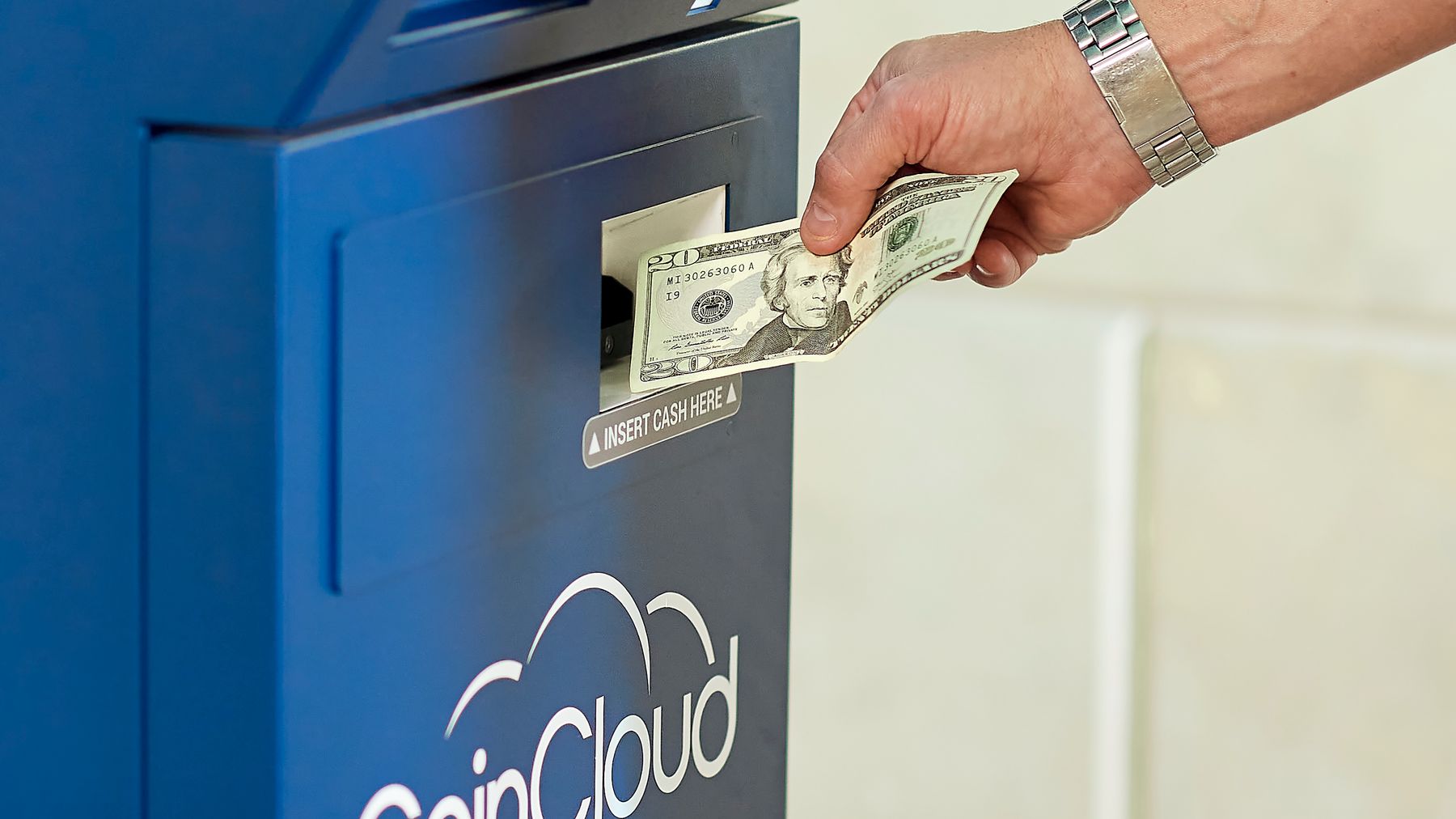
Photo by Elise on Pexels
Counterfeit Goods & Market Haggling
A vendor at Dong Xuan Market sells you a "Nike" hoodie for 150,000 VND. It's counterfeit. Or you haggle a souvenir price down so low that the seller swaps your item for a cheaper knockoff while wrapping it.
What happens: You're handed a fake or lower-quality item than you agreed on. By the time you realize, you're back at your hotel.
Costs: 100,000–500,000 VND for a fake garment or souvenir.
How to avoid:
- In markets, check items carefully before handing over cash. Look at stitching, logos, and materials.
- Don't haggle so aggressively that the price becomes unbelievable. If a silk scarf goes from 500,000 VND to 50,000 VND, something's wrong.
- Buy from certified souvenir shops or department stores if authenticity matters.
- For brand-name goods, stick to official malls (Vincom, Parkson, Diamond Plaza in Saigon).
Street Food Vendor Overcharges
You eat "pho" or "banh mi" from a street stall. The vendor never quotes a price, and at the end demands 100,000 VND for a bowl that should cost 25,000–40,000 VND.
What happens: No written menu, no price posted. You assume it's cheap street food. The vendor quotes an inflated price, counting on your unfamiliarity with local costs.
Costs: 50,000–80,000 VND overcharge per meal.
How to avoid:
- Ask the price before ordering: "Bao nhieu tien?" (How much?)
- Observe other customers or watch what locals pay.
- Eat where there's a visible menu board (even a hand-written one) with prices.
- Popular, busy stalls (the ones with queues at 7 AM) are usually honest. Low volume = higher margins to offset few customers.
Bottom Line
Vietnam isn't especially dangerous, but minor scams are normal in any major tourist destination. The key is awareness: know a fair price, use reputable services (Grab, established restaurants, booked-in-advance tours), ask questions, and trust your gut. Locals and repeat visitors sidestep most of this by staying away from touts, using apps, and asking before they buy.
Last updated · May 29, 2026 · independently researched, never sponsored.