Day 1-2: The Hanoi Tempo
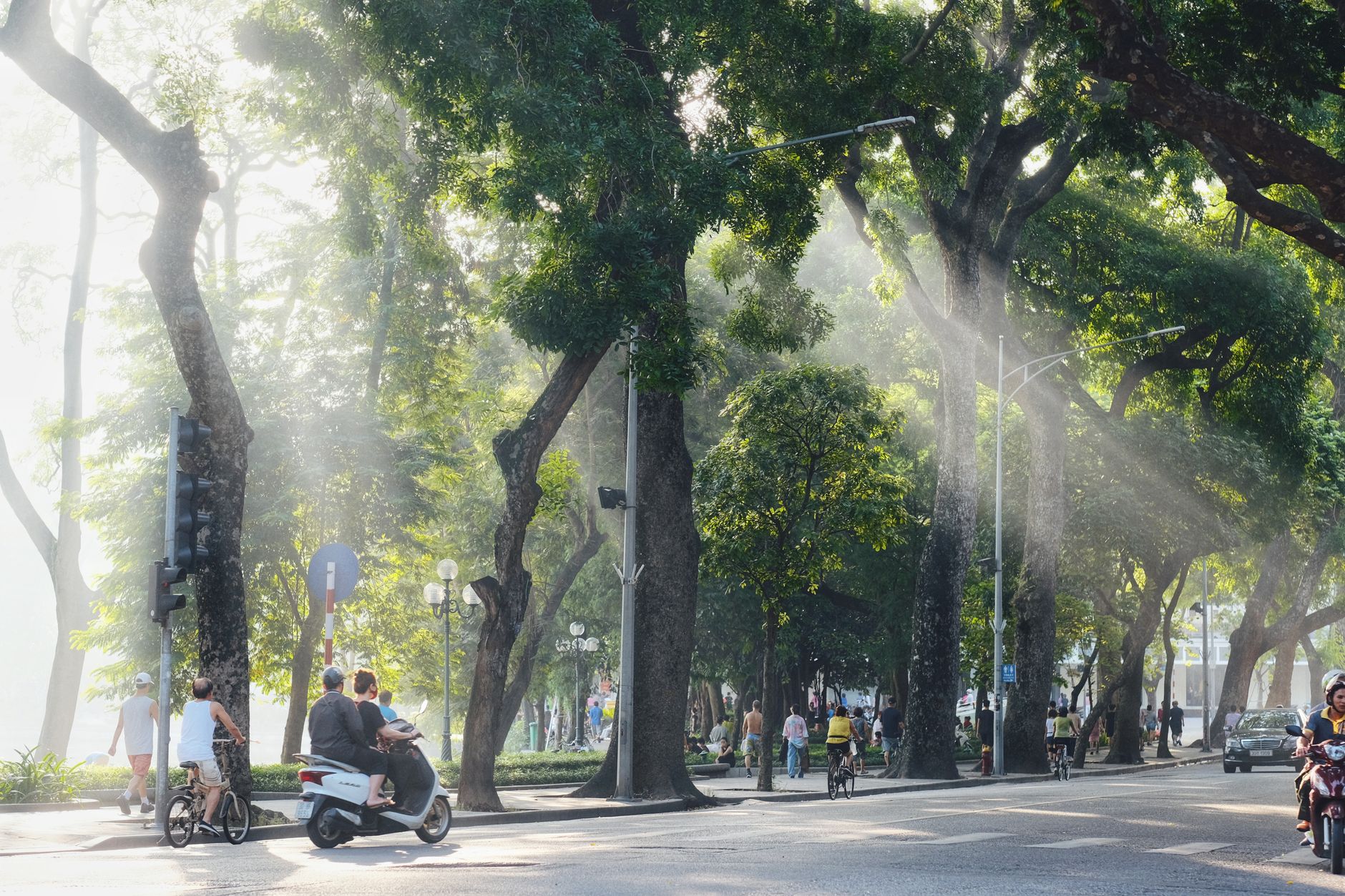
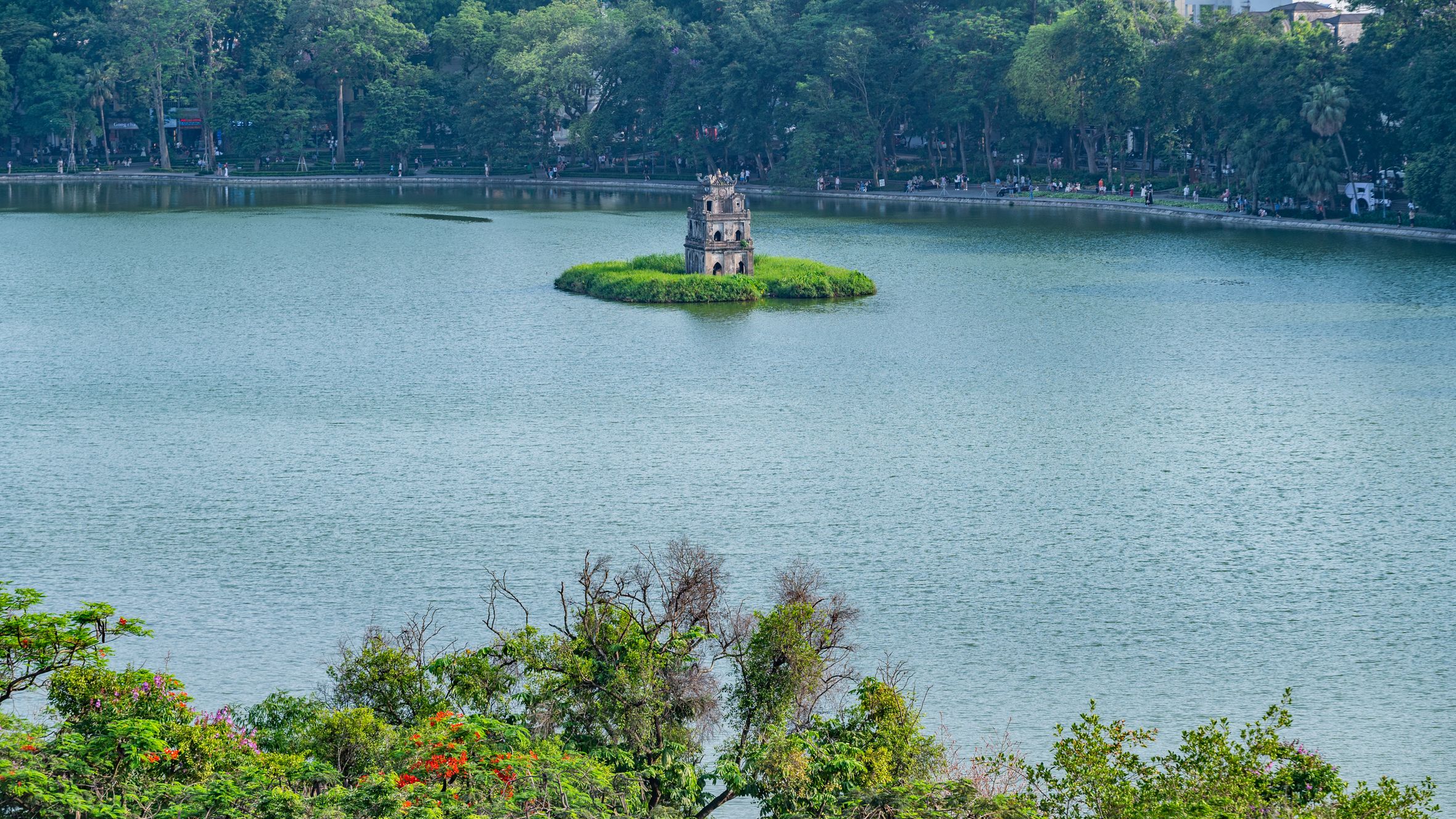
Start in Hanoi, but avoid the frantic pace of the Old Quarter. Base yourself in Tay Ho. Spend your mornings at the Tran Quoc Pagoda before the crowds arrive, then head to a local stall for "bun thang". The key here is to observe the transition from early morning exercise around the lake to the evening "bia hoi" culture on the street corners. Use these two days to adjust your internal clock to the local rhythm.
Day 3-4: The Rail to Hue
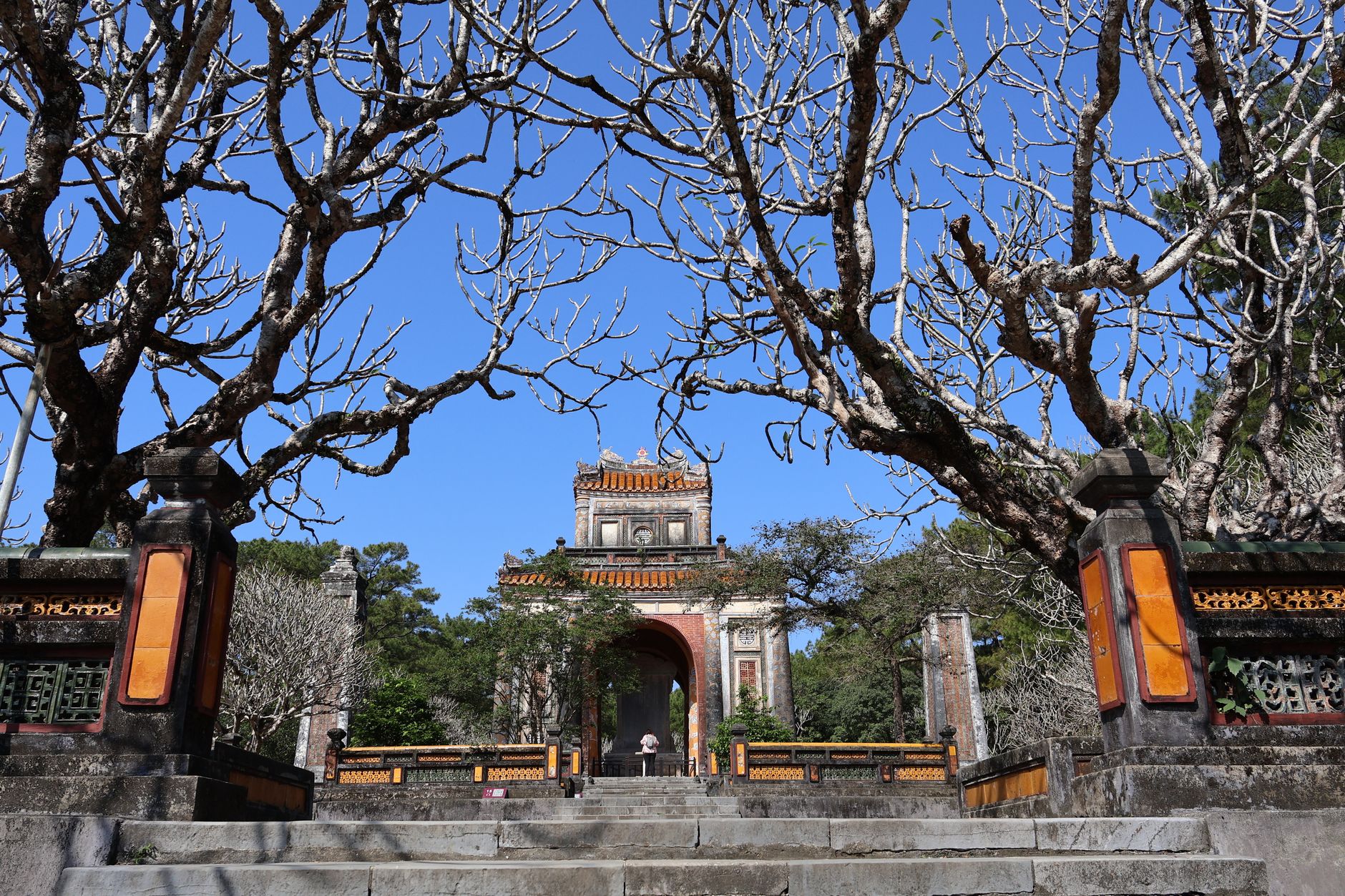
Board the overnight train south. It is not about speed; it is about the landscape shifting from the industrial outskirts of Hanoi (하노이 / 河内 / ハノイ) to the coastal plains. Arrive in Hue and head straight for a bowl of "bun bo hue". Spend your time exploring the Tomb of Tu Duc and the Tomb of Khai Dinh. These sites are best visited in the late afternoon when the light softens and the tour buses have departed. Hue is a city of quiet reflection, so take your time walking the banks of the Perfume River.
Day 5-6: Hoi An Beyond the Lanterns
Take the train or a private car over the Hai Van Pass to Da Nang, then continue to Hoi An. Most visitors stick to the Ancient Town; you should head toward the Cam Nam island area. Rent a bicycle and ride through the rice paddies. For lunch, seek out a genuine "cao lau" stall tucked away in the residential alleys. In the evening, skip the crowded riverfront and find a quiet spot to enjoy a "vietnamese coffee (베트남 커피 / 越南咖啡 / ベトナムコーヒー)" while watching the local life unfold away from the souvenir shops.
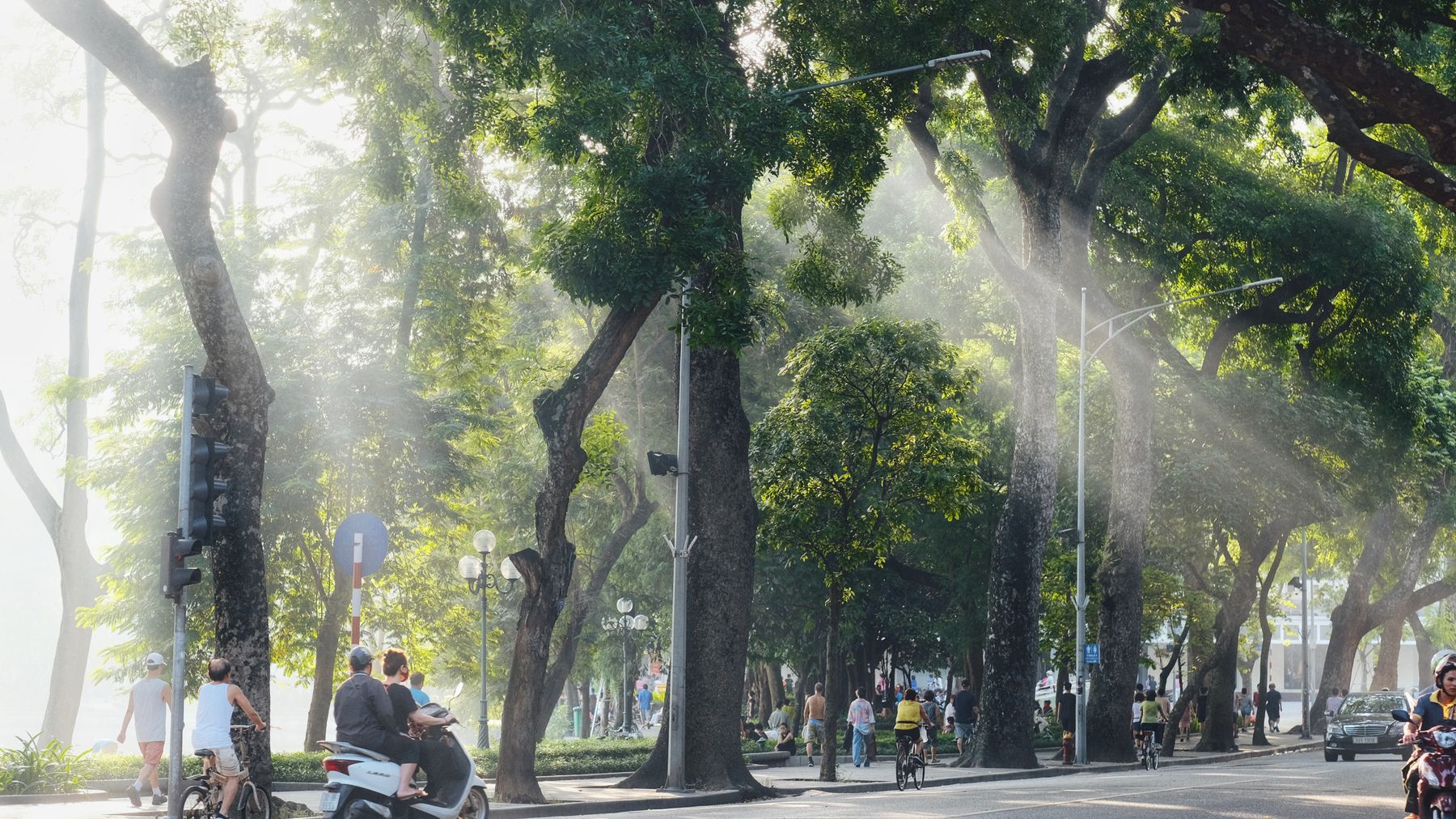
Photo by tu nguyen on Pexels
Day 7-8: The Highland Shift to Da Lat
Travel inland to Da Lat. The air cools, and the pace slows further. This is where you find the best "banh can" in the country. Spend your days visiting the local flower markets and wandering the hills. The architecture here tells a different story than the coastal cities, with remnants of colonial-era villas scattered among the pine forests. It is a necessary palate cleanser before the final push to the south.
Day 9-10: The Arrival in Saigon
Descend from the highlands into the sprawling energy of Saigon. Your final days should be spent in District 3 or the quieter parts of District 1. Start your morning with "com tam" at a sidewalk stall where the grill smoke is the only alarm clock you need. Spend your final afternoon at the Ben Thanh Market, not to buy, but to watch the commerce of the city in action. Wrap up your trip with a bowl of "hu tieu" and a "ca phe sua da" as you prepare for your departure.

Photo by Nguyen Ngoc Tien on Pexels
Why this route works
By choosing the train and local transit, you avoid the sterile experience of airport terminals. You see the geography change—the limestone karsts of the north giving way to the lush central coast and finally the flat, productive plains of the south. This is not a checklist trip; it is a way to understand the scale of the country.
Practical notes
Book your train tickets at least a week in advance through the official Vietnam Railways portal to ensure a soft sleeper berth. Pack light; you will be moving through different micro-climates, and lugging a heavy suitcase on and off trains will quickly ruin the slow-travel experience.
Last updated · May 30, 2026 · independently researched, never sponsored.