Day 1 — Hanoi: The Seat of Power
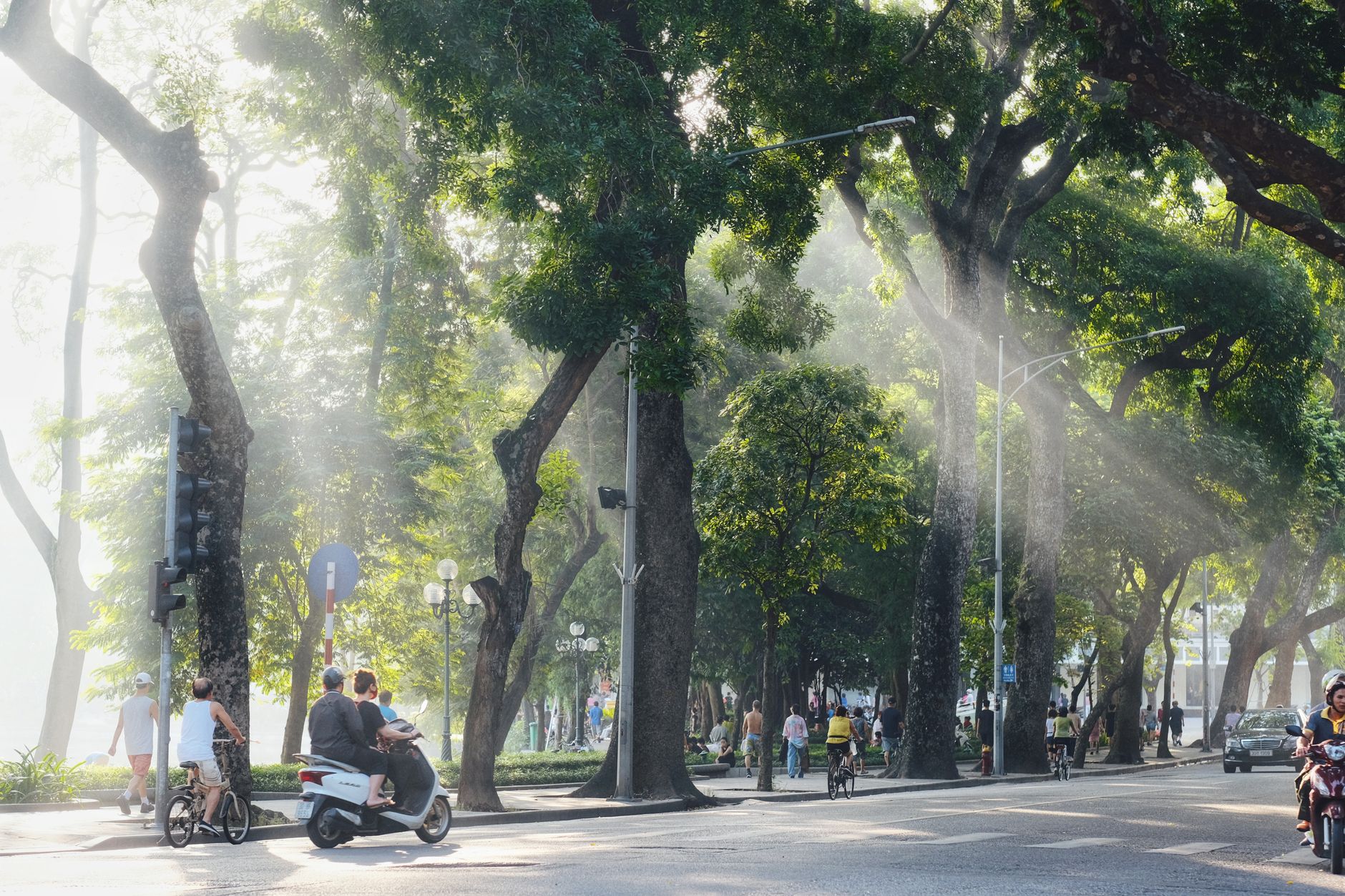
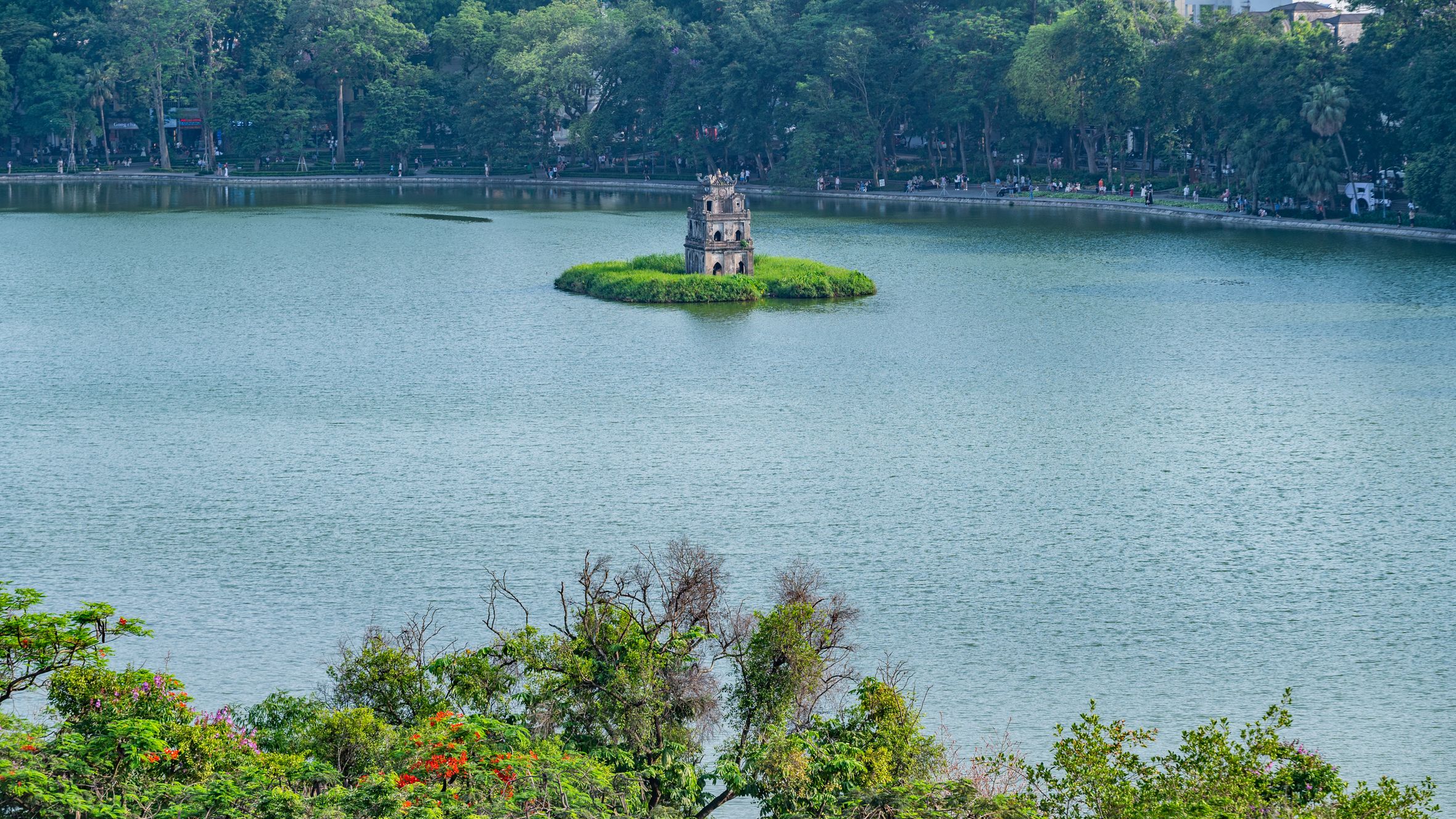
Start your journey in Hanoi, where centuries of history collide. Begin at the "Imperial Citadel Thang Long", a UNESCO World Heritage site that served as the political center for over a millennium. Spend your afternoon at the "Temple of Literature", Vietnam (베트남 / 越南 / ベトナム)'s first university, before walking the "Long Bien Bridge". Built by the French in the early 1900s, this bridge survived heavy bombing during the 1960s and remains a symbol of resilience. For dinner, find a street-side stall serving "bun thang", a delicate chicken noodle soup that reflects the refined culinary history of the capital.
Day 2 — Hanoi: Colonial and Wartime Echoes
Visit the "One Pillar Pagoda" and the surroundings of the Ho Chi Minh (호치민 / 胡志明 / ホーチミン) Mausoleum. While the site is a major tourist draw, the nearby "Tran Quoc Pagoda" offers a quieter look at the city's Buddhist heritage. In the evening, walk through the Old Quarter and grab a "vietnamese coffee" or an "egg coffee" at a cafe overlooking the street. If you have time, catch a performance of "water puppetry", a traditional art form dating back to the 11th century.
Day 3 — Hue: The Imperial Legacy
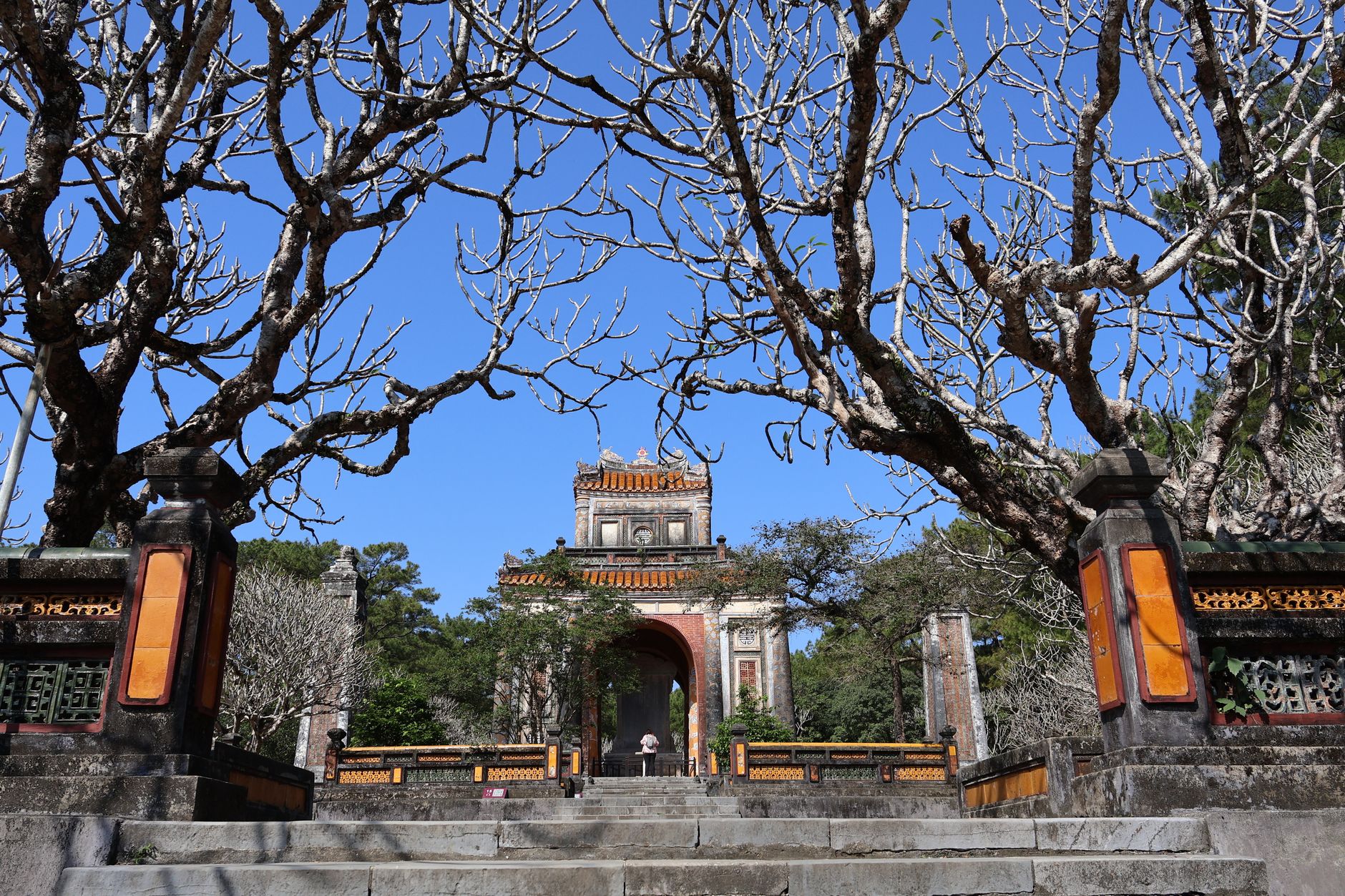
Fly to Hue, the former imperial capital. Spend your day exploring the "Imperial Citadel", which was heavily damaged during the 1968 Tet Offensive. The contrast between the restored sections and the bullet-scarred walls provides a sobering look at the city's recent past. Visit the "Tomb of Tu Duc" and the "Tomb of Khai Dinh" to understand the architectural grandeur of the Nguyen Dynasty. For dinner, seek out "bun bo hue", a spicy beef noodle soup that originated in this region.
Day 4 — Hue: The DMZ
Dedicate this day to a guided tour of the former Demilitarized Zone (DMZ). Travel north to the Vinh Moc tunnels, an underground village where civilians lived to escape heavy bombardment. This is a visceral experience that highlights the civilian toll of the conflict. Return to Hue in the evening for a quiet meal of local specialties.

Photo by Nguyen Ngoc Tien on Pexels
Day 5 — Da Nang: Strategic Points
Take the train or drive over the Hai Van Pass to Da Nang. This route offers a view of the coast and the strategic geography that made this area vital during the war. In Da Nang, visit the Museum of Cham Sculpture to see artifacts from the ancient Champa Kingdom, providing a necessary historical context that predates the 20th-century conflicts. Spend your evening by the Han River.
Day 6 — Hoi An: Ancient Trade
Travel 30km south to Hoi An. While primarily known for its well-preserved merchant houses, the town was a significant port for centuries. Explore the Japanese Covered Bridge and the various assembly halls. In the evening, try "cao lau", a noodle dish unique to Hoi An that uses water from ancient local wells. The town's atmosphere is a stark, peaceful contrast to the heavy history of the previous days.
Day 7 — My Son: Champa Ruins
Take a morning trip to "My Son", the sanctuary of the Champa Kingdom. Many of the brick structures here were damaged by aerial bombing during the war, and you can still see the craters surrounding the temple complex. It is a haunting site that bridges the gap between ancient history and modern destruction. Return to Hoi An for a final evening of local food.

Photo by Tuấn Kiệt Jr. on Pexels
Day 8 — Saigon: The Southern Hub
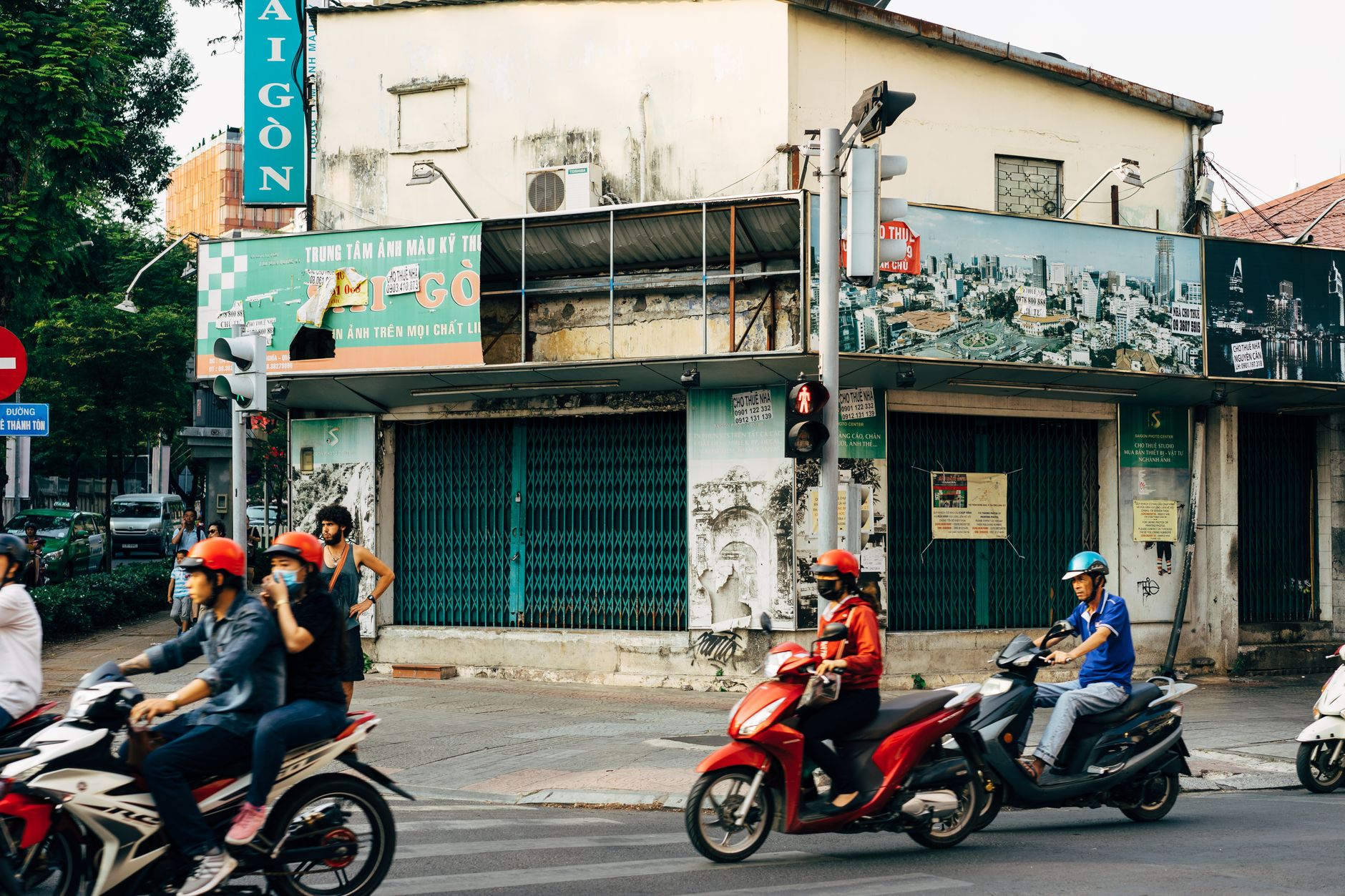
Fly to Ho Chi Minh City, commonly referred to as Saigon. Start at the War Remnants Museum, which provides a detailed, albeit intense, look at the conflict from the local perspective. It is essential to visit the Reunification Palace, where the war effectively ended in 1975. For dinner, head to a local spot for "com tam", a classic broken rice dish that is a staple of southern urban life.
Day 9 — Cu Chi: The Underground Network
Take a half-day trip to the "Cu Chi Tunnels". This massive underground network was crucial for the resistance. Crawling through the widened sections of the tunnels gives you a sense of the claustrophobic conditions soldiers faced. In the afternoon, return to the city and explore "Ben Thanh Market". If you are feeling adventurous, try some "goi cuon" or "cha gio" from the food stalls inside.
Day 10 — Saigon: Modern Perspectives
Spend your final day visiting the Notre Dame Cathedral and the Central Post Office, both iconic French colonial structures. Reflect on your journey over a "ca phe sua da" in a quiet alleyway. Before you leave, try a "banh mi" from a reputable street vendor, a perfect example of the culinary fusion that defines modern Vietnam.
Practical notes
Domestic flights between Hanoi, Hue, and Saigon are the most efficient way to cover these distances in 10 days. Always carry a copy of your passport and keep your belongings secure in crowded markets like Ben Thanh.
Last updated · May 30, 2026 · independently researched, never sponsored.